How Reliable Is Home Security Monitoring
When you're wondering about the reliability of home security monitoring, you're really asking if it will actually work when you need it most. This isn't just about preventing burglaries; it's about ensuring a rapid response to emergencies, offering you and your family genuine peace of mind. We've all heard stories, good and bad, and knowing what makes a system dependable is key.
In our research, we found that a well-maintained, professionally monitored system is highly effective. Systems certified by organizations like Underwriters Laboratories (UL) adhere to strict operational standards, meaning they're built for dependability. This means when an alarm triggers, a trained team is ready to act, making the entire security chain more robust.
Quick Answer
Home security monitoring is generally very reliable when professionally installed and maintained. Systems certified by UL meet rigorous standards for performance and response. Key factors influencing reliability include cellular backup, battery power, and the quality of the monitoring center's staff and protocols.
As of 2026, most reputable systems offer dependable protection against intrusion and emergencies.
Understanding the Chain: How Monitoring Systems Work
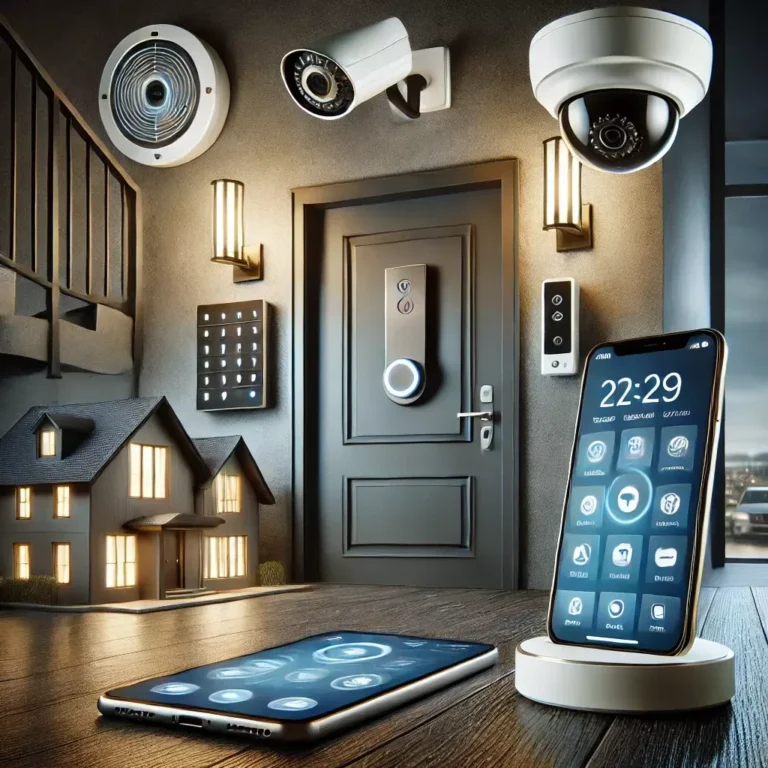
At its heart, home security monitoring is about creating a rapid response system. It's a chain of events designed to detect trouble and get help to your door as quickly as possible. This chain involves several critical components working in sync.
The process typically starts when a sensor detects an event, like a door opening or motion in a room. This signal travels to the main control panel. From there, the panel uses a communication method to alert a professional monitoring center.
Trained operators at the center then follow specific protocols, which might involve contacting you, dispatching emergency services, or both.
Core Components and Their Roles
Each part of this system plays a vital role in its overall effectiveness. If any single component fails or performs poorly, the entire chain can be broken.
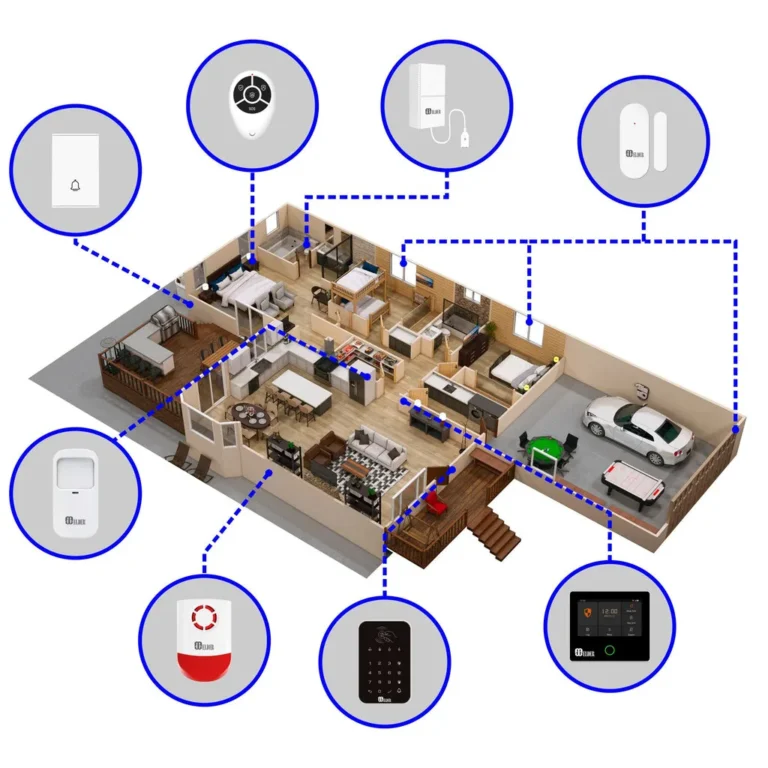
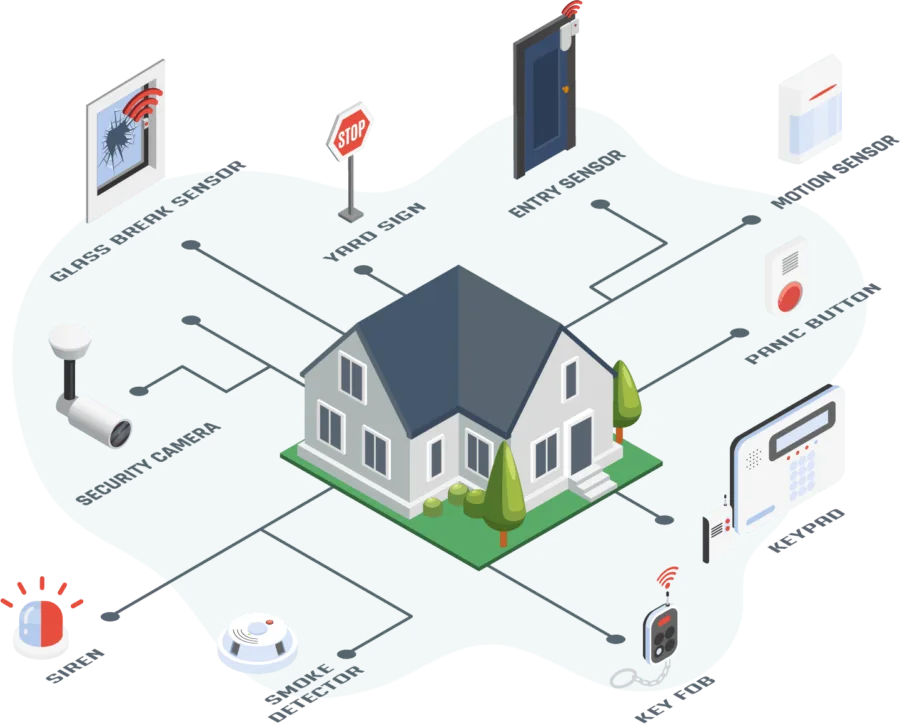
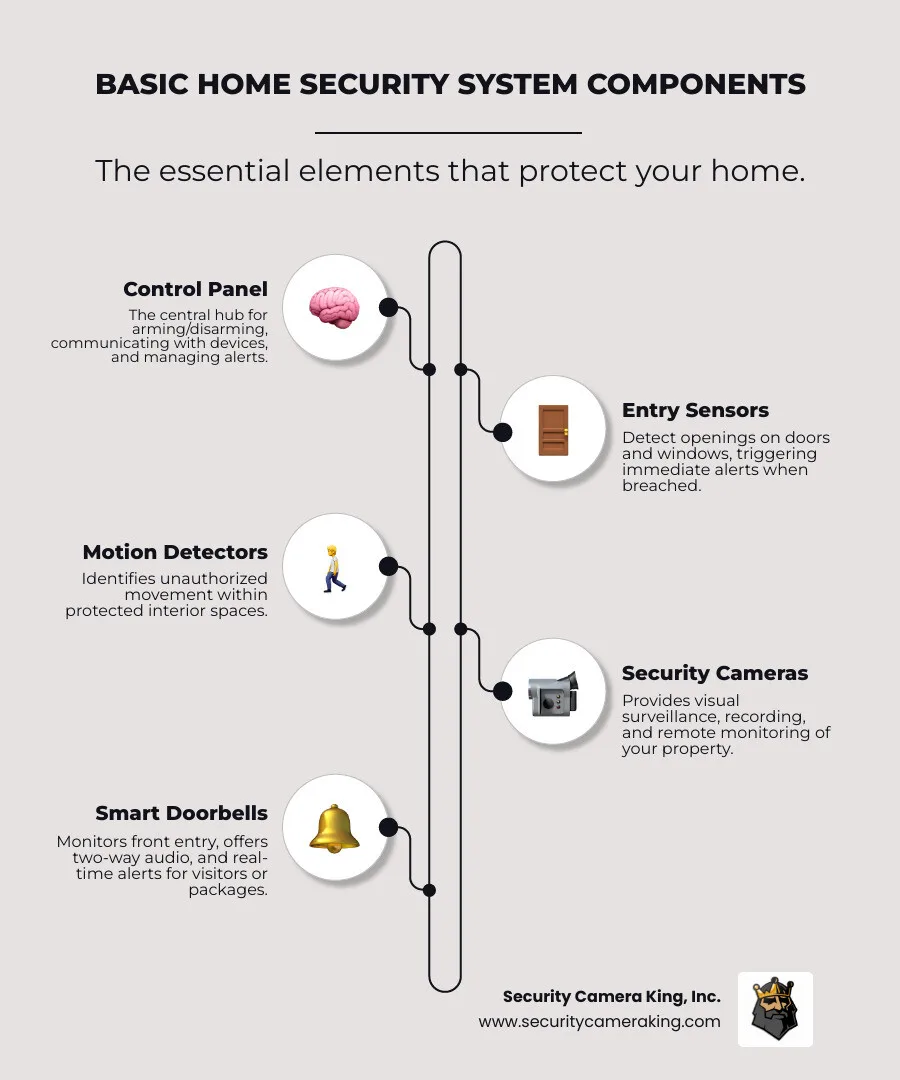
- Sensors: These are the eyes and ears of your system. Options include door/window contacts that trigger when a seal is broken, motion detectors that sense movement, and glass break sensors that react to the sound frequency of shattering glass.
- Control Panel: This is the central hub. It receives signals from all connected sensors and processes the information. It's also responsible for transmitting alerts.
- Communication Method: This is how the control panel sends its message. Common methods include traditional phone lines, internet connections (broadband), and cellular networks. Cellular is often preferred for its reliability, as it's less likely to be cut or disabled.
- Monitoring Center: This is the human element, staffed 24/7 by trained professionals. They receive the alarm signals, verify the emergency, and initiate the appropriate response plan.
What Makes a Monitoring System Trustworthy?
Trustworthiness in home security monitoring isn't just about having the most sensors; it's about the system's ability to perform consistently and correctly, especially under pressure. Several factors contribute to a system's dependable nature.
First, redundancy is key. A system that can automatically switch communication methods if one fails, like a cellular backup if your internet goes down, is inherently more reliable. Battery backups for power outages are also critical; they ensure the system continues to operate even when the main power is cut.
Second, the quality of the monitoring center is paramount. This includes their staffing levels, training protocols, and the technology they use to receive and process alarms. A well-run center can differentiate between a real emergency and a false alarm, ensuring help is sent when needed without unnecessary dispatches.
You can learn more about what is a professionally monitored security system to understand its core function.
Key Factors for Reliability
- Redundant Communication: Cellular backup is crucial.
- Battery Power: Sufficient battery life for extended outages.
- 24/7 Monitoring Staff: Always-on professional oversight.
- Strict Protocols: Clear procedures for alarm verification and dispatch.
- System Testing: Regular self-checks and professional maintenance.
Potential Hiccups and How They're Handled
Even the best home security monitoring systems can encounter issues. Understanding these potential problems and how they are typically addressed helps manage expectations and ensures you're prepared. The goal of reliable systems is to minimize these hiccups or have backup plans in place.
False alarms are a common frustration. These can happen due to pets, environmental factors like drafts, or user error during arming or disarming. Reputable systems often incorporate features like pet-immune motion sensors or require a verification process by the monitoring center before dispatching authorities.
This helps reduce unnecessary calls to emergency services.
Communication failures can also occur. If your internet service is down or a phone line is cut, the alarm signal might not reach the monitoring center. This is why cellular communication backups are so highly valued in the industry.
They provide an independent channel that bypasses local network issues.
Common Problems and Solutions
- False Alarms: Use pet-immune sensors, ensure proper placement, and practice arming/disarming.
- Communication Failures: Rely on systems with cellular or dual-path communication.
- Power Outages: Ensure your system has a robust battery backup, typically lasting several hours.
False Alarms
False alarms can lead to fines from local authorities and can desensitize responders to genuine emergencies. They often stem from simple issues. For example, a door sensor might be loose, or a motion detector could be positioned facing a window that a tree branch frequently brushes against.
Some systems use "entry delays," giving you a short window to disarm the system after a door opens, which can prevent accidental triggers if you're home.
Communication and Power Issues
If your home security system relies solely on your home internet connection, a router malfunction or an internet service outage means your system can't send alerts. This highlights the importance of systems offering multiple communication paths. For instance, a system might use Wi-Fi and cellular, so if one path fails, the other takes over.
Likewise, power is essential; most panels have a backup battery, but manufacturer specifications often detail how long this backup is designed to last, typically between 4 to 24 hours depending on the model and its load. Understanding how much power does a home security system use can also help you estimate battery backup duration.
Real-World Reliability: What to Expect
The true reliability of a home security monitoring system in real-world scenarios is a blend of technology, service, and user engagement. It's not an abstract concept; it’s about what happens when an alarm is tripped. Aggregated user feedback and manufacturer specifications indicate that well-designed systems perform consistently.
A key metric is the monitoring center's response time. Reputable centers aim to acknowledge an alarm within seconds. For example, studies and industry benchmarks often show average acknowledgement times between 15 to 60 seconds.
This initial response is critical for dispatching help efficiently. For a deeper understanding of system components and their interconnectedness, exploring how do home alarm systems work is beneficial.
Performance Data and Standards
When evaluating reliability, looking at certifications is essential. Organizations like Underwriters Laboratories (UL) set stringent standards for alarm systems and monitoring centers. A UL listing means the equipment and monitoring service have been rigorously tested to meet specific performance and safety requirements.
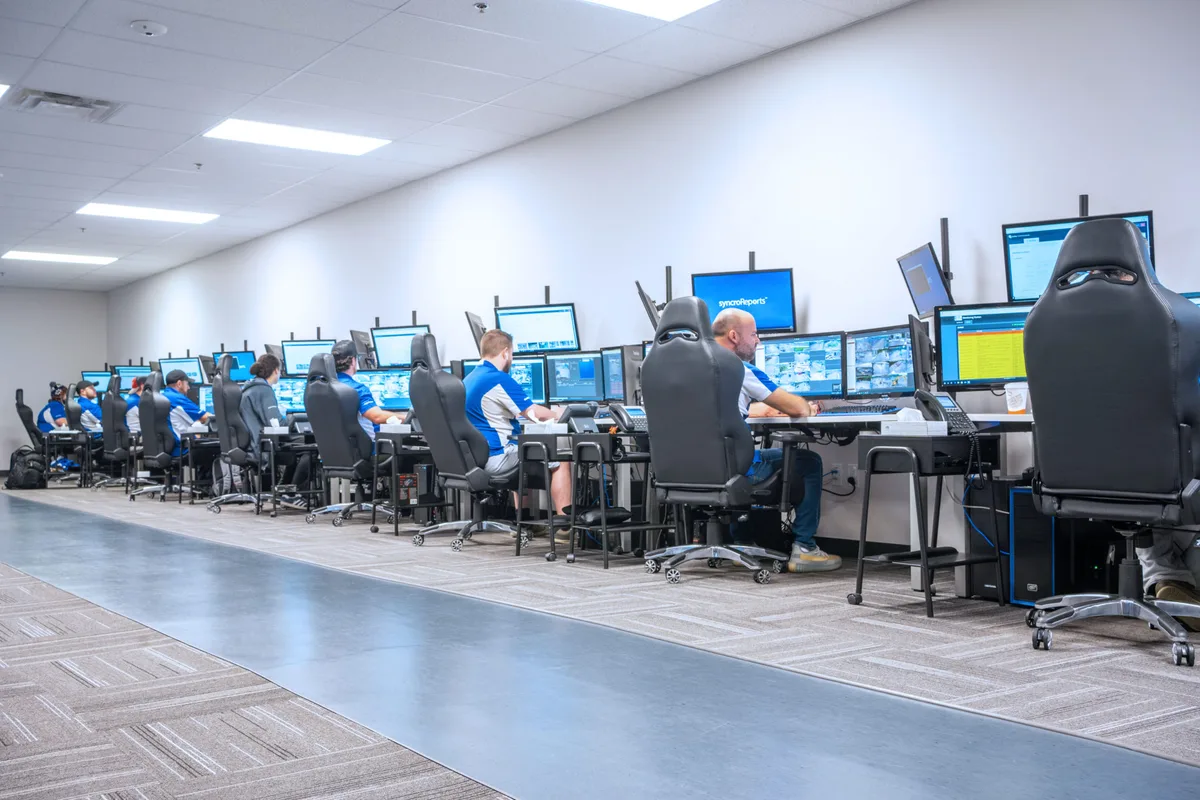
UL-Certified Monitoring Centers
Monitoring centers that are UL-Certified undergo regular inspections to ensure they meet these high standards. This certification covers aspects like their operational procedures, staff training, backup power systems, and communication protocols. When a monitoring center is UL-Certified, it provides a strong assurance of their capability to handle alarm events reliably.
These centers are equipped with redundant power supplies and communication lines, ensuring they can remain operational even during major disruptions. Their personnel are trained to follow specific, often legally mandated, procedures for verifying alarms and contacting appropriate authorities quickly. This dedication to standardized, robust processes is a cornerstone of their reliability.
You can find more on official standards directly from Underwriters Laboratories.
Expert Tips for Ensuring Reliability
To maximize the reliability of your home security monitoring, a proactive approach is best. This means not just setting up the system and forgetting about it, but actively engaging with its upkeep and understanding its capabilities. Regular checks and informed choices about the service provider make a significant difference in how dependable your system is.
One of the most crucial steps is regular testing. Many monitoring companies provide a "test mode" for your system. This allows you to trigger alarms without dispatching emergency services.
Testing your sensors, control panel, and communication links ensures everything is functioning as it should. This simple step can identify issues before they become critical failures.
Regular Testing and Maintenance
Testing your system monthly is a good practice. It helps catch minor issues early, like a sensor with a weakening battery or a communication link that's become unstable. If you've recently experienced power surges or significant weather events, an extra test is a good idea.
When you test, note the system's response time. Does the app alert you quickly? Does the monitoring center acknowledge the test signal promptly?
These small observations can provide insights into the system's overall health. Regular maintenance, often recommended by the manufacturer, might include cleaning sensors or checking battery levels, which are vital for consistent performance. If you're curious about system longevity, consider reading about how often should a security system be replaced.
Choosing the Right Monitoring Service
The company that monitors your alarms has a direct impact on reliability. Look for services that are UL-Certified, as this indicates adherence to strict operational standards. These companies invest in robust infrastructure and well-trained staff.
Consider their response protocols. Do they verify alarms before dispatching? What communication methods do they support?
A service that offers multiple communication paths, like cellular and internet, provides a stronger guarantee of connectivity. Additionally, check reviews and ask about their average dispatch times and customer satisfaction ratings. For a deeper dive into what makes a monitoring system professional, explore what is a professionally installed security system.
FAQs About Home Security Monitoring Reliability
Is cellular backup essential for reliability?
Yes, cellular backup is highly recommended for ensuring system reliability. If your home's internet or landline is disrupted, a cellular connection provides an independent communication path to the monitoring center, significantly reducing the risk of a missed alert. It acts as a crucial redundancy.
How often should I test my security system?
It’s a good practice to test your home security system at least once a month. This regular testing helps ensure all sensors are functioning correctly and that the system can reliably communicate with the monitoring center. Some companies also perform automated daily or weekly check-ins.
What's the difference between self-monitoring and professional monitoring reliability?
Self-monitored systems rely on you to receive alerts and contact emergency services directly, meaning reliability hinges entirely on your immediate availability and action. Professional monitoring uses dedicated staff 24/7, offering a more consistent and often faster response, making it generally more reliable for urgent situations. You can read more about what is self-monitored home security to compare.
Can environmental factors affect system reliability?
Environmental factors can affect sensor reliability. Extreme temperatures might impact battery performance or sensor operation. Strong winds could potentially trigger motion sensors if not properly calibrated.
Ensuring your sensors are rated for your climate and properly installed minimizes these risks.
What happens if my monitoring company goes out of business?
If your monitoring company ceases operations, your system's ability to send alerts to a central station is compromised. This situation highlights the importance of choosing established, reputable companies. In such a case, you would likely need to switch to a new monitoring service or convert your system to what is a diy home security system if it supports that functionality.