Pcos Skin Care Routine
If you are searching for a pcos skin care routine, you likely know that standard advice often misses the mark. Hormonal fluctuations change how your oil glands behave, requiring a strategy that balances your skin's chemistry rather than just fighting the surface symptoms.
As of 2026, clinical observations suggest that persistent hormonal acne affects approximately 75% of individuals managing PCOS-related symptoms. Addressing this requires a gentle, evidence-based approach to restore balance.
Quick Answer
A consistent pcos skin care routine focuses on stabilizing your oil production. Prioritize gentle cleansing to protect your moisture barrier every day. Use targeted active ingredients like azelaic acid to calm inflammation.
Protect your skin from sun damage with a mineral-based sunscreen daily. Avoid harsh scrubbing that can worsen underlying redness or cystic breakouts. Always consult a dermatologist for personalized hormonal management strategies.

Why Your Hormones Change the Rules for Skin Care
Managing skin with PCOS is different because the trigger is internal. Your endocrine system influences your sebaceous glands directly, which is why your breakouts often appear in specific areas like the jawline or chin. When your body produces excess androgens, it signals your pores to create more oil than necessary.
Standard acne products often aim to dry out the skin to combat this excess oil. However, as noted in research from the National Institutes of Health, stripping the skin can actually trigger more inflammation. This creates a cycle where your barrier breaks down, allowing more bacteria to enter and thrive.
Instead of an aggressive drying routine, your goal is to manage the skin environment. You need to keep the barrier intact while using specific ingredients to neutralize bacterial growth. Think of it as a support system for your skin rather than a war against it.
This shift in perspective is the first step toward clearer, calmer skin.
The "PCOS Profile": Recognizing Your Specific Skin Needs
Your skin profile in the context of PCOS typically involves more than just oily patches. You might notice deep, painful cysts that sit under the skin for days or weeks. These are distinct from surface-level whiteheads because they stem from deep hormonal signaling in the dermal layers.

As illustrated by the structure of your skin, the oil-producing glands are located deep within the dermis. When hormones fluctuate, these glands enlarge and produce thicker sebum. This thicker oil blocks the pore exit, leading to the trapped congestion we recognize as hormonal acne.
You might also deal with post-inflammatory hyperpigmentation, or PIH, which leaves dark spots long after the pimple heals. Because your skin is in a state of high sensitivity, it reacts to minor trauma with deep discoloration. Recognizing these traits allows you to prioritize soothing ingredients like niacinamide.
Proper routine upkeep is vital, just as you would handle a clogged intake to keep an engine running smoothly.
Core Principles of a PCOS-Friendly Topical Routine
A successful routine hinges on simplicity. You want to avoid the "more is better" mentality, which often leads to barrier damage. When your skin barrier is compromised, it loses its ability to hold water, leading to dehydration and increased sensitivity to external pollutants.
Focus on three pillars: cleanse, treat, and protect. Your cleanser should remove the day's debris without stripping away your natural oils. If you need a deeper clean, consider routine upkeep habits, like double cleansing, to ensure your pores stay clear.
| Principle | Action | Goal |
|---|---|---|
| Gentle Cleansing | Use pH-balanced formula | Prevent barrier stripping |
| Targeted Treatment | Apply azelaic acid | Reduce inflammation |
| Daily Protection | Use mineral SPF | Prevent UV-induced damage |
Always perform a patch test when adding a new treatment to your regimen. According to the American Academy of Dermatology, testing a product on your inner forearm for 48 hours helps you identify potential reactions before applying them to your face. This cautious approach ensures you don't create unnecessary inflammation that requires a reliable machine of sorts to fix later.
Step-by-Step: Building Your Daily Regimen
Start your day with a simple rinse or a mild, hydrating cleanser. If you find your skin feels tight or dry in the morning, a splash of lukewarm water is often sufficient. Follow this with a light, non-comedogenic moisturizer to lock in hydration.
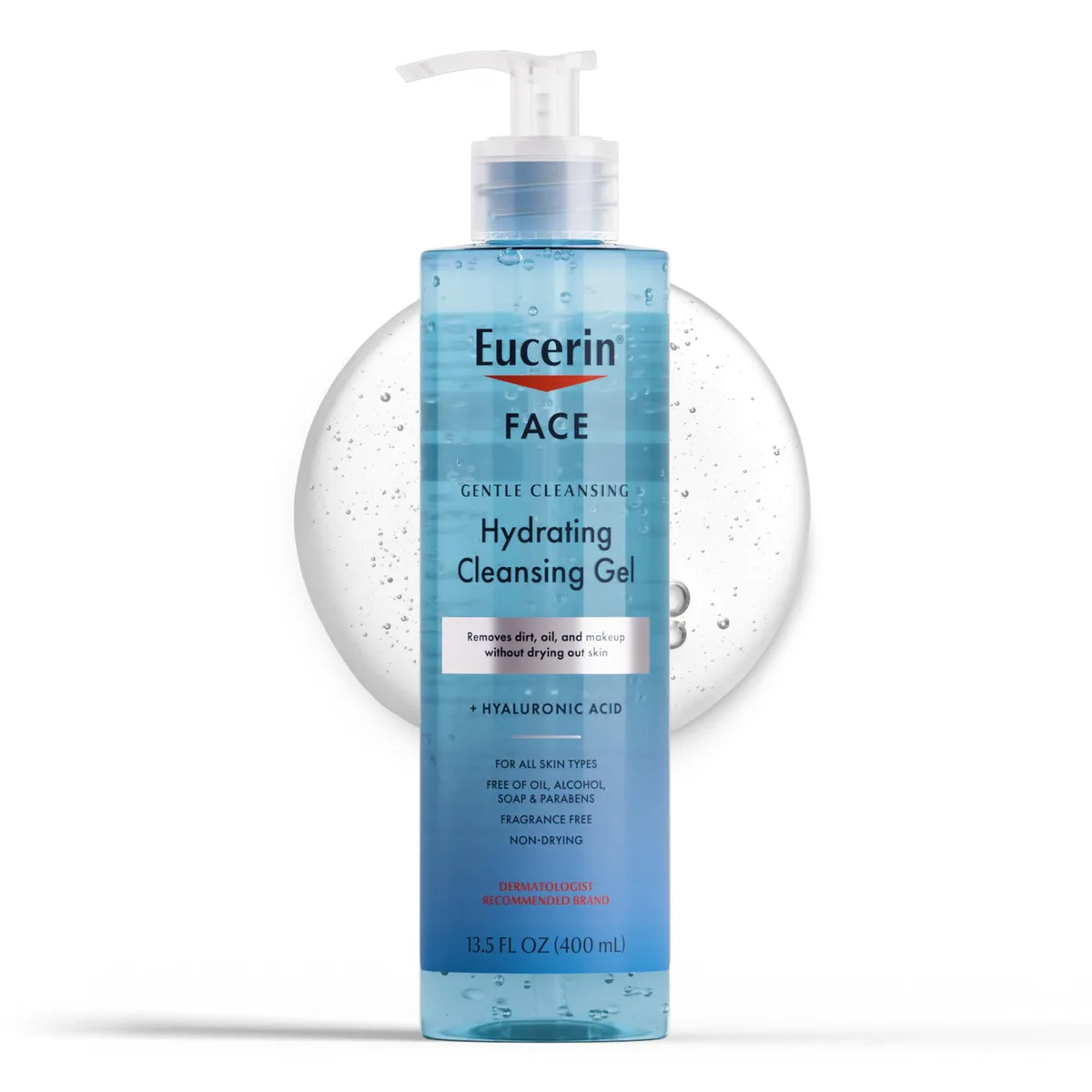
During your evening routine, focus on thorough removal of oil and sunscreen. Double cleansing is often highly effective for this. Apply an oil-based cleanser first to break down SPF and makeup, then follow with your water-based cleanser to deep-clean the pores.
- Step 1: Use an oil-based balm or micellar water to dissolve daily buildup.
- Step 2: Use your gentle, pH-balanced cleanser to finish the process.
- Step 3: Apply your treatment active, like azelaic acid or a prescribed retinoid.
- Step 4: Seal everything with a non-comedogenic moisturizer to support routine upkeep.
Consistency is the most important factor in your regimen. Your skin takes roughly 28 days to cycle through new cell growth, so you should expect to see trends emerge over a full month. Treat your skin with the same patience you would give the correct fluid level in an engine; small, regular maintenance prevents larger problems.
Crucial Mistakes That Trigger Flare-Ups
The most common error is relying on harsh physical scrubs to "exfoliate" the oil away. These scrubs often create microscopic tears in the skin, which lead to increased inflammation. Instead of clearing pores, you are creating a surface that is more susceptible to bacterial infection and scarring.
Another frequent mistake is skipping moisturizer because your skin feels oily. When you strip your skin of all hydration, your glands often overcompensate by producing even more oil. Think of it as a clogged intake; forcing the flow rarely leads to better performance.
Finally, do not underestimate the power of sun protection. Many common acne treatments increase your sensitivity to UV light. Without consistent SPF use, those dark post-acne marks will stick around much longer than they should.
If you need our favourite picks for sunscreens that don't trigger breakouts, look for zinc oxide-based formulas that feel weightless on the skin.
Balancing Topical Care with Internal Health
Your skin serves as a direct mirror of your metabolic environment. If your insulin levels remain chronically elevated, your skin will likely continue to produce excess sebum regardless of the topicals you apply. You can think of your skin care as the external filter, while your diet and lifestyle choices manage the source of the hormonal signal.
Focusing on blood sugar stabilization can drastically reduce the systemic inflammation that drives acne. Eating high-fiber foods and prioritizing protein helps prevent the sharp glucose spikes that trigger androgen surges. This is similar to ensuring the correct fluid level in an engine before heading out for a long trip.
Beyond diet, sleep quality and stress management play a huge role. Cortisol, the body’s stress hormone, can worsen hormonal imbalances over time. When you neglect rest, you may notice your skin becomes more reactive.
Incorporating simple stress-relief practices into your day is as essential as keeping it running smoothly during the busy season.
When to Seek Professional Dermatological Help
Sometimes a stubborn skin condition requires more than just over-the-counter adjustments. If you notice deep cysts, scarring, or a complete lack of progress after three months of a consistent regimen, it is time to visit a professional. A dermatologist can assess if your symptoms are purely hormonal or if they involve other factors like fungal overgrowth.
Prescription medications, such as spironolactone, can be effective for managing androgenic activity at the source. This is a common treatment for those who need more than just topical support. If you are struggling with a reliable machine that just isn't performing, the same logic applies here.
Don't waste time guessing when an expert can provide a targeted path forward.
Be prepared to share your full history, including your diet and current stress levels. Many professionals now take a holistic approach that bridges the gap between endocrinology and dermatology. Finding the right provider who understands the nuance of your specific condition can prevent the frustration of trial-and-error products.
FAQs: Common Questions About PCOS and Acne
Can I use essential oils to clear my skin?
Essential oils are generally discouraged for acne-prone skin. Many oils are highly fragrant and can cause significant contact dermatitis or further irritate an already compromised barrier. You are safer sticking to clinically tested ingredients like niacinamide or azelaic acid that provide clear benefits without the risk of sensitization.
Why does my jawline acne keep returning?
Jawline acne is often a hallmark sign of hormonal signaling involving androgens. Even with a perfect surface routine, your oil glands will continue to respond to internal hormonal shifts. This is why managing the underlying endocrine health is often just as important as the topicals you apply to your face.
Should I change my pillowcase every day?
Changing your pillowcase every few days can prevent the buildup of bacteria and hair products on your skin. If you are experiencing active breakouts, a fresh surface each night is a simple way to keep things clean. It acts as a form of routine upkeep that minimizes external irritants.
Will dietary changes fix my acne immediately?
Dietary changes usually take time to show results on the surface of your skin. Because skin cell turnover takes roughly one month, you should expect to wait at least four weeks to see changes. Consistency with your new habits is just as vital as checking for the correct fluid level in your vehicle.
Can I mix too many active ingredients?
Mixing too many potent ingredients at once often leads to an irritated, red, and flaky skin barrier. It is far more effective to choose one or two primary treatments and use them consistently. Adding more products to your shelf will likely lead to more confusion than actual improvement.