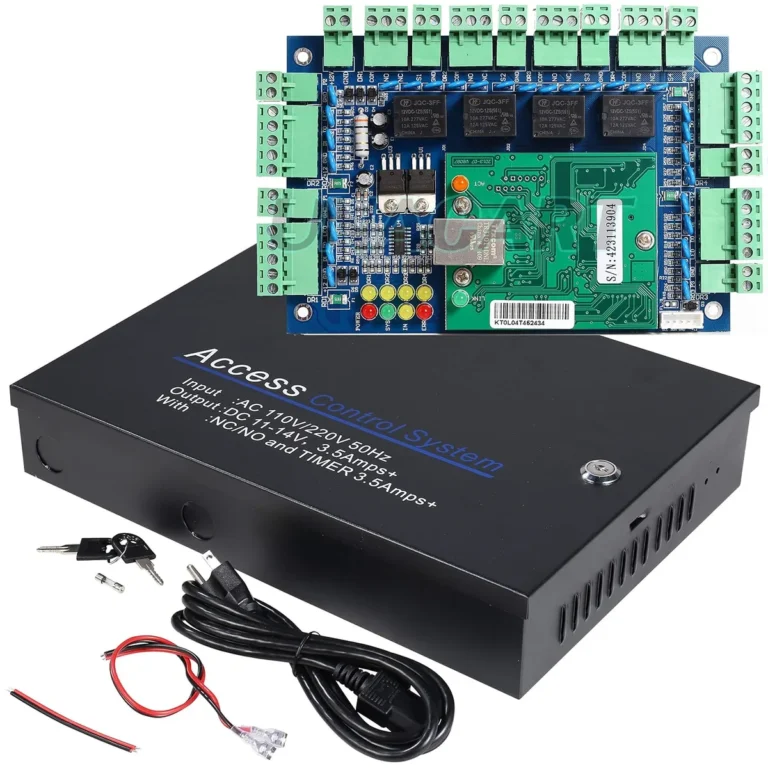
What Are the Benefits of a Home Security System
Thinking about a home security system is a big step toward making your home feel safer. It's about more than just an alarm; it's about layers of protection for your family and property. These systems offer tangible advantages that go beyond just preventing break-ins.
In our research, we found that professionally monitored systems often meet stringent requirements, such as those outlined by Underwriters Laboratories (UL) for their monitoring stations, ensuring a reliable response. This commitment to standards is a key reason why so many homeowners find them invaluable.
Quick Answer: More Than Just Alarms
Home security systems primarily deter criminals, provide rapid emergency response, and offer significant peace of mind. They enable remote monitoring of your property and can even lead to homeowner's insurance discounts. These systems act as a vigilant guardian, enhancing overall safety and property protection around the clock.
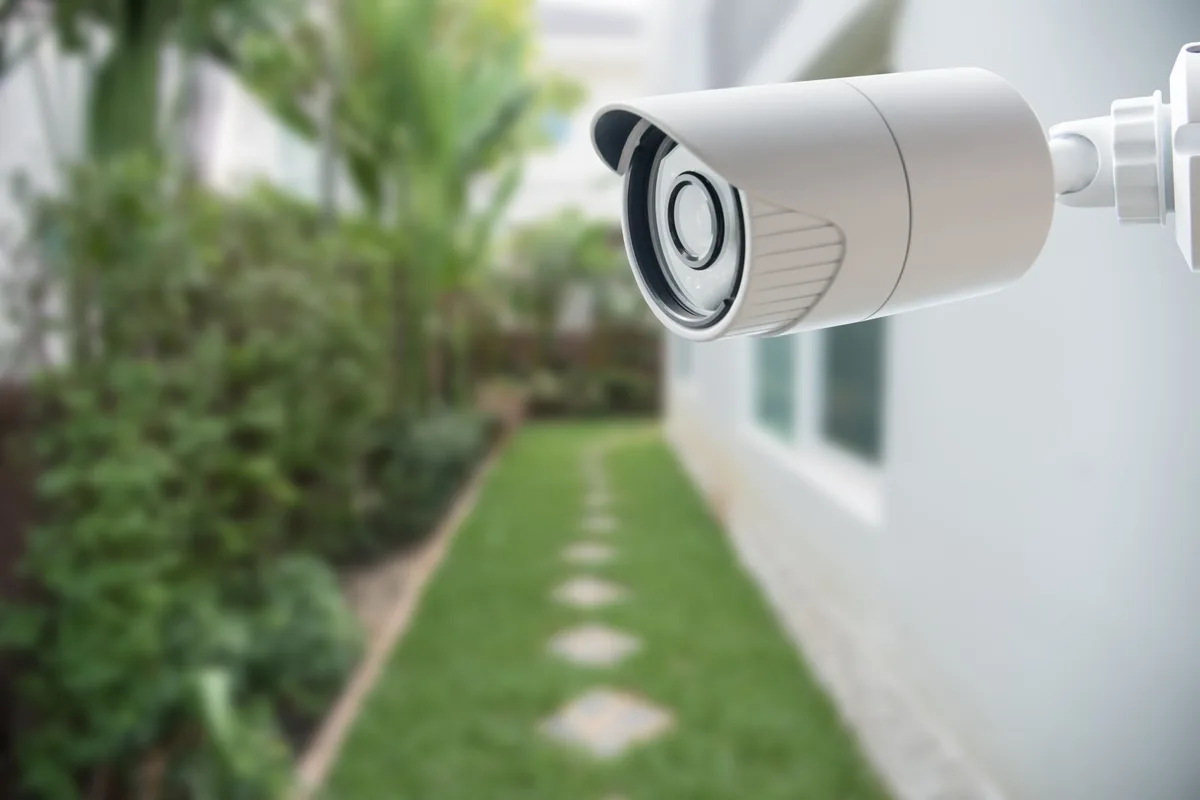
Image source: Web (Bing) / storables.com (Web image (fair-use with source credit))
Core Explanation: How Security Systems Actually Protect Your Home
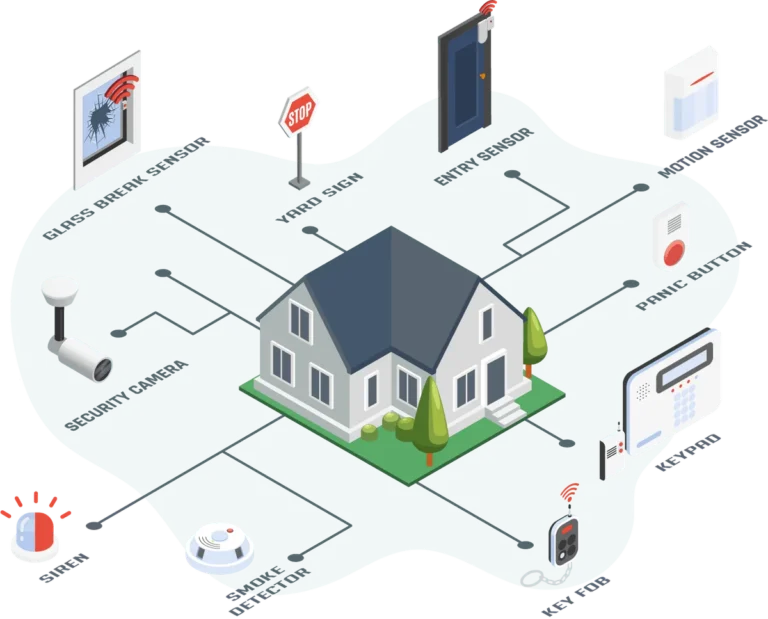
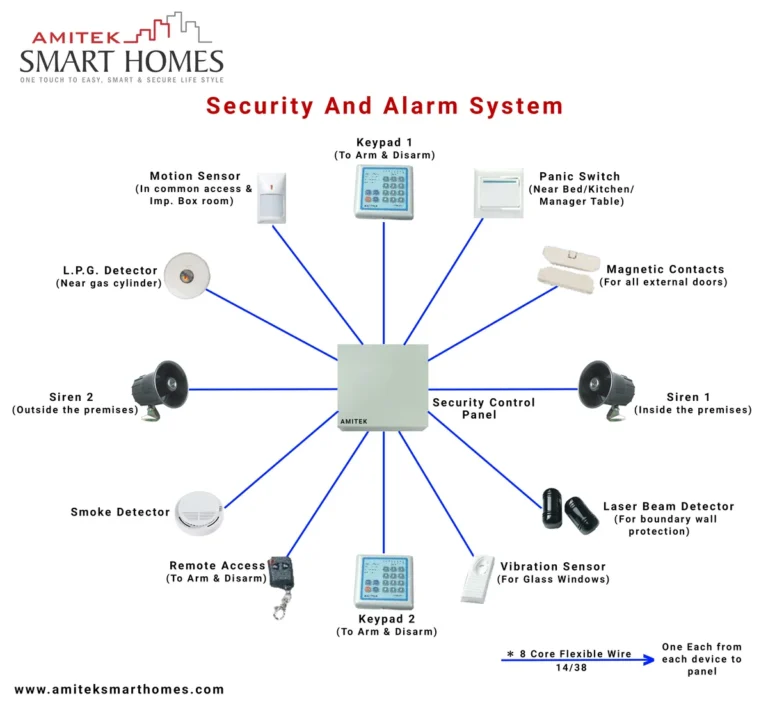
At its heart, a home security system is a network of devices designed to detect and alert you, or a monitoring service, about potential threats to your home. When a sensor is triggered, say, a door or window is opened unexpectedly, it sends a signal to a central control panel. This panel then initiates a pre-programmed response, which can range from sounding a loud siren to silently notifying a professional monitoring center.
This immediate action is the first line of defense.
These systems are built on the principle of layered security. Each component plays a role in detecting intrusions or environmental hazards, and together, they create a robust shield. The effectiveness often comes down to the quality of the components and how they are integrated, alongside the reliability of the monitoring service.
Key Components and Their Roles
Understanding the individual parts helps demystify how these systems work to protect you.
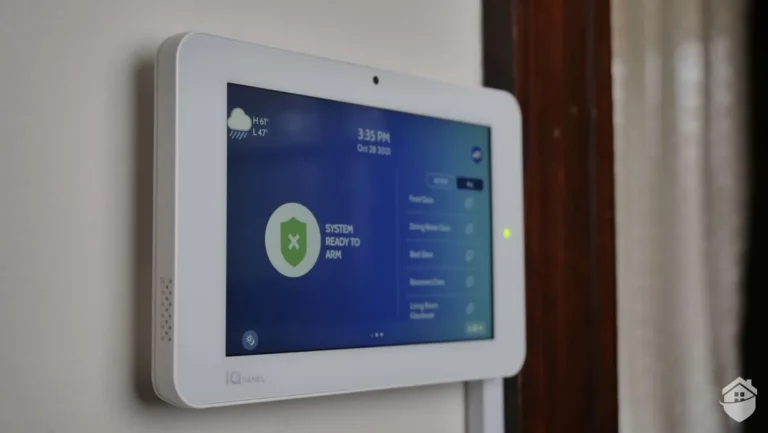
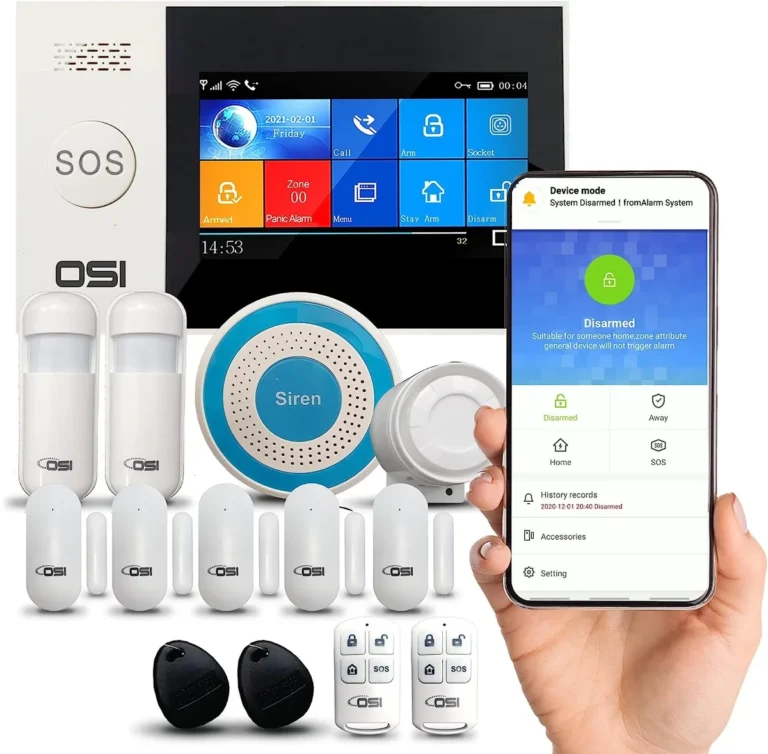
- Control Panel: This is the brain of the operation. It receives signals from sensors, communicates with the monitoring center, and allows you to arm or disarm the system.
- Sensors: These are the eyes and ears. Door and window sensors detect when an entry point is opened. Motion detectors cover larger areas, sensing movement within a room or zone.
- Security Cameras: Whether indoor or outdoor, cameras provide visual verification of events and can record footage. Many offer features like night vision and two-way audio.
- Siren: A loud siren is crucial for deterring intruders and alerting neighbors.
- Keypad/App: This is how you interact with the system, arming and disarming it, and receiving notifications. Modern systems heavily rely on mobile apps for remote control.
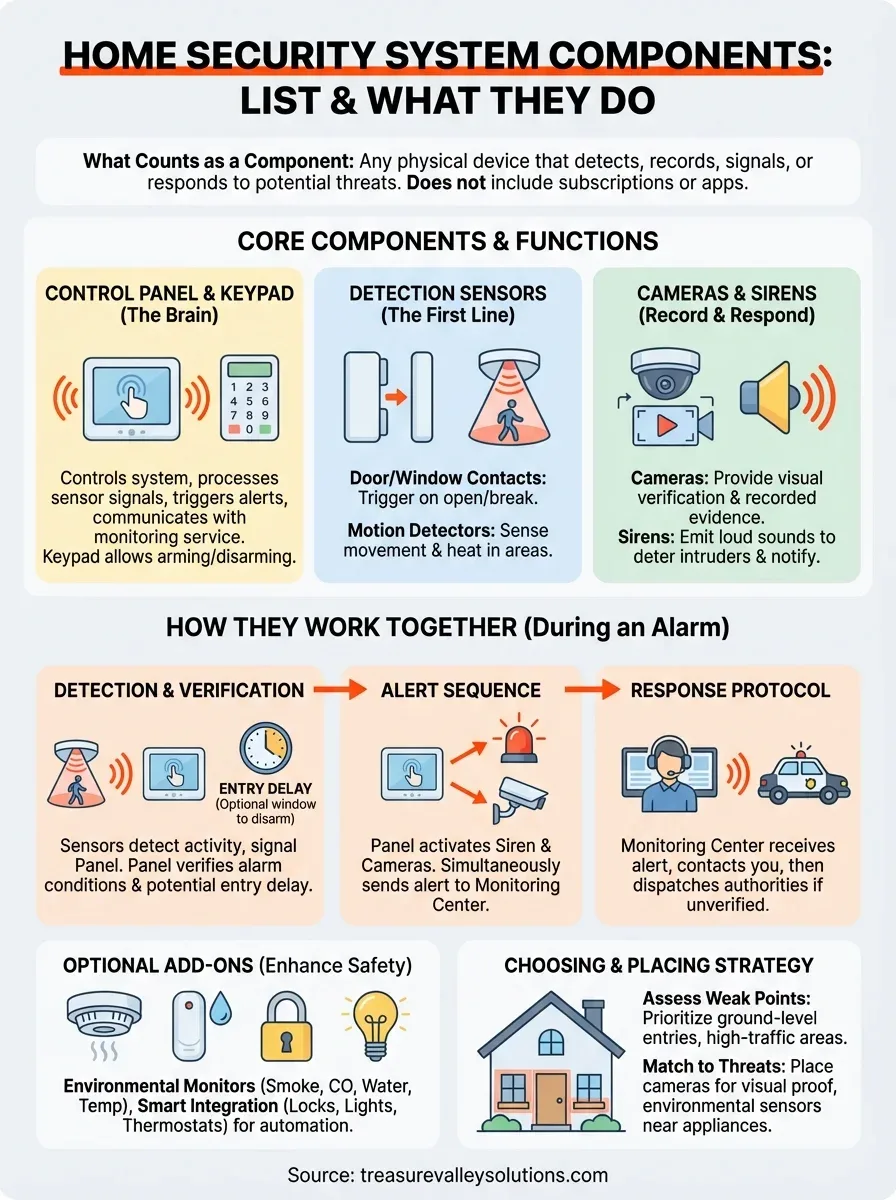
Image source: Web (Bing) / treasurevalleysolutions.com (Web image (fair-use with source credit))
The Essential Benefits: What You Gain
The advantages of installing a home security system extend far beyond simply having an alarm. They directly impact your sense of safety, your property's security, and even your finances.
- Crime Deterrence: This is the most immediate and perhaps most significant benefit. Visible signs of a security system, like stickers on windows or outdoor cameras, can be enough to make potential burglars seek easier targets. Research consistently shows that homes with security systems are less likely to be burglarized.
- Peace of Mind: Knowing your home is protected 24/7, whether you're sleeping soundly, at work, or on vacation, is invaluable. This constant reassurance can reduce stress and anxiety, allowing you to relax more in your own space.
- Remote Monitoring and Control: Modern smart security systems allow you to check on your home from anywhere via a smartphone app. You can view live camera feeds, arm or disarm the system, and receive real-time alerts, giving you control even when you're miles away.
- Property Protection: Beyond deterring thieves, systems can help prevent damage from other hazards. Integrated smoke detectors, carbon monoxide sensors, and even water leak detectors can alert you to dangers that could cause significant damage to your home.
- Homeowner's Insurance Discounts: Many insurance providers offer a discount on premiums for homes equipped with a security system. This reflects the reduced risk of theft or damage that these systems provide. Discounts can range from 5% to 20% or more, depending on the provider and system type.
Potential Risks and Common Pitfalls to Avoid
While the benefits are substantial, it's important to be aware of potential downsides and mistakes people often make when choosing or using a home security system. Being informed helps you mitigate these risks.
- False Alarms: These can be a nuisance and may even result in fines from local authorities if they become too frequent. They often occur due to improper installation, user error (like forgetting to disarm the system), or pets triggering motion detectors. Many municipalities have strict false alarm policies.
- High Monthly Costs: Professional monitoring services come with a recurring fee, which can add up over time. Some systems also have expensive equipment upfront costs. It's crucial to understand the long-term financial commitment.
- System Vulnerability: No system is entirely foolproof. Internet outages can disable smart features, and sophisticated intruders might attempt to bypass sensors. Battery backup and cellular communicators are essential to counter some of these vulnerabilities.
- Privacy Concerns: Security cameras, especially those with remote access, can raise privacy concerns for family members or guests if not managed carefully. It's important to set clear guidelines for camera usage and placement.
- Over-reliance: A security system is a tool, not a complete solution. It should be part of a broader security strategy that includes good habits like locking doors and windows, and being aware of your surroundings.
Quick Insight: More Than Just Alarms
Home security systems offer a powerful combination of crime deterrence, rapid emergency response capabilities, and invaluable peace of mind. They provide the ability to remotely monitor your property and can even reduce your homeowner's insurance costs. Essentially, these systems act as a constant, vigilant guardian, significantly boosting your home's overall safety and protection.
Real-World Scenarios: Who Needs a System and Why
The need for a home security system can vary greatly depending on individual circumstances, but certain situations and demographics benefit immensely. It’s not a one-size-fits-all solution, but rather a tool that can be tailored to specific needs.
Homeowners are typically the primary candidates, especially those living in areas with higher crime rates or those who travel frequently. For families with children, a system can provide reassurance that kids are safe when returning home from school or if they're home alone. Similarly, elderly individuals can benefit from the added security and the potential for immediate assistance in emergencies.
Consider these scenarios:
- The Frequent Traveler: If you're often away for work or pleasure, a security system with remote monitoring is almost essential. You can check in on your property, receive alerts if motion is detected, and have peace of mind knowing help can be dispatched if needed.
- The New Parent: For new parents, the ability to monitor nurseries or play areas remotely can be incredibly comforting. Plus, integrated smoke and CO detectors offer critical protection against household hazards.
- The Elderly Resident: A system can offer a sense of independence and security, with panic buttons or voice-activated commands for immediate help during medical emergencies. Professional monitoring ensures help is on the way even if the resident can't reach a phone.
- The Suburban Dweller: While often perceived as safer, suburban areas are not immune to crime. A visible security system acts as a deterrent, making your home a less attractive target.
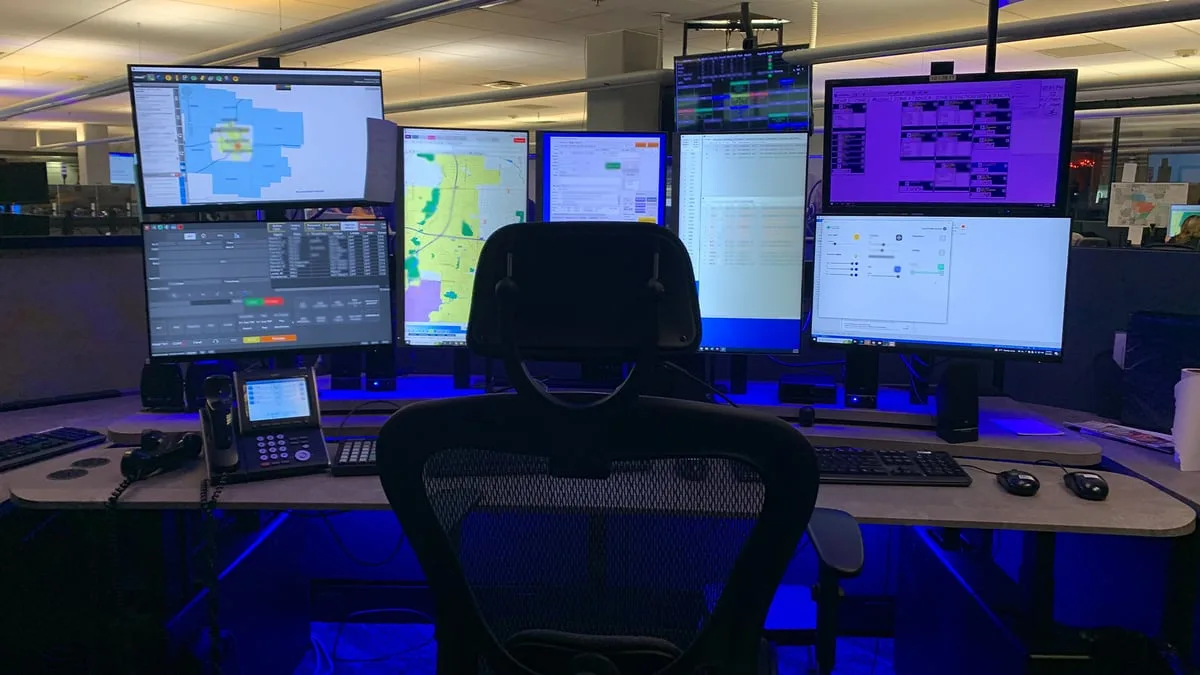
Image source: Web (Bing) / xybix.com (Web image (fair-use with source credit))
Expert Tips for Maximizing Your Security System's Value
Getting the most out of your home security system involves more than just installation. It requires understanding its capabilities and implementing best practices to ensure it functions effectively and reliably.
- Choose the Right System for Your Needs: Don't go for the most expensive or feature-packed system if you only need basic intrusion detection. Conversely, don't skimp if you require comprehensive monitoring for fire, medical emergencies, and video surveillance. Researching different providers and system types is key.
- Proper Placement of Sensors and Cameras: This is critical for effectiveness. Motion detectors should be placed in high-traffic areas, but positioned to avoid false alarms from pets or moving curtains. Door and window sensors should cover all accessible entry points. Cameras should have clear lines of sight to the areas you want to monitor.
- Regular System Testing: Manufacturer specifications often recommend testing your system monthly. This ensures all components are working correctly, sensors are communicating, and the monitoring center is receiving signals. Check the system's event log through the app or control panel to confirm successful communication.
- Utilize Mobile App Features: Take full advantage of the associated mobile app. Set up custom notifications, check event history, and practice arming/disarming remotely. This empowers you with constant oversight.
- Educate Household Members: Ensure everyone living in the home knows how to use the system, including arming, disarming, and what to do in case of an accidental alarm. Clear instructions can prevent costly false alarms and ensure everyone knows how to act in an emergency.
Costs, Pricing, and Data: What to Expect
Understanding the financial commitment is a key part of deciding if a home security system is right for you. Costs can vary widely based on the system's complexity, whether it's professionally installed or DIY, and the type of monitoring service you choose. Generally, you'll encounter two main types of expenses: upfront equipment costs and ongoing monthly fees.
Upfront costs can range from a few hundred dollars for basic DIY kits to several thousand for advanced professionally installed systems with numerous cameras and sensors. Manufacturer specifications often detail package contents, helping you compare value. For example, a simple starter kit with a control panel, two door/window sensors, and a motion detector might cost around $200-$400.
Monthly fees are typically for professional monitoring services and sometimes for cloud storage of video footage. These fees can range from $10 to $60 or more per month. Many companies offer tiered service plans, allowing you to choose features like cellular backup, video storage, or specialized emergency dispatch.
It's wise to check aggregated reviews for typical pricing structures from major providers as of 2026 to budget accurately.
Is Professional Installation Worth the Cost?
Deciding between professional installation and a DIY approach often depends on your technical comfort level and the system's complexity. Professional installation can cost anywhere from $100 to $500 or more, depending on the scope of work. However, it ensures that all components are correctly placed and configured for optimal performance, reducing the risk of false alarms or system malfunctions.
DIY systems, while requiring more effort from you, significantly cut down on upfront expenses. Many modern DIY systems are designed for user-friendly setup, often with app-guided instructions and wireless components that simplify placement. If you're comfortable following step-by-step guides, a DIY setup can save you a considerable amount of money without sacrificing core security benefits.
Understanding Monitoring Contracts
When you opt for professional monitoring, you'll typically enter into a contract, often ranging from one to three years. These contracts ensure the monitoring service is consistently available. It's essential to read the fine print regarding contract length, cancellation policies, and any early termination fees.
Some systems offer month-to-month monitoring without a long-term commitment, though these might have higher monthly rates. Always clarify what happens if you move or wish to upgrade your system before signing any agreement.
Safety, Legal, and Compliance Considerations
While home security systems enhance safety, understanding certain legal and compliance aspects is crucial. Local ordinances regarding alarm systems, especially false alarms, are common. Many municipalities have regulations in place to prevent nuisance alarms, which can result in fines if your system repeatedly triggers without a genuine emergency.
You should check your local city or county government website for specific ordinances related to alarm permits or false alarm fees. Some jurisdictions require you to obtain an alarm permit, which may involve a small annual fee. Compliance ensures you avoid penalties and that your system operates smoothly within your community's framework.
What Are False Alarm Fines?
False alarm fines are penalties imposed by local law enforcement or emergency services when an alarm system is triggered unnecessarily. These fines are designed to deter frequent false alarms, which strain emergency resources. The first few false alarms might be free, but subsequent incidents often incur escalating fees.
For example, a municipality might charge $50 for a second false alarm, $100 for a third, and $200 for each thereafter within a calendar year.
Privacy and Data Security
With the rise of smart home security systems, particularly those with cameras and remote access, privacy and data security are paramount. Manufacturer specifications should detail their data encryption protocols to protect your video feeds and personal information. It’s important to use strong, unique passwords for your system and associated apps, and to enable two-factor authentication whenever possible.
Regularly review privacy policies to understand how your data is collected, stored, and used.
Maintenance and Long-Term Optimization
A home security system isn't a set-it-and-forget-it device. Regular maintenance ensures its continued reliability and effectiveness. Think of it like maintaining a car; consistent care prevents breakdowns and keeps performance optimal.
The most basic maintenance task is regularly testing your system. As mentioned, many manufacturers recommend testing monthly. This involves arming the system and then triggering a sensor (like opening a door) to confirm the alarm sounds and the monitoring center is notified.
Check the system's event log through the app or control panel to confirm successful communication.
Keeping Batteries Fresh
Most wireless sensors and control panels rely on batteries. These batteries have a lifespan, typically between one and five years, depending on the device and usage. Your system's app or control panel will usually alert you when a battery is low, but it's wise to be proactive.
Keeping spare batteries on hand ensures you can replace them promptly when needed, preventing sensor failure.
Software and Firmware Updates
For smart security systems, keeping the software and firmware up-to-date is crucial. Manufacturers regularly release updates that can improve performance, add new features, and, most importantly, patch security vulnerabilities. Enable automatic updates if your system allows it, or regularly check the manufacturer's website or app for available updates.
These updates are vital for maintaining the security and functionality of your connected devices.
Frequently Asked Questions About Home Security Benefits
How do security systems deter burglars?
Security systems deter burglars primarily through visible deterrents like yard signs and window stickers, signaling that the home is protected. The presence of cameras and the knowledge that an alarm will sound can also make potential intruders reconsider targeting the property, as they prefer easy, unguarded targets.
Can a security system really help in a fire?
Yes, many modern home security systems include integrated smoke and carbon monoxide detectors. When these hazards are detected, the system can trigger an audible alarm and, more importantly, automatically alert a professional monitoring service, which can then dispatch the fire department much faster than if you had to call yourself.
What's the difference between self-monitored and professionally monitored systems?
Self-monitored systems send alerts directly to your smartphone, requiring you to contact emergency services yourself. Professionally monitored systems, however, are connected to a central station where trained staff receive alerts 24/7 and can dispatch police, fire, or medical responders on your behalf, offering a more reliable emergency response.
How much can I save on homeowner's insurance?
Savings vary by insurance provider and the type of security system you have, but discounts typically range from 5% to 20% of your annual premium. It's always best to check with your insurance company directly to see what discounts they offer for having a monitored security system.