What Is a Professionally Installed Security System
Choosing a security system can feel overwhelming, but understanding what a professionally installed setup truly offers can simplify your decision. It's about more than just buying gadgets; it's about investing in a comprehensive security plan designed specifically for your property by experts. This approach ensures reliability and optimal performance, giving you the peace of mind you deserve.
When you opt for professional installation, you're tapping into specialized knowledge that goes beyond a DIY manual. For instance, compliance with standards like UL 681 for burglary and robbery alarm systems often involves specific installation practices that ensure system integrity and reliable signaling. This expertise is key to building a robust defense against potential threats.
Quick Answer
A professionally installed security system is a comprehensive solution designed, installed, and often monitored by trained security experts. This process ensures optimal placement of devices, correct wiring, and seamless integration for maximum reliability and effectiveness. It goes beyond DIY kits by offering tailored assessments, expert setup, and ongoing support, significantly reducing the risk of errors and false alarms.
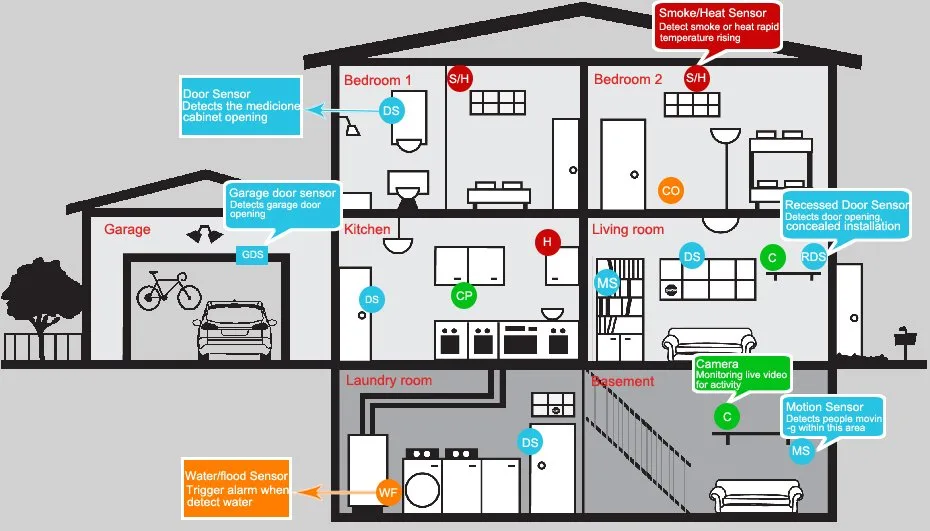
Image source: Web (Bing) / circuitdiagram.co (Web image (fair-use with source credit))
The Core of Professional Security: What You're Actually Getting
When you hear "professionally installed security system," it signifies a departure from simply buying components off the shelf and setting them up yourself. It means engaging a service where trained technicians handle the critical aspects of securing your home or business. This isn't just about bolting on a few sensors; it's a holistic process rooted in security best practices.
This type of service typically involves a deep dive into your specific needs, rather than a one-size-fits-all approach. Think of it as commissioning an architect for your home's safety, not just buying a pre-fab shed. The goal is a system that’s not only functional but also resilient and tailored to your unique property and lifestyle.
Custom Design and Expert Installation
This is where the real value of professional installation shines. A security technician will visit your property to conduct a thorough site assessment. They'll look at potential entry points like doors and windows, identify blind spots that cameras might miss, and consider environmental factors that could affect sensor performance.
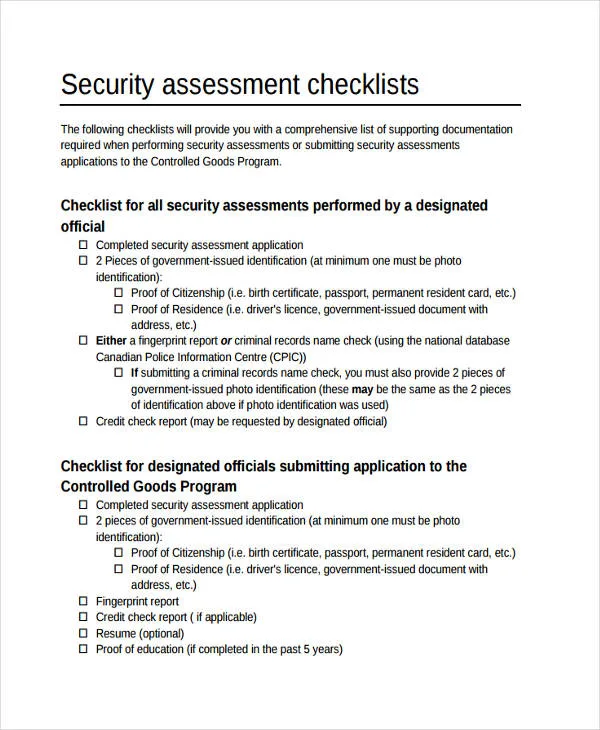
Image source: Bing (Web (fair-use with source credit))
Based on this assessment, they'll design a system specifically for you. This design dictates the exact type and number of sensors needed, the optimal placement for cameras to cover key areas, and how the control panel will be integrated. Manufacturer specifications for devices like motion detectors, for example, often detail optimal mounting heights and angles that a professional will adhere to, maximizing their effectiveness.
The installation itself is carried out by trained technicians who understand the nuances of wiring, mounting, and ensuring all components communicate reliably with the central hub. This expert execution minimizes the risk of installation errors that can plague DIY setups.
Integration and System Calibration
A professionally installed security system isn't just a collection of separate devices; it's a cohesive network where every component works in harmony. This means ensuring your door sensors trigger an alert when opened, your motion detectors sense movement accurately, and your cameras record relevant footage when an event occurs. Technicians are skilled in integrating these disparate parts into a single, functional unit.
Furthermore, calibration is a critical step that often gets overlooked by DIYers. Professionals will fine-tune settings on sensors, like the sensitivity of a motion detector or the range of a glass-break sensor, to match your specific environment. This reduces the likelihood of false alarms caused by pets, environmental changes, or even simple vibrations.
For instance, calibrating a motion detector correctly, according to manufacturer guidelines which often state optimal coverage patterns, helps ensure it only triggers for genuine intrusion events, not a cat walking by. This meticulous attention to detail ensures the system performs reliably when you need it most.
Key Features of a Professional Security Setup
When you opt for professional installation, you gain access to a carefully orchestrated set of features designed for robust security. It’s not just about the number of components, but how they are selected, positioned, and connected to create a seamless protective layer around your property. These systems are built with reliability and comprehensive coverage as primary objectives.
The underlying goal is to create a smart, responsive system that alerts you to potential issues efficiently and accurately. This involves understanding the interplay between different devices and ensuring they function optimally within your specific environment.
Essential Components: Sensors, Cameras, and Control
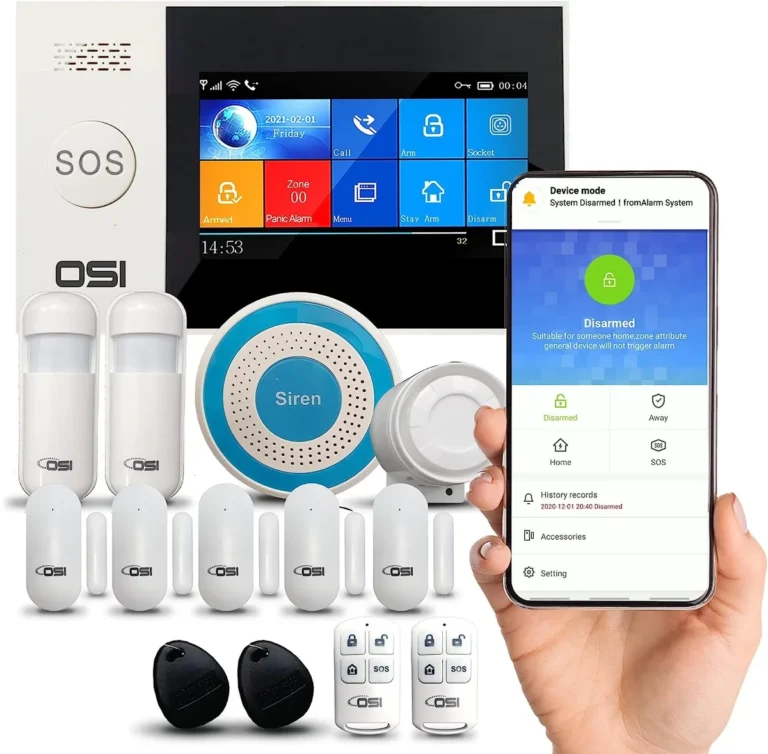
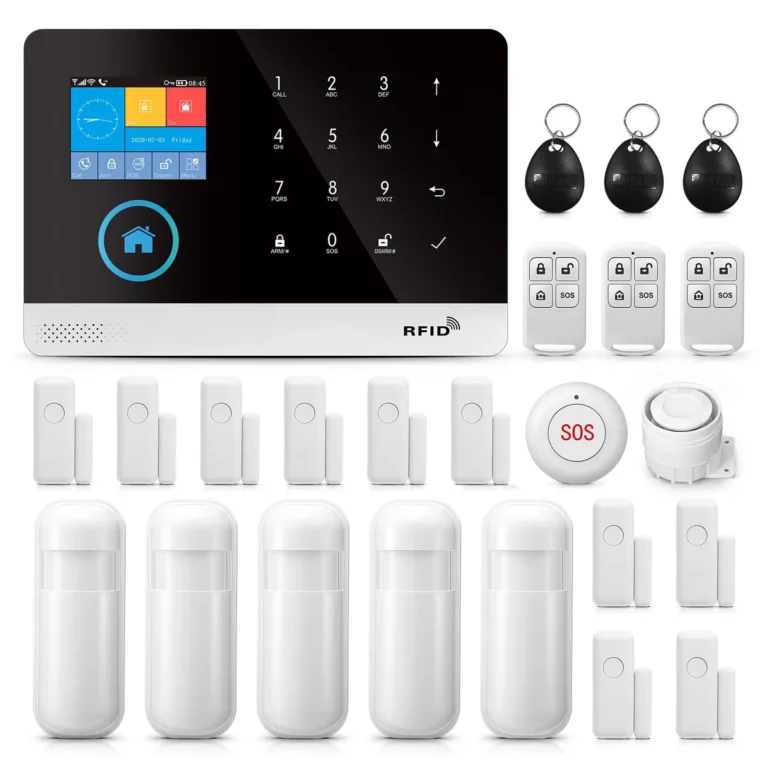
At the heart of any security system are its core components. In a professionally installed setup, these are chosen to best suit your property’s layout and your security needs. You’ll typically find a range of sensors, including:
- Door and Window Sensors: These magnetic contacts trigger an alert when a door or window is opened.
- Motion Detectors: Using passive infrared (PIR) or other technologies, these sensors detect movement within a designated area. Pet-immune models are common to reduce false alarms.
- Glass Break Sensors: These listen for the specific frequency of breaking glass.
- Environmental Sensors: Some systems include smoke, carbon monoxide, or flood detectors for added protection.
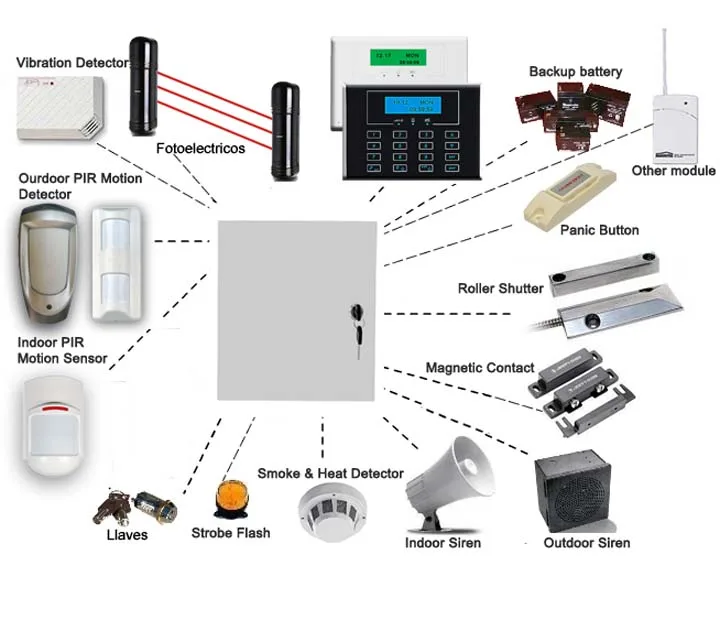
Image source: Bing (Web (fair-use with source credit))
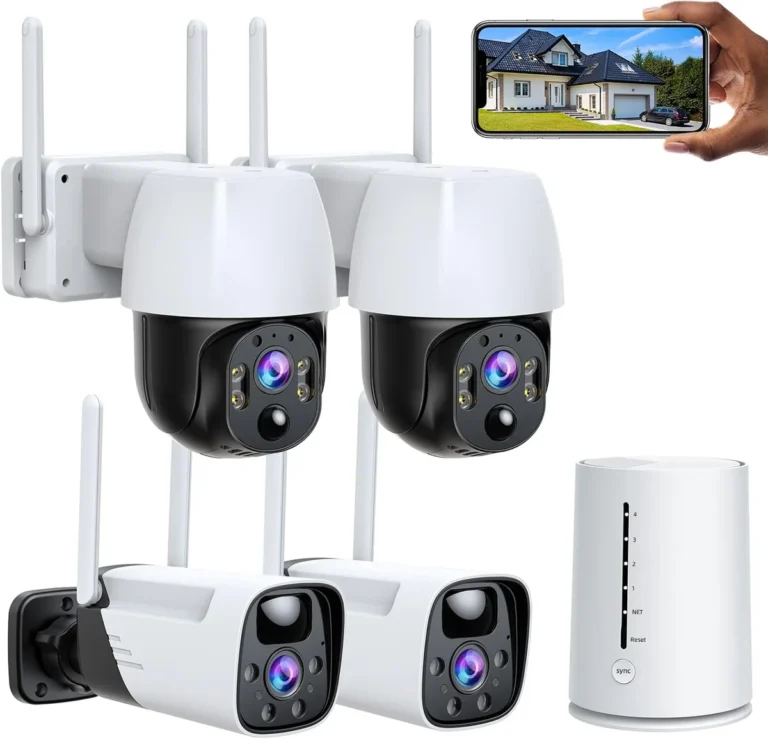
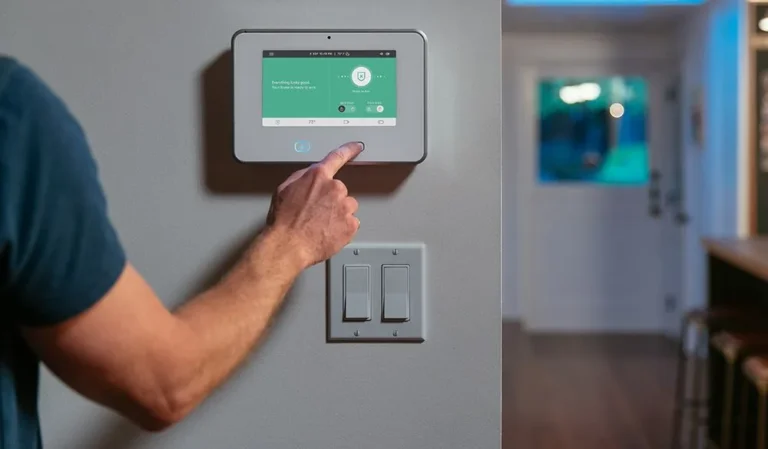
Cameras are also a vital part of many systems, offering visual verification. Professionals will advise on the best types (indoor, outdoor, dome, bullet) and their strategic placement for maximum surveillance coverage. The central control panel acts as the brain of the system, managing all incoming signals from sensors and communicating with you and any monitoring service.
Connectivity: Wired vs. Wireless
A key decision in any security system is how the components connect. Professionally installed systems can utilize either wired or wireless technology, or a hybrid approach, with pros guiding you on the best choice.
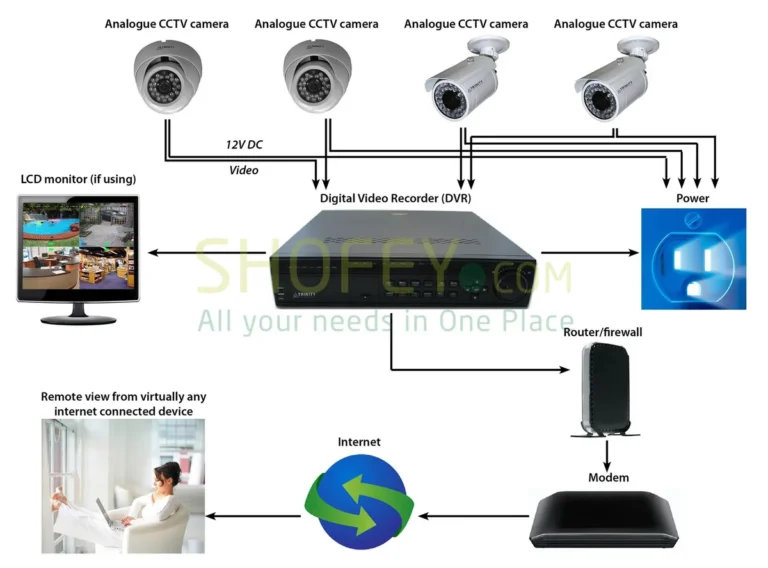
- Wired Systems: These typically offer the most reliable connection, as they are less susceptible to signal interference. Installation can be more involved, often requiring running cables through walls and ceilings, which is best handled by experts. They generally require a constant power source.
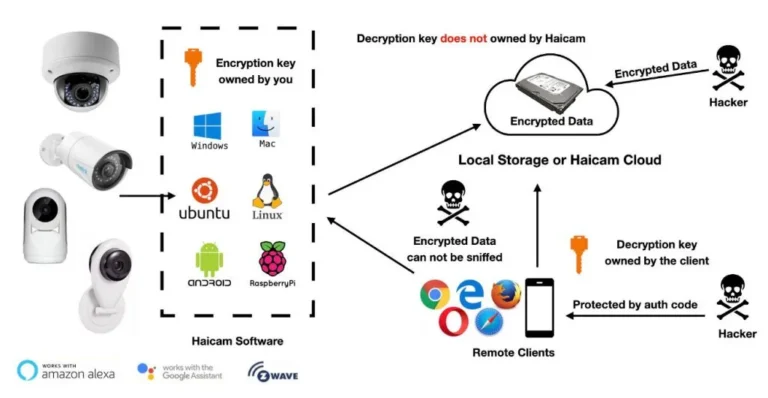
- Wireless Systems: These offer greater flexibility in placement and are often quicker to install. They communicate via radio frequencies. Modern wireless systems have made significant strides in reliability, and reputable providers ensure strong signal strength and encryption to prevent hacking. However, battery life for wireless sensors needs to be managed.
The choice between wired and wireless often depends on your property's structure, existing infrastructure, and your preference for installation complexity and aesthetic integration. A professional assessment helps determine which approach, or combination thereof, will provide the most secure and dependable solution for your home.
Why Professional Installation Matters for Your Safety
Opting for a professionally installed security system is more than a convenience; it's a strategic decision that directly impacts the effectiveness and reliability of your property's protection. While DIY systems can be functional, professional installation addresses critical vulnerabilities that can arise from incorrect setup. This focus on expert execution is paramount for genuine safety.
The difference often lies in the meticulous attention to detail and the specialized knowledge of trained technicians. They understand not just how to connect wires, but how to create a security network that is resilient, responsive, and precisely calibrated for your specific environment.
Reliability and Reduced False Alarms
One of the most significant advantages of professional installation is enhanced system reliability. Technicians ensure that all components are correctly wired, properly mounted, and communicating effectively. They calibrate sensors meticulously to your home's specific conditions, significantly reducing the chances of false alarms.
For instance, a motion detector's sensitivity might be adjusted to avoid triggering from a pet under 40 pounds, a common specification found in manufacturer guidelines.
False alarms can be more than just a nuisance; they can lead to fines from local authorities and can desensitize you to actual alerts. By ensuring each sensor and device functions precisely as intended, professionals minimize these unwanted disruptions, so when your alarm does sound, you can be confident it’s a genuine event requiring your attention. This level of precision is hard to achieve without specialized training and diagnostic tools.
Comprehensive Coverage and Tamper Resistance
A key role of a professional installer is to conduct a thorough site survey to identify all potential vulnerabilities. This includes not only obvious entry points like doors and windows but also less apparent weaknesses, such as areas obscured by landscaping or blind spots in camera views. They design the system to provide comprehensive coverage, ensuring that every critical zone is monitored.
Furthermore, professionals are trained to install equipment in ways that resist tampering. This might involve securely mounting cameras in less accessible locations, using tamper-proof enclosures, or routing wires discreetly and robustly. For example, a wired connection to a control panel might be run through a conduit or within a wall cavity, making it far more difficult for an intruder to cut or disable compared to a surface-mounted DIY solution.
This proactive approach to security design builds a stronger, more resilient defense for your property.
Real-World Benefits: What's In It For You?
Choosing a professionally installed security system translates into tangible advantages that go beyond just having alarms and cameras. It's about gaining a level of security, convenience, and ongoing assurance that's difficult to replicate with a do-it-yourself approach. These benefits are key reasons why many homeowners and businesses opt for this service.
The investment in professional installation often pays off through increased peace of mind, streamlined operation, and dependable support when you need it most. It's about creating a secure environment that allows you to focus on your life without constant worry.
Peace of Mind and Insurance Perks
The most significant benefit for many is the profound sense of peace of mind that comes with knowing your property is secured by a system designed and installed by experts. This assurance can be invaluable, especially if you travel frequently or have loved ones you want to protect. Knowing that your system is robust and reliable, reducing the likelihood of false alarms and increasing the chance of actual threat detection, allows for greater relaxation.
Additionally, many insurance providers offer discounts for homes equipped with professionally installed and monitored security systems. These discounts can range from 5% to 20% of your annual premium, as insurers recognize that such systems significantly reduce the risk of theft and property damage. It’s always a good idea to check with your insurance agent about potential savings available for your professionally installed system.
Long-Term Support and Warranties
A professionally installed security system typically comes with a strong warranty package covering both the equipment and the installation labor. This means that if any component malfunctions or if there's an issue with how it was installed, you have a clear point of contact and recourse. Manufacturer warranties for professionally installed systems often extend longer than those for DIY products, sometimes offering 2-3 years on hardware.
Beyond the initial warranty, many professional installation companies also offer ongoing support and maintenance plans. This can include remote troubleshooting, periodic system checks, and prompt service calls if issues arise. This continuity of care ensures your security system remains effective and up-to-date, providing long-term protection and value.
Potential Pitfalls and Common Installation Mistakes
While the allure of saving money with a DIY security system is strong, overlooking the complexities of professional installation can lead to significant problems. Errors made during setup can compromise the entire system's effectiveness, leaving your property more vulnerable than you might think. Being aware of these common pitfalls is crucial, whether you're considering DIY or evaluating a professional service.
These mistakes aren't just minor inconveniences; they can directly impact your safety and the system's reliability when you need it most. Understanding them helps you make informed decisions.
Overlooking Vulnerabilities
A frequent mistake, particularly with DIY systems, is failing to conduct a comprehensive site assessment. This involves overlooking less obvious entry points or creating blind spots where intruders can operate unseen. For example, a DIY installer might focus solely on ground-floor doors and windows, forgetting about accessible upper-level windows, basement access points, or even garage doors that might be connected to the living space.
A professional installer, however, uses checklists and experience to identify all potential weak spots, ensuring that sensors and cameras are placed strategically to cover every angle. This thoroughness is often mandated by professional installation standards.
Improper Equipment Placement
Even with the right components, incorrect placement can render them ineffective or prone to false alarms. A motion detector, for instance, needs to be mounted at a specific height and angle to cover its intended zone without being triggered by environmental factors like heating vents, direct sunlight, or passing vehicles. Manufacturer specifications for a typical PIR motion sensor often indicate an optimal coverage pattern that extends a certain distance and width when mounted around 7 to 8 feet high.
Similarly, cameras placed without considering glare from streetlights or the sun can produce unusable footage. Professionals are trained to understand these technical requirements and ensure each device is positioned for maximum performance and minimal false triggers.
Who Benefits Most from Professional Security Installation?
Deciding whether to go the professional route for your security system hinges on your specific needs, comfort level with technology, and desired outcome. While many DIY systems offer decent protection, certain situations and user types gain significantly more from expert installation. It's less about whether DIY can work, and more about when professional installation offers a clearly superior, more reliable, and less stressful solution.
Think about it like this: you could learn to perform basic car maintenance yourself, but for complex engine work or critical safety checks, you'd take it to a certified mechanic. Professional security installation falls into that same category of expert service for a critical need.
When DIY Isn't Enough
For many homeowners, a DIY system might seem like an easy and affordable option. However, if you're not particularly tech-savvy, or if your home has unique features, a DIY setup can quickly become a source of frustration. Incorrect wiring, connectivity issues, or a lack of understanding about sensor placement can all lead to a system that's either ineffective or constantly triggering false alarms.
For example, if you have a large property with multiple outbuildings, complex landscaping, or a non-standard home layout, a DIY kit might not offer the breadth of coverage you need. A professional installer will have the expertise to design a system that accounts for these complexities, ensuring all critical areas are monitored. Furthermore, if you simply prefer to avoid the hassle of configuration, troubleshooting, and ongoing maintenance, professional installation offers a hands-off solution that delivers peace of mind without the personal time investment.
Tailored Solutions for Complex Needs
Professionally installed systems shine when your security requirements extend beyond the basics. If you have valuable assets, a history of security incidents in your neighborhood, or specific concerns about certain types of threats, a custom-designed system is often necessary. Professionals can integrate advanced features like smart home automation, linking your security system with smart locks, lighting, and thermostats for enhanced control and energy efficiency.
They can also advise on compliance with local ordinances or insurance requirements, ensuring your system meets all necessary standards. For instance, UL 681 certification for alarm systems implies adherence to rigorous safety and performance benchmarks that a professional installer is trained to meet.
Frequently Asked Questions About Professional Security Systems
How long does setup typically take?
Setup time can vary greatly depending on the complexity of the system and the size of your property. A basic setup might take a few hours, while a comprehensive system with multiple cameras and sensors could take a full day or even longer. Professionals will provide an estimated timeframe during the initial consultation.
What is the average cost of professional installation?
Costs can range significantly, typically from a few hundred dollars for a basic system to several thousand for advanced, integrated setups. This usually covers the equipment and the labor for installation. Monthly monitoring fees, if chosen, are separate and vary by provider.
Do I need to be home during installation?
Yes, it's generally recommended that the homeowner or a designated adult be present during the installation process. This allows for consultation on sensor and camera placement, and for a final walkthrough and training session once the system is set up.
What happens if my system malfunctions after installation?
Most professional installations come with a labor warranty, and the equipment will have its own manufacturer warranty. You'll contact the installation company for any service issues, and they will diagnose the problem, repair it, or facilitate warranty claims.
Can I add components to a professionally installed system later?
Yes, in most cases. While it's best to plan for future needs during the initial design, components can often be added later. It's advisable to contact the original installer or a compatible service provider to ensure new devices integrate correctly with your existing system.
Making the Right Choice for Your Home Security
Deciding on the best security system for your home is a significant step toward protecting your property and loved ones. While DIY systems offer accessibility and lower upfront costs, the comprehensive expertise, tailored design, and reliable execution provided by professional installation often deliver superior security and peace of mind. Professionals assess your unique needs, strategically place components to maximize coverage and minimize vulnerabilities, and ensure every part of the system works together seamlessly.
From reducing the likelihood of false alarms through expert calibration to offering ongoing support and warranties, the advantages of professional installation are substantial. They provide a robust, resilient security solution that adapts to your property's specific characteristics and your lifestyle. Ultimately, if you're seeking a dependable, worry-free security setup designed for optimal performance and backed by expert service, choosing professional installation is likely the most effective path forward.