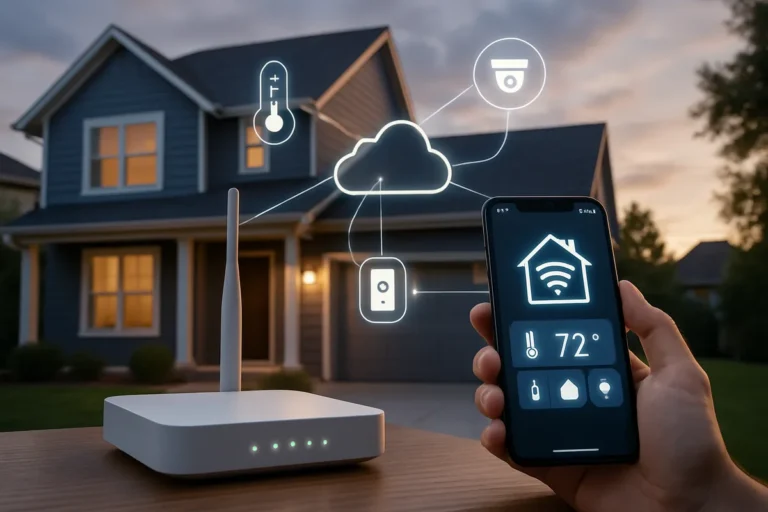
How to Change a Security Camera Password
Keeping your home or business secure often starts with vigilant surveillance, and your security cameras are a big part of that. But if you’ve ever wondered how to change a security camera password, you’re not alone. A weak or default password can leave your system vulnerable, making it crucial to update them regularly.
Our research indicates that many users overlook this simple yet vital security step. According to general cybersecurity best practices, passwords should be updated at least every 90 days, and default credentials pose a significant risk, potentially exposing your network to unauthorized access. Let’s dive into the specifics of securing your cameras.
Quick Answer: Changing Your Security Camera Password
Update your security camera password by accessing your camera's settings menu. This is usually done via a mobile app or a web browser connected to your network. Look for a "Security," "Account," or "Password" option to input your current credentials and set a new, strong password.
Why You Need to Change Your Camera Password (And Not Keep the Default)
That little sticker with a default username and password on your camera? It’s a ticking time bomb for your security. Manufacturers use these for initial setup, but leaving them in place is like leaving your front door unlocked with a sign saying "Help yourself." Anyone who knows the default credentials for your specific camera model can gain access.
Aggregate reviews report that default passwords are the first thing hackers try when targeting connected devices. For example, the National Institute of Standards and Technology (NIST) cybersecurity framework emphasizes the critical need to change default credentials immediately upon device setup to mitigate risks like unauthorized access and data breaches. This isn't just about keeping prying eyes out; it's about protecting your privacy and your network from potential compromise.
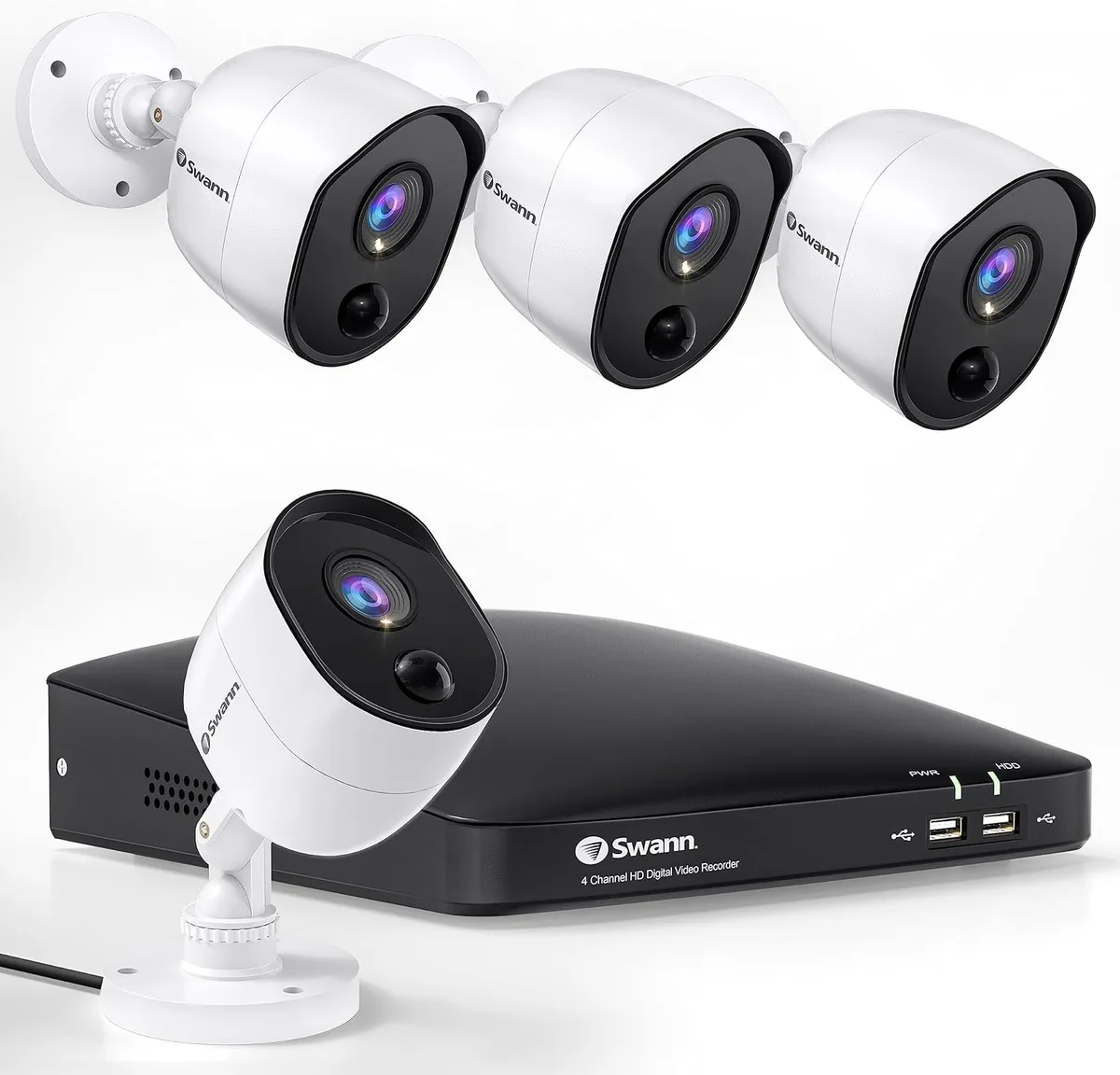
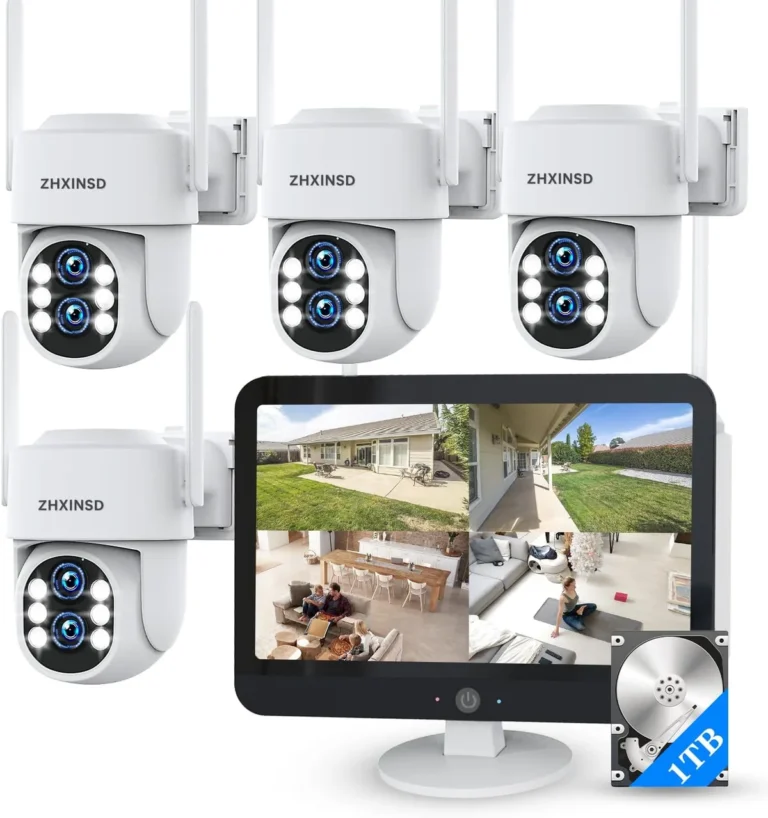
Image source: Web (Bing) / amazon.ca (Web image (fair-use with source credit))
Your Camera Setup: The Key to the Right Steps
The exact process for changing your security camera password really depends on how your camera is set up. There isn’t a one-size-fits-all button for every device. We've found that most setups fall into a few main categories, and understanding which one applies to you is the first step to getting this done right.
Standalone Wi-Fi Cameras & Mobile Apps
Many modern security cameras, especially those designed for home use, are standalone Wi-Fi units managed primarily through a smartphone app. You connect these cameras directly to your home Wi-Fi network, and then use the manufacturer's app to view feeds, adjust settings, and manage your account. The password change process is usually integrated right into this app.
These are often part of what is considered a DIY home security system.
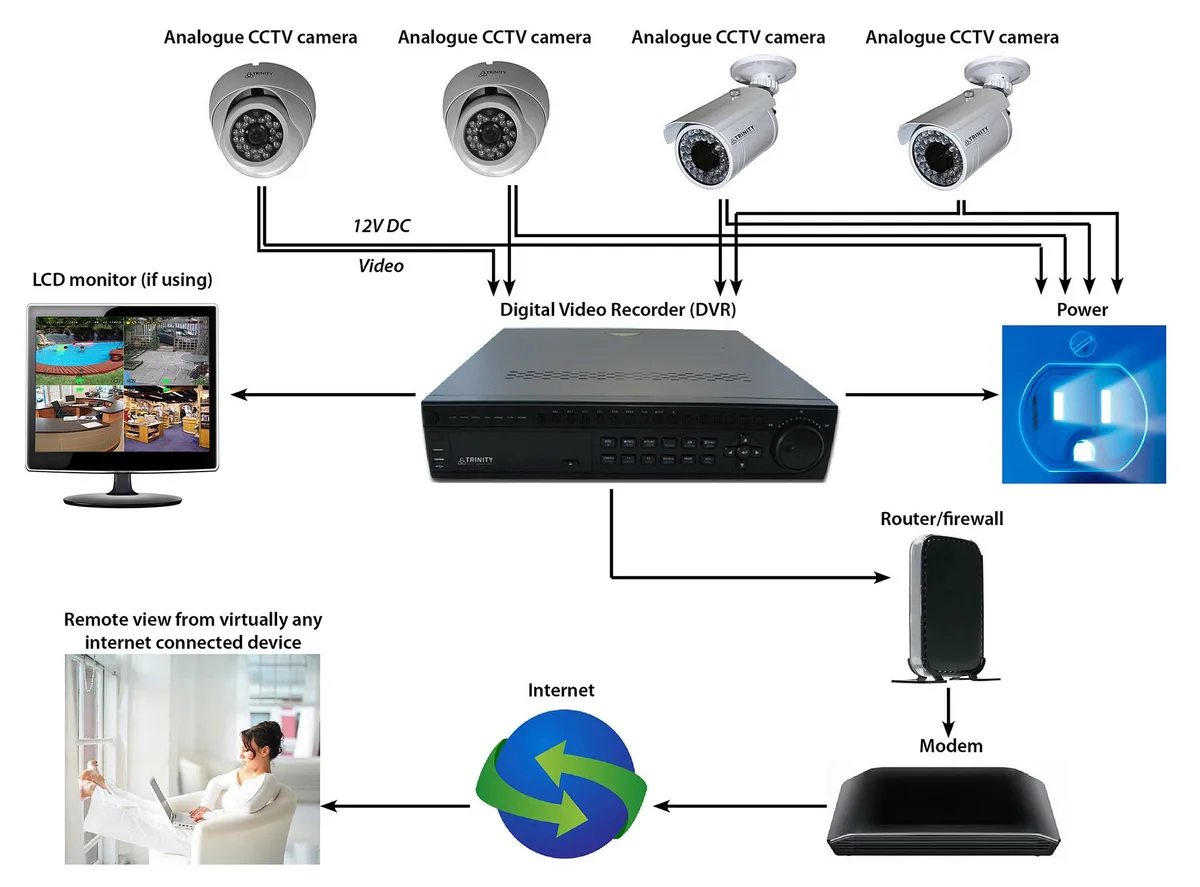
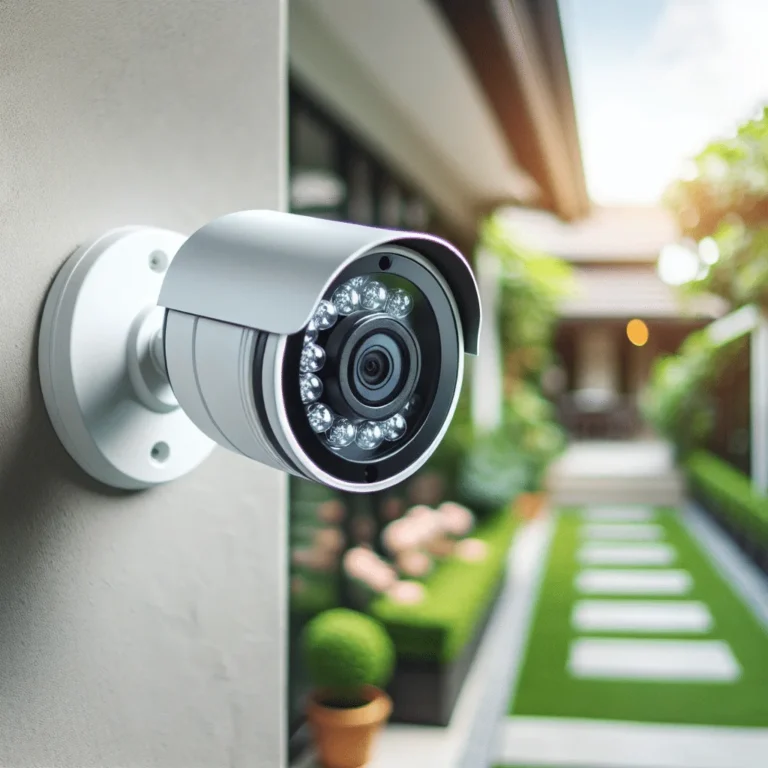
Image source: Web (Bing) / pinterest.com (Web image (fair-use with source credit))
Think of it like managing any other smart device in your home. You’ll open the app, navigate to the device’s settings, and there you’ll find the option to update your login information. It’s designed for ease of use, so even if you’re not super tech-savvy, you can usually manage it without too much trouble.
NVR/DVR Systems: Accessing the Recorder
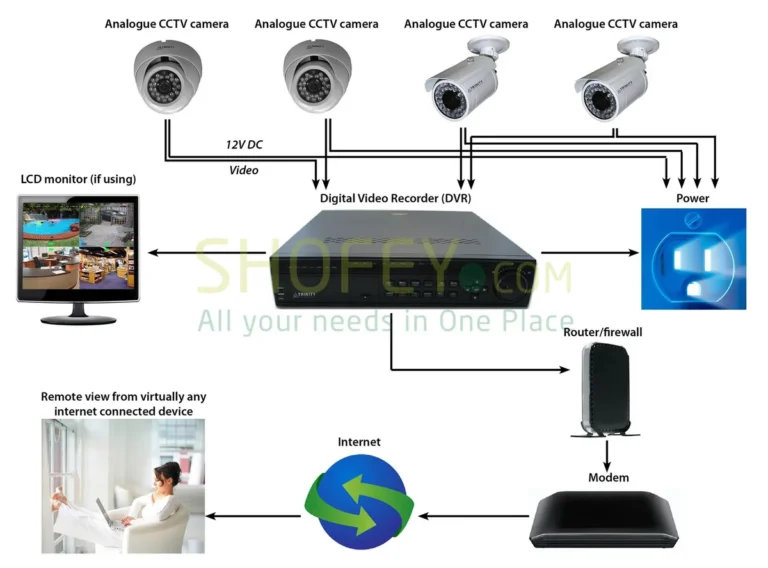
If you have a more robust security system, you might be using a Network Video Recorder (NVR) for IP cameras or a Digital Video Recorder (DVR) for analog cameras. These recorders store footage and manage your camera feeds. In this scenario, changing the password often involves accessing the recorder's interface directly, either through a connected monitor and mouse or via a web browser on your local network.
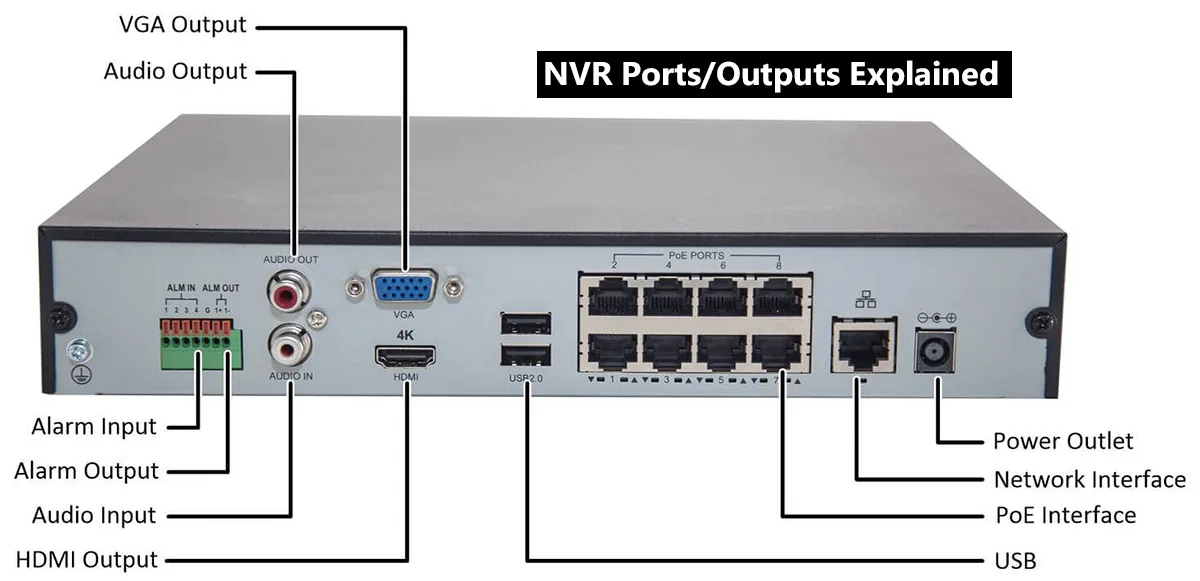
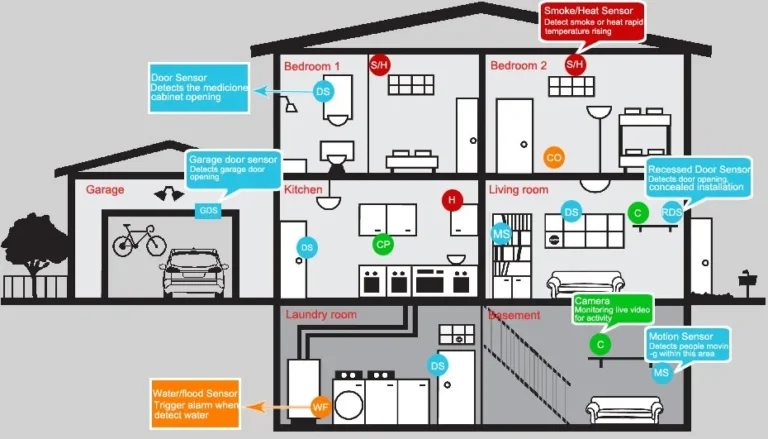
Image source: Web (Bing) / lepetitchamois.com (Web image (fair-use with source credit))
The NVR or DVR itself has an administrative password, and sometimes individual cameras connected to it also have their own passwords managed through the recorder. This is often part of a larger system, and understanding what does a home security system include can help clarify these components. The approach here is less about an app and more about a dedicated interface.
Manufacturer Account Logins
Many camera systems, whether standalone or part of a larger network, rely on a cloud-based account managed by the manufacturer. This account serves as the central hub for all your devices. When you change your password, you might be updating the password for this overarching manufacturer account, which then grants you access to all your connected cameras and recorders.
This is common for systems that offer remote viewing and cloud storage services. It's akin to logging into your Google or Apple account to manage your devices. Keeping this master account secure is paramount, as it effectively controls your entire surveillance network.
Some systems also offer professionally monitored services, which adds another layer of security considerations.
Step-by-Step: Changing Your Password (Depending on Your Setup)
Now that we know your setup is key, let's walk through the actual steps. Remember, these are general guidelines, and the exact labels or locations of options might vary slightly between brands.
For Mobile App Managed Cameras
If your camera is primarily managed through a smartphone app, this is usually the simplest route.
- Open the App: Launch the official app for your security camera brand on your smartphone or tablet.
- Log In: Enter your current username and password. If you’ve forgotten this, you’ll need to go through the app’s password recovery process first.
- Find Device Settings: Navigate to the list of your connected cameras. Tap on the specific camera you want to update or look for a general "Settings" or "Account" menu for the app itself.
- Locate Password Option: Within the camera’s settings, search for options like "Security," "Account Settings," "Change Password," or "Login Information."
- Enter Old and New Passwords: You'll typically be prompted to enter your current password for verification. Then, you’ll enter your new, strong password twice to confirm it.
- Save Changes: Tap "Save," "Apply," or "Confirm" to finalize the password change. You might be logged out of the app and need to log back in with your new credentials.
For NVR/DVR Systems
Changing passwords on an NVR or DVR usually involves a bit more direct interaction with the recording unit itself.
- Connect a Monitor: If you haven't already, connect a monitor to your NVR or DVR using an HDMI or VGA cable.
- Access the Recorder Interface: Power on the recorder and use a connected mouse to navigate its on-screen menu.
- Log In: Enter the administrator username and password for the recorder. This is often different from any individual camera passwords.
- Find System or Security Settings: Look for menu options labeled "System," "Settings," "Management," "User," or "Security."
- Navigate to User Management/Password: Within these settings, find options related to user accounts or password management. You may see a list of users or roles.
- Select Administrator/User and Change Password: Choose the administrator account or the specific user whose password you wish to change. You'll likely need to enter the current password first, then the new password and a confirmation.
- Save/Apply: Click "Save," "Apply," or "OK" to confirm the changes. You might need to reboot the NVR/DVR for the changes to fully take effect.
When You Can't Log In: Resetting or Recovery
Forgetting your password can be frustrating, but most systems offer a way back.
- App/Web Interface Recovery: Look for a "Forgot Password?" or "Password Reset" link on the login screen of the mobile app or web interface. This typically involves sending a reset link to the email address associated with your account.
- NVR/DVR Reset: Some recorders have a physical reset button, often a small pinhole on the back or bottom, that can be pressed with a paperclip. This usually reverts the recorder to its factory default settings, including the password. Be aware: this will likely erase all other settings and recorded footage, so use it as a last resort.
- Manufacturer Support: If all else fails, contact the camera manufacturer's customer support. They can guide you through specific recovery procedures for your model. This is especially important for professionally installed systems where access might be restricted.
Common Mistakes That Undo Your Security Efforts
While changing your password seems straightforward, people often make a few key mistakes that can still leave their systems vulnerable. Understanding these pitfalls can help you avoid them.
- Using Weak Passwords: This is the most critical error. Simply changing a password to another easily guessable one (like "123456" or "password") completely defeats the purpose. Manufacturer specifications often recommend passwords that are at least 12-15 characters long and include a mix of upper and lower case letters, numbers, and symbols. The NIST framework categorizes passwords like these as high-risk.
- Not Changing Camera-Specific Passwords: If you have an NVR/DVR system, remember that the cameras themselves might have individual passwords separate from the recorder's login. Always change these too. If you have multiple cameras, changing just one isn't enough.
- Ignoring Firmware Updates: Sometimes, password security vulnerabilities are patched through firmware updates. Not keeping your camera's firmware up-to-date can leave it exposed to known exploits, even with a strong password. You can check for firmware updates within your camera's app or the NVR/DVR interface.
- Sharing Your Login Information: Even with a strong password, sharing it with too many people or writing it down where it can be found negates its protective power. For household members, consider a password manager for secure sharing if needed.
Protecting Your System Long-Term
Securing your cameras isn't a one-time task; it's an ongoing process. Regularly reviewing your security settings and practices will ensure your system remains robust against evolving threats. Think of it like regular maintenance for your home, similar to how often a security system might need replacement.
Here are a few practices to keep your system secure over time:
- Schedule Regular Password Changes: Aim to change your passwords every 90 days, as recommended by many cybersecurity guidelines.
- Enable Two-Factor Authentication (2FA): If your camera system or app offers 2FA, enable it immediately. This adds an extra layer of security, requiring a second form of verification (like a code sent to your phone) in addition to your password.
- Review Connected Devices: Periodically check which devices are connected to your camera system or manufacturer account. Remove any devices you no longer recognize or use.
- Secure Your Wi-Fi Network: Your camera's security is only as strong as your home Wi-Fi network. Ensure your router has a strong, unique password and uses WPA3 encryption if available. This is a foundational step for what is a wireless home security system.
- Disable Unused Features: Turn off any features or remote access options you don't actively use. The less your system exposes itself, the lower the risk.
Frequently Asked Questions About Camera Passwords
Why is it important to change the default password on my security camera?
Keeping the default password leaves your camera vulnerable to unauthorized access. Hackers can easily find and use these default credentials to view your footage, potentially compromising your privacy and security. It’s a critical step in basic cybersecurity.
How often should I change my security camera password?
Industry best practices suggest changing passwords every 90 days. More importantly, change it immediately if you suspect any unauthorized access or if the manufacturer issues a security alert for your device model.
What makes a strong password for my security camera?
A strong password should be long (at least 12-15 characters), a mix of uppercase and lowercase letters, numbers, and symbols. Avoid using personal information or common words. Using a unique password for each device and service is also highly recommended.
Can I use the same password for all my security cameras?
It’s best practice to use a unique password for each individual camera and for your main system login (like your NVR/DVR or manufacturer account). If one password is compromised, it doesn't give attackers access to all your devices. A password manager can help you keep track of these complex credentials.
What should I do if I forget my security camera password?
Most systems offer a "Forgot Password" option on the login screen, usually linked to the email address registered with your account. If that fails, you may need to perform a factory reset on the camera or recorder, which will erase all settings and recorded data.