Body Shaming Prevention
Body shaming prevention involves proactive strategies to shield your mental well-being from unsolicited criticism regarding your appearance. It requires setting firm boundaries and cultivating a resilient mindset that detaches your self-worth from external commentary. As of 2026, research from the National Institutes of Health confirms that chronic exposure to weight stigma correlates with increased psychological distress and poor long-term health outcomes.
By implementing structured defensive habits, you can effectively neutralize these toxic interactions before they affect your sense of self.
Quick Answer
Body shaming prevention requires setting clear verbal boundaries with others. You must audit your digital environment to remove toxic social media content. Focus on body neutrality to prioritize your health over physical appearance.
Use exit strategies to remove yourself from harmful face-to-face interactions. Seek professional support if negative comments significantly impact your daily life.

Why We Must Address the Impact of Body Shaming
Body shaming creates a hostile environment that attacks your autonomy and self-esteem. When people make unwanted comments about your shape or size, they are attempting to exert control over how you view yourself. Our research indicates that persistent criticism leads to internalized stigma, which can severely damage your long-term mental health.
Ignoring the problem rarely makes it disappear. If you don't address the behavior, it often repeats because the aggressor assumes their input is welcome or valid. You need to shift from passive endurance to active self-advocacy.
This doesn't mean you have to start a fight. It means you must communicate that your body is not a topic for public debate.
The cost of inaction is your peace of mind. When you allow these comments to go unchecked, you give others power over your internal narrative. Protecting yourself is a form of self-respect.
It’s an essential part of how you maintain a home security system for your mind, keeping the internal environment safe from outside interference.
The Core Shift: Moving from Body Positivity to Body Neutrality
Body positivity demands that you love your appearance, which can feel impossible during difficult moments. If you are already struggling with body image, pressure to "love" your body adds another layer of guilt. Body neutrality offers a more sustainable path.
It teaches you to accept your body for its function rather than its aesthetic value.
Your body is a vessel that carries you through life. It allows you to breathe, move, and connect with people. When you view your body as a functional tool, you reduce the focus on how it looks to others.
This shift makes it easier to dismiss superficial comments because you know your true value isn't tied to your measurements.
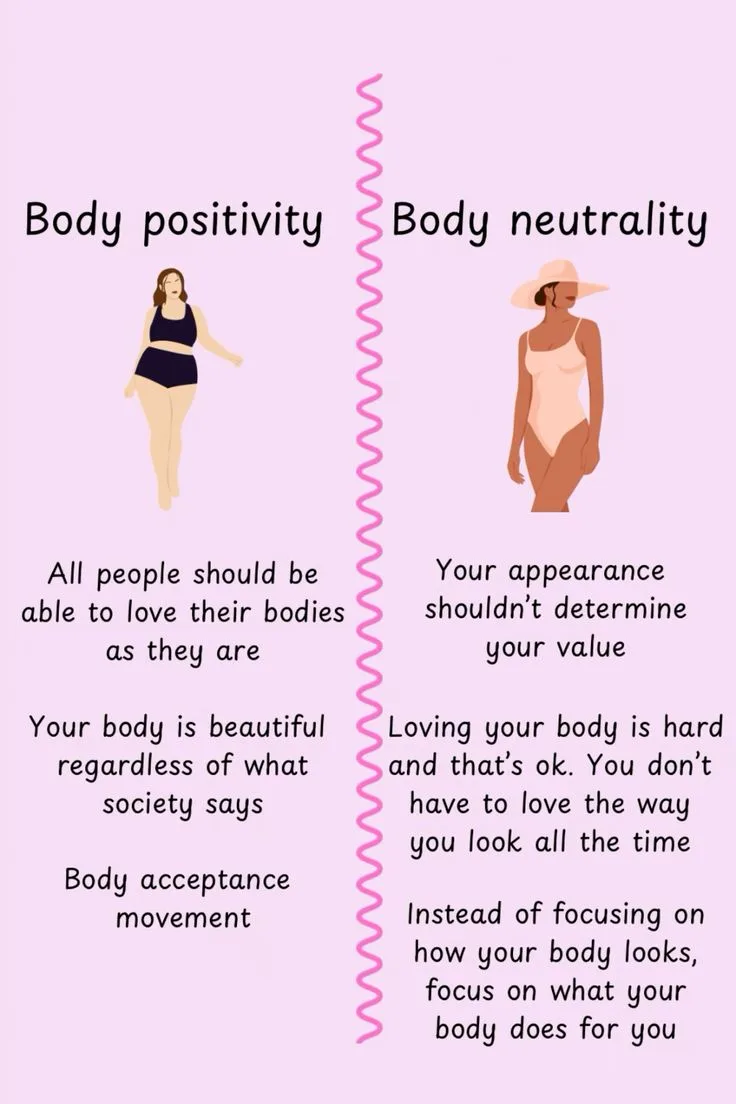
This approach is particularly helpful when you need routine upkeep of your mental state during social events. You don't need to be obsessed with how you look. You simply need to appreciate that your body is doing its job.
This mindset provides a stable foundation for the rest of your home security system habits.
How to Establish and Enforce Boundaries Against Unsolicited Comments
Setting a boundary requires clarity and consistency. You must decide in advance how you will respond when someone crosses the line. When a comment happens, don't wait for a clever retort.
Use a simple, direct statement to signal that the topic is closed.
Try using these phrases to cut the tension:
- "I'm not open to discussing my body right now."
- "Why would you think that is an appropriate comment to make?"
- "Please keep your opinions about my appearance to yourself."
If the person pushes back, you don't need to debate them. You can simply repeat your boundary or end the conversation. Think of this as protecting your footage from unauthorized access.
You wouldn't let a stranger view your private recordings, so don't let them intrude on your private feelings.
If they continue to badger you, remove yourself from the situation. You don't owe them a pleasant experience if they aren't treating you with respect. Physical distance is often the most effective tool in your kit for improving system reliability regarding your emotional safety.
Auditing Your Digital and Social Environments for Better Mental Health
Your digital space is an extension of your real-world environment. If your social media feed is full of accounts that promote unrealistic standards or toxic commentary, you are essentially inviting negativity into your home every time you unlock your phone. Perform a rigorous audit of your follows, blocks, and mutes to clear out the noise.

Look for content that promotes diverse body types and focuses on activities you enjoy. If a specific account makes you feel less worthy, unfollow it without hesitation. This process is just as vital as protecting cameras from hackers.
You are securing the digital perimeter so that only positive or neutral influences can get through.
| Action Item | Frequency | Why it Matters |
|---|---|---|
| Mute/Unfollow | Ongoing | Removes immediate triggers from your view. |
| Curate Feed | Monthly | Shifts the algorithm toward healthy content. |
| Restrict Comments | As Needed | Stops trolls before they start a conversation. |
This digital maintenance ensures your online experience supports your well-being rather than draining it. Just like configuring notifications for your actual home security, you want to be alerted to things that matter and filter out the static.
Common Mistakes and Traps to Avoid When Managing External Criticism
A frequent error is trying to explain or justify your body to the person shaming you. When you apologize or provide excuses, you signal that their opinion holds weight. You are essentially offering them a seat at your table.
Avoid the trap of "joking back," as this often signals that you don't take your own boundaries seriously.
Another mistake is believing you can change their mind through facts. Someone who makes derogatory comments about bodies isn't looking for a lecture on health or anatomy. They are looking to feel superior.
Engaging in a long-winded defense is like testing a home security system by telling the burglar exactly where the sensors are located. You aren't winning; you are giving them the information they need to keep bothering you.
Don't assume that because someone is family or a close friend, they have a right to your appearance. Familiarity does not grant them a pass to be cruel. If you hold them to the same standards as a stranger, you protect your peace of mind more effectively.
Consistent enforcement is the only way to ensure they eventually stop.
When to Seek Professional Support for Long-Term Resilience
Sometimes the weight of negative experiences becomes too heavy to carry alone. If you find that body-related stress is constantly interfering with your sleep, work, or social life, it is time to consult a licensed therapist. Professional support helps you unpack the root causes of internalized stigma and develops specific tools for your unique situation.
A therapist trained in body image or eating disorder recovery can offer a safe space to process painful memories. They help you build cognitive strategies to handle triggers that feel overwhelming on your own. This is similar to securing a smart home security system, where an expert helps you identify hidden vulnerabilities in your setup before a breach occurs.
You should consider professional guidance if you notice these signs:
- Persistent feelings of worthlessness linked to your body.
- Avoidance of social activities due to fear of judgment.
- Compulsive behaviors like restricted eating or excessive exercise.
- Distress that doesn't improve after setting boundaries.
You don't need to wait for a crisis to seek help. Think of therapy as regular maintenance, like checking if a security camera has been hacked, to ensure your mental software is running correctly. An expert provides an objective perspective that you simply cannot get from friends or family.
They can help you replace outdated self-talk with resilient, grounded habits.
Frequently Asked Questions
How can I stop internalizing negative comments?
Focus on the source of the comment and remind yourself that it is a reflection of the speaker, not you. Practice self-compassion by acknowledging the pain, then consciously shifting your attention to something your body does for you. Over time, this habit creates a mental filter that stops external noise from becoming part of your internal narrative.
What should I do if a family member keeps shaming me?
Establish a firm boundary during a neutral moment when no conflict is happening. Tell them clearly that you value the relationship but will no longer tolerate comments about your weight or appearance. If they continue to overstep, choose to leave the conversation or space immediately.
Consistency is the key to training others on how to treat you.
Is it possible to completely ignore body shaming?
While you cannot always stop people from being rude, you can control your reaction to them. You don't have to reach a state of total indifference to be successful. Instead, aim to reduce the time you spend thinking about their words.
Developing a solid, private sense of self-worth acts as a natural barrier that minimizes the sting of outside opinions.
When is it time to involve a professional?
Seek professional help when body image issues begin to dictate your daily choices or affect your mental health. If you are struggling with anxiety, depression, or disordered patterns, a licensed therapist provides the support you need. They help you configure notifications for your well-being so you recognize when you are sliding into harmful habits.
Can social media really affect my body image this much?
Yes, social media algorithms are often designed to keep you scrolling by showing idealized or filtered images that distort your sense of reality. Regularly auditing your follows to ensure they reflect reality and promote body neutrality is essential. Think of this as protecting security cameras from outside intrusion, ensuring that what you see online supports your peace rather than destroying it.