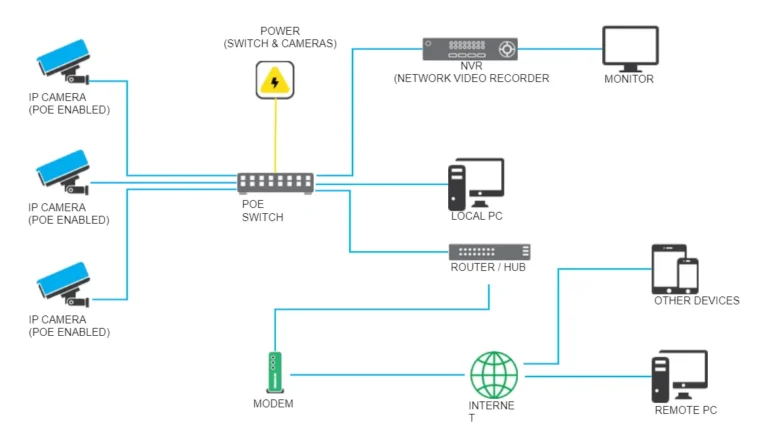
Can CCTV Cameras Detect People?
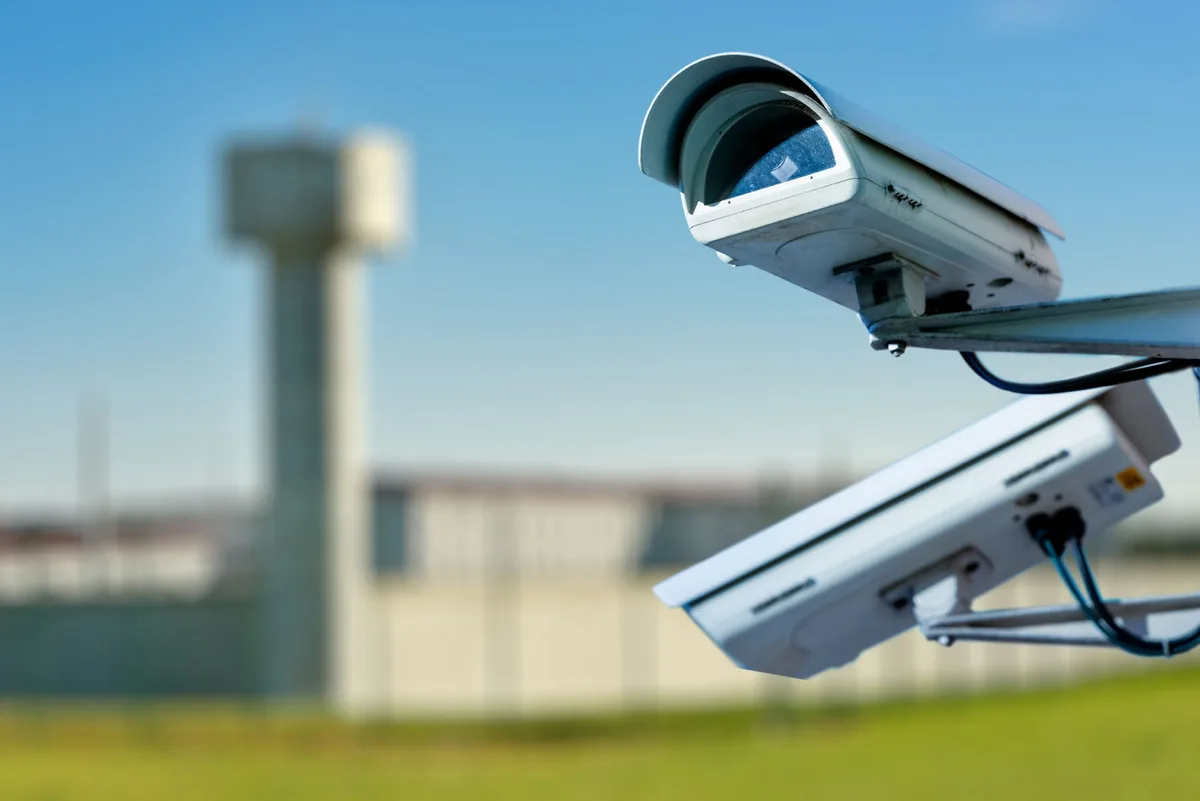
Image source: Web (Bing) / thejakartapost.com (Web image (fair-use with source credit))
Can CCTV Cameras Detect People? The Quick Answer
Modern CCTV cameras can indeed detect people, but their effectiveness varies significantly with the technology employed. It's not a simple binary function but rather a spectrum of capabilities. Advanced systems, particularly those integrating artificial intelligence, can differentiate people from other moving objects like pets or swaying branches. Many IP cameras now offer object recognition features, a considerable advancement over older, basic motion sensors. Manufacturer specifications frequently detail these analytic capabilities, with some high-end models supporting up to 128 simultaneous detection channels as of 2026.
Quick Answer
Yes, CCTV cameras can detect people using various technologies. Basic models rely on motion detection, while advanced cameras use AI analytics for smarter person identification. This capability is crucial for effective surveillance and security alerts.
How CCTV Cameras Actually "See" People
A CCTV camera's ability to detect a person is a result of hardware and sophisticated software working in tandem. The camera captures visual data, and a processing system interprets this data to identify human presence. The complexity of this interpretation ranges from simple pixel changes to intricate pattern recognition.
Basic Motion Detection vs. AI Analytics
Basic motion detection is the simplest method. It works by comparing sequential video frames; significant pixel changes trigger a motion alert or recording. This older technology is susceptible to environmental factors, often leading to false positives from wind, animals, or passing vehicles.
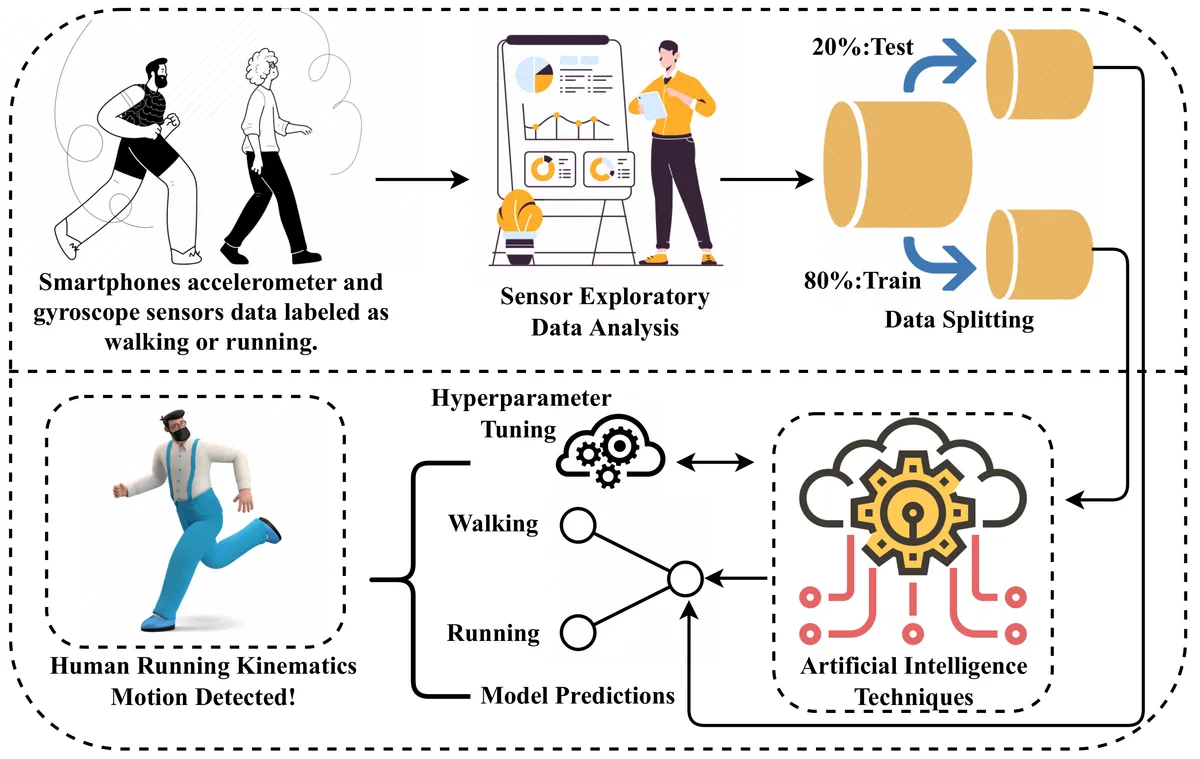
Image source: Bing (Web (fair-use with source credit))
This system is akin to a basic alarm triggered by any movement. Users frequently adjust sensitivity settings to mitigate the constant false alerts.
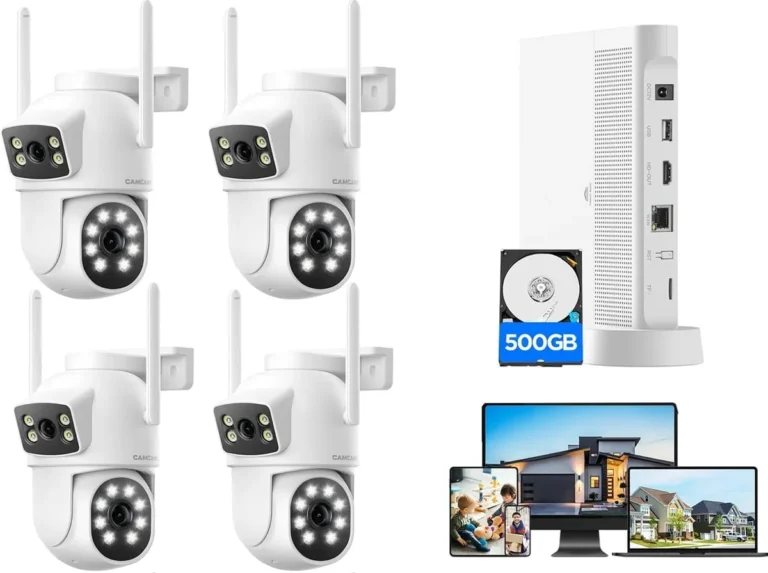
AI (Artificial Intelligence) analytics offer a more advanced approach. Machine learning algorithms, trained on vast datasets, enable these systems to recognize the characteristics of a person, not just detect movement. This allows them to distinguish between people, animals, falling leaves, or shadows.
AI-powered detection can identify human shapes, gaits, and movement patterns, resulting in far fewer false alarms. This makes surveillance systems considerably more efficient and reliable for genuine security concerns. For additional information on resolving detection issues, consult how to fix security camera motion detection.
The Role of Infrared and Thermal Imaging
CCTV cameras can also detect people using infrared (IR) and thermal imaging, especially in low-light or no-light conditions. These technologies offer alternative methods for cameras to perceive and identify individuals.
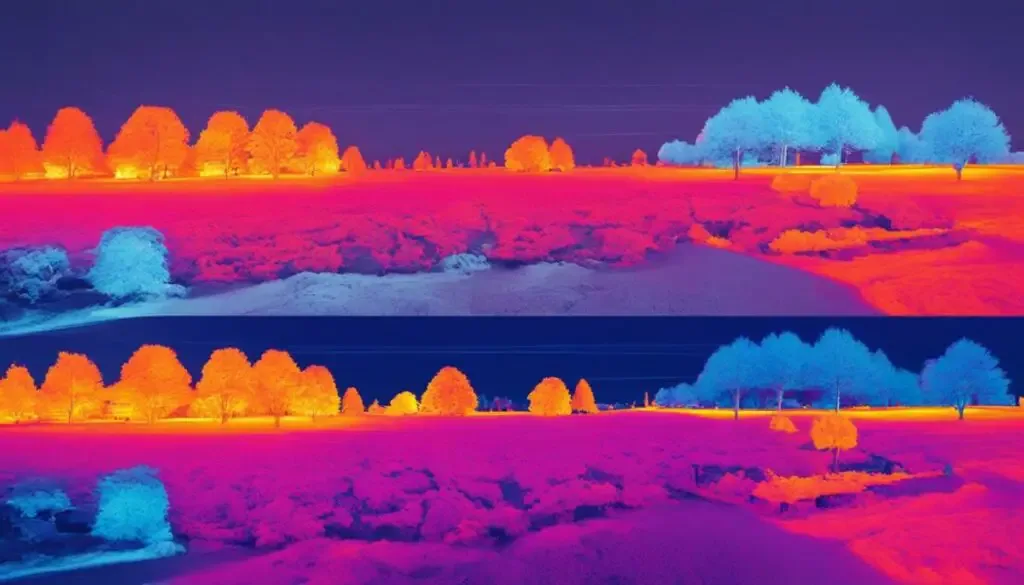
Image source: Bing (Web (fair-use with source credit))
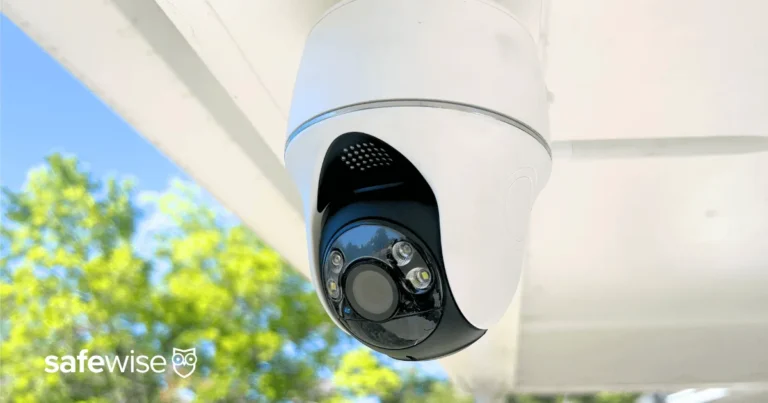
Infrared (IR) cameras enhance night vision by emitting invisible IR light and capturing its reflection. This enables cameras to function in complete darkness, making people visible as distinct shapes. This feature is standard on most modern security cameras for general low-light surveillance.
Thermal imaging cameras detect heat signatures emitted by living beings. They translate these heat signatures into an image, showing warmer objects prominently. This allows them to detect people even if they are hidden in darkness, smoke, or light foliage.
A key advantage of thermal cameras is their ability to see through obscurants like fog, dust, or light camouflage. However, they provide less detail than visible light cameras, limiting facial recognition capabilities. Manufacturer specifications for thermal cameras often detail detection ranges based on ambient temperature and target size, with some models capable of detecting human figures at ranges of several hundred meters.
Factors That Determine Detection Accuracy
Several factors influence how accurately CCTV systems can detect people. These conditions and settings are critical for a camera to function as a useful security tool.
Camera Quality and Technology
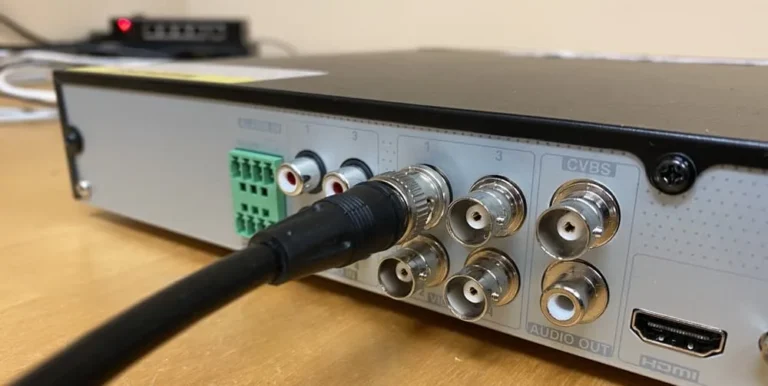
The camera's fundamental technology significantly impacts detection. A basic analog camera with lower resolution (e.g., 400-700 TV lines) inherently struggles with detail compared to a modern IP camera with resolutions of 1080p or 4K. Higher pixel density allows for finer details, essential for both basic motion detection and AI analytics.
The image sensor quality and lens aperture affect low-light performance. A camera with a better sensor and a wider aperture (lower f-number, e.g., f/1.6) captures more light, enhancing performance in dim conditions. Features like Wide Dynamic Range (WDR) help balance bright and dark areas within a scene, preventing silhouettes or blown-out highlights from obscuring individuals. The onboard processing power also affects the camera's ability to run complex AI analytics smoothly.
Environmental Conditions and Lighting
The installation environment greatly influences detection accuracy. Open, unobstructed areas are easier to monitor than cluttered spaces. Lighting conditions are paramount. While IR illuminators enhance night vision, their range is limited and can be affected by environmental factors. Heavy rain, fog, or snow can scatter IR light and degrade image quality, challenging both basic motion and AI systems. Shadows can also cause false triggers in less sophisticated systems. Thermal cameras are less affected by visible light but can be influenced by extreme ambient temperatures.
Camera Settings and Configuration
Even advanced camera technology can be ineffective if settings are incorrect. Sensitivity for motion detection must be balanced: too low might miss movements, while too high leads to false alerts. Many systems allow defining specific detection zones, focusing on critical areas and ignoring less important ones. For AI-powered cameras, configuration involves selecting object types to detect (people, vehicles, animals) and fine-tuning parameters for different scenarios. Poorly configured settings are a leading cause of unreliable detection. Checking for firmware updates is a smart first step, as manufacturers often improve analytics and fix bugs.
When CCTV Cameras Might Struggle to Detect People
While modern CCTV cameras are highly capable, they have limitations. Specific scenarios can prevent even sophisticated systems from accurately detecting individuals, setting realistic expectations.
Common Limitations and False Positives
Environmental interference is a frequent issue. Anything causing significant video feed changes can be misinterpreted, especially by basic motion detection systems. This includes:
- Weather: Heavy rain, snow, strong winds, and large birds can trigger false alarms.
- Lighting Changes: Rapid light shifts, such as headlights or sunset, can confuse sensors.
- Reflections and Shadows: Glinting surfaces, moving shadows, or reflections can be mistaken for movement.
Limitations also arise from the camera's physical capabilities and the nature of the event. Heavy disguises, camouflage, or slow, deliberate movements can make detection harder. AI systems trained to recognize human forms can still be challenged by extreme attempts to avoid detection. If a person is only partially visible or obscured, the camera might not register them as a distinct human presence. Older or lower-resolution cameras may lack the necessary detail to distinguish a person from background noise. You might find yourself troubleshooting if your camera is not detecting motion when it should.
Benefits of People Detection in CCTV Systems
The ability of CCTV cameras to detect people offers significant benefits for security and situational awareness, enhancing the value of surveillance systems.
Enhanced Security and Alerts
The primary benefit is enhanced security. Accurate people detection provides real-time alerts, notifying security personnel or property owners of unauthorized individuals in monitored areas or sensitive zones. This allows for swift responses to potential threats or intrusions, minimizing risk and damage. For example, a retail store can be alerted to after-hours entry, or a homeowner to late-night property activity. This immediate feedback loop is invaluable for deterring crime and ensuring faster responses. The ability to differentiate people from animals or environmental disturbances reduces false alarms, ensuring alerts are meaningful and actionable. This efficiency allows security personnel to focus on genuine events.
Who Benefits Most from People Detection?
The utility of people detection spans various applications, with certain user groups gaining the most from this technology.
Ideal Use Cases for Security Cameras
Homeowners benefit significantly from people detection for property security. It alerts them to unfamiliar individuals near their homes, providing peace of mind and deterring package theft or other intrusions. This is especially useful for monitoring entry points, yards, or driveways.
Businesses of all sizes find people detection invaluable. Retail stores use it for shoplifting prevention, detecting unauthorized after-hours entry, and tracking customer traffic flow. Offices can secure sensitive areas, monitor entry and exit points, and ensure employee safety. Industrial sites and warehouses deploy it for perimeter security and preventing unauthorized access to assets. For businesses operating 24/7, it flags unexpected human presence.
Public institutions like schools, hospitals, and government buildings use advanced people detection for enhanced security. They can monitor large crowds, detect unusual behavior, and secure sensitive zones. Filtering alerts for human activity helps manage security resources effectively in complex environments. For anyone concerned with security, reliable people detection by their CCTV is a core function.
Mistakes to Avoid When Setting Up Detection
Several common mistakes can significantly reduce the effectiveness of CCTV people detection or cause frustration.
A major mistake is over-reliance on basic motion detection without considering AI. Basic motion sensors often trigger false alarms from weather, animals, or shadows, leading to alert fatigue. Always check for advanced analytics, especially person detection, and prioritize those features.
Another common error is improper camera placement and angle. Cameras positioned too high, too low, or at awkward angles might capture only partial views, making it difficult for the system to register a complete human form. Placing a camera directly facing a bright light source or in an area with constant, unavoidable movement can overwhelm its detection capabilities. Ensure your camera has a clear, unobstructed view. For more on overcoming detection issues, consider how to fix security camera motion detection.
Lastly, neglecting to adjust sensitivity settings and detection zones is critical. Default settings are often not optimized for specific environments. Fine-tuning sensitivity balances detection accuracy with reducing false alarms. Defining specific detection zones, so the camera analyzes motion only in areas of interest, is also crucial. Skipping these steps means not leveraging the system's full potential.
In-Depth: How CCTV Cameras Detect People
Let's delve deeper into the mechanics of how CCTV cameras detect human presence. It's a blend of hardware, software, and sophisticated algorithms working together.
Basic Motion Detection vs. AI Analytics
Basic motion detection analyzes pixel differences between consecutive video frames. If a pre-set threshold of pixel change is crossed, the system registers motion and triggers an event like recording or an alert. This method is straightforward but prone to false positives from environmental factors like wind, lighting changes, or insects.
Image source: Bing (Web (fair-use with source credit))
AI analytics represent a significant evolution. Machine learning algorithms trained on massive datasets enable cameras to recognize patterns and features characteristic of humans, not just detect movement. They can differentiate between people, pets, vehicles, or natural phenomena, effectively filtering out false triggers for more accurate and actionable alerts. An AI-enabled camera can distinguish between a person entering a restricted area and a squirrel on the lawn. This precision is key for effective security. If you're experiencing motion detection issues, resources on how to fix security camera motion detection can be valuable.
The Role of Infrared and Thermal Imaging
Beyond visible light, CCTV cameras use infrared (IR) and thermal imaging to detect people, especially in challenging lighting. These technologies offer distinct advantages and operate on different principles.
Image source: Bing (Web (fair-use with source credit))
Infrared (IR) cameras enhance night vision by emitting invisible IR light and capturing its reflection, allowing vision in absolute darkness. This is a common feature in modern security cameras, providing visibility without external lighting. However, IR effectiveness is limited by illuminator range and can be hampered by fog or reflective surfaces.
Thermal imaging cameras detect heat signatures emitted by objects. Humans generate body heat, which thermal sensors pick up and translate into an image. This allows detection in complete darkness, through smoke, or light foliage where optical cameras would fail. Thermal imaging is exceptionally useful in environments with poor visibility, such as heavy fog or dust storms. While offering superior detection in challenging conditions, they generally provide less detail than optical cameras, making facial recognition difficult. Manufacturer specifications for thermal cameras often indicate detection range based on ambient temperature and target size.
Factors That Determine Detection Accuracy
The effectiveness of people detection isn't uniform. Several critical factors influence how accurately a system can identify human presence.
Camera Quality and Technology
The camera's quality and technology are foundational. Higher resolution cameras capture more detail, crucial for AI analytics recognizing subtle human features. Beyond resolution, sensor quality and lens aperture significantly impact low-light performance. A larger sensor and wider aperture (lower f-number, e.g., f/1.6) capture more light, improving dim-condition performance. Features like Wide Dynamic Range (WDR) balance extreme lighting differences. The camera's onboard processing power is also vital for running AI analytics smoothly.
Environmental Conditions and Lighting
The installation environment profoundly impacts detection accuracy. Open, unobstructed areas are easier to monitor than cluttered spaces. Lighting conditions are paramount. IR illumination effectiveness is limited by range and can be hampered by fog or heavy rain. Sudden light changes, such as car headlights, can confuse cameras. Shadows can be a problem for simpler motion detection systems. Thermal cameras are less dependent on visible light but can be affected by extreme temperatures.
Camera Settings and Configuration
Even advanced camera technology can be undermined by incorrect settings. For motion detection, sensitivity must be finely tuned; too low misses subtle movements, too high floods users with false alerts. Defining specific motion detection zones focuses monitoring on key areas. For AI analytics, configuration involves selecting appropriate detection rules and adjusting confidence thresholds. If a camera is set to detect only general motion, it won't be as effective as one configured for human detection. Regular firmware updates can improve analytic performance. If your camera is failing to detect motion, resources on why is my security camera not detecting motion can be beneficial.
When CCTV Cameras Might Struggle to Detect People
Modern CCTV cameras are highly effective but not infallible. Certain conditions and limitations can prevent even sophisticated systems from reliably detecting human presence.
Common Limitations and False Positives
A primary cause of unreliable detection is environmental interference. Anything creating significant changes in video feeds can be misconstrued, especially by less advanced systems. This includes:
- Weather Phenomena: Heavy rain, snow, strong winds, and large birds can trigger false motion alerts.
- Lighting Fluctuations: Sudden bright lights or rapid daylight changes can confuse sensors.
- Reflections and Shadows: Moving shadows or reflections can be misinterpreted as physical movement.
Limitations also arise from the camera's physical design and the event's nature. Heavy disguises, camouflage, or extremely slow movements can make detection harder. Even AI systems can be challenged by highly unusual appearances or stealthy movements. If a person is only partially visible or obscured for an extended duration, the system might not register them as a distinct human entity. Older or lower-resolution cameras may lack the detail needed to differentiate a person from background visual noise, leading to missed events.