What Is Two-Factor Authentication for Security Cameras
When you think about protecting your home or business, security cameras are a big piece of the puzzle. But what if someone could bypass your camera's login and watch your private feed? Understanding what is two-factor authentication for security cameras is crucial for keeping your sensitive footage safe.
It's not just about a strong password anymore; it’s about adding a vital second layer of defense.
This extra security step significantly reduces the risk of unauthorized access. For instance, many modern camera systems comply with security frameworks that recommend multi-factor authentication. As of 2026, implementing 2FA is increasingly becoming a standard expectation for connected devices.
Let's break down how this works and why it's so important for your peace of mind.
Quick Answer
Two-factor authentication for security cameras adds a second security check. It requires both your password and a code from your phone. This makes it much harder for unauthorized people to access your camera feeds.
This method protects your privacy and property by preventing common hacking techniques.
Core Explanation: What Is 2FA for Your Cameras?
At its heart, two-factor authentication, or 2FA, is a security process that requires users to provide two distinct verification factors to gain access to an account or system. For your security cameras, this means that even if someone manages to steal or guess your password, they still can't log in without also having access to your second factor. Think of it like having to use two different keys to open a very secure door.
This is a significant upgrade from just using a single password, which is known as single-factor authentication. The reason 2FA is so effective is that it combines different types of credentials, making it incredibly difficult for even sophisticated attackers to compromise your account. It's a widely recommended practice for securing any online account, and it's especially critical for devices that monitor your personal spaces.
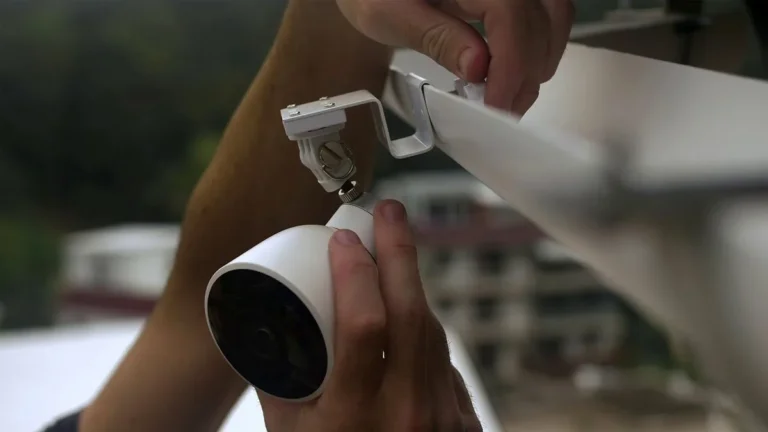
Image source: Web (Bing) / mumble.nationalgeographic.com (Web image (fair-use with source credit))
How 2FA Protects Your Camera Footage and Privacy
Your security camera footage is private. It captures moments within your home, business, or property, and you have a right to keep that information confidential. Without proper security measures, this data could be vulnerable to breaches.
This is where 2FA steps in as a powerful protector.
When you enable 2FA, you're essentially building a much stronger fortress around your camera's account. If a hacker obtains your password through a data breach on another website, or by using brute-force guessing, they're still blocked by the second layer of authentication. They would need to physically possess your phone or have access to your authenticator app to generate the required code.
This dramatically reduces the risk of your feeds being viewed by unauthorized individuals, preventing potential privacy violations, stalking, or even the misuse of recorded video.
The Two "Keys": Understanding Authentication Factors
To truly grasp how 2FA works, it helps to understand the "factors" it uses. These are generally categorized into three types, and 2FA requires you to use two of them from different categories:
- Something You Know: This is information that only you should know. The most common example is your password or a PIN.
- Something You Have: This refers to a physical item in your possession. For most security camera 2FA setups, this is your smartphone, which can receive a text message (SMS) code or run an authenticator app. It could also be a dedicated hardware security key.
- Something You Are: This involves unique biological traits. Examples include your fingerprint, facial features, or retinal scan. While increasingly common in personal devices, this is less frequently used for basic security camera logins.
When you set up 2FA for your cameras, you'll typically choose a combination of "something you know" (your password) and "something you have" (your phone).
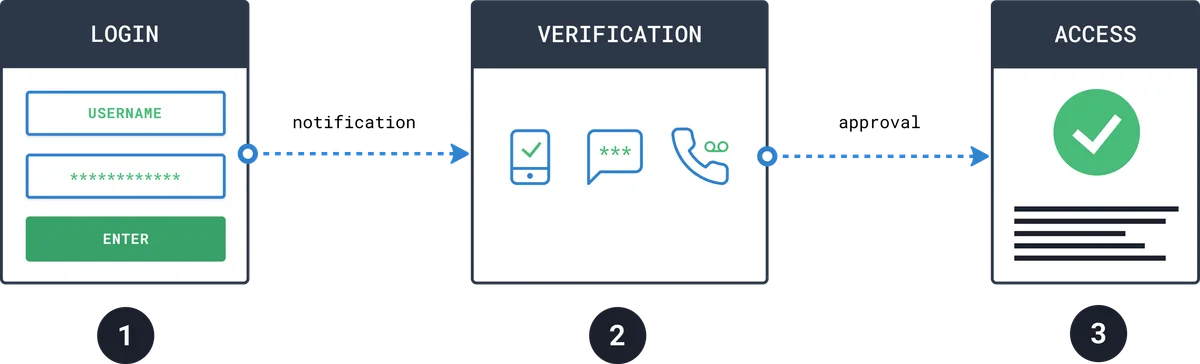
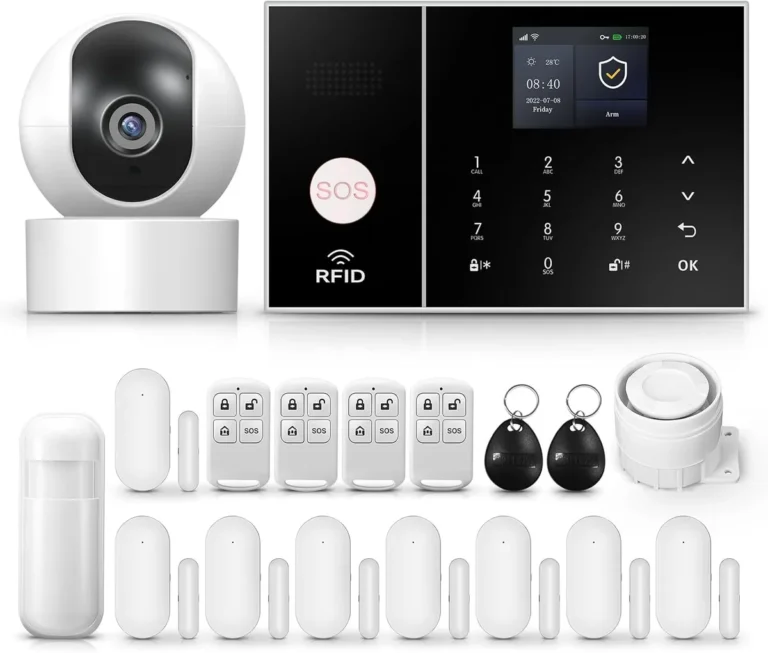
Image source: Web (Bing) / autonomia.digital (Web image (fair-use with source credit))
How to Set Up 2FA for Your Security Cameras
Setting up two-factor authentication for your security cameras is usually a straightforward process, though the exact steps can vary slightly depending on your camera brand and system. Most modern camera systems, including those that fall under the umbrella of what is a smart home security system, will include 2FA as a security option. The goal is to add that extra layer of protection beyond just a password.
Here’s a general walkthrough of what to expect:
- Access Account Settings: Log in to your security camera's account, either through its dedicated mobile app or its web portal. Navigate to the security, account, or profile settings section.
- Locate 2FA Option: Look for an option labeled "Two-Factor Authentication," "Multi-Factor Authentication (MFA)," or "2-Step Verification."
- Choose Your Second Factor: You'll likely be given a choice for your second factor. The most common options are:
- SMS Text Messages: The system sends a temporary verification code to a phone number you've registered.
- Authenticator App: You'll link your account to an app like Google Authenticator, Authy, or Microsoft Authenticator on your smartphone. These apps generate time-sensitive codes.
- Verify Your Account: To confirm you're setting it up, you'll usually need to enter your current password and then verify your chosen second factor (e.g., enter the code sent to your phone).
- Save Backup Codes: Many systems will provide you with a set of one-time use backup codes. It is critically important to save these in a secure, offline location. These codes are your lifeline if you lose access to your primary second factor.
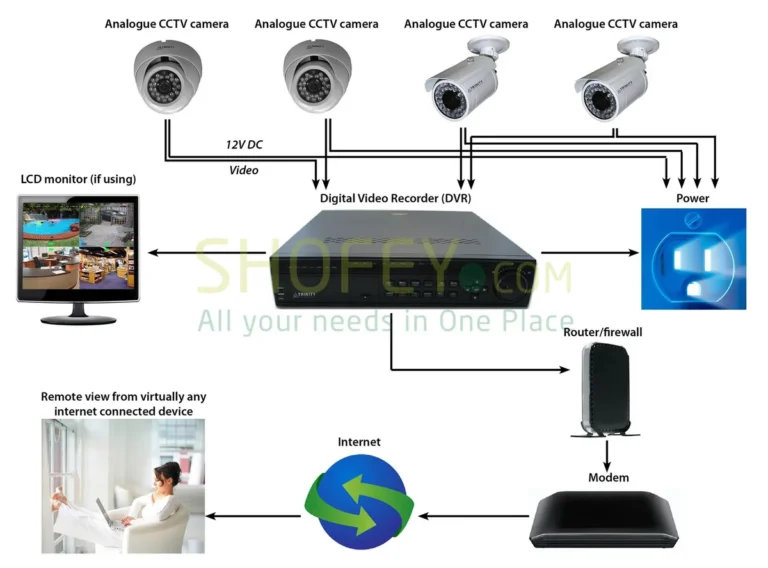
Image source: Bing (Web (fair-use with source credit))
By enabling 2FA, you significantly strengthen the defenses of your camera system, making it much harder for unauthorized individuals to gain access to your private surveillance feeds. This aligns with general principles of what features should a home security system have, where robust security is paramount.
What to Do If You Lose Your Phone or Primary 2FA Device
Losing your phone, or having it stolen, can be a stressful experience. When you rely on it for two-factor authentication for your security cameras and other important accounts, it can feel even more urgent. Fortunately, most security systems and services provide a way to regain access through backup methods.
This is precisely why those backup codes are so vital.
If you lose your phone or primary 2FA device:
- Use Your Backup Codes: This is the primary recovery method. Access the saved backup codes you were given when you initially set up 2FA. Each code can typically only be used once. Enter one of these codes when prompted for verification. Once you're logged in, immediately go back into your security camera account settings and disable and then re-enable 2FA, linking it to your new phone.
- Utilize Recovery Options: Some services offer alternative recovery paths, such as sending a recovery link to a pre-registered email address or using a secondary phone number if you set one up. These are usually less immediate than backup codes and might involve a waiting period for verification.
- Contact Support: If you've exhausted your backup options and can't access your account, you'll need to contact the support team for your specific security camera brand. They will have a verification process to confirm your identity before they can assist you in resetting your 2FA settings. This process can sometimes be lengthy and may require providing proof of ownership or identity.
Having a plan in place for this scenario is part of good digital hygiene, much like understanding how do home alarm systems work or knowing what is a diy home security system. It ensures that even in an unexpected event, you can still maintain control over your security system.