What Is a Wired Home Security System
Deciding on a home security system can feel like a big step, and knowing the details about what's actually involved is crucial. If you're curious what is a wired home security system, you're in the right place. These systems offer a robust and reliable way to protect your home, connecting all components through physical wires for consistent performance.
They’ve been a trusted security choice for years, and for good reason. Unlike wireless systems that rely on Wi-Fi, wired setups minimize the risk of signal disruption. For example, many wired systems adhere to industry standards like those set by Underwriters Laboratories (UL), ensuring a baseline of performance and reliability for homeowner safety.
Quick Answer
A wired home security system uses physical cables to connect its components. These systems offer high reliability and security by avoiding Wi-Fi interference. They include a central control panel, door/window sensors, and motion detectors, all linked together.
Installation can be more involved than wireless options.
Why Accuracy Matters for Home Security Decisions
When you're talking about safeguarding your home and loved ones, getting the facts straight is non-negotiable. Mistakes here don't just mean inconvenience; they can translate into real financial loss or, worse, compromised safety. That’s why we’re focused on clear, research-backed information about wired home security.
This isn't about picking the flashiest gadget. It's about understanding how these systems function, their strengths, and their limitations. By focusing on accuracy and potential risks, you can make a choice that genuinely enhances your peace of mind and the security of your property.
We'll cover the core details so you know exactly what you're getting into.
Wired Home Security: The Core Facts
At its heart, a wired home security system is designed for maximum dependability. It’s a network of devices that communicate with a central hub using actual wires, not invisible radio waves. This physical connection is the defining characteristic and the source of many of its advantages.
Think of it like a dedicated phone line versus a cell signal. The wired connection is direct, less prone to external interference, and generally more stable over the long haul. This inherent reliability is why many security professionals still recommend wired systems, especially for new constructions where running cables is easier.
How Wired Systems Work: Beyond the Wires
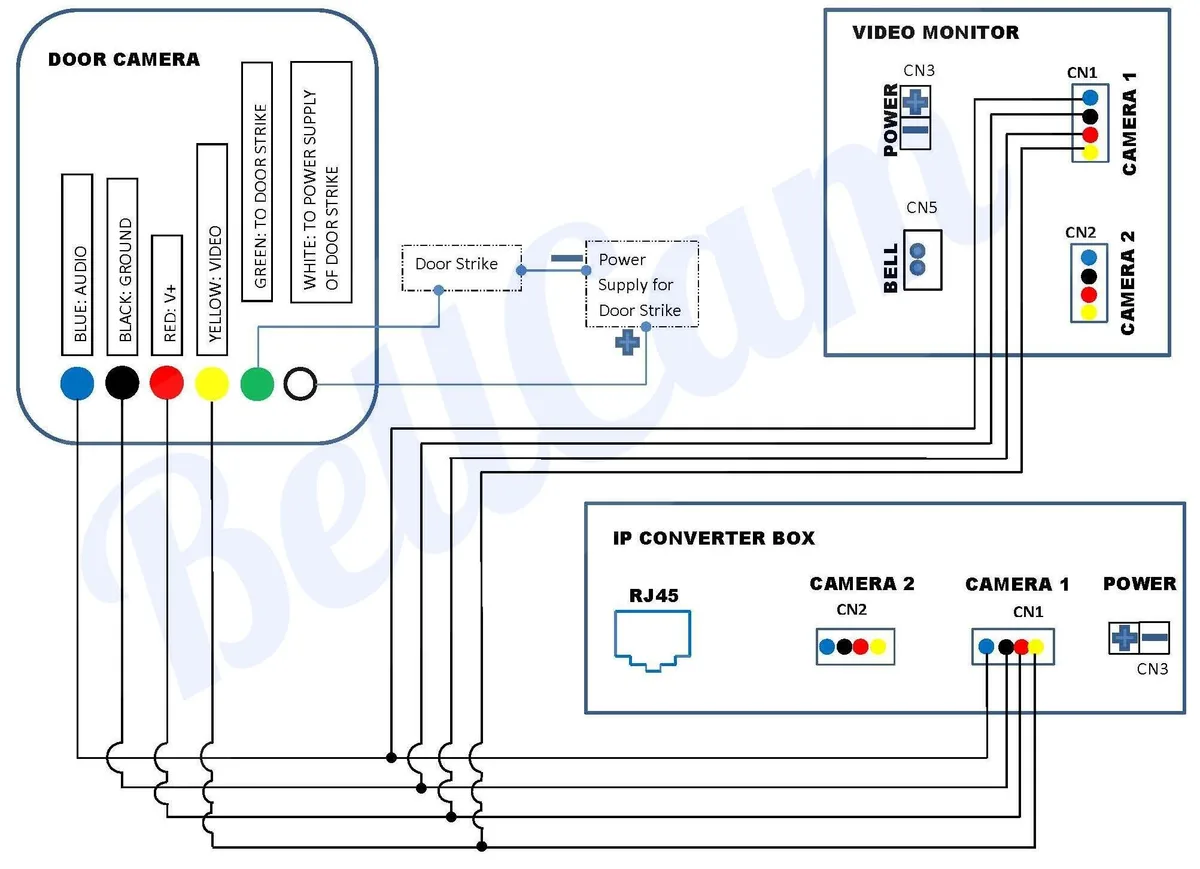
The magic of a wired system isn't just the wires themselves, but how they enable constant, secure communication between all the parts of your security setup. Every sensor, every camera, every keypad is physically tethered to the main control panel, forming a closed loop. This loop is what allows the system to function reliably.
When a sensor detects an event, like a door opening or motion in a room, it sends an immediate electrical signal through the wire to the control panel. The panel then interprets this signal and takes the programmed action, whether that’s sounding an alarm, sending a notification, or alerting a monitoring service. This direct line ensures that signals are received quickly and without the usual digital hiccups.
Key Components of a Wired Setup
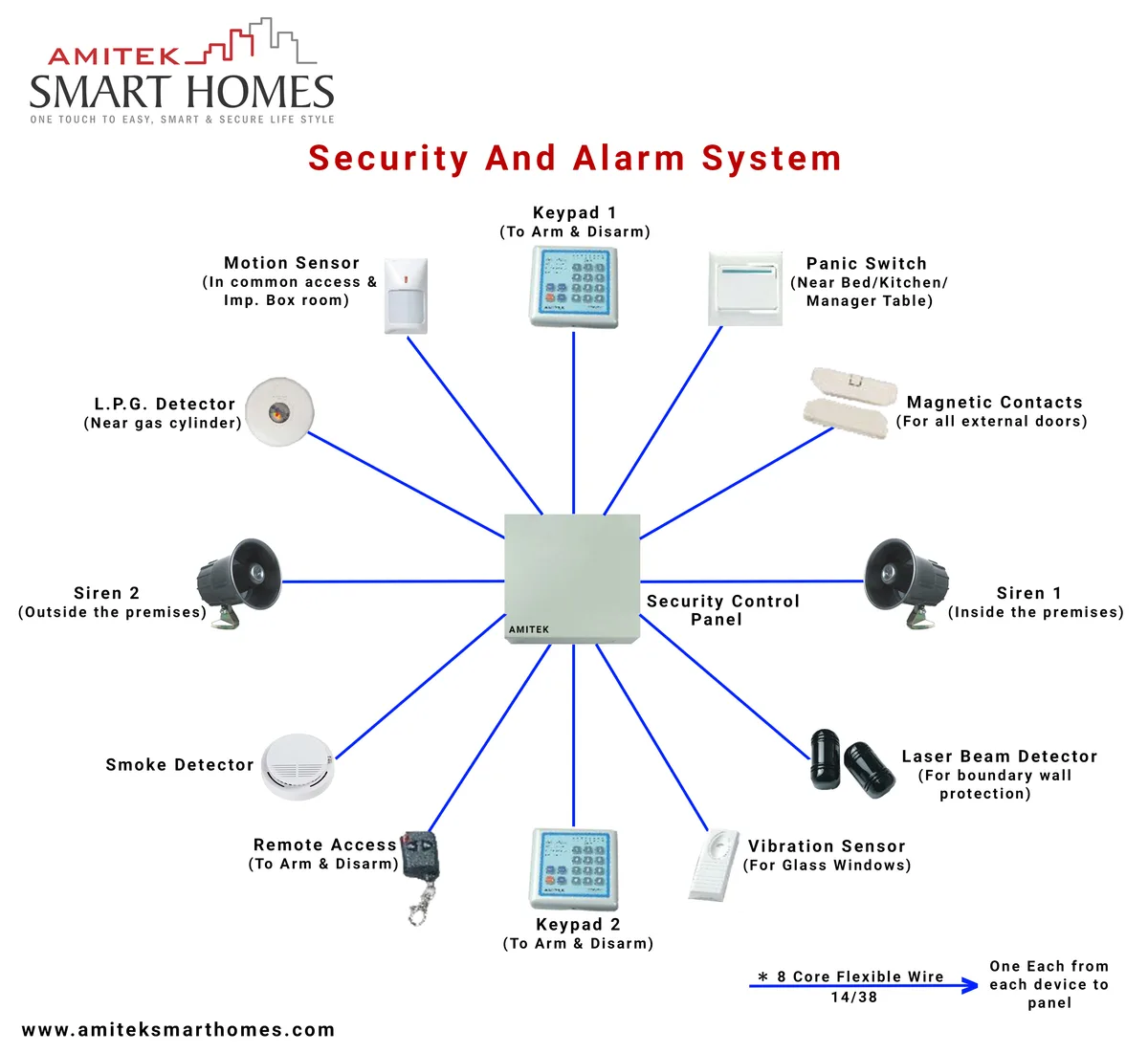
A typical wired system isn't just one piece; it's a collection of specialized devices working together. Understanding these components helps you visualize how the system operates and what's needed to secure your home.
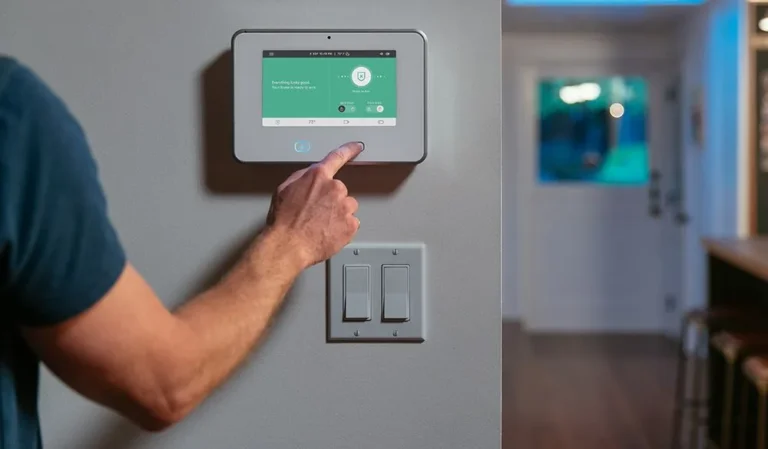
- Control Panel: This is the system's brain, usually mounted in a central location like a hallway or utility room. It houses the primary processing unit and provides the interface for arming and disarming the system.
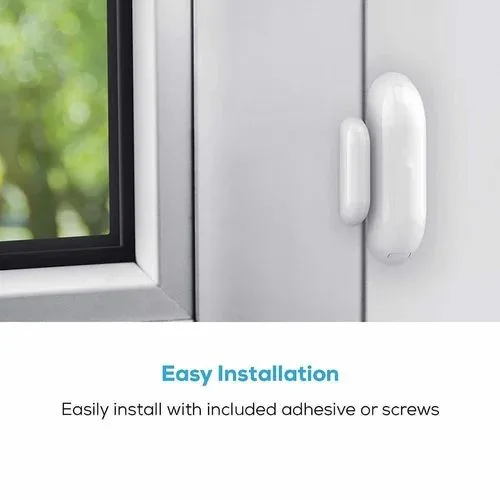
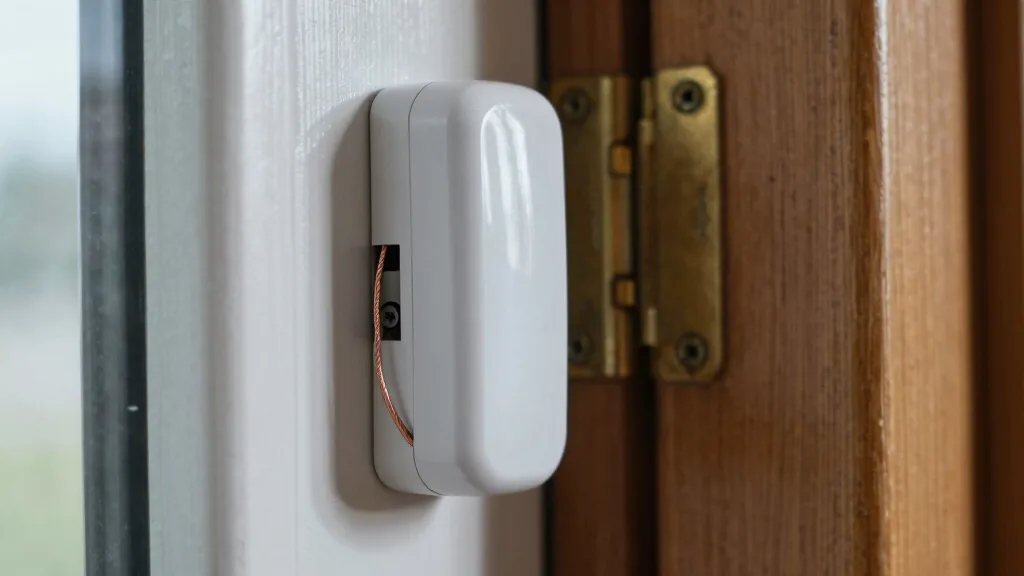
- Door and Window Sensors: These small devices attach to doors and windows. They consist of two parts: a magnet and a sensor. When the door or window is opened, the magnet separates from the sensor, breaking a magnetic switch and triggering an alert.
- Motion Detectors: Placed in strategic areas, these sensors use infrared technology to detect changes in heat signatures, indicating movement. They are effective for covering larger indoor spaces.
- Keypads: Often integrated into the control panel or mounted separately near entry points, keypads allow users to enter codes to arm or disarm the system.
- Wiring and Junction Boxes: The physical cables that connect all the components to the control panel. Junction boxes may be used to organize and route these wires neatly.
What to Expect: Benefits vs. Challenges
When you're weighing your options for home security, it's always smart to look at both the good and the not-so-good. Wired systems bring a lot to the table, but they also come with considerations that might influence your decision.
The Advantages of Going Wired
The primary draw of a wired system is its sheer reliability. Because it doesn't depend on Wi-Fi or battery life for signal transmission, it's significantly less susceptible to interference or signal loss. This consistent performance is crucial for a security system where every second counts.
Additionally, wired systems are inherently more difficult to jam or hack remotely compared to wireless counterparts. Their robust connection means you can trust the system to do its job, day in and day out.
Potential Installation Hurdles and Flexibility Limits
Now, let's talk about where wired systems can be a bit more challenging. The biggest factor is installation. Running wires through existing walls, ceilings, and floors can be a complex and time-consuming process.
This often requires drilling, fishing wires, and potentially making minor cosmetic repairs afterward, which can increase labor costs if you hire a professional.
Once those wires are in place, the system becomes less flexible than a wireless setup. Moving a sensor or adding a new one to a different location down the line might mean running entirely new cables, which isn't as simple as repositioning a wireless sensor. This lack of easy adaptability is a key trade-off for the system’s enhanced reliability.
Who Needs a Wired System? Ideal Scenarios
A wired home security system really shines in specific situations where its strengths can be fully leveraged. It's not necessarily for everyone, but if your priorities align, it's an excellent choice.
This type of system is often ideal for homeowners who are building a new home or undertaking a significant renovation. During construction, running wires is much easier and can be integrated seamlessly into the building process. It allows for a clean, concealed installation without the hassle of retrofitting.
Homeowners who prioritize maximum reliability and long-term stability over flexibility or ease of DIY installation will also find a wired system a compelling option. If you’re someone who prefers a set-it-and-forget-it approach to security, and you want the peace of mind that comes from a robust, tamper-resistant setup, a wired system is a strong contender.
Mistakes to Avoid with Wired Security
When you’re setting up or living with a wired security system, there are a few common pitfalls that can lead to frustration or undermine its effectiveness. Being aware of these can save you a lot of hassle down the line.
One of the most significant mistakes is underestimating the installation complexity. Many people think of it as a simple DIY project, but running wires properly through walls requires tools, knowledge of building structures, and significant time. Trying to cut corners here can lead to poor connections, damaged wires, or a system that just doesn't work right.
Another error is neglecting the wiring itself; even though it's "wired," the cables can still be damaged by pests, water, or during other home maintenance, potentially disabling sensors without immediate obvious signs. Finally, a common oversight is not planning for future needs. Because wired systems are less flexible, failing to think about where you might want sensors in five or ten years can lead to limitations later on.
Frequently Asked Questions About Wired Security
How is a wired system different from a wireless one?
A wired system uses physical cables to connect all its components, like sensors and the control panel, ensuring a stable, interference-free signal. A wireless system relies on Wi-Fi or other radio frequencies, offering easier installation but potentially more susceptibility to signal drops or jamming.
Is installation difficult for a wired security system?
Yes, installation can be quite difficult, especially in existing homes. It typically involves running wires through walls, attics, or basements, which often requires professional expertise and can be time-consuming and costly.
Can I add more sensors to a wired system later?
You can, but it's usually more involved than with a wireless system. Adding new sensors often means running new wires from the control panel to the sensor's location, which can be an additional expense and labor-intensive task.
Are wired systems more secure than wireless systems?
Generally, yes. Wired systems are less susceptible to signal jamming or hacking because the signals travel through physical wires, making them more difficult to intercept or disrupt compared to wireless transmissions.
How long do the wires in a wired security system last?
The physical wires themselves are very durable and can last for decades, often outlasting the electronic components they connect. However, they can be damaged by physical intrusion, pests, or environmental factors like moisture if not properly installed or protected.
When to Seek Expert Help for Your System
While the core concept of a wired home security system is straightforward, knowing when to bring in a professional is key to a successful and reliable setup. If you're not experienced with electrical wiring or home construction, attempting installation yourself can lead to significant problems.
For instance, if you're dealing with a complex home layout, older wiring, or if you simply want the assurance of a perfectly functioning system, professional installation is highly recommended. Experts can ensure all connections are secure, wires are properly concealed and protected, and the system is configured correctly according to manufacturer specifications and safety standards. They can also advise on optimal sensor placement to maximize coverage and minimize false alarms, preventing potential issues down the line.