How Does Professional Security Monitoring Work
When an alarm blares in the middle of the night, your first thought isn't about the technology; it's about getting help fast. That's precisely where professional security monitoring steps in, acting as your constant eyes and ears even when you can't be there. Understanding how this system works is key to knowing your home or business is truly protected.
This service connects your security system directly to a dedicated monitoring center, staffed around the clock to respond to any triggered alerts. Per Underwriters Laboratories (UL) standards for central station monitoring, these centers are built with redundancy and rigorous protocols to ensure signals are received and acted upon swiftly. We'll break down the essential components and processes that make this vital service function.
Quick Answer: What Professional Security Monitoring Is All About
Professional security monitoring means a dedicated team watches your alarm system 24/7. When sensors detect a threat, they receive an alert. Operators then verify the situation and dispatch emergency services like police or fire.
This service provides an immediate, trained response to potential dangers.
The Core Engine: How Your Alarm Signals Get to Help
At its heart, professional security monitoring is a relay race for emergencies. Your security system, whether it's triggered by a door sensor, a motion detector, or a smoke alarm, sends a signal. This signal travels from your home or business to a central monitoring station.
There, trained operators interpret the signal and initiate the appropriate response protocol. It's a critical link that bridges the gap between an event and actual help arriving.
Signal Transmission: From Sensor to Center
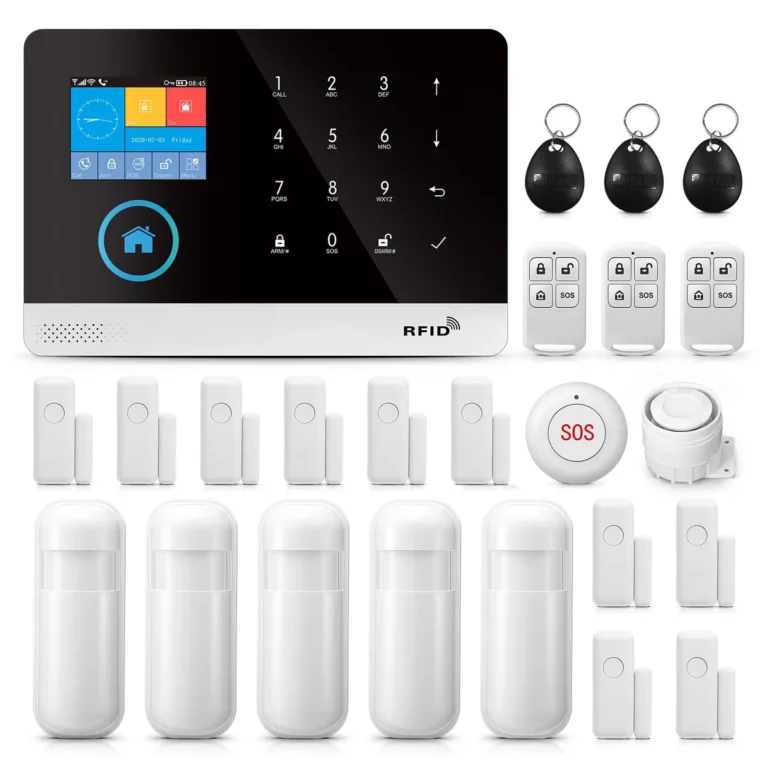
Your alarm system components, like contact sensors on doors and windows or motion detectors, are the starting line. When one of these devices is tripped, say, a door is forced open, it immediately sends a signal. This signal usually travels wirelessly or via wired connections to your system's main control panel.
From there, it’s transmitted to the alarm monitoring center, often called a central station. Modern systems use cellular communication or internet protocol (IP) for this transmission, offering reliable backup if your primary internet goes down. This ensures that even if one communication path fails, your alerts can still reach help.
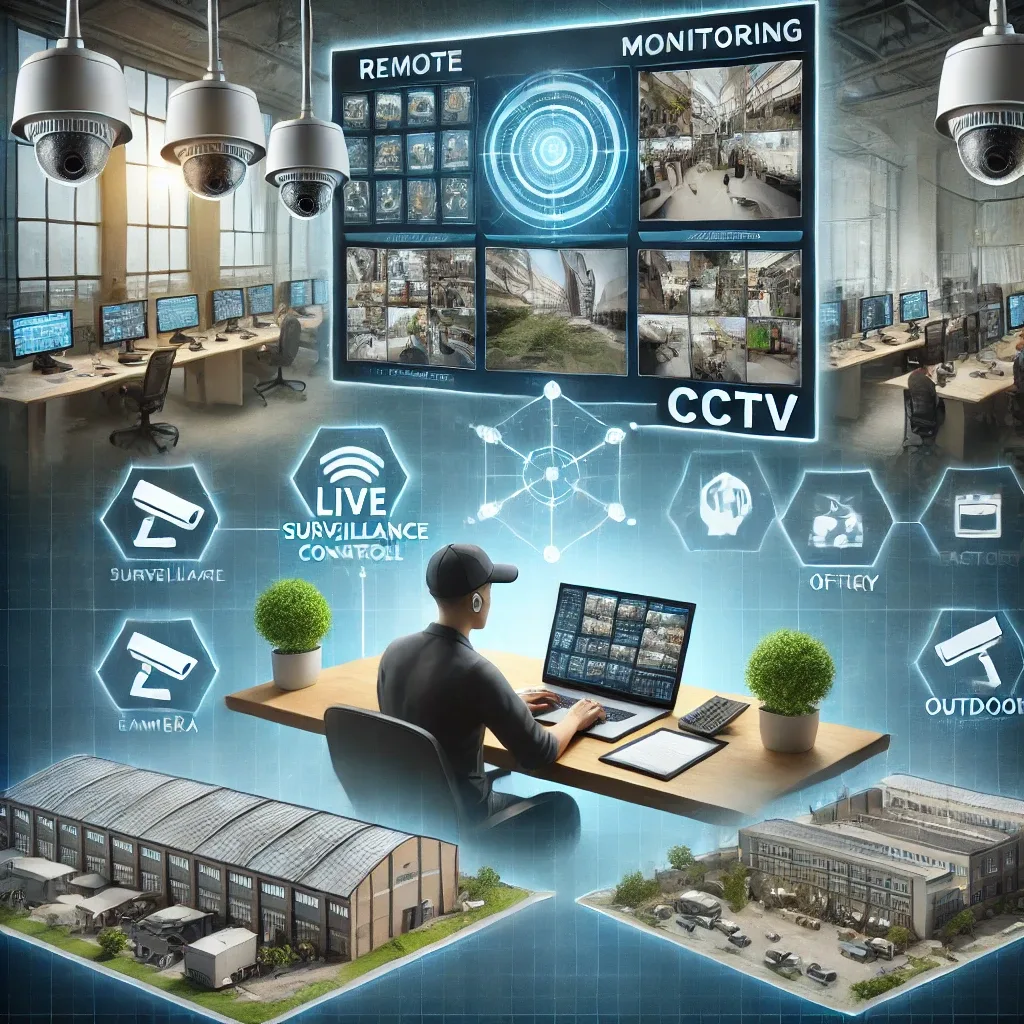
Image source: Web (Bing) / amaxfireandsecurity.co.uk (Web image (fair-use with source credit))
The Monitoring Center's Role: What Happens Next
Once a signal arrives at the central station, it's a race against time. Operators, who are trained professionals, receive the alert on their consoles. They immediately access information about your account, including your address, contact details, and any specific instructions you’ve provided for different types of alarms.
For instance, a smoke alarm might trigger a call to the fire department, while a break-in might prompt a call to the police. They'll often attempt to verify the alarm by contacting you directly, either through your system's two-way voice feature or by phone. This verification step helps reduce false alarms.
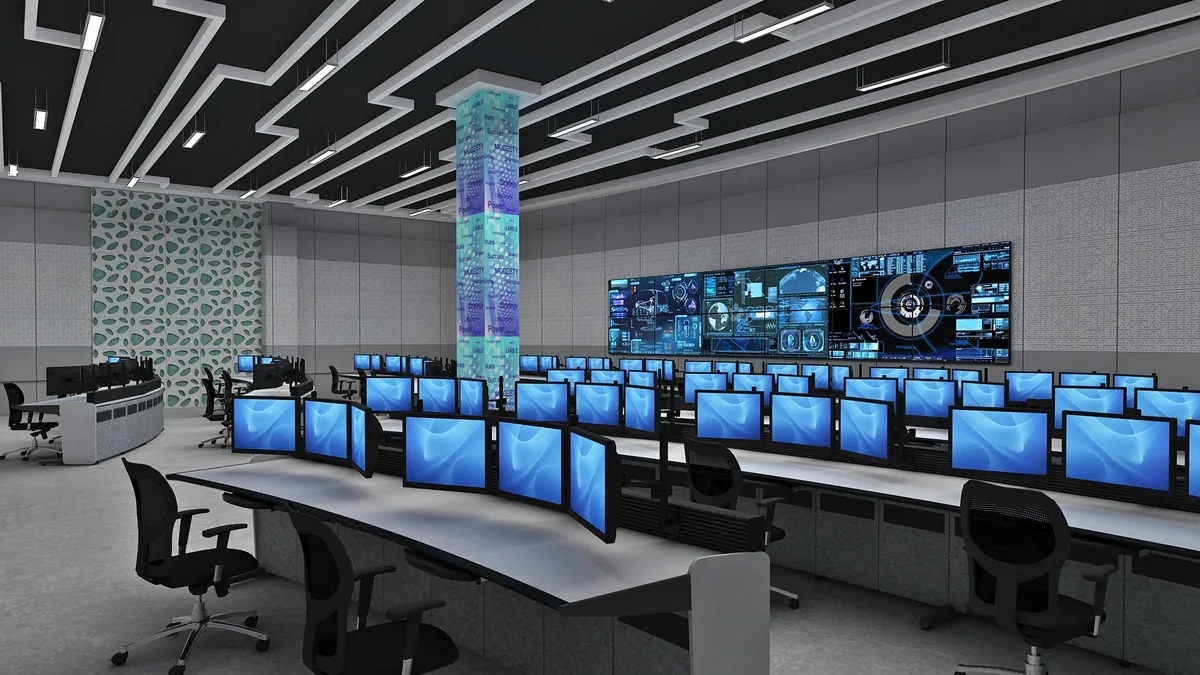
Image source: Web (Bing) / pyrotechworkspace.com (Web image (fair-use with source credit))
Key Features That Make Professional Monitoring Work
Professional monitoring isn't just about receiving an alarm; it’s a package of features designed to maximize safety and minimize response time. These systems incorporate robust technology and dedicated human oversight. Understanding these features helps you appreciate the full value of the service.
It's about more than just a siren; it’s a comprehensive safety net.
24/7 Oversight and Communication Channels
The most fundamental feature is round-the-clock monitoring. This means someone is always watching your system, regardless of the time of day or night, holidays, or weekends. This constant vigilance is crucial because emergencies don't keep a schedule.
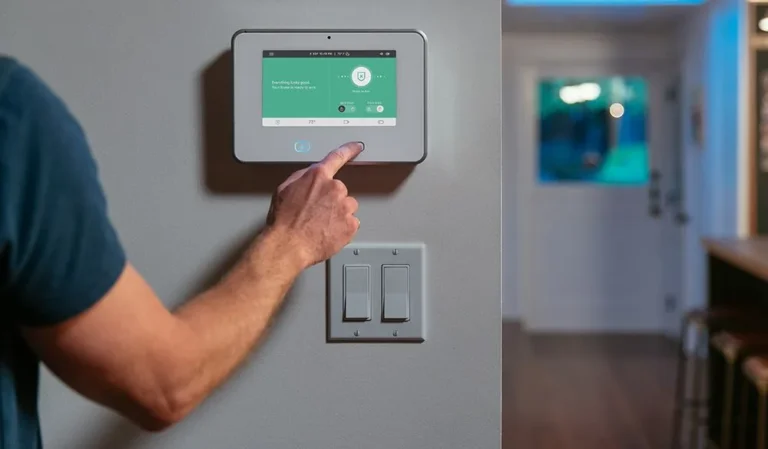
Furthermore, these services often include two-way voice communication. This allows monitoring agents to speak directly with you (or an intruder) through a speaker in your control panel, which can help de-escalate situations or confirm the nature of the emergency. This immediate communication can be incredibly reassuring.
Image source: Web (Bing) / pinterest.com (Web image (fair-use with source credit))
Advanced Features: Video, Voice, and Backup
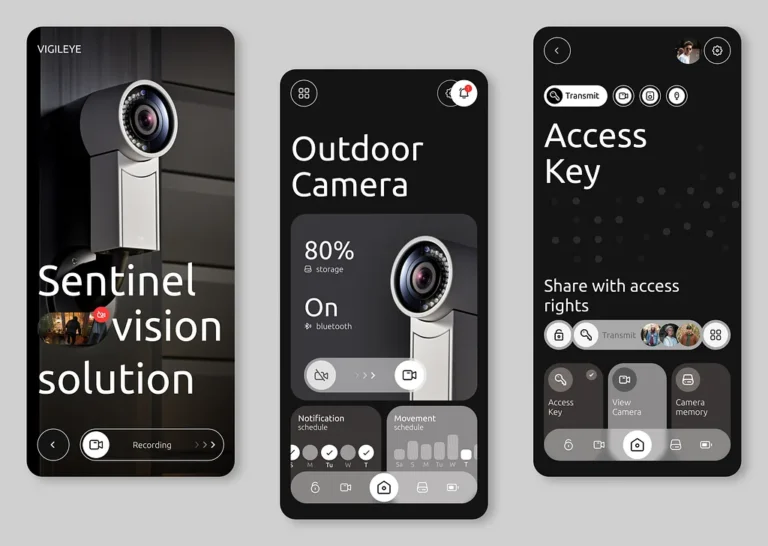
Beyond basic alarm detection, many professional monitoring services offer advanced features. Video verification is a prime example, where monitoring centers can access live or recorded video feeds from your security cameras when an alarm is triggered. This visual confirmation significantly helps dispatchers prioritize and respond to real threats.
Cellular backup communication is another critical feature; it ensures your system can still send alerts to the monitoring center even if your home internet or landline is cut off. These layers of redundancy and enhanced capabilities are what truly set professional monitoring apart from simpler systems.
Why Professional Monitoring Matters: Benefits and Potential Downsides
Opting for professional security monitoring comes with a clear set of advantages, primarily centered on peace of mind and a faster, more reliable emergency response. However, like any service, there are also considerations that might give you pause. Weighing these pros and cons is an important step in deciding if it's the right fit for your needs.
The Upsides: Peace of Mind and Faster Response
The biggest benefit is undoubtedly the peace of mind that comes from knowing trained professionals are actively monitoring your property. You don't have to worry about whether you'll hear your alarm or know what to do if it goes off. Aggregate user reviews frequently highlight this sense of security.
Research indicates that monitored alarm systems can lead to faster dispatch of emergency services, as operators are trained to quickly verify threats and contact the appropriate authorities, reducing potential response delays. This enhanced speed can be crucial in critical situations. Many insurance providers also offer discounts on homeowner's or renter's insurance for homes with professionally monitored security systems.
The Downsides: Costs and What Can Go Wrong
The primary drawback of professional monitoring is the ongoing monthly fee. Unlike self-monitored systems, which are often a one-time purchase, professional services require a subscription. This can add up over the life of the system.
Additionally, false alarms remain a concern. While monitoring centers work to verify events, incorrect configurations, user error, or system malfunctions can still lead to unwanted dispatches. Many municipalities now have strict false alarm ordinances, and repeated false alarms can result in fines, which are passed on to the homeowner.
It's also important to consider the potential for system downtime or communication failures, though reputable services invest heavily in backup systems to prevent this.
Real-World Scenarios: Who Needs Professional Monitoring?
Professional security monitoring isn't a one-size-fits-all solution, but certain situations and user types benefit significantly from its robust oversight. It’s about matching the level of protection to the specific risks and needs of a property and its occupants. Considering these scenarios can help you see where it might fit into your life.
Residential Peace of Mind
For many homeowners, the primary driver for professional monitoring is the enhanced sense of security it provides. This is particularly true for families with children, individuals who travel frequently, or those living in areas with higher crime rates. When you're away on vacation or working late, knowing that a dedicated team is watching your home can alleviate significant worry.
It’s about having a reliable safety net that operates independently of your ability to be present or aware. A professionally installed security system can often integrate seamlessly with these monitoring services, offering a comprehensive protection package.
Commercial Security Needs
Businesses, regardless of size, often have more complex security needs and higher stakes when it comes to unauthorized access or emergencies. Retail stores, offices, warehouses, and even healthcare facilities can all benefit from professional monitoring. For businesses, it's not just about preventing theft; it's also about protecting employees, customers, and valuable assets.
The ability to receive immediate notifications for break-ins, fires, or medical emergencies can be critical for business continuity and safety. For example, a warehouse might use motion detectors and video verification to ensure that any detected activity is properly investigated, preventing potential inventory loss or damage.
Common Pitfalls and How to Avoid Them
Even with professional monitoring, there are common missteps that can undermine the system's effectiveness or lead to unnecessary costs and frustration. Being aware of these pitfalls allows you to proactively avoid them, ensuring you get the most out of your investment. It’s about smart usage and informed decision-making.
Navigating False Alarms and System Glitches
One of the most frequent issues is the false alarm. These can happen for numerous reasons: a pet triggering a motion sensor, a door or window left ajar, or even a strong gust of wind rattling a sensor. To combat this, ensure your system is properly configured for your environment.
For instance, motion detectors can often be adjusted to ignore smaller pets. Always ensure your system's components are in good working order and communicate effectively. Regular system testing, often recommended monthly by manufacturers, helps identify potential glitches before they become a problem.
If your system is more than 5-10 years old, consider how often a security system should be replaced.
Choosing the Right Service and Understanding Contracts
Not all professional monitoring services are created equal. It's crucial to research providers thoroughly. Look into their response times, their use of technology like cellular backup and video verification, and their reputation for customer service.
Pay close attention to contract terms, length of commitment, cancellation policies, and any hidden fees. Some services might require long-term contracts, while others offer more flexibility. Understanding what you're signing up for, including the protocols for handling alarms and potential fines for false alarms in your area, is essential.
It’s also worth noting that some systems may require professional installation, which can add to the initial cost but ensures proper setup.
Safety, Legal, and Compliance Considerations
When you sign up for professional security monitoring, you’re not just getting a service; you’re entering into an agreement that has legal and safety implications. Understanding these aspects is vital for both effective protection and avoiding potential penalties. Many municipalities have specific regulations regarding alarm systems and their use.
For instance, false alarm ordinances are common. These laws are designed to prevent emergency services from being dispatched unnecessarily, which ties up valuable resources. Fines can range from $50 to several hundred dollars per false alarm, depending on your location and how many false alarms you've had in a given period.
Your monitoring service should be able to inform you about these local rules. It's also important that your monitoring center adheres to industry standards, such as those set by Underwriters Laboratories (UL). UL certification for a central station means it meets rigorous requirements for reliability, security, and operational procedures, which is a good indicator of a trustworthy provider.
Frequently Asked Questions About Monitored Security
### How long does setup take for a professionally monitored system?
Setup time can vary, but a professionally installed and monitored system often takes between 2 to 4 hours for a standard home installation. This includes placing sensors, wiring (if applicable), and configuring the main control panel. A technician will then walk you through the system's operation.
### What happens if my power goes out?
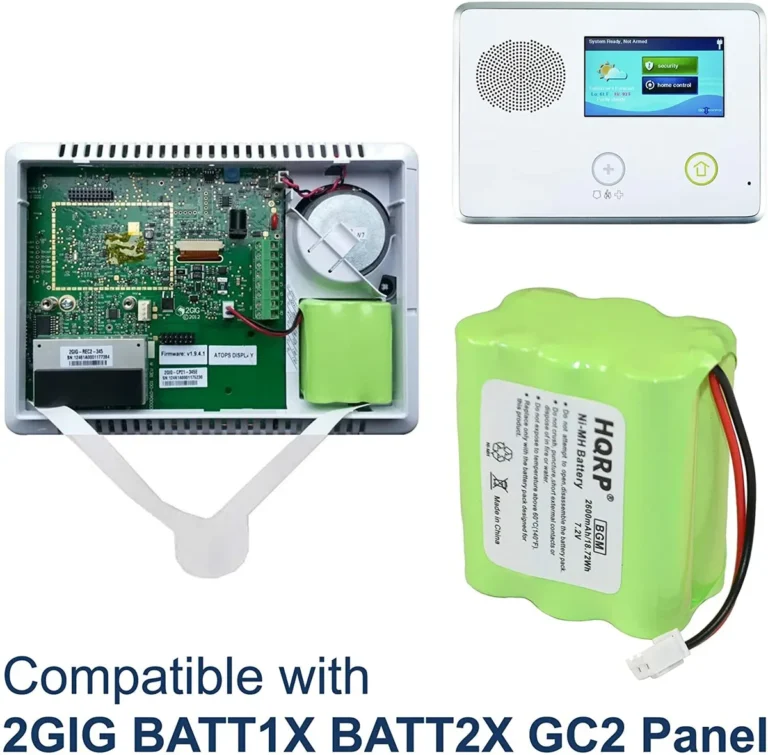
Most professional security systems have battery backup for the main control panel and key components, allowing them to operate for several hours. Furthermore, they typically utilize cellular backup communication, ensuring that alarm signals can still be sent to the monitoring center even if your home internet or landline service is disrupted.
### Can I still use my alarm system if I'm out of town?
Yes, absolutely. That's one of the core benefits of professional monitoring. The system operates 24/7, and the monitoring center will respond to alarms whether you are home or away.
You can often control and monitor your system remotely via a smartphone app provided by the service.
### What is the average monthly cost for professional monitoring?
On average, you can expect to pay between $20 to $60 per month for professional monitoring services, depending on the provider, the features included (like video verification), and any equipment financing. Some basic packages may be lower, while comprehensive systems with advanced features can cost more.
### How do I cancel my professional monitoring service?
Cancellation policies vary by provider and contract. Typically, you'll need to provide written notice according to the terms outlined in your service agreement. There may be early termination fees if you break a long-term contract.
It's crucial to review your contract details before signing up.
Making the Right Choice: Is Professional Monitoring For You?
Deciding whether professional security monitoring is the right path for you depends heavily on your individual needs, budget, and desired level of security. If you prioritize peace of mind, want the fastest possible emergency response, or have specific security concerns due to travel or location, the monthly cost is often a worthwhile investment. It offers a layer of protection that self-monitored systems simply can't replicate, ensuring that your alerts are always met with trained human intervention.
However, if you're on a tighter budget or comfortable with managing your own alerts and contacting authorities yourself, a self-monitored system might suffice. These systems can still offer robust protection and smart home integration without the ongoing fees. Consider your property, your lifestyle, and your comfort level with technology and risk.
Ultimately, the goal is to select a system that provides effective security and aligns with your expectations for response and convenience.