What Features Should a Home Security System Have
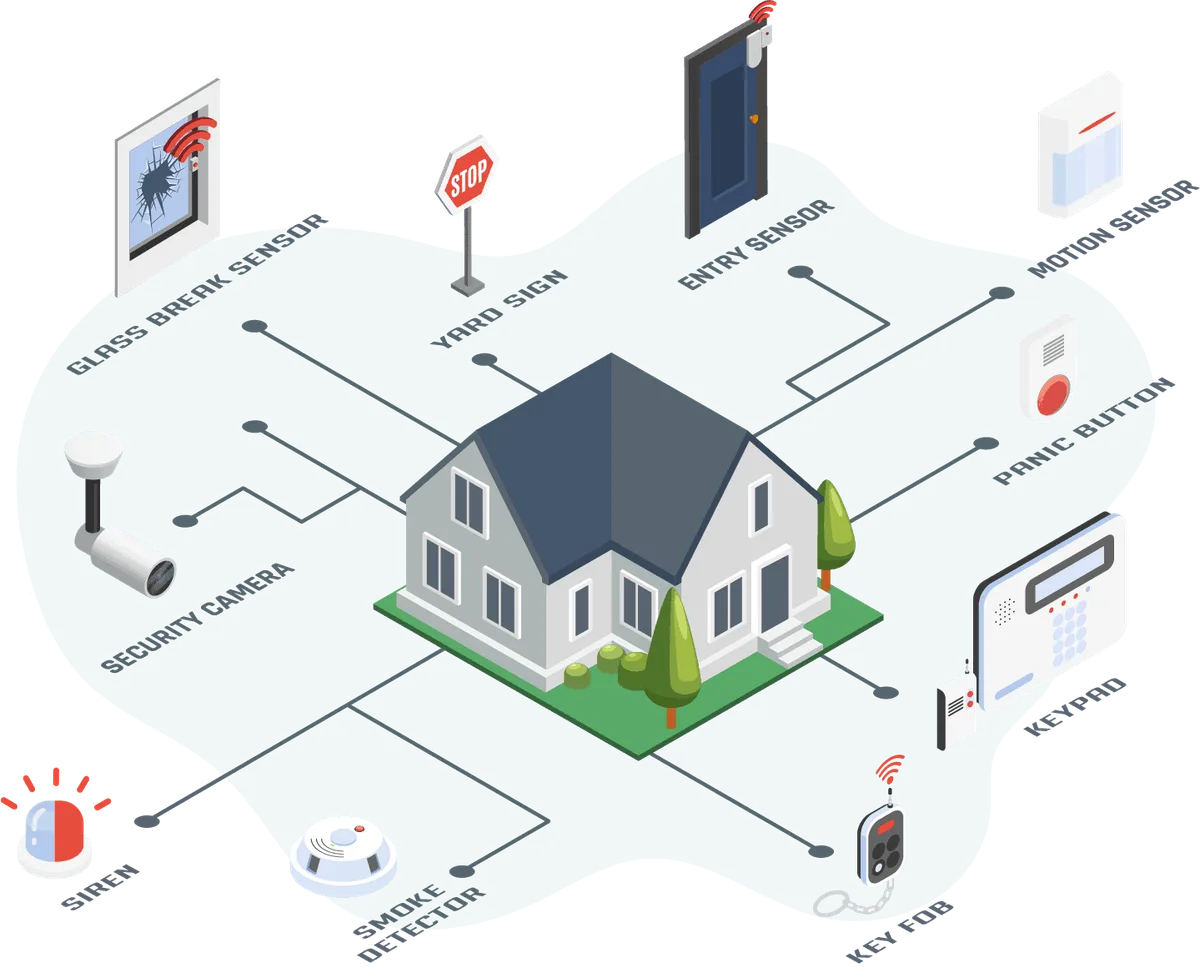
Image source: Web (Bing) / security.org (Web image (fair-use with source credit))
Deciding what features should a home security system have can feel overwhelming, but it really boils down to protecting what matters most to you. We've sifted through a lot of information, and the key takeaway is that the "best" system isn't one-size-fits-all. It’s about matching technology to your specific needs and peace of mind.
Our research indicates that understanding core components and smart capabilities is crucial. For instance, Underwriters Laboratories (UL) standards often test systems for reliability and performance, with many professional monitoring systems aiming for UL 365 certification for burglar alarm installations. Let’s break down what you should be looking for.
Your Home Security Checklist: What to Consider First
Before you even start looking at specific gadgets, it’s smart to take stock of your situation. This isn't about buying the most expensive system; it's about getting the right one for your unique home and lifestyle. Thinking through these points will save you time, money, and the headache of buying features you'll never use.
Home Size and Layout
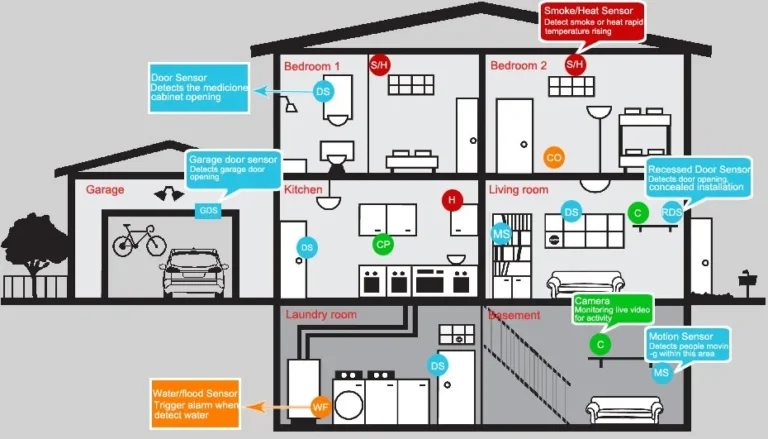
Your home's footprint and how it's laid out really matter. A large, sprawling house with multiple levels will need a different sensor setup than a compact apartment. You'll want to consider how many doors and windows there are, and if there are any less obvious entry points, like basement windows or patio doors.
Potential Entry Points
This is where a walk-around your property can be super useful. Identify every single door, window, garage access point, and even pet doors that an intruder could potentially use. The more entry points you have, the more sensors you'll likely need to cover them all effectively.
Existing Smart Home Devices
If you're already into smart home tech, like smart lights or voice assistants, think about how a security system could integrate. Many modern systems work with platforms like Google Home or Amazon Alexa, allowing you to arm or disarm your system with a voice command or even automate lights when the alarm is triggered. This synergy can boost convenience and security.
Essential Security System Components and Their Jobs
A good home security system is built on a foundation of core components that work together. Understanding what each piece does is key to choosing a system that offers robust protection. These are the workhorses that keep an eye on your home and alert you to potential trouble.
The Brains: Control Panel and Hub
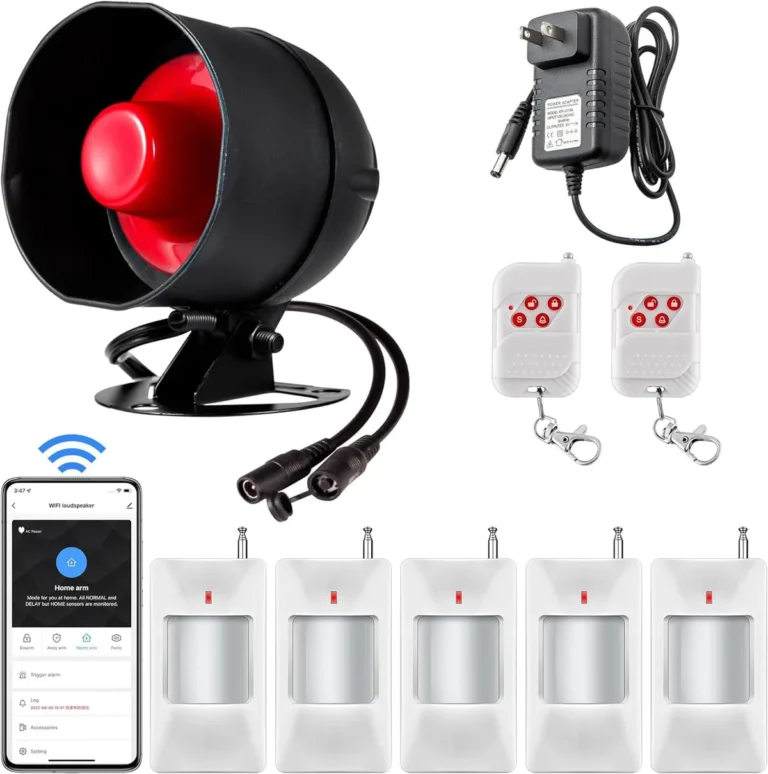
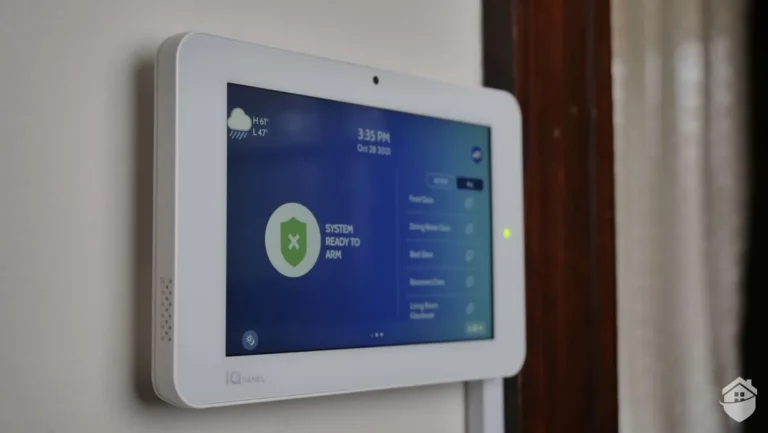
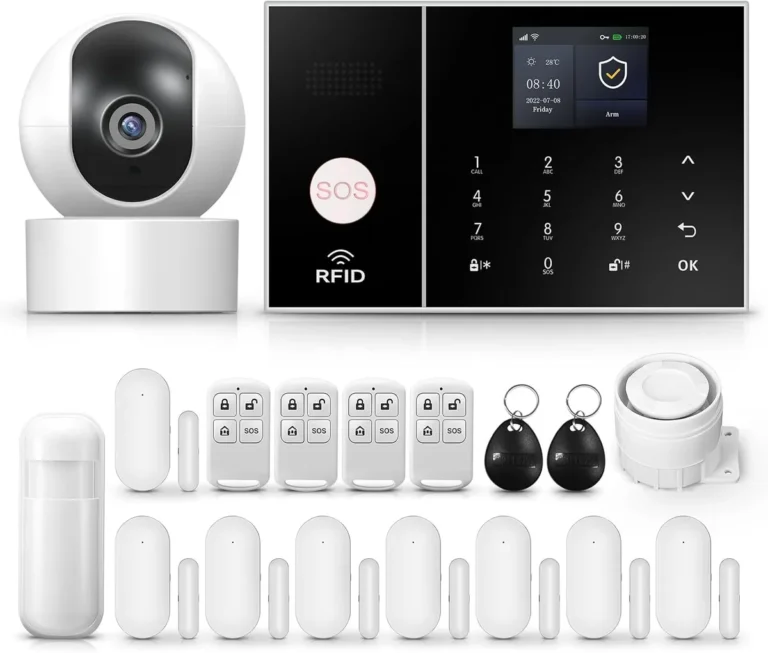
This is the central nervous system of your security setup. The control panel or hub receives signals from all your sensors and communicates them to you or a monitoring center. Many modern hubs also connect to your home's Wi-Fi, allowing for remote access via a mobile app.
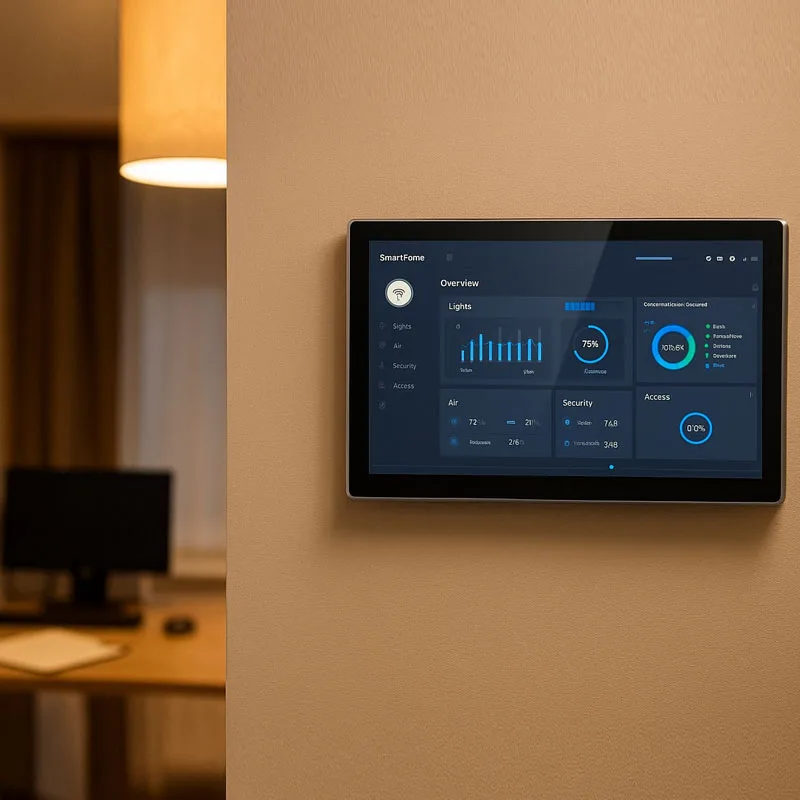
Image source: Bing (Web (fair-use with source credit))
The Eyes and Ears: Sensors (Door/Window, Motion, Glass Break)
These are the devices that actually detect intrusions. Door and window sensors trigger an alarm when a protected opening is breached. Motion detectors cover larger areas and can sense movement, while glass break sensors detect the specific sound frequency of breaking glass.
The Watchers: Cameras (Indoor, Outdoor, Doorbell)
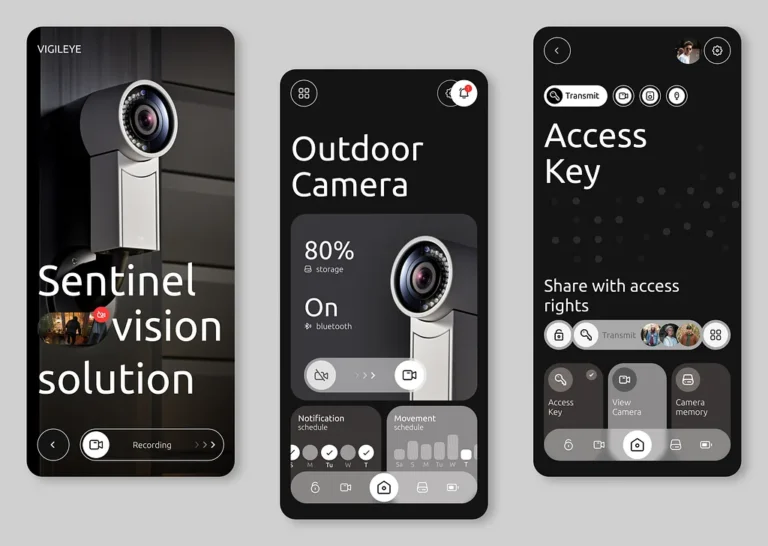
Security cameras provide visual verification of events. Indoor cameras can monitor activity inside your home, outdoor cameras deter potential intruders and record activity around your property, and doorbell cameras let you see and speak to visitors at your front door. Features like night vision and wide-angle lenses are important considerations here.
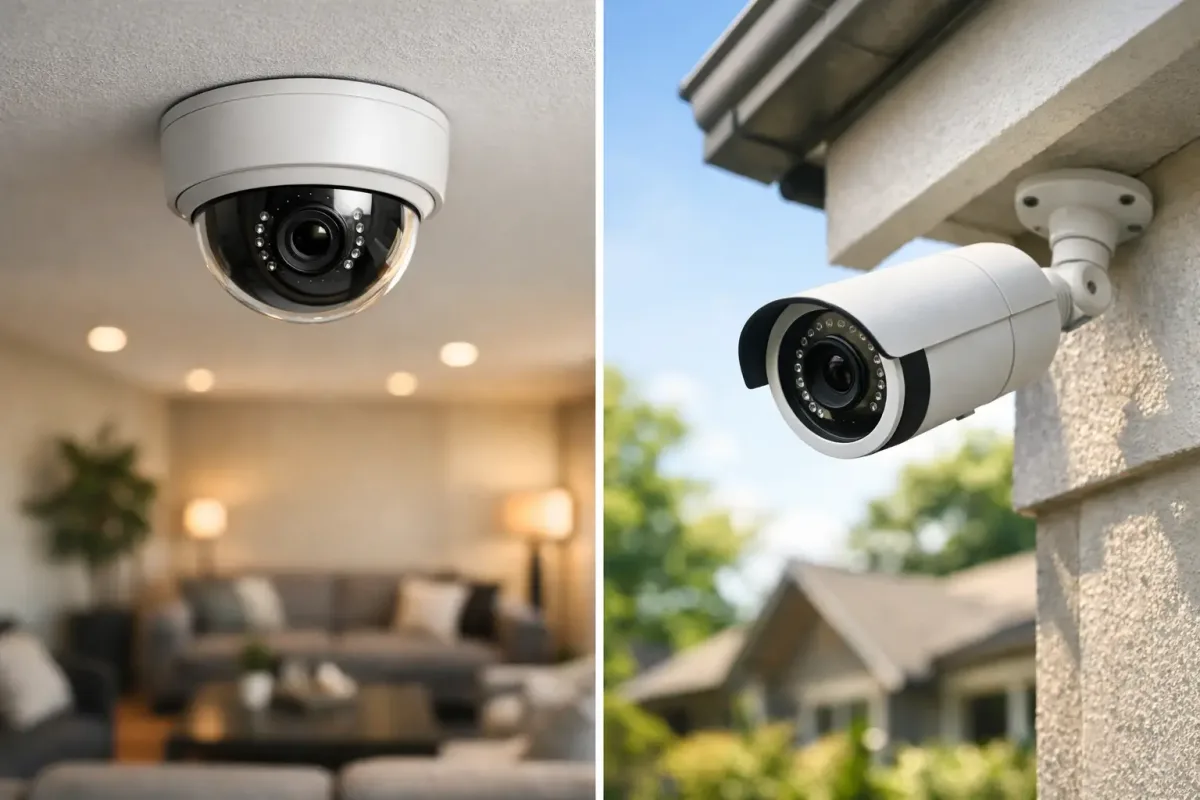
Image source: Bing (Web (fair-use with source credit))
The Connectors: Network and Power Backup
Reliability is everything. A system needs a stable connection to communicate alerts, usually via your home Wi-Fi. Critically, most good systems also include cellular backup in case your internet goes down and a battery backup to keep things running during a power outage, ensuring your home stays protected.
Smart Features: Making Your System Work for You
Beyond the basic detection, modern security systems offer a wealth of smart features that can significantly enhance convenience and protection. These add layers of control and awareness, making your home smarter and safer. Integrating these can transform a basic alarm into a truly responsive security network.
Remote Access and Control (Mobile App)
This is a game-changer. A dedicated mobile app allows you to arm or disarm your system from anywhere, check camera feeds, receive alerts, and even control other smart devices connected to your system. It puts the power of your security right into your pocket, offering instant peace of mind when you're away.
Smart Lock Integration
Many systems can sync with smart locks. This means you can remotely lock or unlock your doors, grant temporary access to guests, or have your doors automatically lock when you arm the system. This adds a significant layer of convenience and control over who enters your home.
Environmental Sensors (Smoke, CO, Flood)
Security isn't just about intruders. Many systems can integrate environmental sensors that alert you to dangers like smoke, carbon monoxide, or flooding. These can be life-savers, providing early warnings for hazards that could cause significant damage or pose a serious risk to your family.
Two-Way Audio and Two-Factor Authentication
Two-way audio on cameras or doorbell cameras lets you speak directly to someone at your door, whether it's a delivery person or a potential stranger. Two-factor authentication (2FA) adds an extra layer of security to your account access, requiring a second form of verification beyond just a password to prevent unauthorized logins.
Monitoring Options: Who's Watching Your Home?
Once your system detects a problem, the next critical step is how it gets addressed. This boils down to who is monitoring the alerts and what actions they take. Understanding the differences between professional monitoring and self-monitoring can dramatically impact your home's safety response.
Professional Monitoring Services
With professional monitoring, a dedicated team is available 24/7 to receive alarm signals. When an alert is triggered, they'll typically verify the emergency by contacting you or your designated emergency contacts. If they can't reach you or confirm a real threat, they will dispatch appropriate emergency services, like the police or fire department.
This service usually comes with a monthly fee.
Self-Monitoring
If you opt for self-monitoring, you are the one who receives all the alerts directly to your phone or device. You'll be responsible for assessing the situation and contacting emergency services yourself. This option typically has no monthly fees beyond the cost of the equipment and internet service, but it requires you to be vigilant and responsive at all times.
Cellular vs. Wi-Fi Backup
Your system needs a reliable way to communicate alerts. Most systems use your home Wi-Fi as the primary connection. However, if your internet service goes down or is cut, Wi-Fi will fail.
That’s why cellular backup is so important; it uses a mobile network to send signals, ensuring your system can still reach monitoring centers or alert you even without home internet. This backup feature is often included with professionally monitored systems.
Common Home Security Mistakes to Sidestep
Even with the best intentions, people often make small errors when setting up or using a security system that can leave them vulnerable. Avoiding these common pitfalls can make a huge difference in how effective your system truly is. It’s not just about what you buy, but how you implement it.
Overlooking False Alarm Triggers (Pets, drafts)
Motion sensors are great, but they can be easily tripped by pets, strong drafts moving curtains, or even sunlight changes. Before relying solely on motion detectors, consider their placement carefully or look for systems with pet-immune sensors. False alarms can lead to complacency or even fines from local authorities.
Insufficient Camera Placement or Coverage
Simply putting a camera up isn't enough. Are you covering all key entry points? Is the outdoor camera angled correctly to capture faces, not just the sky?
Are indoor cameras placed where they can see common activity areas without infringing on personal privacy? Think about blind spots you might be creating.
Ignoring Power and Internet Backup
This is a big one we see repeatedly. If your system relies solely on your home Wi-Fi and grid power, a simple power outage or internet disruption can render it useless. Always prioritize systems with both battery backup for power and cellular backup for internet connectivity.
This ensures protection even when external services fail.
Choosing the Wrong Monitoring Type
Some people opt for self-monitoring to save money, only to realize they missed critical alerts because their phone was on silent or they were in an area with no signal. Conversely, others pay for professional monitoring they don't truly need, adding unnecessary monthly costs. Match the monitoring to your lifestyle and your comfort level with being the first responder.
Costs to Expect: Equipment, Installation, and Monthly Fees
Getting a home security system involves more than just picking out gadgets. You've got to consider the upfront costs and any ongoing fees. Understanding these expenses upfront helps you budget realistically and avoid sticker shock down the line.
It's a significant investment in your home's safety.
Upfront Equipment Investment
The price of security system components can vary wildly. Basic kits with a control panel and a few door/window sensors might start around $200 to $400. However, adding multiple cameras, more advanced sensors, and smart locks can push the total equipment cost upwards of $1,000 or more.
Manufacturer specifications often detail the included components for each kit.
Installation Costs (DIY vs. Professional)
Many systems are designed for DIY installation, which can save you a good chunk of money. Companies like SimpliSafe and Ring offer user-friendly setups that often take an hour or two. Professional installation, on the other hand, typically costs between $100 and $500, depending on the complexity of the system and the installer's rates.
Monthly Monitoring and Service Fees
This is where ongoing costs come into play. Professional monitoring services generally range from $15 to $60 per month. Higher tiers might include features like cellular backup, video storage for cameras, or faster emergency response dispatch.
Self-monitored systems often have no monthly fees, though some companies offer optional cloud storage for camera footage at a smaller recurring charge.
Frequently Asked Questions About Home Security Features
How long does setup take for a typical home security system?
For DIY systems, setup usually takes between 1 to 3 hours, depending on the number of components. Professional installation might take a similar amount of time, sometimes a bit longer for larger or more complex systems.
Can pets trigger a home security system?
Yes, pets can trigger motion sensors. Many systems offer "pet-immune" motion detectors designed to distinguish between human movement and that of animals up to a certain weight, typically around 50-80 pounds, based on manufacturer specifications.
Is cellular backup really necessary for a home security system?
Cellular backup is highly recommended, especially for professionally monitored systems. It ensures your system can still communicate alerts to a monitoring center if your home internet connection fails, which could happen during power outages or network issues.
How many cameras do I need for effective home security?
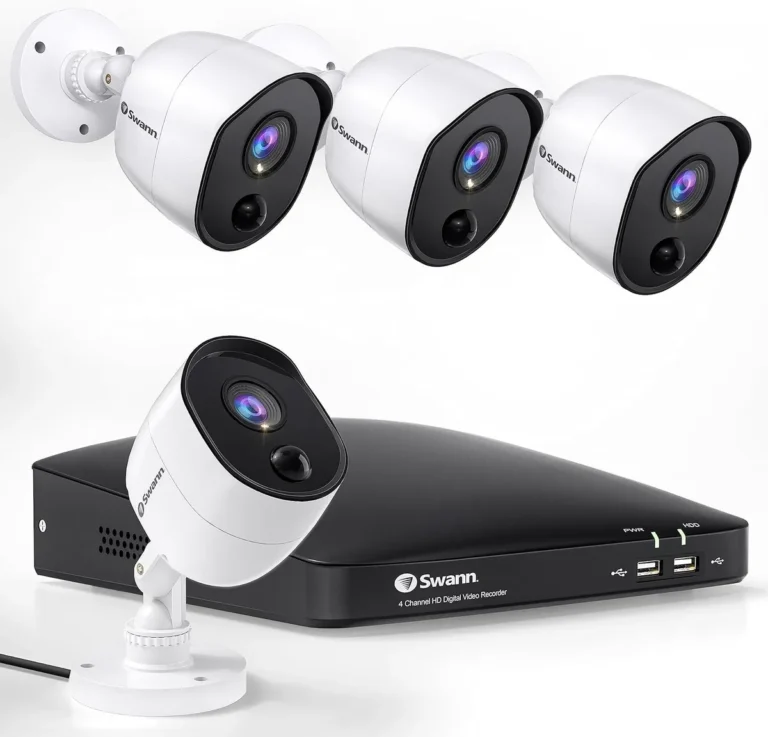
The number of cameras depends on your home's size and layout. A common recommendation is to have at least one outdoor camera covering the front entry and perhaps another for the backyard, plus indoor cameras for main living areas or high-traffic zones. Doorbell cameras also add a key layer of front-door visibility.
What's the difference between a security hub and a control panel?
While often used interchangeably, a hub is typically the central processor and communicator for wireless devices, while a control panel often includes a keypad for direct user interaction. Many modern systems combine these functions into a single smart hub.
Building Your Ideal System: A Decision Guide
Now that we've walked through the various features and components, it’s time to bring it all together. The goal isn't to get every bell and whistle, but to create a security setup that perfectly fits your life and provides genuine peace of mind. This involves making informed choices based on what you've learned.
Matching Features to Your Lifestyle and Risks
Think back to the initial considerations: your home's layout, who lives there, and what your primary concerns are. If you have pets, pet-immune sensors are a must. If you travel frequently, robust remote access and cellular backup become non-negotiable.
For apartment dwellers, wireless and easy-to-install options are key.
Planning for Future Upgrades
Security needs can change, and technology evolves rapidly. When choosing a system, consider one that allows for expansion. Many smart security platforms allow you to easily add more sensors, cameras, or integrate with new smart home devices down the line.
This modular approach helps you adapt without replacing your entire system.
5 Comments