What Is the Difference Between CCTV and Security Cameras?
You've probably heard the terms "CCTV" and "security cameras" used interchangeably, and honestly, it's easy to see why. They both deal with watching over places, but there's a specific technical difference that can matter when you're setting up surveillance. Understanding this distinction helps you choose the right system for your needs.
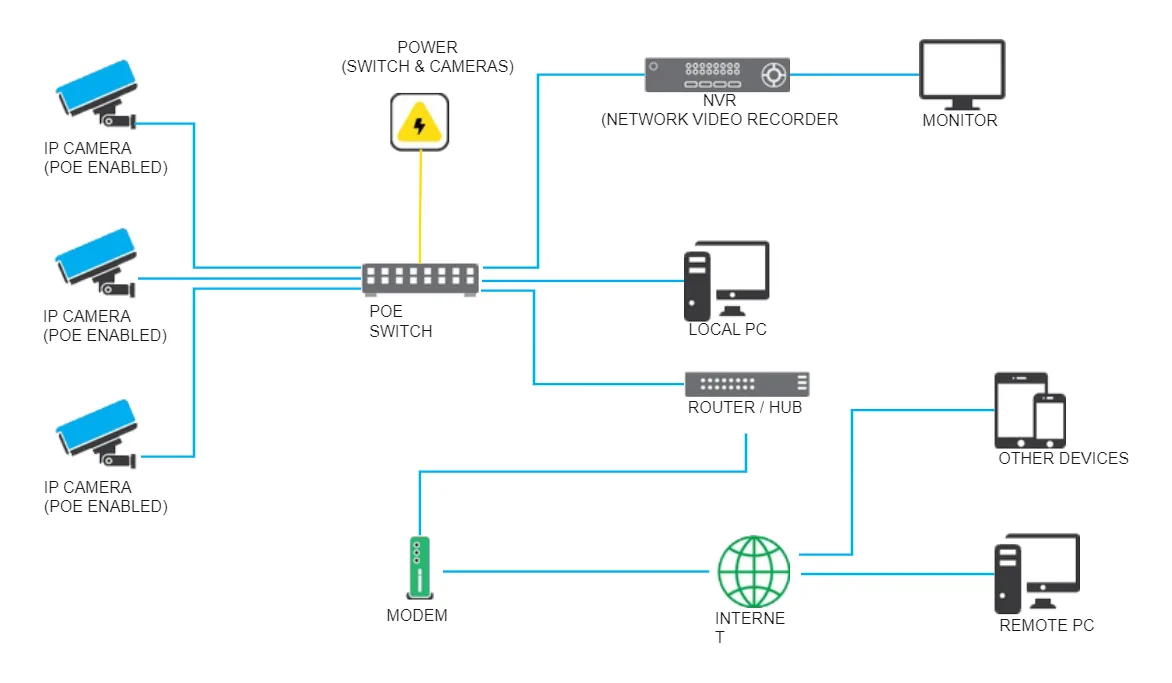
Image source: Bing (Web (fair-use with source credit))
The core difference lies in the "circuit" part of CCTV. Traditional Closed-Circuit Television systems operate on a private, dedicated network. Modern security cameras, however, often leverage existing networks, including the internet.
As of 2026, many systems offer features that go beyond traditional CCTV, like high-definition video and remote access.
Quick Answer: What's the Main Distinction?
CCTV refers to a private, closed video system, usually analog and recorded locally. Security cameras is a broader term that includes CCTV but also modern IP cameras connected via networks and the internet. CCTV is a specific type of security camera system.
CCTV: The Traditional Closed-Circuit Approach
When we talk about CCTV, we're generally referring to older, analog video surveillance systems. The "closed-circuit" part means the video signals travel on a private network, not the public internet. Think of it as a dedicated, internal loop of video.
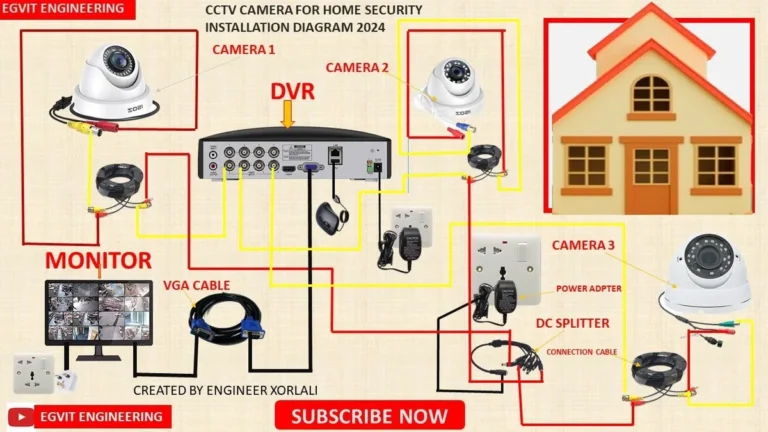
These systems typically use coaxial cables to connect cameras to a Digital Video Recorder (DVR), which stores the footage. While effective for basic surveillance, they often come with lower image resolution and fewer advanced features compared to modern options.
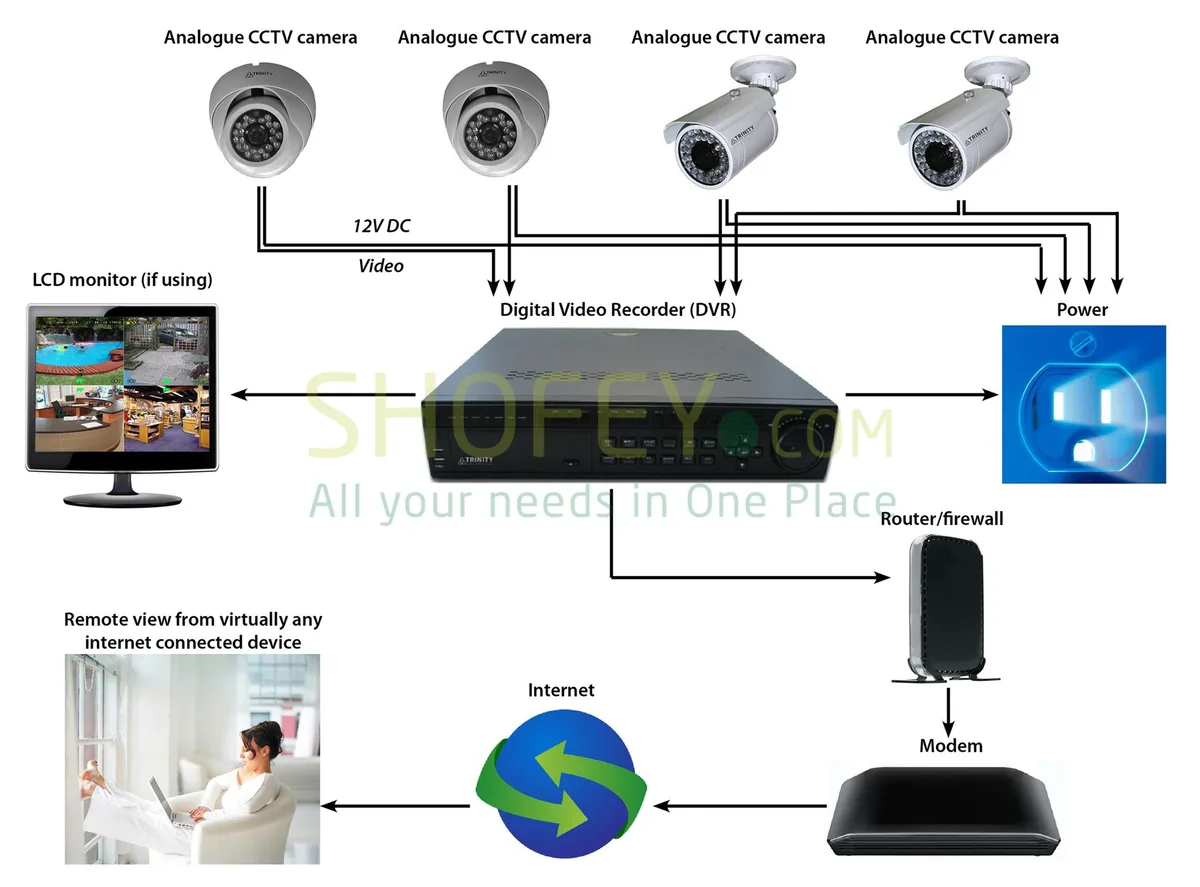
Image source: Web (Bing) / savantgarde.org (Web image (fair-use with source credit))
Key Components of CCTV Systems
A traditional CCTV setup usually involves a few key pieces. You'll have the cameras themselves, which capture the video feed. These cameras are then wired using coaxial cables to a central recording device, most commonly a Digital Video Recorder (DVR).
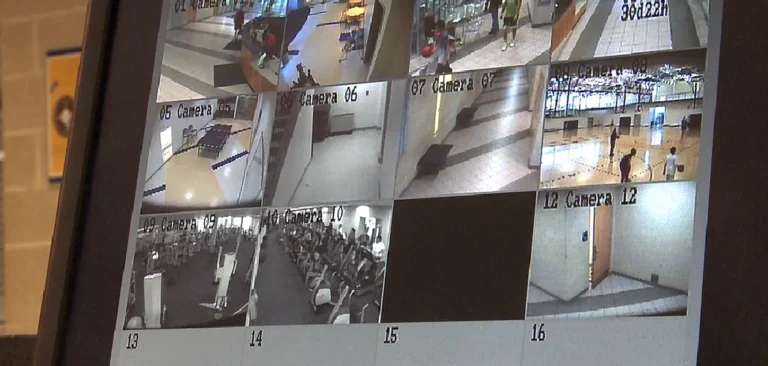
The DVR is the brain of the operation; it receives the analog signal from each camera, digitizes it, and stores the video onto a hard drive for later playback. Monitoring usually happens on a dedicated screen connected directly to the DVR.
Pros and Cons of CCTV
While CCTV systems have been a staple in security for decades, they have their trade-offs.
Pros:
- Cost-Effective: Generally, initial setup costs for basic CCTV systems can be lower than their IP counterparts.
- Simplicity: For straightforward installations, the wiring might be perceived as less complex.
- Reliability: They operate on a closed loop, meaning they aren't dependent on external internet connections for internal recording.
Cons:
- Lower Resolution: Analog cameras typically offer lower image quality, often in standard definition, making it harder to see fine details.
- Limited Features: Advanced functionalities like remote access via smartphone apps, two-way audio, or sophisticated motion alerts are usually absent.
- Scalability: Expanding a CCTV system can be more challenging and costly than with IP systems.
Security Cameras: The Modern, Broader Category
"Security cameras" is a more encompassing term that covers a wide array of video surveillance devices. This category includes traditional CCTV systems, but more importantly, it highlights the rise of IP (Internet Protocol) cameras. These modern cameras connect to your network, often via Wi-Fi or Ethernet cables, and can stream video over the internet.
This opens up a world of features like high-definition video, cloud storage, and real-time alerts directly to your smartphone.
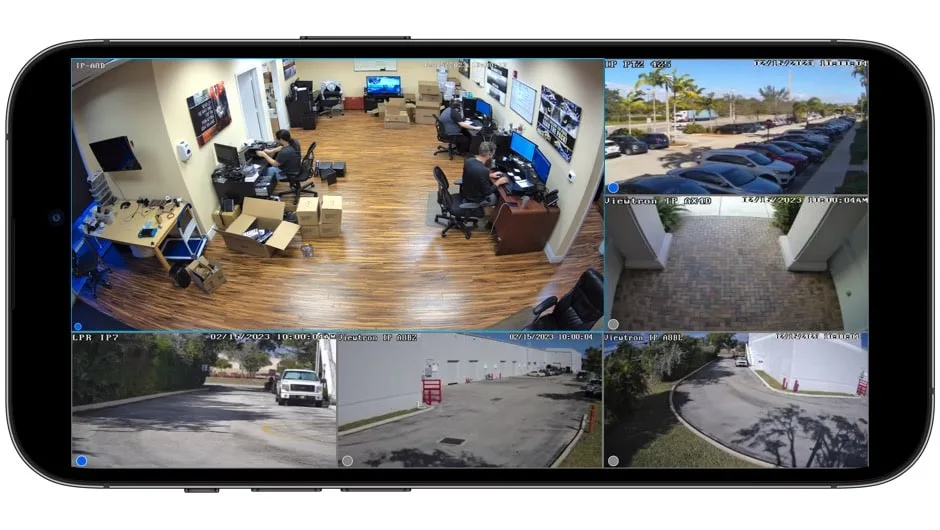
Image source: Bing (Web (fair-use with source credit))
Key Components of Modern Security Camera Systems
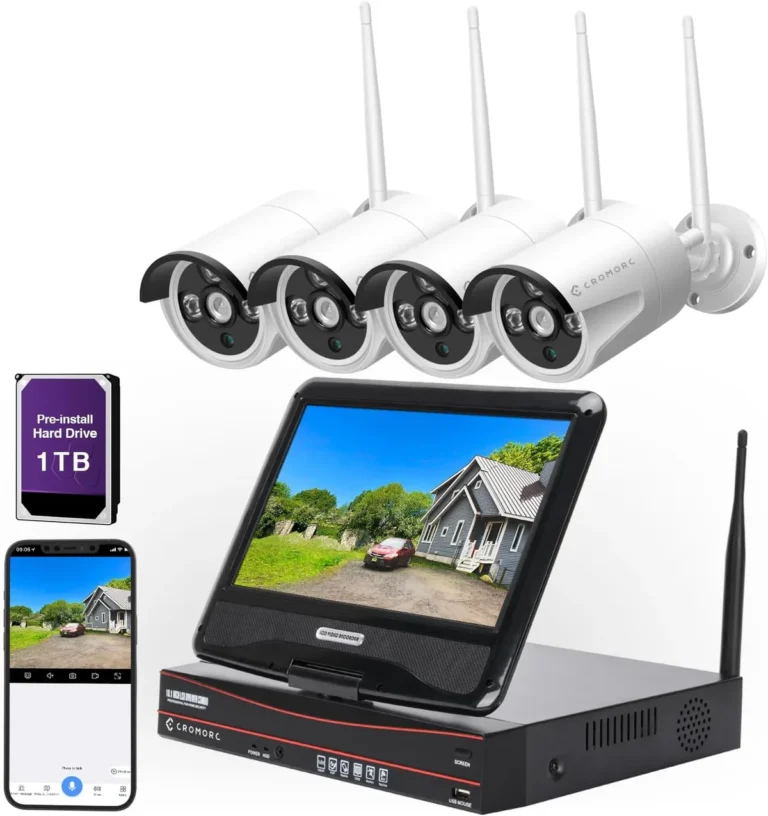
Modern security camera systems, especially those based on IP technology, offer a more connected experience. The cameras themselves are digital, capturing high-resolution video. They connect to your local network, either wirelessly via Wi-Fi (which can sometimes lead to issues with how to improve security camera WiFi signal) or via wired Ethernet for a more stable connection.
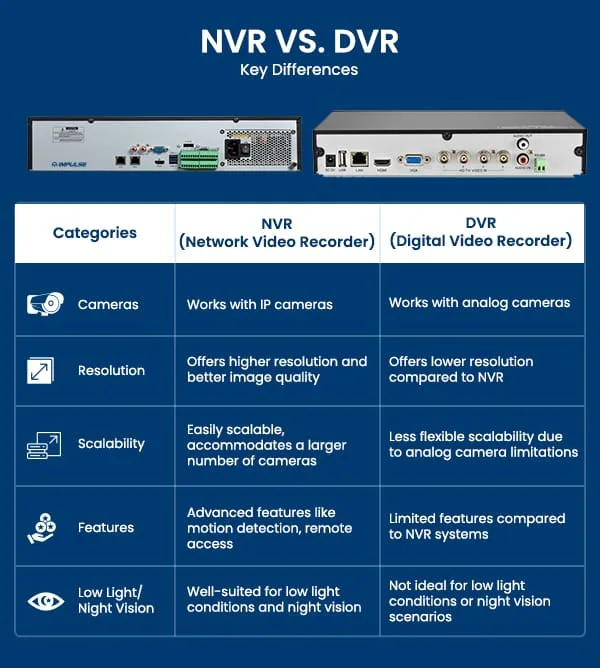
Footage is typically recorded onto a Network Video Recorder (NVR), which is similar to a DVR but designed for digital IP streams, or sent directly to cloud storage services. Many systems also allow for local storage via SD cards in the cameras themselves.
Pros and Cons of Modern Security Cameras
The advancements in security camera technology offer significant advantages, but also come with considerations.
Pros:
- High Resolution: IP cameras commonly offer HD, Full HD, or even 4K resolution, providing crystal-clear images.
- Advanced Features: Access to remote viewing apps, two-way audio, intelligent motion detection, and push notifications to your phone are standard.
- Remote Accessibility: You can monitor your property from virtually anywhere with an internet connection, which is a major perk for many users.
- Scalability: Adding more cameras to an IP system is generally straightforward.
Cons:
- Potential for Higher Cost: High-end IP cameras and comprehensive systems can be more expensive upfront.
- Network Dependency: Wireless cameras rely on a strong Wi-Fi signal, and cloud storage requires a stable internet connection. Issues like why is my security camera delayed can sometimes stem from network strain or bandwidth limitations.
- Complexity: Advanced features might require more technical know-how for initial setup and configuration.
CCTV vs. Security Cameras: A Side-by-Side Look
When you're looking at surveillance options, the lines between CCTV and modern security cameras can blur. CCTV, or Closed-Circuit Television, is a more specific, older term describing systems that use private, analog video feeds. Security cameras, on the other hand, is a broad umbrella term encompassing all cameras used for security, including both older CCTV types and newer, networked IP cameras.
The main differentiator is connectivity: CCTV is a "closed" system, while many modern security cameras connect to wider networks and the internet.
When to Choose CCTV
Traditional CCTV systems might still be a viable option if your needs are straightforward and budget is a primary concern. They are well-suited for businesses or properties that require basic, fixed surveillance without the need for advanced features or extensive remote monitoring. For example, a small retail store needing to monitor sales counters might find a simple CCTV setup sufficient for its purposes.
If you're looking for a reliable, self-contained system that doesn't require internet access to function internally, CCTV remains a possibility, though options for viewing footage remotely are often limited or cumbersome.
When to Choose Modern Security Cameras
Modern security cameras, particularly IP-based systems, are the go-to choice for most users today due to their versatility and advanced capabilities. If you want crystal-clear video quality (think HD or 4K), the ability to check in on your home or business from your smartphone anywhere in the world, or features like intelligent motion alerts that notify you of activity, then an IP camera system is likely what you need. These are excellent for homeowners wanting to monitor package deliveries or for businesses needing comprehensive surveillance with event-based recording and easy access to footage for how to transfer security camera footage.
They integrate seamlessly into modern home automation and business networks.
Common Mistakes to Avoid When Choosing
Picking the right surveillance system can be tricky, and it's easy to stumble into common pitfalls. One of the biggest mistakes is overlooking image resolution. If a camera only captures standard definition video, you might struggle to identify faces or license plates, even if the system is reliable for basic monitoring.
Another frequent error is assuming all cameras offer easy remote access; older CCTV systems often lack this capability, leading to frustration when you can't check in on your property while away.
A related issue is underestimating network requirements for IP cameras. If your home Wi-Fi is weak or your internet bandwidth is limited, you might experience video lag or disconnections. This can also affect features like why is my security camera showing a black screen.
Lastly, many people don't consider the long-term costs, such as cloud storage fees or the need for potential firmware updates, which are crucial for security as how to update security camera firmware is essential.
Frequently Asked Questions About CCTV and Security Cameras
What is the primary technical difference?
The primary difference is connectivity. CCTV systems use a private, "closed" network, usually with analog cameras and coaxial cables. Modern security cameras, especially IP cameras, connect to your existing network and can use the internet for data transmission and remote access.
Can I upgrade an old CCTV system to an IP system?
You generally can't directly upgrade an old CCTV camera to work with an IP system. However, you can replace the cameras and the recording device (DVR with an NVR or cloud service). Some hybrid systems might allow a mix of analog and IP cameras, but this is less common now.
How long should security footage be kept?
The duration for keeping security footage varies by need and regulation. For general home use, a week or two might suffice for incident review. Businesses might have longer retention policies, with some regulations recommending retention periods for how long should security footage be kept.
Always check local laws and your specific requirements.
Do security cameras use a lot of WiFi bandwidth?
Yes, especially high-resolution IP cameras recording continuously. A single HD camera can use several megabits per second of bandwidth. If you have multiple cameras or a weak WiFi signal, this can impact your internet speed and overall system performance.
It's important to consider how much data does a security camera use.
Are CCTV systems outdated?
While the core technology is older, CCTV systems are still functional for basic surveillance needs, particularly when budget is a major factor or internet connectivity is unreliable. However, for most modern applications requiring high quality, remote access, and advanced features, IP camera systems are the preferred and more capable choice.