Wired vs Wireless Home Security System
Wired vs. Wireless Home Security Systems: Making the Right Choice
Deciding on the right home security system can feel overwhelming. You're weighing options for wired vs. wireless home security systems, each promising to keep your home and loved ones safe. It’s not just about features; it’s about finding a reliable, user-friendly system that fits your lifestyle and budget.
Our research looks at the practical differences, from installation complexity to long-term maintenance. For instance, wired systems often rely on low-voltage wiring, while wireless systems typically connect via Wi-Fi, with specifications like AES encryption being a key factor for data security. We've broken down what you really need to know to make an informed choice.
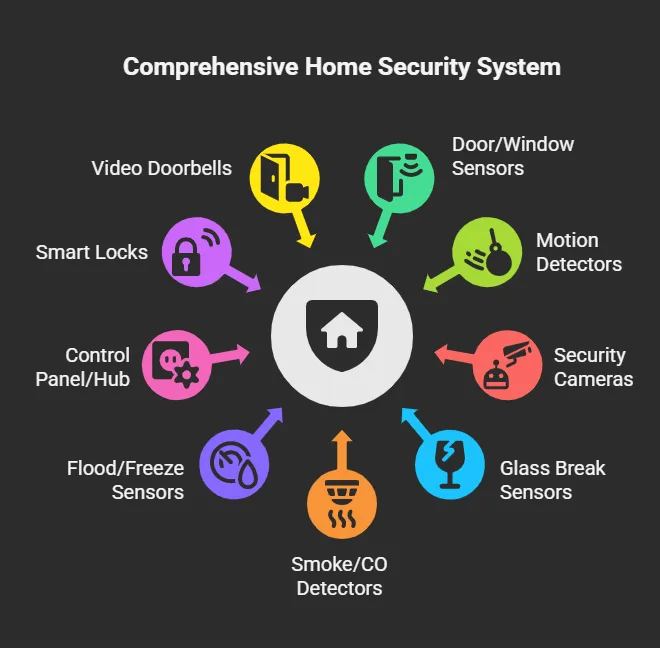
Image source: Web (Bing) / topsecuretools.com (Web image (fair-use with source credit))
Quick Answer: Wired vs. Wireless Home Security Systems
Wired systems offer superior reliability and fewer signal issues. Wireless systems provide installation flexibility and ease. Wired systems typically require professional installation.
Wireless systems are often DIY-friendly. Costs vary, with wired systems often having higher upfront installation fees.
How Wired Security Systems Work
Wired home security systems have been the standard for decades, and for good reason: they're known for their rock-solid reliability. Think of it like a landline phone, you plug it in, and it just works, usually without much fuss. These systems use physical cables to connect all the essential components, from the sensors on your doors and windows to the central control panel and the siren.
This direct physical connection means they aren't susceptible to wireless interference or signal jamming, which is a major plus for security.
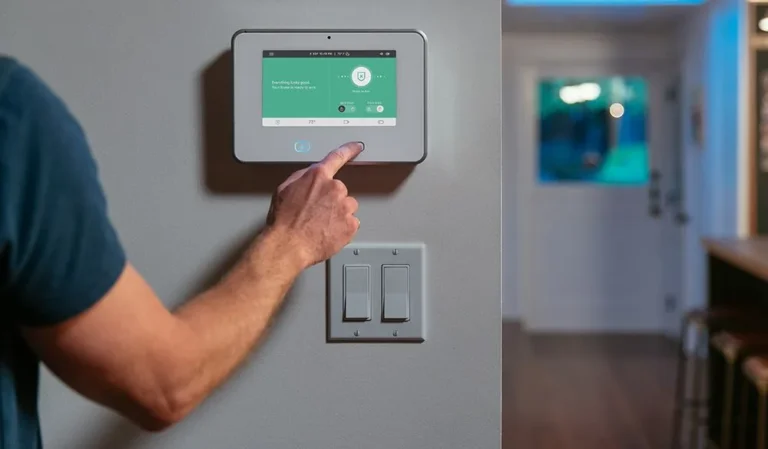
The core of a wired setup is the control panel, often called a keypad. This is the brain of the operation, where you arm and disarm the system. It’s connected via wiring to all the sensors, which detect events like a door opening or motion within a room.
When a sensor is triggered, it sends a signal directly through the wires to the control panel, which then activates the alarm or alerts a monitoring service. Because all components are hardwired, power is typically supplied directly from your home’s electrical system, often with a battery backup in the panel itself to ensure it stays functional during power outages.
Components of a Wired System
A wired security system, at its heart, is a network of interconnected devices. The control panel serves as the central hub. This is usually a wall-mounted keypad where you enter your security code to arm or disarm the system.
It’s the command center, processing all signals from the various sensors.
Next, you have your sensors. These come in a few main types. Door and window sensors are typically two-piece magnetic devices; when the door or window opens, the magnetic connection breaks, triggering the sensor. Motion detectors use passive infrared (PIR) technology to sense heat changes in a room, indicating movement. Some advanced systems also include glass break sensors that can detect the specific frequency of breaking glass.
Finally, there's the siren. This is the loud audible alarm designed to deter intruders and alert neighbors. It’s also wired directly to the control panel.
Many wired systems can also be configured to connect to a central monitoring station, which receives alerts and can dispatch emergency services.
Wired System Advantages
The biggest advantage of a wired system is its unwavering reliability. Because each component is physically tethered to the control panel via wires, you're not dealing with potential signal dropouts, Wi-Fi dead zones, or interference from other wireless devices in your home. This direct connection ensures that when a sensor is triggered, the signal gets through almost instantly and consistently.
This makes them incredibly dependable for critical security functions.
Another significant plus is power supply. Most wired systems draw power directly from your home's electrical grid. While they usually have a battery backup for the control panel in case of a power outage, the sensors themselves don't rely on batteries that need frequent changing.
This means fewer maintenance hassles and no worrying about a sensor going offline because its battery died unexpectedly. This consistent power also generally leads to more robust operation for the components themselves.
Wired System Drawbacks
The primary downside to wired systems is installation complexity. Because you need to run wires through walls, ceilings, or attics to connect everything, professional installation is almost always required. This means higher upfront costs compared to many DIY wireless options.
For renters or those who plan to move, the permanent nature of the wiring can also be a major deterrent, as removing the system often means leaving holes and discolored walls behind.
Another factor is flexibility and placement limitations. Once the wires are run, reconfiguring the system or adding new sensors in different locations can be a significant undertaking, often requiring more wiring work. This lack of easy adaptability can be frustrating if your needs change or if you discover a better spot for a sensor after the initial setup.
You're generally locked into the initial layout.
How Wireless Security Systems Work
Wireless security systems have revolutionized home protection by offering a simpler, more adaptable solution. Instead of relying on a complex web of wires, these systems use radio frequencies, primarily Wi-Fi, to communicate between the control panel, sensors, and cameras. This approach dramatically cuts down on installation time and makes them incredibly appealing for a wide range of homeowners and renters alike.
The "brain" of a wireless system is still a central hub or control panel, but it connects to your home's Wi-Fi network. Sensors, such as door/window contacts, motion detectors, and smart cameras, communicate wirelessly with this hub. Many of these sensors are battery-powered, meaning they can be placed almost anywhere without worrying about proximity to electrical outlets or running wires.
When a sensor is tripped, it sends a signal over the wireless network to the hub, which then triggers the alarm or sends an alert to your smartphone via a dedicated app.
Components of a Wireless System
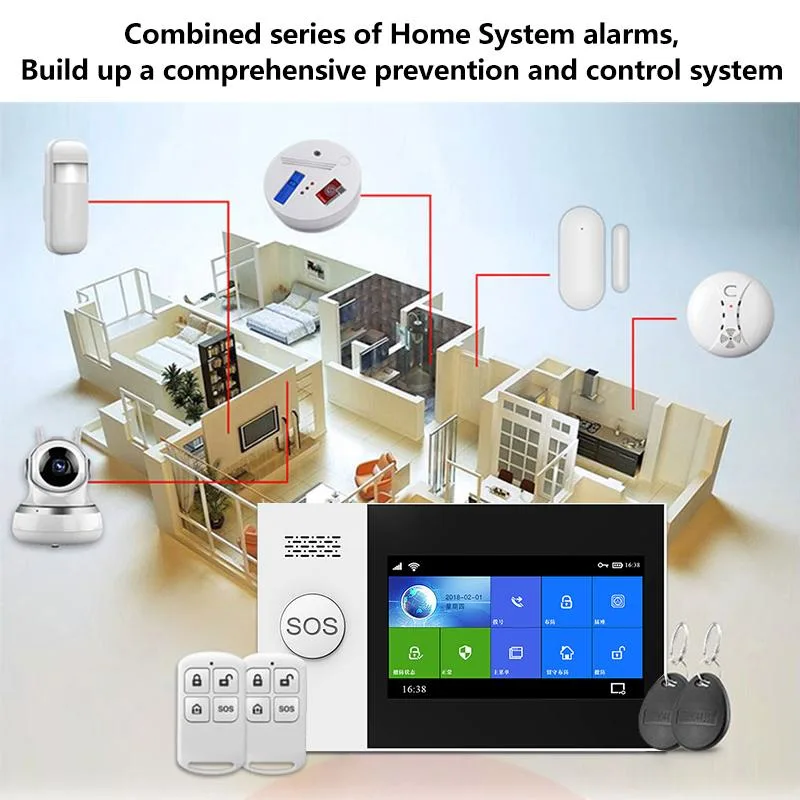
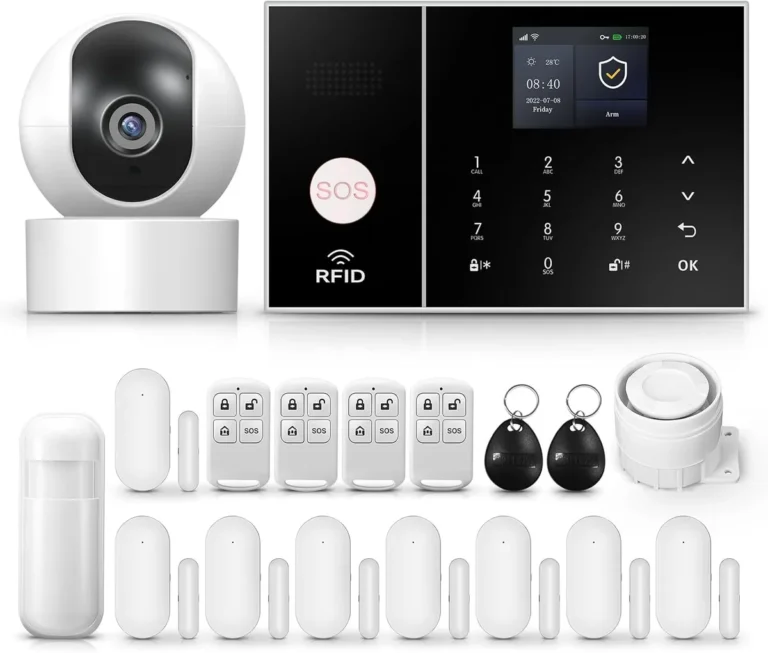
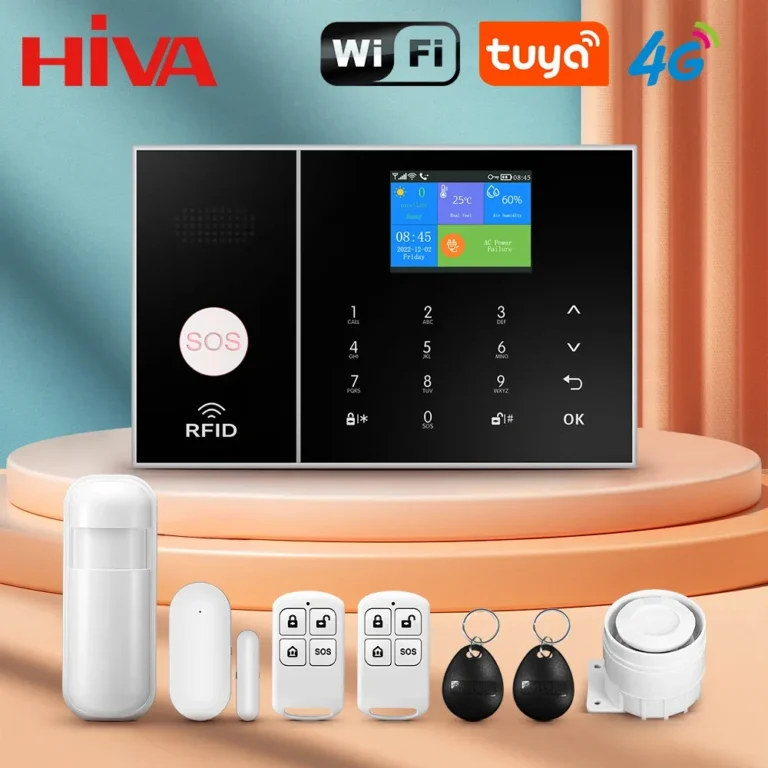
A wireless home security system is built around a set of easily installable components that communicate without physical wires. The central hub, sometimes called a gateway or base station, is the core of the system. It connects to your home's Wi-Fi network and acts as the communication bridge for all other devices.
Wireless sensors are the eyes and ears of the system. These include door and window sensors (two-piece magnetic contacts), motion detectors that sense movement via heat signatures, and often environmental sensors like smoke detectors or carbon monoxide detectors. These sensors are typically powered by long-lasting batteries, making placement highly flexible.
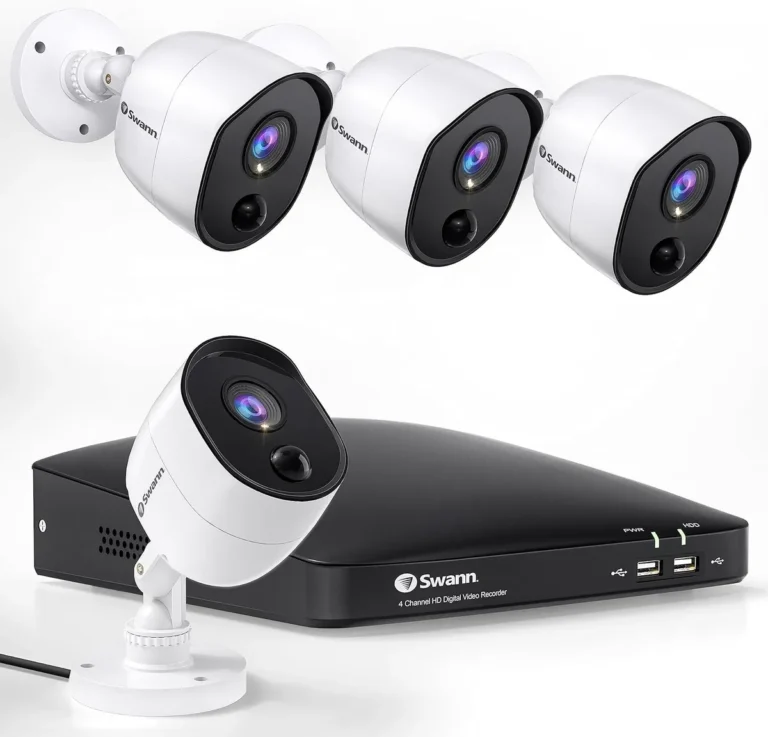
Wireless cameras, including indoor cameras and video doorbells, connect to your Wi-Fi network to stream video. Finally, a siren or alarm provides an audible deterrent. Many wireless systems also integrate with smart home assistants like Alexa or Google Assistant, allowing for voice control and automation with other smart devices.
Wireless System Advantages
The most compelling advantage of wireless security systems is their ease of installation. Because there’s no need to run wires through walls, most systems can be set up by homeowners themselves in a matter of hours. This DIY-friendliness drastically reduces installation costs and makes them ideal for renters or those who want to avoid major home renovations.
You can often buy a kit online and have it up and running the same day.
Flexibility and portability are also huge benefits. You can place wireless sensors and cameras almost anywhere your Wi-Fi signal reaches, and you can easily move them if you rearrange furniture or decide to relocate. Battery-powered sensors mean you aren’t tied to an electrical outlet, allowing for strategic placement in less accessible areas.
This adaptability makes it simple to expand or reconfigure your system as your needs change over time.
Wireless System Drawbacks
One of the primary concerns with wireless systems is potential interference and signal reliability. While modern systems use robust wireless protocols, they can still be susceptible to interference from other Wi-Fi devices, microwaves, or even certain cordless phones. This interference can occasionally lead to missed signals or delayed alerts.
Ensuring a strong Wi-Fi signal throughout your home is crucial.
Another drawback is battery dependency. Most wireless sensors run on batteries, which will eventually need to be replaced. While these batteries often last for several years (e.g., manufacturer specifications often cite 2-5 years for typical sensors), it's an ongoing maintenance task.
Forgetting to replace a battery can leave a crucial part of your security system unprotected, creating a potential vulnerability.
Wired vs. Wireless: Key Differences Compared
When you're choosing between a wired and a wireless home security system, it really comes down to a few core differences that impact everything from setup to long-term performance. It’s not just about picking the newest technology; it’s about finding the system that best aligns with your home, your technical comfort level, and your security priorities. Understanding these distinctions will help you make a much more informed decision.
We've analyzed these systems based on factors like how consistently they perform, how easy they are to get up and running, and what kind of ongoing commitment they require. For example, while many wireless systems boast quick DIY setups, wired systems often necessitate professional help due to the physical infrastructure involved. Think about your specific living situation, are you in a rental property, or is this a home you plan to stay in for years?
That can heavily influence which type of system is the more practical choice.
Reliability and Signal Integrity
For pure, unadulterated reliability, wired systems generally take the cake. Their strength lies in the physical cables connecting every component, from door sensors to the central control panel. This direct connection means you’re virtually immune to wireless interference.
Unlike wireless systems that might experience signal dropouts due to a weak Wi-Fi signal or interference from other devices, wired signals are constant and dependable. This makes them an excellent choice if your absolute top priority is a security system that you can trust to work every single time, no matter what.
Wireless systems have come a long way, using advanced protocols like Z-Wave and Zigbee, alongside Wi-Fi, to maintain strong connections. However, they are still inherently more susceptible to external factors. Things like the sheer number of connected devices in a modern smart home, thick walls, or even certain household appliances can degrade wireless signals.
This means that while wireless is often convenient, wired systems offer a superior level of signal integrity and predictable performance, particularly in complex or electrically dense environments.
Installation and Flexibility
When it comes to getting your system up and running, wireless systems offer a clear win for ease and speed. Their battery-powered sensors and Wi-Fi connectivity mean you can often install them yourself in under an hour, without drilling holes or running wires. This makes them a perfect fit for renters or anyone who doesn't want to alter their home's structure.
You can place sensors precisely where you need them, and if you decide to move, you can simply take the system with you.
Wired systems, conversely, are far more labor-intensive to install. Running wires through walls, attics, and basements typically requires professional expertise and can take a full day or more, depending on the size of your home and the complexity of the installation. While this provides a very permanent and robust setup, it significantly limits your flexibility.
Once the wires are in place, moving components or reconfiguring the system later on can be a costly and complicated process, making them less ideal for those who anticipate moving or frequently changing their home layout.
Power and Maintenance
Powering a home security system is a critical consideration, and here’s where wired and wireless systems diverge significantly. Wired systems typically draw their primary power from your home's electrical supply. This means your control panel and potentially some wired sensors are always powered, eliminating the need for frequent battery changes.
While most wired systems include a battery backup for the main panel in case of a power outage, often lasting 24 hours or more according to manufacturer specs, the sensors themselves don't require individual battery maintenance.
Wireless systems, on the other hand, rely heavily on batteries for their sensors and often for the cameras as well. While these batteries are designed to last for several years, common estimates range from two to five years depending on the device and usage patterns, they do represent an ongoing maintenance task. You'll need to keep track of battery life and replace them proactively to ensure your system remains fully operational.
Some advanced wireless systems offer rechargeable battery packs or low-battery alerts through their apps, but the fundamental reliance on batteries is a key difference.
Cost Considerations
When you look at the price tag, the upfront costs often favor wireless systems, especially if you're planning a do-it-yourself installation. You can purchase a complete wireless starter kit for a few hundred dollars, and then add components as needed. The lack of professional installation fees is a major cost-saver here.
However, it’s important to consider the long-term costs associated with wireless systems, primarily battery replacements, which can add up over the lifespan of the system.
Wired systems, while potentially more expensive initially due to the need for professional installation, can sometimes be more cost-effective over the very long haul, especially if they are installed as part of new home construction. The absence of recurring battery replacement costs means fewer ongoing expenses. However, if you're retrofitting a wired system into an existing home, the installation labor can significantly drive up the initial price, making it a larger upfront investment than most wireless DIY kits.
Scalability and Future-Proofing
Scalability is an important factor, especially if you anticipate your security needs changing or expanding over time. Wireless systems generally excel here. Because components communicate wirelessly, it’s typically very easy to add new sensors, cameras, or other devices to an existing system.
You simply purchase a new component, pair it with the hub via the system’s app, and you're done. This makes wireless systems highly adaptable to growing homes or evolving security requirements, allowing you to customize your protection level as needed.
Wired systems are more rigid in their scalability. Adding a new sensor, for instance, usually means running an additional wire back to the control panel, which can be a complex and potentially expensive process, often requiring another service call. While the core wired infrastructure is exceptionally stable, its ability to adapt to significant changes or expansions is limited compared to the plug-and-play nature of wireless components.
This means that if you foresee needing to significantly alter your system's layout or add many new devices down the line, a wireless or hybrid approach might offer more long-term flexibility.
How Wireless Security Systems Work
Wireless security systems have revolutionized home protection by offering a simpler, more adaptable solution. Instead of relying on a complex web of wires, these systems use radio frequencies, primarily Wi-Fi, to communicate between the control panel, sensors, and cameras. This approach dramatically cuts down on installation time and makes them incredibly appealing for a wide range of homeowners and renters alike.
The "brain" of a wireless system is still a central hub or control panel, but it connects to your home's Wi-Fi network. Sensors, such as door/window contacts, motion detectors, and smart cameras, communicate wirelessly with this hub. Many of these sensors are battery-powered, meaning they can be placed almost anywhere without worrying about proximity to electrical outlets or running wires.
When a sensor is tripped, it sends a signal over the wireless network to the hub, which then triggers the alarm or sends an alert to your smartphone via a dedicated app.
Components of a Wireless System
A wireless home security system is built around a set of easily installable components that communicate without physical wires. The central hub, sometimes called a gateway or base station, is the core of the system. It connects to your home's Wi-Fi network and acts as the communication bridge for all other devices.
Wireless sensors are the eyes and ears of the system. These include door and window sensors (two-piece magnetic contacts), motion detectors that sense movement via heat signatures, and often environmental sensors like smoke detectors or carbon monoxide detectors. These sensors are typically powered by long-lasting batteries, making placement highly flexible.
Wireless cameras, including indoor cameras and video doorbells, connect to your Wi-Fi network to stream video. Finally, a siren or alarm provides an audible deterrent. Many wireless systems also integrate with smart home assistants like Alexa or Google Assistant, allowing for voice control and automation with other smart devices.
Wireless System Advantages
The most compelling advantage of wireless security systems is their ease of installation. Because there’s no need to run wires through walls, most systems can be set up by homeowners themselves in a matter of hours. This DIY-friendliness drastically reduces installation costs and makes them ideal for renters or those who want to avoid major home renovations.
You can often buy a kit online and have it up and running the same day.
Flexibility and portability are also huge benefits. You can place wireless sensors and cameras almost anywhere your Wi-Fi signal reaches, and you can easily move them if you rearrange furniture or decide to relocate. Battery-powered sensors mean you aren’t tied to an electrical outlet, allowing for strategic placement in less accessible areas.
This adaptability makes it simple to expand or reconfigure your system as your needs change over time.
Wireless System Drawbacks
One of the primary concerns with wireless systems is potential interference and signal reliability. While modern systems use robust wireless protocols, they can still be susceptible to interference from other Wi-Fi devices, microwaves, or even certain cordless phones. This interference can occasionally lead to missed signals or delayed alerts.
Ensuring a strong Wi-Fi signal throughout your home is crucial.
Another drawback is battery dependency. Most wireless sensors run on batteries, which will eventually need to be replaced. While these batteries often last for several years (e.g., manufacturer specifications often cite 2-5 years for typical sensors), it's an ongoing maintenance task.
Forgetting to replace a battery can leave a crucial part of your security system unprotected, creating a potential vulnerability.
Wired vs. Wireless: Key Differences Compared
When you're choosing between a wired and a wireless home security system, it really comes down to a few core differences that impact everything from setup to long-term performance. It’s not just about picking the newest technology; it’s about finding the system that best aligns with your home, your technical comfort level, and your security priorities. Understanding these distinctions will help you make a much more informed decision.
We've analyzed these systems based on factors like how consistently they perform, how easy they are to get up and running, and what kind of ongoing commitment they require. For example, while many wireless systems boast quick DIY setups, wired systems often necessitate professional help due to the physical infrastructure involved. Think about your specific living situation, are you in a rental property, or is this a home you plan to stay in for years?
That can heavily influence which type of system is the more practical choice.
Reliability and Signal Integrity
For pure, unadulterated reliability, wired systems generally take the cake. Their strength lies in the physical cables connecting every component, from door sensors to the central control panel. This direct connection means you’re virtually immune to wireless interference.
Unlike wireless systems that might experience signal dropouts due to a weak Wi-Fi signal or interference from other devices, wired signals are constant and dependable. This makes them an excellent choice if your absolute top priority is a security system that you can trust to work every single time, no matter what.
Wireless systems have come a long way, using advanced protocols like Z-Wave and Zigbee, alongside Wi-Fi, to maintain strong connections. However, they are still inherently more susceptible to external factors. Things like the sheer number of connected devices in a modern smart home, thick walls, or even certain household appliances can degrade wireless signals.
This means that while wireless is often convenient, wired systems offer a superior level of signal integrity and predictable performance, particularly in complex or electrically dense environments.
Installation and Flexibility
When it comes to getting your system up and running, wireless systems offer a clear win for ease and speed. Their battery-powered sensors and Wi-Fi connectivity mean you can often install them yourself in under an hour, without drilling holes or running wires. This makes them a perfect fit for renters or anyone who doesn't want to alter their home's structure.
You can place sensors precisely where you need them, and if you decide to move, you can simply take the system with you.
Wired systems, conversely, are far more labor-intensive to install. Running wires through walls, attics, and basements typically requires professional expertise and can take a full day or more, depending on the size of your home and the complexity of the installation. While this provides a very permanent and robust setup, it significantly limits your flexibility.
Once the wires are in place, moving components or reconfiguring the system later on can be a costly and complicated process, making them less ideal for those who anticipate moving or frequently changing their home layout.
Power and Maintenance
Powering a home security system is a critical consideration, and here’s where wired and wireless systems diverge significantly. Wired systems typically draw their primary power from your home's electrical supply. This means your control panel and potentially some wired sensors are always powered, eliminating the need for frequent battery changes.
While most wired systems include a battery backup for the main panel in case of a power outage, often lasting 24 hours or more according to manufacturer specs, the sensors themselves don't require individual battery maintenance.
Wireless systems, on the other hand, rely heavily on batteries for their sensors and often for the cameras as well. While these batteries are designed to last for several years, common estimates range from two to five years depending on the device and usage patterns, they do represent an ongoing maintenance task. You'll need to keep track of battery life and replace them proactively to ensure your system remains fully operational.
Some advanced wireless systems offer rechargeable battery packs or low-battery alerts through their apps, but the fundamental reliance on batteries is a key difference.
Cost Considerations
When you look at the price tag, the upfront costs often favor wireless systems, especially if you're planning a do-it-yourself installation. You can purchase a complete wireless starter kit for a few hundred dollars, and then add components as needed. The lack of professional installation fees is a major cost-saver here.
However, it’s important to consider the long-term costs associated with wireless systems, primarily battery replacements, which can add up over the lifespan of the system.
Wired systems, while potentially more expensive initially due to the need for professional installation, can sometimes be more cost-effective over the very long haul, especially if they are installed as part of new home construction. The absence of recurring battery replacement costs means fewer ongoing expenses. However, if you're retrofitting a wired system into an existing home, the installation labor can significantly drive up the initial price, making it a larger upfront investment than most wireless DIY kits.
Scalability and Future-Proofing
Scalability is an important factor, especially if you anticipate your security needs changing or expanding over time. Wireless systems generally excel here. Because components communicate wirelessly, it’s typically very easy to add new sensors, cameras, or other devices to an existing system.
You simply purchase a new component, pair it with the hub via the system’s app, and you're done. This makes wireless systems highly adaptable to growing homes or evolving security requirements, allowing you to customize your protection level as needed.
Wired systems are more rigid in their scalability. Adding a new sensor, for instance, usually means running an additional wire back to the control panel, which can be a complex and potentially expensive process, often requiring another service call. While the core wired infrastructure is exceptionally stable, its ability to adapt to significant changes or expansions is limited compared to the plug-and-play nature of wireless components.
This means that if you foresee needing to significantly alter your system's layout or add many new devices down the line, a wireless or hybrid approach might offer more long-term flexibility.
How Wireless Security Systems Work
Wireless security systems have revolutionized home protection by offering a simpler, more adaptable solution. Instead of relying on a complex web of wires, these systems use radio frequencies, primarily Wi-Fi, to communicate between the control panel, sensors, and cameras. This approach dramatically cuts down on installation time and makes them incredibly appealing for a wide range of homeowners and renters alike.
The "brain" of a wireless system is still a central hub or control panel, but it connects to your home's Wi-Fi network. Sensors, such as door/window contacts, motion detectors, and smart cameras, communicate wirelessly with this hub. Many of these sensors are battery-powered, meaning they can be placed almost anywhere without worrying about proximity to electrical outlets or running wires.
When a sensor is tripped, it sends a signal over the wireless network to the hub, which then triggers the alarm or sends an alert to your smartphone via a dedicated app.
Components of a Wireless System
A wireless home security system is built around a set of easily installable components that communicate without physical wires. The central hub, sometimes called a gateway or base station, is the core of the system. It connects to your home's Wi-Fi network and acts as the communication bridge for all other devices.
Wireless sensors are the eyes and ears of the system. These include door and window sensors (two-piece magnetic contacts), motion detectors that sense movement via heat signatures, and often environmental sensors like smoke detectors or carbon monoxide detectors. These sensors are typically powered by long-lasting batteries, making placement highly flexible.
Wireless cameras, including indoor cameras and video doorbells, connect to your Wi-Fi network to stream video. Finally, a siren or alarm provides an audible deterrent. Many wireless systems also integrate with smart home assistants like Alexa or Google Assistant, allowing for voice control and automation with other smart devices.
Wireless System Advantages
The most compelling advantage of wireless security systems is their ease of installation. Because there’s no need to run wires through walls, most systems can be set up by homeowners themselves in a matter of hours. This DIY-friendliness drastically reduces installation costs and makes them ideal for renters or those who want to avoid major home renovations.
You can often buy a kit online and have it up and running the same day.
Flexibility and portability are also huge benefits. You can place wireless sensors and cameras almost anywhere your Wi-Fi signal reaches, and you can easily move them if you rearrange furniture or decide to relocate. Battery-powered sensors mean you aren’t tied to an electrical outlet, allowing for strategic placement in less accessible areas.
This adaptability makes it simple to expand or reconfigure your system as your needs change over time.
Wireless System Drawbacks
One of the primary concerns with wireless systems is potential interference and signal reliability. While modern systems use robust wireless protocols, they can still be susceptible to interference from other Wi-Fi devices, microwaves, or even certain cordless phones. This interference can occasionally lead to missed signals or delayed alerts.
Ensuring a strong Wi-Fi signal throughout your home is crucial.
Another drawback is battery dependency. Most wireless sensors run on batteries, which will eventually need to be replaced. While these batteries often last for several years (e.g., manufacturer specifications often cite 2-5 years for typical sensors), it's an ongoing maintenance task.
Forgetting to replace a battery can leave a crucial part of your security system unprotected, creating a potential vulnerability.
Wired vs. Wireless: Key Differences Compared
When you're choosing between a wired and a wireless home security system, it really comes down to a few core differences that impact everything from setup to long-term performance. It’s not just about picking the newest technology; it’s about finding the system that best aligns with your home, your technical comfort level, and your security priorities. Understanding these distinctions will help you make a much more informed decision.
We've analyzed these systems based on factors like how consistently they perform, how easy they are to get up and running, and what kind of ongoing commitment they require. For example, while many wireless systems boast quick DIY setups, wired systems often necessitate professional help due to the physical infrastructure involved. Think about your specific living situation, are you in a rental property, or is this a home you plan to stay in for years?
That can heavily influence which type of system is the more practical choice.
Reliability and Signal Integrity
For pure, unadulterated reliability, wired systems generally take the cake. Their strength lies in the physical cables connecting every component, from door sensors to the central control panel. This direct connection means you’re virtually immune to wireless interference.
Unlike wireless systems that might experience signal dropouts due to a weak Wi-Fi signal or interference from other devices, wired signals are constant and dependable. This makes them an excellent choice if your absolute top priority is a security system that you can trust to work every single time, no matter what.
Wireless systems have come a long way, using advanced protocols like Z-Wave and Zigbee, alongside Wi-Fi, to maintain strong connections. However, they are still inherently more susceptible to external factors. Things like the sheer number of connected devices in a modern smart home, thick walls, or even certain household appliances can degrade wireless signals.
This means that while wireless is often convenient, wired systems offer a superior level of signal integrity and predictable performance, particularly in complex or electrically dense environments.
Installation and Flexibility
When it comes to getting your system up and running, wireless systems offer a clear win for ease and speed. Their battery-powered sensors and Wi-Fi connectivity mean you can often install them yourself in under an hour, without drilling holes or running wires. This makes them a perfect fit for renters or anyone who doesn't want to alter their home's structure.
You can place sensors precisely where you need them, and if you decide to move, you can simply take the system with you.
Wired systems, conversely, are far more labor-intensive to install. Running wires through walls, attics, and basements typically requires professional expertise and can take a full day or more, depending on the size of your home and the complexity of the installation. While this provides a very permanent and robust setup, it significantly limits your flexibility.
Once the wires are in place, moving components or reconfiguring the system later on can be a costly and complicated process, making them less ideal for those who anticipate moving or frequently changing their home layout.
Power and Maintenance
Powering a home security system is a critical consideration, and here’s where wired and wireless systems diverge significantly. Wired systems typically draw their primary power from your home's electrical supply. This means your control panel and potentially some wired sensors are always powered, eliminating the need for frequent battery changes.
While most wired systems include a battery backup for the main panel in case of a power outage, often lasting 24 hours or more according to manufacturer specs, the sensors themselves don't require individual battery maintenance.
Wireless systems, on the other hand, rely heavily on batteries for their sensors and often for the cameras as well. While these batteries are designed to last for several years, common estimates range from two to five years depending on the device and usage patterns, they do represent an ongoing maintenance task. You'll need to keep track of battery life and replace them proactively to ensure your system remains fully operational.
Some advanced wireless systems offer rechargeable battery packs or low-battery alerts through their apps, but the fundamental reliance on batteries is a key difference.
Cost Considerations
When you look at the price tag, the upfront costs often favor wireless systems, especially if you're planning a do-it-yourself installation. You can purchase a complete wireless starter kit for a few hundred dollars, and then add components as needed. The lack of professional installation fees is a major cost-saver here.
However, it’s important to consider the long-term costs associated with wireless systems, primarily battery replacements, which can add up over the lifespan of the system.
Wired systems, while potentially more expensive initially due to the need for professional installation, can sometimes be more cost-effective over the very long haul, especially if they are installed as part of new home construction. The absence of recurring battery replacement costs means fewer ongoing expenses. However, if you're retrofitting a wired system into an existing home, the installation labor can significantly drive up the initial price, making it a larger upfront investment than most wireless DIY kits.
Scalability and Future-Proofing
Scalability is an important factor, especially if you anticipate your security needs changing or expanding over time. Wireless systems generally excel here. Because components communicate wirelessly, it’s typically very easy to add new sensors, cameras, or other devices to an existing system.
You simply purchase a new component, pair it with the hub via the system’s app, and you're done. This makes wireless systems highly adaptable to growing homes or evolving security requirements, allowing you to customize your protection level as needed.
Wired systems are more rigid in their scalability. Adding a new sensor, for instance, usually means running an additional wire back to the control panel, which can be a complex and potentially expensive process, often requiring another service call. While the core wired infrastructure is exceptionally stable, its ability to adapt to significant changes or expansions is limited compared to the plug-and-play nature of wireless components.
This means that if you foresee needing to significantly alter your system's layout or add many new devices down the line, a wireless or hybrid approach might offer more long-term flexibility.
How Wireless Security Systems Work
Wireless security systems have revolutionized home protection by offering a simpler, more adaptable solution. Instead of relying on a complex web of wires, these systems use radio frequencies, primarily Wi-Fi, to communicate between the control panel, sensors, and cameras. This approach dramatically cuts down on installation time and makes them incredibly appealing for a wide range of homeowners and renters alike.
The "brain" of a wireless system is still a central hub or control panel, but it connects to your home's Wi-Fi network. Sensors, such as door/window contacts, motion detectors, and smart cameras, communicate wirelessly with this hub. Many of these sensors are battery-powered, meaning they can be placed almost anywhere without worrying about proximity to electrical outlets or running wires.
When a sensor is tripped, it sends a signal over the wireless network to the hub, which then triggers the alarm or sends an alert to your smartphone via a dedicated app.
Components of a Wireless System
A wireless home security system is built around a set of easily installable components that communicate without physical wires. The central hub, sometimes called a gateway or base station, is the core of the system. It connects to your home's Wi-Fi network and acts as the communication bridge for all other devices.
Wireless sensors are the eyes and ears of the system. These include door and window sensors (two-piece magnetic contacts), motion detectors that sense movement via heat signatures, and often environmental sensors like smoke detectors or carbon monoxide detectors. These sensors are typically powered by long-lasting batteries, making placement highly flexible.
Wireless cameras, including indoor cameras and video doorbells, connect to your Wi-Fi network to stream video. Finally, a siren or alarm provides an audible deterrent. Many wireless systems also integrate with smart home assistants like Alexa or Google Assistant, allowing for voice control and automation with other smart devices.
Wireless System Advantages
The most compelling advantage of wireless security systems is their ease of installation. Because there’s no need to run wires through walls, most systems can be set up by homeowners themselves in a matter of hours. This DIY-friendliness drastically reduces installation costs and makes them ideal for renters or those who want to avoid major home renovations.
You can often buy a kit online and have it up and running the same day.
Flexibility and portability are also huge benefits. You can place wireless sensors and cameras almost anywhere your Wi-Fi signal reaches, and you can easily move them if you rearrange furniture or decide to relocate. Battery-powered sensors mean you aren’t tied to an electrical outlet, allowing for strategic placement in less accessible areas.
This adaptability makes it simple to expand or reconfigure your system as your needs change over time.
Wireless System Drawbacks
One of the primary concerns with wireless systems is potential interference and signal reliability. While modern systems use robust wireless protocols, they can still be susceptible to interference from other Wi-Fi devices, microwaves, or even certain cordless phones. This interference can occasionally lead to missed signals or delayed alerts.
Ensuring a strong Wi-Fi signal throughout your home is crucial.
Another drawback is battery dependency. Most wireless sensors run on batteries, which will eventually need to be replaced. While these batteries often last for several years (e.g., manufacturer specifications often cite 2-5 years for typical sensors), it's an ongoing maintenance task.
Forgetting to replace a battery can leave a crucial part of your security system unprotected, creating a potential vulnerability.
Wired vs. Wireless: Key Differences Compared
When you're choosing between a wired and a wireless home security system, it really comes down to a few core differences that impact everything from setup to long-term performance. It’s not just about picking the newest technology; it’s about finding the system that best aligns with your home, your technical comfort level, and your security priorities. Understanding these distinctions will help you make a much more informed decision.
We've analyzed these systems based on factors like how consistently they perform, how easy they are to get up and running, and what kind of ongoing commitment they require. For example, while many wireless systems boast quick DIY setups, wired systems often necessitate professional help due to the physical infrastructure involved. Think about your specific living situation, are you in a rental property, or is this a home you plan to stay in for years?
That can heavily influence which type of system is the more practical choice.
Reliability and Signal Integrity
For pure, unadulterated reliability, wired systems generally take the cake. Their strength lies in the physical cables connecting every component, from door sensors to the central control panel. This direct connection means you’re virtually immune to wireless interference.
Unlike wireless systems that might experience signal dropouts due to a weak Wi-Fi signal or interference from other devices, wired signals are constant and dependable. This makes them an excellent choice if your absolute top priority is a security system that you can trust to work every single time, no matter what.
Wireless systems have come a long way, using advanced protocols like Z-Wave and Zigbee, alongside Wi-Fi, to maintain strong connections. However, they are still inherently more susceptible to external factors. Things like the sheer number of connected devices in a modern smart home, thick walls, or even certain household appliances can degrade wireless signals.
This means that while wireless is often convenient, wired systems offer a superior level of signal integrity and predictable performance, particularly in complex or electrically dense environments.
Installation and Flexibility
When it comes to getting your system up and running, wireless systems offer a clear win for ease and speed. Their battery-powered sensors and Wi-Fi connectivity mean you can often install them yourself in under an hour, without drilling holes or running wires. This makes them a perfect fit for renters or anyone who doesn't want to alter their home's structure.
You can place sensors precisely where you need them, and if you decide to move, you can simply take the system with you.
Wired systems, conversely, are far more labor-intensive to install. Running wires through walls, attics, and basements typically requires professional expertise and can take a full day or more, depending on the size of your home and the complexity of the installation. While this provides a very permanent and robust setup, it significantly limits your flexibility.
Once the wires are in place, moving components or reconfiguring the system later on can be a costly and complicated process, making them less ideal for those who anticipate moving or frequently changing their home layout.
Power and Maintenance
Powering a home security system is a critical consideration, and here’s where wired and wireless systems diverge significantly. Wired systems typically draw their primary power from your home's electrical supply. This means your control panel and potentially some wired sensors are always powered, eliminating the need for frequent battery changes.
While most wired systems include a battery backup for the main panel in case of a power outage, often lasting 24 hours or more according to manufacturer specs, the sensors themselves don't require individual battery maintenance.
Wireless systems, on the other hand, rely heavily on batteries for their sensors and often for the cameras as well. While these batteries are designed to last for several years, common estimates range from two to five years depending on the device and usage patterns, they do represent an ongoing maintenance task. You'll need to keep track of battery life and replace them proactively to ensure your system remains fully operational.
Some advanced wireless systems offer rechargeable battery packs or low-battery alerts through their apps, but the fundamental reliance on batteries is a key difference.
Cost Considerations
When you look at the price tag, the upfront costs often favor wireless systems, especially if you're planning a do-it-yourself installation. You can purchase a complete wireless starter kit for a few hundred dollars, and then add components as needed. The lack of professional installation fees is a major cost-saver here.
However, it’s important to consider the long-term costs associated with wireless systems, primarily battery replacements, which can add up over the lifespan of the system.
Wired systems, while potentially more expensive initially due to the need for professional installation, can sometimes be more cost-effective over the very long haul, especially if they are installed as part of new home construction. The absence of recurring battery replacement costs means fewer ongoing expenses. However, if you're retrofitting a wired system into an existing home, the installation labor can significantly drive up the initial price, making it a larger upfront investment than most wireless DIY kits.
Scalability and Future-Proofing
Scalability is an important factor, especially if you anticipate your security needs changing or expanding over time. Wireless systems generally excel here. Because components communicate wirelessly, it’s typically very easy to add new sensors, cameras, or other devices to an existing system.
You simply purchase a new component, pair it with the hub via the system’s app, and you're done. This makes wireless systems highly adaptable to growing homes or evolving security requirements, allowing you to customize your protection level as needed.
Wired systems are more rigid in their scalability. Adding a new sensor, for instance, usually means running an additional wire back to the control panel, which can be a complex and potentially expensive process, often requiring another service call. While the core wired infrastructure is exceptionally stable, its ability to adapt to significant changes or expansions is limited compared to the plug-and-play nature of wireless components.
This means that if you foresee needing to significantly alter your system's layout or add many new devices down the line, a wireless or hybrid approach might offer more long-term flexibility.
How Wireless Security Systems Work
Wireless security systems have revolutionized home protection by offering a simpler, more adaptable solution. Instead of relying on a complex web of wires, these systems use radio frequencies, primarily Wi-Fi, to communicate between the control panel, sensors, and cameras. This approach dramatically cuts down on installation time and makes them incredibly appealing for a wide range of homeowners and renters alike.
The "brain" of a wireless system is still a central hub or control panel, but it connects to your home's Wi-Fi network. Sensors, such as door/window contacts, motion detectors, and smart cameras, communicate wirelessly with this hub. Many of these sensors are battery-powered, meaning they can be placed almost anywhere without worrying about proximity to electrical outlets or running wires.
When a sensor is tripped, it sends a signal over the wireless network to the hub, which then triggers the alarm or sends an alert to your smartphone via a dedicated app.
Components of a Wireless System
A wireless home security system is built around a set of easily installable components that communicate without physical wires. The central hub, sometimes called a gateway or base station, is the core of the system. It connects to your home's Wi-Fi network and acts as the communication bridge for all other devices.
Wireless sensors are the eyes and ears of the system. These include door and window sensors (two-piece magnetic contacts), motion detectors that sense movement via heat signatures, and often environmental sensors like smoke detectors or carbon monoxide detectors. These sensors are typically powered by long-lasting batteries, making placement highly flexible.
Wireless cameras, including indoor cameras and video doorbells, connect to your Wi-Fi network to stream video. Finally, a siren or alarm provides an audible deterrent. Many wireless systems also integrate with smart home assistants like Alexa or Google Assistant, allowing for voice control and automation with other smart devices.
Wireless System Advantages
The most compelling advantage of wireless security systems is their ease of installation. Because there’s no need to run wires through walls, most systems can be set up by homeowners themselves in a matter of hours. This DIY-friendliness drastically reduces installation costs and makes them ideal for renters or those who want to avoid major home renovations.
You can often buy a kit online and have it up and running the same day.
Flexibility and portability are also huge benefits. You can place wireless sensors and cameras almost anywhere your Wi-Fi signal reaches, and you can easily move them if you rearrange furniture or decide to relocate. Battery-powered sensors mean you aren’t tied to an electrical outlet, allowing for strategic placement in less accessible areas.
This adaptability makes it simple to expand or reconfigure your system as your needs change over time.
Wireless System Drawbacks
One of the primary concerns with wireless systems is potential interference and signal reliability. While modern systems use robust wireless protocols, they can still be susceptible to interference from other Wi-Fi devices, microwaves, or even certain cordless phones. This interference can occasionally lead to missed signals or delayed alerts.
Ensuring a strong Wi-Fi signal throughout your home is crucial.
Another drawback is battery dependency. Most wireless sensors run on batteries, which will eventually need to be replaced. While these batteries often last for several years (e.g., manufacturer specifications often cite 2-5 years for typical sensors), it's an ongoing maintenance task.
Forgetting to replace a battery can leave a crucial part of your security system unprotected, creating a potential vulnerability.
Wired vs. Wireless: Key Differences Compared
When you're choosing between a wired and a wireless home security system, it really comes down to a few core differences that impact everything from setup to long-term performance. It’s not just about picking the newest technology; it’s about finding the system that best aligns with your home, your technical comfort level, and your security priorities. Understanding these distinctions will help you make a much more informed decision.
We've analyzed these systems based on factors like how consistently they perform, how easy they are to get up and running, and what kind of ongoing commitment they require. For example, while many wireless systems boast quick DIY setups, wired systems often necessitate professional help due to the physical infrastructure involved. Think about your specific living situation, are you in a rental property, or is this a home you plan to stay in for years?
That can heavily influence which type of system is the more practical choice.
Reliability and Signal Integrity
For pure, unadulterated reliability, wired systems generally take the cake. Their strength lies in the physical cables connecting every component, from door sensors to the central control panel. This direct connection means you’re virtually immune to wireless interference.
Unlike wireless systems that might experience signal dropouts due to a weak Wi-Fi signal or interference from other devices, wired signals are constant and dependable. This makes them an excellent choice if your absolute top priority is a security system that you can trust to work every single time, no matter what.
Wireless systems have come a long way, using advanced protocols like Z-Wave and Zigbee, alongside Wi-Fi, to maintain strong connections. However, they are still inherently more susceptible to external factors. Things like the sheer number of connected devices in a modern smart home, thick walls, or even certain household appliances can degrade wireless signals.
This means that while wireless is often convenient, wired systems offer a superior level of signal integrity and predictable performance, particularly in complex or electrically dense environments.
Installation and Flexibility
When it comes to getting your system up and running, wireless systems offer a clear win for ease and speed. Their battery-powered sensors and Wi-Fi connectivity mean you can often install them yourself in under an hour, without drilling holes or running wires. This makes them a perfect fit for renters or anyone who doesn't want to alter their home's structure.
You can place sensors precisely where you need them, and if you decide to move, you can simply take the system with you.
Wired systems, conversely, are far more labor-intensive to install. Running wires through walls, attics, and basements typically requires professional expertise and can take a full day or more, depending on the size of your home and the complexity of the installation. While this provides a very permanent and robust setup, it significantly limits your flexibility.
Once the wires are in place, moving components or reconfiguring the system later on can be a costly and complicated process, making them less ideal for those who anticipate moving or frequently changing their home layout.
Power and Maintenance
Powering a home security system is a critical consideration, and here’s where wired and wireless systems diverge significantly. Wired systems typically draw their primary power from your home's electrical supply. This means your control panel and potentially some wired sensors are always powered, eliminating the need for frequent battery changes.
While most wired systems include a battery backup for the main panel in case of a power outage, often lasting 24 hours or more according to manufacturer specs, the sensors themselves don't require individual battery maintenance.
Wireless systems, on the other hand, rely heavily on batteries for their sensors and often for the cameras as well. While these batteries are designed to last for several years, common estimates range from two to five years depending on the device and usage patterns, they do represent an ongoing maintenance task. You'll need to keep track of battery life and replace them proactively to ensure your system remains fully operational.
Some advanced wireless systems offer rechargeable battery packs or low-battery alerts through their apps, but the fundamental reliance on batteries is a key difference.
Cost Considerations
When you look at the price tag, the upfront costs often favor wireless systems, especially if you're planning a do-it-yourself installation. You can purchase a complete wireless starter kit for a few hundred dollars, and then add components as needed. The lack of professional installation fees is a major cost-saver here.
However, it’s important to consider the long-term costs associated with wireless systems, primarily battery replacements, which can add up over the lifespan of the system.
Wired systems, while potentially more expensive initially due to the need for professional installation, can sometimes be more cost-effective over the very long haul, especially if they are installed as part of new home construction. The absence of recurring battery replacement costs means fewer ongoing expenses. However, if you're retrofitting a wired system into an existing home, the installation labor can significantly drive up the initial price, making it a larger upfront investment than most wireless DIY kits.
Scalability and Future-Proofing
Scalability is an important factor, especially if you anticipate your security needs changing or expanding over time. Wireless systems generally excel here. Because components communicate wirelessly, it’s typically very easy to add new sensors, cameras, or other devices to an existing system.
You simply purchase a new component, pair it with the hub via the system’s app, and you're done. This makes wireless systems highly adaptable to growing homes or evolving security requirements, allowing you to customize your protection level as needed.
Wired systems are more rigid in their scalability. Adding a new sensor, for instance, usually means running an additional wire back to the control panel, which can be a complex and potentially expensive process, often requiring another service call. While the core wired infrastructure is exceptionally stable, its ability to adapt to significant changes or expansions is limited compared to the plug-and-play nature of wireless components.
This means that if you foresee needing to significantly alter your system's layout or add many new devices down the line, a wireless or hybrid approach might offer more long-term flexibility.
How Wireless Security Systems Work
Wireless security systems have revolutionized home protection by offering a simpler, more adaptable solution. Instead of relying on a complex web of wires, these systems use radio frequencies, primarily Wi-Fi, to communicate between the control panel, sensors, and cameras. This approach dramatically cuts down on installation time and makes them incredibly appealing for a wide range of homeowners and renters alike.
The "brain" of a wireless system is still a central hub or control panel, but it connects to your home's Wi-Fi network. Sensors, such as door/window contacts, motion detectors, and smart cameras, communicate wirelessly with this hub. Many of these sensors are battery-powered, meaning they can be placed almost anywhere without worrying about proximity to electrical outlets or running wires.
When a sensor is tripped, it sends a signal over the wireless network to the hub, which then triggers the alarm or sends an alert to your smartphone via a dedicated app.
Components of a Wireless System
A wireless home security system is built around a set of easily installable components that communicate without physical wires. The central hub, sometimes called a gateway or base station, is the core of the system. It connects to your home's Wi-Fi network and acts as the communication bridge for all other devices.
Wireless sensors are the eyes and ears of the system. These include door and window sensors (two-piece magnetic contacts), motion detectors that sense movement via heat signatures, and often environmental sensors like smoke detectors or carbon monoxide detectors. These sensors are typically powered by long-lasting batteries, making placement highly flexible.
Wireless cameras, including indoor cameras and video doorbells, connect to your Wi-Fi network to stream video. Finally, a siren or alarm provides an audible deterrent. Many wireless systems also integrate with smart home assistants like Alexa or Google Assistant, allowing for voice control and automation with other smart devices.
Wireless System Advantages
The most compelling advantage of wireless security systems is their ease of installation. Because there’s no need to run wires through walls, most systems can be set up by homeowners themselves in a matter of hours. This DIY-friendliness drastically reduces installation costs and makes them ideal for renters or those who want to avoid major home renovations.
You can often buy a kit online and have it up and running the same day.
Flexibility and portability are also huge benefits. You can place wireless sensors and cameras almost anywhere your Wi-Fi signal reaches, and you can easily move them if you rearrange furniture or decide to relocate. Battery-powered sensors mean you aren’t tied to an electrical outlet, allowing for strategic placement in less accessible areas.
This adaptability makes it simple to expand or reconfigure your system as your needs change over time.
Wireless System Drawbacks
One of the primary concerns with wireless systems is potential interference and signal reliability. While modern systems use robust wireless protocols, they can still be susceptible to interference from other Wi-Fi devices, microwaves, or even certain cordless phones. This interference can occasionally lead to missed signals or delayed alerts.
Ensuring a strong Wi-Fi signal throughout your home is crucial.
Another drawback is battery dependency. Most wireless sensors run on batteries, which will eventually need to be replaced. While these batteries often last for several years (e.g., manufacturer specifications often cite 2-5 years for typical sensors), it's an ongoing maintenance task.
Forgetting to replace a battery can leave a crucial part of your security system unprotected, creating a potential vulnerability.
Wired vs. Wireless: Key Differences Compared
When you're choosing between a wired and a wireless home security system, it really comes down to a few core differences that impact everything from setup to long-term performance. It’s not just about picking the newest technology; it’s about finding the system that best aligns with your home, your technical comfort level, and your security priorities. Understanding these distinctions will help you make a much more informed decision.
We've analyzed these systems based on factors like how consistently they perform, how easy they are to get up and running, and what kind of ongoing commitment they require. For example, while many wireless systems boast quick DIY setups, wired systems often necessitate professional help due to the physical infrastructure involved. Think about your specific living situation, are you in a rental property, or is this a home you plan to stay in for years?
That can heavily influence which type of system is the more practical choice.
Reliability and Signal Integrity
For pure, unadulterated reliability, wired systems generally take the cake. Their strength lies in the physical cables connecting every component, from door sensors to the central control panel. This direct connection means you’re virtually immune to wireless interference.
Unlike wireless systems that might experience signal dropouts due to a weak Wi-Fi signal or interference from other devices, wired signals are constant and dependable. This makes them an excellent choice if your absolute top priority is a security system that you can trust to work every single time, no matter what.
Wireless systems have come a long way, using advanced protocols like Z-Wave and Zigbee, alongside Wi-Fi, to maintain strong connections. However, they are still inherently more susceptible to external factors. Things like the sheer number of connected devices in a modern smart home, thick walls, or even certain household appliances can degrade wireless signals.
This means that while wireless is often convenient, wired systems offer a superior level of signal integrity and predictable performance, particularly in complex or electrically dense environments.
Installation and Flexibility
When it comes to getting your system up and running, wireless systems offer a clear win for ease and speed. Their battery-powered sensors and Wi-Fi connectivity mean you can often install them yourself in under an hour, without drilling holes or running wires. This makes them a perfect fit for renters or anyone who doesn't want to alter their home's structure.
You can place sensors precisely where you need them, and if you decide to move, you can simply take the system with you.
Wired systems, conversely, are far more labor-intensive to install. Running wires through walls, attics, and basements typically requires professional expertise and can take a full day or more, depending on the size of your home and the complexity of the installation. While this provides a very permanent and robust setup, it significantly limits your flexibility.
Once the wires are in place, moving components or reconfiguring the system later on can be a costly and complicated process, making them less ideal for those who anticipate moving or frequently changing their home layout.
Power and Maintenance
Powering a home security system is a critical consideration, and here’s where wired and wireless systems diverge significantly. Wired systems typically draw their primary power from your home's electrical supply. This means your control panel and potentially some wired sensors are always powered, eliminating the need for frequent battery changes.
While most wired systems include a battery backup for the main panel in case of a power outage, often lasting 24 hours or more according to manufacturer specs, the sensors themselves don't require individual battery maintenance.
Wireless systems, on the other hand, rely heavily on batteries for their sensors and often for the cameras as well. While these batteries are designed to last for several years, common estimates range from two to five years depending on the device and usage patterns, they do represent an ongoing maintenance task. You'll need to keep track of battery life and replace them proactively to ensure your system remains fully operational.
Some advanced wireless systems offer rechargeable battery packs or low-battery alerts through their apps, but the fundamental reliance on batteries is a key difference.
Cost Considerations
When you look at the price tag, the upfront costs often favor wireless systems, especially if you're planning a do-it-yourself installation. You can purchase a complete wireless starter kit for a few hundred dollars, and then add components as needed. The lack of professional installation fees is a major cost-saver here.
However, it’s important to consider the long-term costs associated with wireless systems, primarily battery replacements, which can add up over the lifespan of the system.
Wired systems, while potentially more expensive initially due to the need for professional installation, can sometimes be more cost-effective over the very long haul, especially if they are installed as part of new home construction. The absence of recurring battery replacement costs means fewer ongoing expenses. However, if you're retrofitting a wired system into an existing home, the installation labor can significantly drive up the initial price, making it a larger upfront investment than most wireless DIY kits.
Scalability and Future-Proofing
Scalability is an important factor, especially if you anticipate your security needs changing or expanding over time. Wireless systems generally excel here. Because components communicate wirelessly, it’s typically very easy to add new sensors, cameras, or other devices to an existing system.
You simply purchase a new component, pair it with the hub via the system’s app, and you're done. This makes wireless systems highly adaptable to growing homes or evolving security requirements, allowing you to customize your protection level as needed.
Wired systems are more rigid in their scalability. Adding a new sensor, for instance, usually means running an additional wire back to the control panel, which can be a complex and potentially expensive process, often requiring another service call. While the core wired infrastructure is exceptionally stable, its ability to adapt to significant changes or expansions is limited compared to the plug-and-play nature of wireless components.
This means that if you foresee needing to significantly alter your system's layout or add many new devices down the line, a wireless or hybrid approach might offer more long-term flexibility.
Which System is Best For You?
Deciding between wired and wireless security systems boils down to your specific needs and living situation. If you're a renter or someone who values hassle-free installation and flexibility, a wireless system is likely your best bet. These systems are designed for easy setup and can be moved if you relocate.
For homeowners looking for a permanent, highly reliable solution and who don't mind a more involved installation process (or have it professionally done), a wired system offers unparalleled consistency.
Consider your technical comfort level too. While many wireless systems are very user-friendly, some homeowners prefer the traditional, plug-and-play feel of a wired setup. If you're integrating with a sophisticated smart home ecosystem, check compatibility for both types.
Ultimately, the "best" system is the one that provides the right balance of security, convenience, and cost for your unique circumstances.
Best For Renters and DIYers
If you rent your home or apartment, or if you're someone who likes to tackle projects yourself without permanently altering your living space, a wireless security system is almost certainly the way to go. These systems are built for non-permanent installation; they typically use adhesive strips or simple screw mounts for sensors, and the main hub connects via Wi-Fi. You can set up door/window sensors on frames, motion detectors on walls, and even smart cameras without drilling into drywall or dealing with complex wiring.
The portability of wireless systems is a massive advantage for renters. When you move out, you can easily pack up your system and reinstall it in your new home. This avoids the costly issue of leaving behind expensive equipment or damaging a landlord's property.
Plus, the setup process is usually straightforward, often taking less than an hour for a basic kit, making it ideal for those who prefer a quick, hands-on approach to home security.
Best For Homeowners and Permanent Installations
For homeowners who plan to stay put for the long haul, a wired security system offers a compelling case for its robust and permanent nature. The inherent reliability of a hardwired connection means you can count on your sensors and cameras to communicate consistently, free from potential wireless interference. This makes wired systems particularly attractive for enhanced security in primary residences where stability is paramount.
While the installation is more involved, often requiring professional services due to the need to run cables through walls and ceilings, the result is a system that is deeply integrated into your home's structure. This permanence can also be seen as a feature, as it’s less susceptible to tampering and provides a strong, consistent signal. If you're building a new home, integrating a wired system during construction is significantly easier and more cost-effective.
Best For Smart Home Enthusiasts
If you're deep into the smart home world, you'll find that both wired and wireless systems can integrate with your existing setup, but the approach can differ. Many modern wireless systems are designed from the ground up with smart home integration in mind. They often connect seamlessly with platforms like Amazon Alexa, Google Assistant, and Apple HomeKit, allowing for voice control of arming/disarming, checking camera feeds, or triggering other smart devices based on security events.
Wired systems can also be integrated, but it might require additional modules or a more sophisticated central hub that supports advanced networking protocols. The key is to check the specific compatibility of the security system with your chosen smart home ecosystem. Wireless systems often have a slight edge in ease of integration due to their inherent network-centric design and the prevalence of cloud-based platforms that simplify connecting to other smart devices and services.
Common Mistakes When Choosing a System
One of the most frequent mistakes people make is oversimplifying the decision between wired and wireless without considering their specific living situation. For instance, a renter might opt for a wired system, only to realize later that they can't install it without violating their lease agreement or incurring significant costs to repair damage upon moving out. Conversely, someone in a permanent home might choose a wireless system for its ease of setup but then face issues with signal reliability in a larger or more complex house layout.
Another common pitfall is neglecting the importance of professional monitoring. While many systems offer self-monitoring via smartphone alerts, this means you are solely responsible for contacting emergency services if an alarm is triggered. For many, the peace of mind that comes with a professional monitoring service, which can dispatch authorities 24/7, is well worth the recurring fee.
Failing to factor in this service, or not understanding its associated costs, can lead to disappointment later on.
What to Look For in Security Sensors and Cameras
When you're outfitting your system, the quality of the sensors and cameras makes a huge difference. For sensors, look for models with good detection range and sensitivity appropriate for the area they'll cover. Motion detectors, for example, often have a specified range (e.g., up to 30 feet) and field of view (e.g., 90 degrees).
Ensure door/window sensors are durable and offer a secure connection.
For cameras, consider resolution (1080p is standard for clear images), night vision capabilities (often measured in feet or meters), and field of view (wider angles cover more area). Features like two-way audio, weather resistance for outdoor cameras, and encrypted data transmission (like AES encryption) are also crucial for effective and secure surveillance. Always check manufacturer specifications for detailed performance metrics.
Maintaining Your Home Security System
Whether you choose wired or wireless, regular maintenance is key to keeping your system working effectively. For wireless systems, this primarily means keeping an eye on battery levels for your sensors. Most systems will send a notification when a battery is low, but it's good practice to check them periodically, perhaps every six months.
Replacing batteries proactively ensures you don't have unexpected system failures.
Wired systems require less frequent, but still important, maintenance. You'll want to periodically test your sensors and control panel to ensure they are functioning correctly. Dust can sometimes accumulate on motion sensors, so a gentle cleaning may be needed.
For both types, keeping the associated mobile app updated is also crucial for security patches and new features. Checking for any visible damage to wires (for wired systems) or sensors is also a good habit.
Frequently Asked Questions About Home Security Systems
How long does setup typically take for a wireless system?
Setup for a basic wireless security system can often be completed in under an hour. This includes pairing sensors with the central hub and downloading the mobile app.
Are wired systems more secure than wireless ones?
Generally, yes. Wired systems are less susceptible to wireless interference and jamming, providing a more consistent and reliable signal.
How often do wireless sensors need battery replacements?
Manufacturer specifications typically indicate battery life for wireless sensors ranging from two to five years, depending on the device and usage.
Can I add more components to my security system later?
Yes, both wired and wireless systems can usually be expanded. Wireless systems are generally easier to add components to due to their flexible nature.
What is the main disadvantage of a wired system for renters?
The main disadvantage is the difficulty and cost associated with installation and removal, as running wires through walls can cause damage.

2 Comments