Are CCTV Cameras Waterproof?
You're looking to set up security cameras outdoors, and the big question on your mind is: are CCTV cameras waterproof? It's a smart question to ask because nobody wants their new security gear to get ruined by the first rain shower or a bit of unexpected weather. The short answer is that some are, and some absolutely aren't.
It really comes down to the specific camera's design and the protective ratings it has. Think of it like choosing gear for hiking; you wouldn't wear sneakers in a blizzard. Similarly, not all cameras are built to withstand the elements.
Manufacturer specifications indicate that the protection against water and dust is usually communicated through a standardized system.
Quick Answer
Not all CCTV cameras are waterproof. Most outdoor models feature an IP rating to indicate water and dust resistance. Aim for IP65 or higher for basic outdoor protection against rain and splashes.
If immersion is a possibility, look for IP67. Always check the specific camera's rating before outdoor installation.
Understanding CCTV Camera Water Resistance
When we talk about a CCTV camera being "waterproof," what we really mean is its resistance to water ingress, or how well it can keep water from getting inside its housing and damaging the sensitive electronics. This isn't a one-size-fits-all situation. Some cameras are built robustly for direct exposure, while others are strictly for indoor environments where moisture isn't a concern.
Understanding this distinction is key to choosing the right camera for your specific needs, whether it's for your home's front door or a sensitive business exterior.
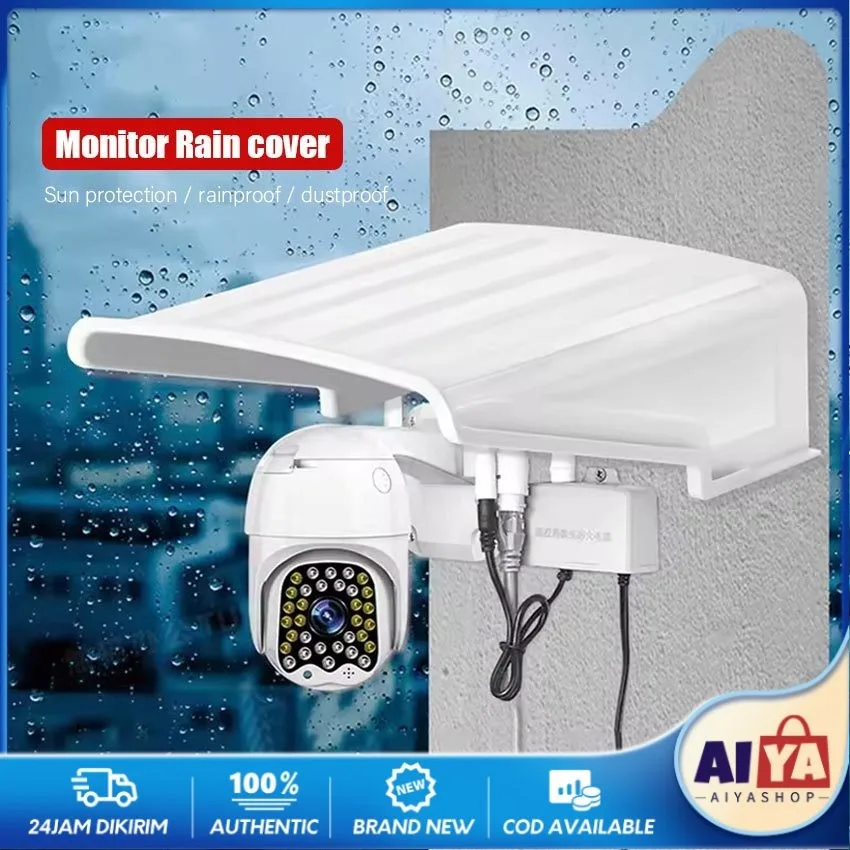
Image source: Web (Bing) / shopee.co.id (Web image (fair-use with source credit))
The core concept boils down to how well the camera's casing is sealed. A camera designed for the outdoors needs to be significantly more robust than one meant to sit on a shelf. This includes not just water, but also protection against dust, temperature fluctuations, and even physical impact in some cases.
What Does "Waterproof" Really Mean for Cameras?
The term "waterproof" itself can be a bit misleading in the context of electronics. In reality, most devices aren't truly impervious to water under all conditions. For CCTV cameras, the industry standard for defining their resistance to water and dust is the Ingress Protection (IP) rating.
This rating, usually found as a two-digit number like IP66 or IP67, tells you precisely how well the camera's enclosure is sealed.
It's not just about being "waterproof." The rating also accounts for protection against solid objects, like dust and dirt. This combined protection is critical for outdoor cameras that are constantly exposed to the environment.
Decoding the IP Rating System
The IP rating is a globally recognized standard established by the International Electrotechnical Commission (IEC). It uses two digits to signify the level of protection. The first digit refers to protection against solid objects (like dust), and the second digit refers to protection against liquids (water).
- First Digit (Solids): This digit ranges from 0 (no protection) to 6 (complete protection against dust). A rating of '6' means the camera is totally dust-tight.
- Second Digit (Liquids): This digit ranges from 0 (no protection) to 8 (protection against prolonged immersion). This is the number we focus on for water resistance.
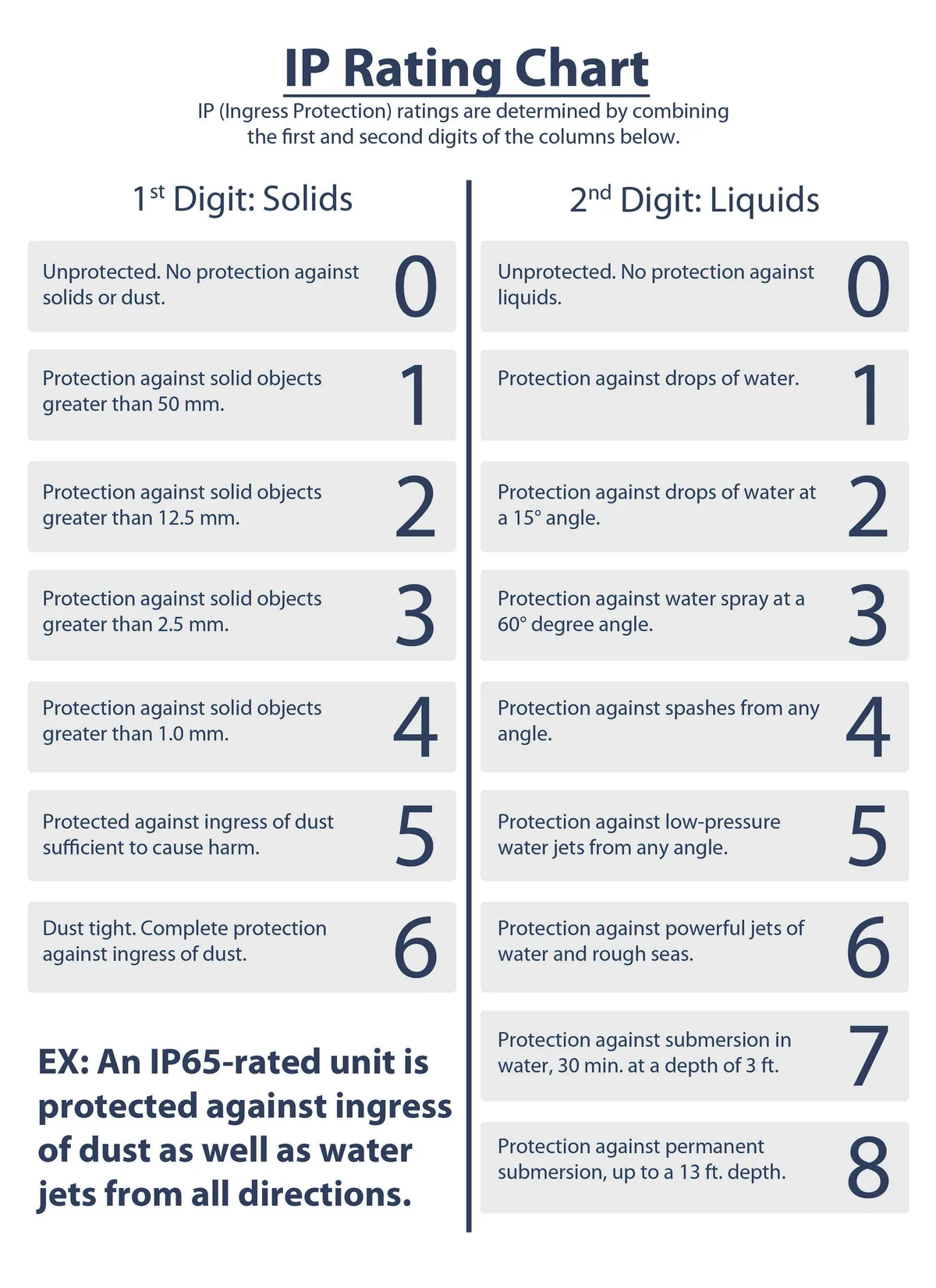
Image source: Web (Bing) / infoupdate.org (Web image (fair-use with source credit))
For example, an IP65 rating means the camera is dust-tight (6) and protected against water jets (5). An IP67 rating means it's dust-tight (6) and protected against temporary immersion in water (7). This level of detail is crucial for making an informed decision.
How the IP Rating Guides Your Choice
When you're selecting a CCTV camera for outdoor use, the IP rating is your primary guide. You need to match the camera's rating to the environment it will be installed in. A camera with an IP65 rating is generally suitable for most outdoor situations where it might encounter rain or splashes.
However, if your installation is in a particularly exposed area, or if there's a chance the camera might be submerged even temporarily (like if it's near a frequently flooded area), you'll want to look for a higher rating like IP66 or, ideally, IP67.
If a camera's specifications don't list an IP rating, it's a strong indicator that it's intended for indoor use only and should not be exposed to the elements. Relying on an unrated camera for outdoor security is a gamble that often leads to equipment failure.
Choosing the Right Camera for Your Outdoor Needs
Deciding on an outdoor CCTV camera isn't just about image quality or features; it's fundamentally about ensuring it can survive the elements. If you're mounting a camera where it will face rain, snow, or even just high humidity, you need to be deliberate about its weatherproofing. This choice directly impacts the reliability and longevity of your security system.
For instance, a camera mounted under a covered porch has a different set of environmental challenges than one exposed directly to driving rain on an open field. Our research indicates that a significant portion of outdoor camera failures stem from inadequate water or dust protection, highlighting the importance of this attribute.
Cameras Built for Direct Rain and Spray
For the majority of outdoor installations, a camera with an IP65 or IP66 rating is usually sufficient. These ratings mean the camera is protected against dust ingress and can withstand direct water jets.
- IP65: Offers protection against water jets from any direction. This is good for typical rain and general splashes.
- IP66: Offers protection against powerful water jets. This provides a higher level of confidence in areas with heavy rainfall or strong winds that can drive rain.
These cameras are designed with sealed housings, often using rubber gaskets and specialized connectors to prevent moisture from seeping into the internal components. When you're looking at product descriptions, you'll typically see these ratings clearly advertised, alongside claims like "weatherproof" or "outdoor-ready."
When Temporary Immersion is a Concern
If your installation scenario involves a higher risk of water exposure, such as being near a pond, a sprinkler system that might spray directly onto the camera, or an area prone to temporary flooding, you'll need a camera with an IP67 rating. This rating signifies a higher level of water protection than IP65 or IP66.
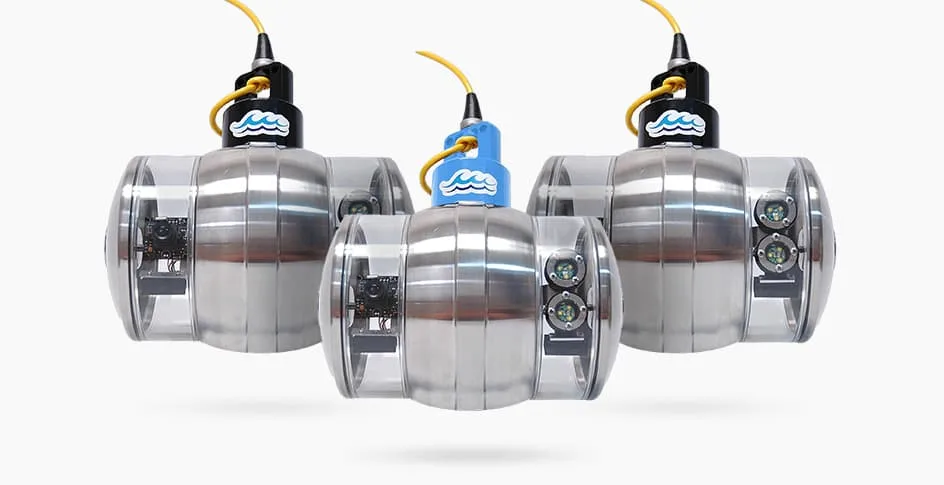
Image source: Web (Bing) / deeptrekker.com (Web image (fair-use with source credit))
- IP67: This rating means the camera is protected against temporary immersion in water, typically for up to 30 minutes at a depth of 1 meter (about 3.3 feet).
While no standard consumer CCTV camera is designed for prolonged underwater use (that would be IP68 or higher), an IP67 rating provides a significant buffer against accidental submersion or prolonged exposure to wet conditions. This robustness comes from even more rigorous sealing and material choices in the camera's construction. It’s this extra layer of protection that gives peace of mind in more challenging environments.
Common Mistakes When Installing Outdoor Cameras
Even with a camera that has a good IP rating, improper installation can undermine its weatherproofing. One of the most common errors people make is overlooking the cable connections. The camera itself might be sealed, but if the cables leading to it or the connectors are exposed and not properly protected, water can still find its way in.
Aggregated user feedback suggests that failing to properly seal cable entry points is a frequent cause of early camera failure in outdoor setups.
Another mistake is not considering the camera's orientation. While an IP65 or IP67 rating protects against water jets from any direction, mounting a camera at an upward angle in a heavy rain area could create a situation where water pools on the top of the housing or even drips directly into ventilation ports if they aren't perfectly sealed. Ignoring the manufacturer's specific installation guidelines for outdoor units can also lead to problems.
These instructions often include details about how to secure the housing and what types of connectors to use.
Practical Steps for Ensuring Weatherproof Performance
Getting your outdoor camera set up to withstand the elements is more than just buying a "weatherproof" model; it involves careful execution during installation. You need to treat the camera and its connections as a complete weather-sealed system. Even a small oversight can compromise its ability to keep moisture out, leading to issues like why is my security camera blurry or why is my security camera showing a black screen down the line.
This means paying attention to every detail, from the moment you unbox the camera to the final tightening of screws. For example, if your camera comes with a weather-sealed connector, ensure it's fully seated and locked before you proceed. Manufacturer specifications confirm that proper sealing is paramount for long-term reliability.
Checking Specs and Manufacturer Info
Before you even think about mounting the camera, always consult the manufacturer's specifications. This is your first line of defense against choosing the wrong product. Look for the IP rating, as discussed, but also check for any additional notes on recommended installation practices for outdoor use.
Manufacturers often provide specific guidelines on:
- Cable Management: How to route cables so water doesn't pool or run into the camera body. This might involve using drip loops or specific types of cable ties.
- Mounting Hardware: Whether the included hardware is suitable for outdoor use or if you need to source corrosion-resistant screws or brackets.
- Junction Boxes: Some installations might benefit from a separate outdoor-rated junction box to house all connections, providing an extra layer of protection.
Product documentation from reputable brands often details these requirements. If the manual is vague or missing, it's a potential red flag. It’s worth noting that as of 2026, many manufacturers are providing more detailed installation guides to ensure optimal performance.
Proper Installation Techniques
Once you have the right camera and understand its specifications, the installation itself needs to be precise.
- Secure Cable Connections: Ensure all cables are firmly connected and any protective boots or seals are properly in place. If you're using Ethernet cables, consider using outdoor-rated cables and waterproof connectors or a weatherproof junction box. This helps prevent issues like how to fix security camera video lag.
- Create Drip Loops: For any cables running into the camera or a junction box, create a "drip loop." This is a gentle curve in the cable that allows water to drip off the bottom of the loop rather than running directly into the connection point.
- Mounting: Ensure the camera mount is secure and doesn't leave gaps where water could enter. If you're drilling into masonry or wood, use appropriate anchors and sealants around the mounting bracket to prevent moisture ingress.
- Camera Orientation: While most outdoor cameras are designed to be mounted facing downwards or horizontally, avoid pointing them directly upwards in areas with heavy rainfall, as this can increase the chance of water finding entry points.
Following these practical steps ensures that the camera's inherent weatherproofing is not compromised by the installation process itself.
Frequently Asked Questions About Outdoor CCTV Cameras
Do all outdoor CCTV cameras have an IP rating?
No, not all cameras advertised for outdoor use necessarily have a high IP rating. While reputable manufacturers will clearly list the IP rating for their outdoor models, some less scrupulous sellers might label a camera as "outdoor" without it meeting stringent weatherproofing standards. Always verify the IP rating.
What's the difference between weatherproof and waterproof?
While often used interchangeably, "weatherproof" generally implies resistance to various weather conditions like rain, snow, and dust, typically indicated by an IP rating like IP65 or higher. "Waterproof" more specifically refers to protection against submersion in water, usually denoted by IPX7 or IPX8 ratings. For CCTV cameras, you're typically looking for robust weatherproofing.
Can I use an indoor camera outside if I cover it?
It's strongly discouraged. Covering an indoor camera might offer minimal protection from direct rain, but it won't protect it from humidity, temperature changes, or dust. These environmental factors can still cause damage.
For reliable outdoor security, use a camera specifically designed and rated for outdoor use.
How often should I check my outdoor camera's weatherproofing?
It's a good practice to visually inspect your outdoor cameras and their connections at least once or twice a year, perhaps before and after the rainy season. Look for any signs of wear on seals, corrosion on connectors, or debris buildup. If you notice any issues, address them promptly to prevent potential damage.
Can extreme heat affect my outdoor camera's waterproofing?
Yes, extreme heat can degrade the rubber seals and gaskets over time, potentially compromising their weatherproof integrity. Most outdoor cameras are designed to operate within a certain temperature range, so prolonged exposure to extreme heat, coupled with direct sunlight, can accelerate the wear on these protective components. Always check the operating temperature range specified by the manufacturer.
Final Decision: Picking the Best Camera for Your Environment
Your decision on which CCTV camera to use outdoors should always begin with its intended location. If the camera will be directly exposed to the elements, a minimum of an IP65 rating is recommended for protection against dust and water jets. For areas with more severe weather, such as heavy rain or potential splashes, opt for an IP66 or IP67 rated camera.
Remember, a high IP rating is only effective if the camera is installed correctly. Pay close attention to cable connections and mounting to ensure no gaps are left for moisture to enter. By matching the camera's specifications to your environment and following proper installation steps, you can ensure your outdoor security system operates reliably for years to come.