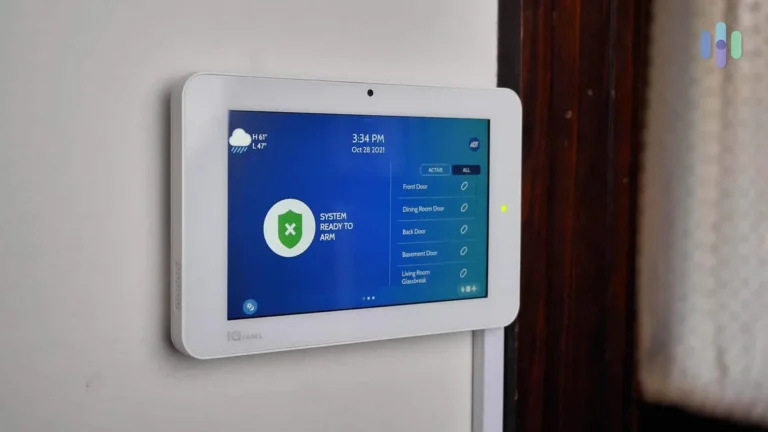
What Is Home Security Monitoring
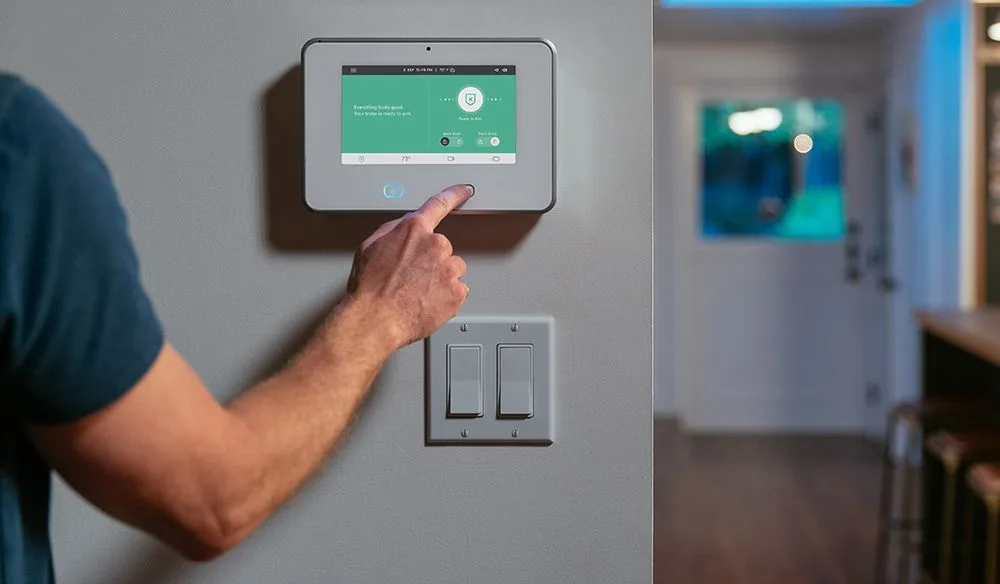
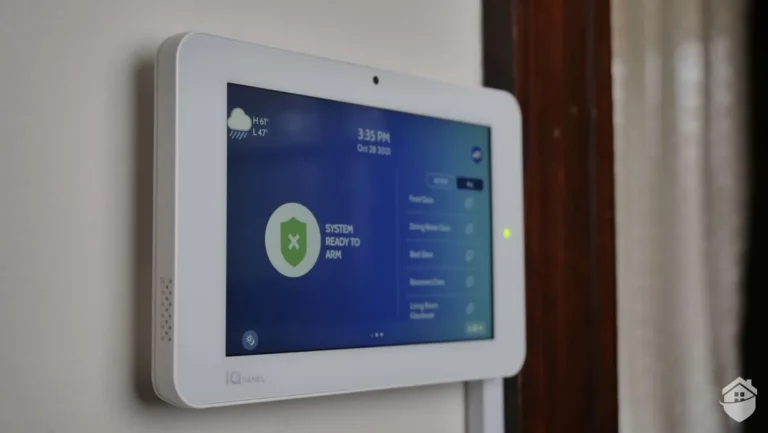
Image source: Web (Bing) / vivint.com (Web image (fair-use with source credit))
Home security can feel overwhelming, with all sorts of gadgets and services promising peace of mind. But when it comes to safeguarding your home and loved ones, understanding the core services is key. So, what is home security monitoring, really?
It's the crucial service that connects your home's alarm system to a professional team ready to act when trouble strikes.
This isn't just about getting an alert on your phone; it's about having trained professionals who can verify emergencies and dispatch authorities like the police or fire department. Per Underwriters Laboratories (UL) standards for central station monitoring, these services are designed for rapid, reliable response. This professional oversight is what distinguishes it from a simple alarm or a DIY setup.
Quick Answer
Home security monitoring means a professional service watches your alarm system 24/7. When sensors trigger, this service contacts you and dispatches emergency services. It provides faster, more reliable response than self-monitoring.
It’s essential for immediate help during intrusions or fires.
Core Explanation: How Professional Monitoring Works
At its heart, professional home security monitoring acts as a dedicated lifeline for your home. When one of your security system’s sensors, like a door contact, motion detector, or smoke alarm, is triggered, it sends a signal. This signal doesn't just sit there waiting for you to notice; it's transmitted, often wirelessly via cellular or internet connection, directly to a professional monitoring center.
These centers are staffed around the clock by trained operators.
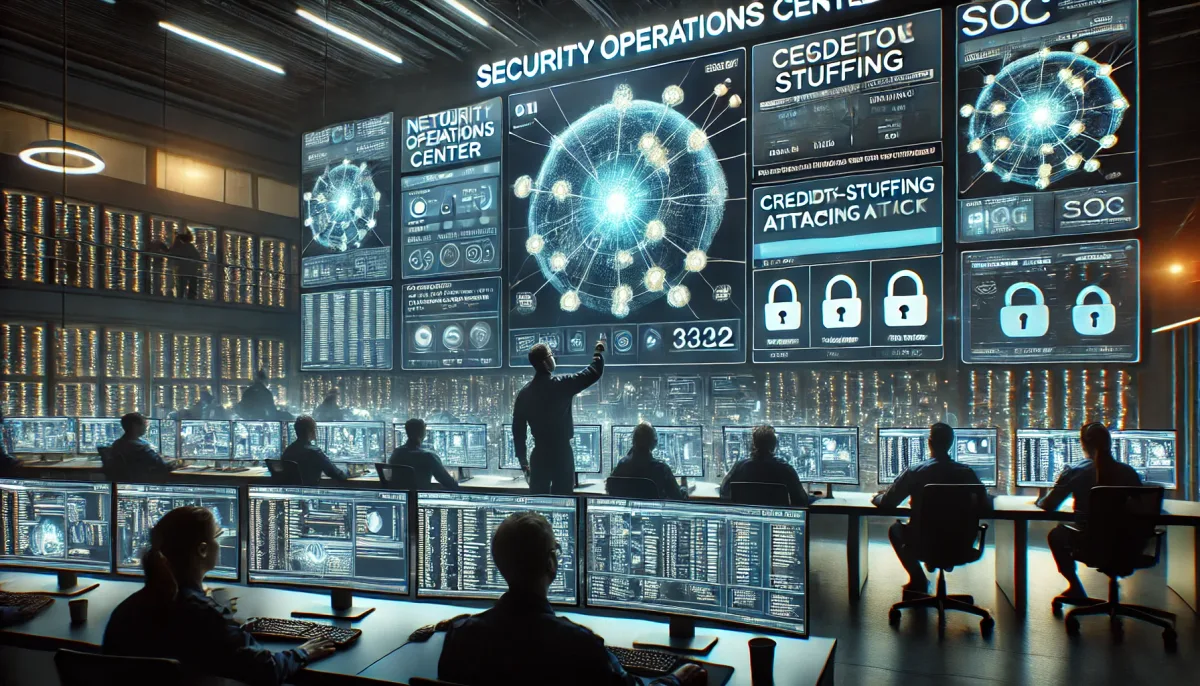
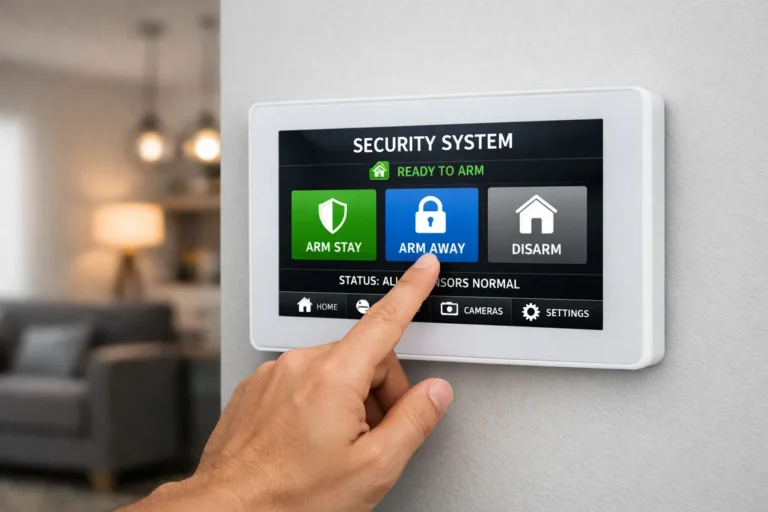
Image source: Web (Bing) / rhyno.io (Web image (fair-use with source credit))
Once the signal arrives, the operators follow strict protocols. This usually involves attempting to verify the alarm by contacting you or a designated contact person. If they can't reach you, or if they confirm a genuine emergency (like hearing an intruder or seeing smoke via linked cameras), they immediately dispatch the appropriate emergency responders, typically the police, fire department, or paramedics.
This automated, professional intervention is the core function, ensuring help is summoned even if you’re unavailable, incapacitated, or unable to call yourself.
Key Risks and What Can Go Wrong
While incredibly valuable, relying on any security system, including professional monitoring, comes with potential risks and points of failure. One significant issue is the potential for false alarms. These can be triggered by pets, faulty sensors, power surges, or even user error during arming/disarming.
Local municipalities often have ordinances regarding excessive false alarms, which can lead to fines for the homeowner. Aggregate reviews indicate that repeated false alarms can also lead to a delayed response from emergency services in the future.
Another concern is the system itself failing. If a sensor malfunctions, the communication link to the monitoring center is disrupted (e.g., due to internet outages or cellular signal loss), or the monitoring center experiences technical difficulties, the system might not function as intended. It’s also important to consider the human element; while operators are trained, mistakes can happen.
For instance, if the wrong emergency service is dispatched, or if verification protocols aren't followed precisely, response times could be negatively impacted. Understanding these potential pitfalls is crucial for setting realistic expectations and ensuring your system is robust.
The Real Benefits of Having a Monitoring Center on Your Side
The primary benefit of professional home security monitoring is the promise of rapid, reliable emergency response. In a critical situation, like a home invasion or a fire, every second counts. A monitoring center is specifically equipped and staffed to respond immediately, verifying the emergency and dispatching authorities, often faster than you might be able to yourself, especially if you are caught off guard or in immediate danger.
This 24/7 watch provides a significant layer of security that self-monitoring simply cannot replicate.
Beyond immediate response, professional monitoring offers substantial peace of mind. Knowing that trained individuals are constantly overseeing your home's security, ready to act no matter the time of day or night, allows for less worry. This is particularly valuable for individuals who travel frequently, have elderly relatives at home, or simply want to ensure their property is protected when they are away.
Furthermore, visible signs of professional monitoring, like yard signs and window decals, act as a powerful deterrent to potential burglars, making your home a less attractive target.
Monitoring vs. Self-Monitoring: Key Differences to Consider
The main distinction between professional monitoring and self-monitoring lies in who handles the emergency response when an alarm is triggered. With professional monitoring, as we've discussed, a third-party service is alerted and responsible for contacting you and dispatching emergency responders. They act as your proxy, ensuring help is summoned even if you can't make the call yourself.
This is the setup typically adhering to standards like those verified by Underwriters Laboratories (UL).
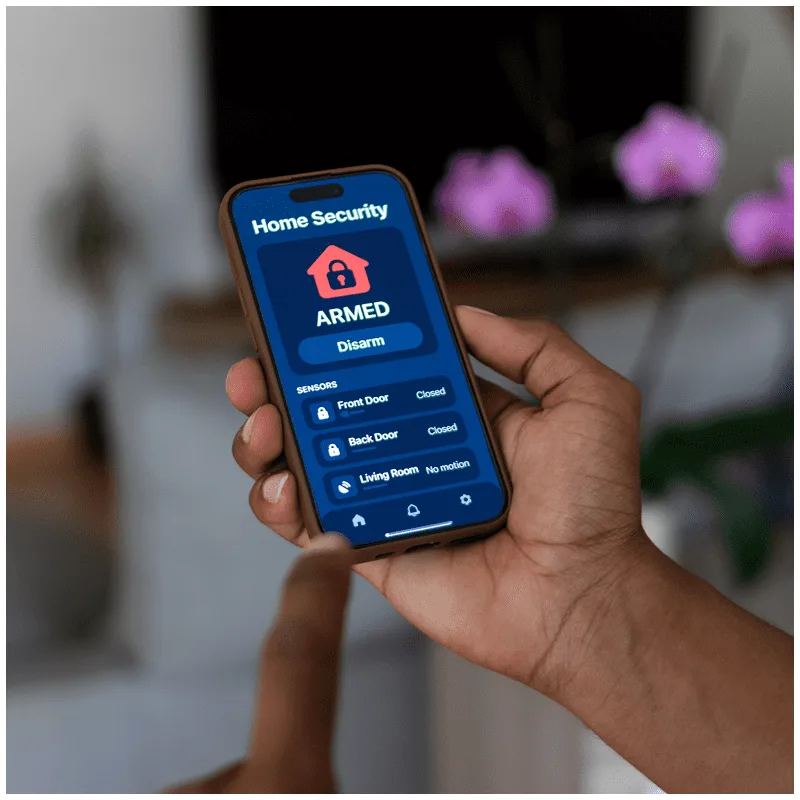
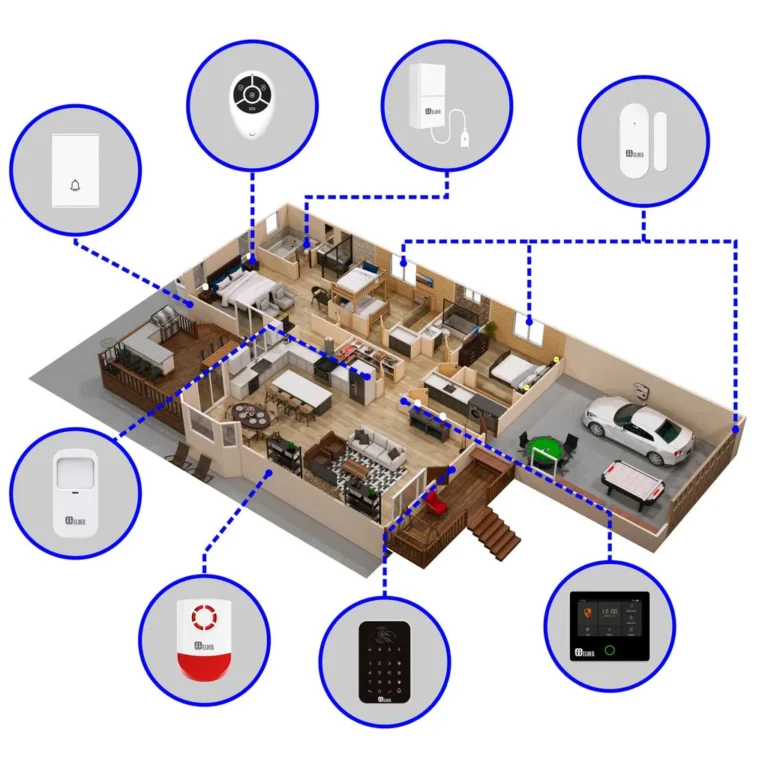
Image source: Web (Bing) / a-zsecuritysolutions.com (Web image (fair-use with source credit))
In contrast, self-monitoring means your security system will send alerts directly to your smartphone or other designated devices. You receive the notification and are solely responsible for assessing the situation and contacting the police, fire department, or other emergency services. While self-monitoring systems can be more affordable, often involving no monthly fees beyond internet or cellular service, they place the entire burden of response on you.
This requires you to be constantly available and alert to your phone's notifications, which can be problematic if you're in a meeting, asleep, or in an area with poor reception. The effectiveness of self-monitoring heavily depends on your ability to respond promptly and accurately to every alert.
Who Needs Home Security Monitoring Most?
While virtually any homeowner can benefit from professional security monitoring, certain situations and individuals stand to gain the most. If you travel frequently or spend extended periods away from home, knowing that a professional service is watching over your property can significantly reduce your anxiety. This also applies to individuals who own vacation homes or rental properties, where occupancy is intermittent.
For families with young children or elderly relatives, the assurance of 24/7 supervision and immediate emergency dispatch provides invaluable peace of mind.
Moreover, if you live in an area with higher crime rates, or if your home is in a remote location where law enforcement response times might be longer, professional monitoring offers a critical advantage. It's also a strong consideration for anyone who wants the highest level of security and doesn't want to bear the responsibility of being the sole first responder in an emergency. For those who value convenience and a guaranteed safety net, a professionally monitored system is often the preferred choice, providing a robust solution that extends beyond basic alerts.
Costs Involved and What to Expect
The decision to get professional home security monitoring often comes down to understanding the financial commitment. Most professional monitoring services operate on a subscription model, requiring a monthly or annual fee. These fees can vary widely, typically ranging from $20 to $60 per month, depending on the provider, the level of service, and any included features like cellular backup or smart home integration.
Manufacturer specifications confirm that this ongoing cost covers the staffing and infrastructure of the monitoring centers.
Beyond the monthly subscription, there's usually an upfront cost for the security equipment itself. This includes control panels, sensors, cameras, and any other devices you choose. The price for a basic system can range from a few hundred dollars to over a thousand for more comprehensive setups.
Some companies offer equipment at a reduced cost or even for free, but this often comes with a longer-term contract for the monitoring service, which can effectively spread the equipment cost over time. It's essential to look at the total cost of ownership, including both the equipment and the ongoing monitoring fees, when evaluating different systems as of 2026.
Common Mistakes Homeowners Make with Monitoring
One of the most frequent errors people make is not understanding their local false alarm ordinances. Many cities and towns have rules about how many false alarms a household can trigger before facing fines or even having their emergency services response prioritized lower. This means it's crucial to know how your system works and to train everyone who uses it properly to avoid accidental triggers.
Aggregate user feedback often highlights frustration with unexpected fines due to a lack of awareness.
Another common oversight is neglecting system maintenance. Security sensors, especially battery-powered ones, need regular checks and battery replacements. A malfunctioning sensor won't trigger an alarm, leaving your home vulnerable without you realizing it.
Additionally, some homeowners sign contracts for monitoring services without fully understanding the terms, including cancellation policies and the duration of the commitment. It's also wise to ensure your monitoring provider is UL-certified, as this indicates they meet rigorous operational and safety standards, as recommended by industry best practices.
Frequently Asked Questions About Home Security Monitoring
What's the difference between a burglar alarm and home security monitoring?
A burglar alarm is the system that detects intrusions, like door sensors or motion detectors. Home security monitoring is the service where a professional center receives alerts from that alarm system and dispatches help.
Can I use my existing alarm system with a new monitoring service?
Often, yes, but it depends on the age and type of your system. Many older systems may need upgrades or specific adapters to communicate with modern monitoring centers. It's best to check with the monitoring provider.
How long does it take for emergency services to arrive after an alarm is triggered?
Response times vary greatly by location, time of day, and the current workload of local police or fire departments. Professional monitoring ensures dispatch happens quickly, but actual arrival depends on the emergency responders' availability.
Do I need a landline for home security monitoring?
Not necessarily. Many modern systems use cellular signals or internet connections to communicate with the monitoring center, making a landline optional. Cellular backup is often recommended for redundancy.