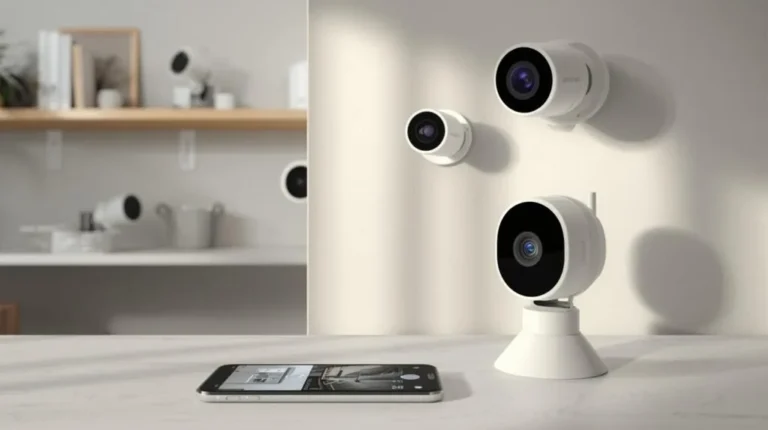
What Is an Analog CCTV Camera?
Trying to figure out what an analog CCTV camera is can feel like decoding a secret message, especially when you hear terms like coaxial cables and analog video signals. These older but still relevant security tools have a distinct way of working that’s quite different from the digital cameras you might see everywhere today. Understanding their core function is key to knowing why they were a staple for so long and where they still fit in.
At its heart, an analog CCTV camera captures video and sends it directly, uncompressed, as an electrical signal over a wire. This signal typically travels through a coaxial cable, a type of shielded cable often seen with older TV setups. Unlike digital cameras that convert video to data packets for network transmission, analog systems rely on a continuous flow of raw video information.
Manufacturer specifications from the early 2000s often detailed resolutions in TV Lines (TVL), with models reaching up to 700 TVL, a common benchmark for older analog systems.
Quick Answer
An analog CCTV camera captures video and transmits it as a raw electrical signal over coaxial cable to a recording device like a DVR. These cameras don't use internet protocols or digital compression for their primary video feed. They were the standard for surveillance before IP cameras became widespread, offering simpler installations and lower initial costs.
Why Visuals Make Understanding Analog CCTV Cameras Click
Understanding analog CCTV cameras is significantly easier when you can see how they look and connect. Visual cues help distinguish them from newer technologies and highlight their core components. Without seeing the BNC connectors, coaxial cables, and the distinct form factor of older cameras, the technical descriptions can remain abstract.
How Analog Video Works (Simply Put)
In simple terms, an analog camera captures light and converts it into a continuous electrical signal. This signal is a direct representation of the video feed, fluctuating in voltage and current to match the image being captured. It's like a sound wave translated into an electrical wave, but for video.
This raw signal then travels through a physical cable to a recording device. It’s a straightforward, wired approach to transmitting visual data.
Key Physical Features to Spot
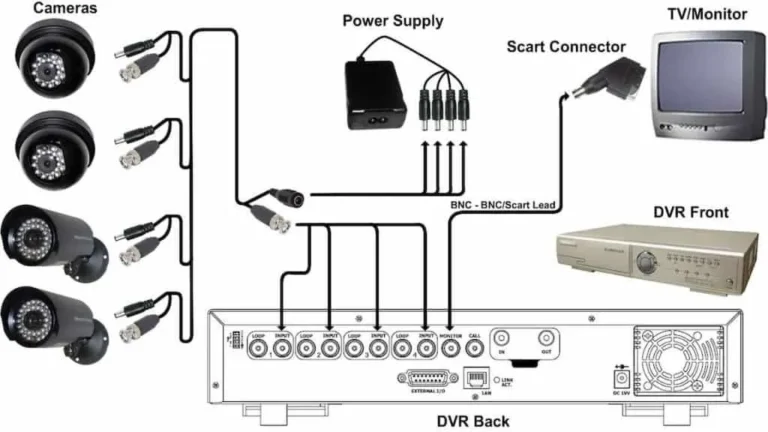
Spotting an analog CCTV camera often comes down to a few visual cues. They typically have a distinct connection port for video output, usually a BNC connector, which is a round connector with a bayonet-style locking mechanism. You'll also see a separate connector for power.
Unlike many IP cameras that have an RJ45 Ethernet port, analog cameras rely solely on this BNC connection for their video feed.
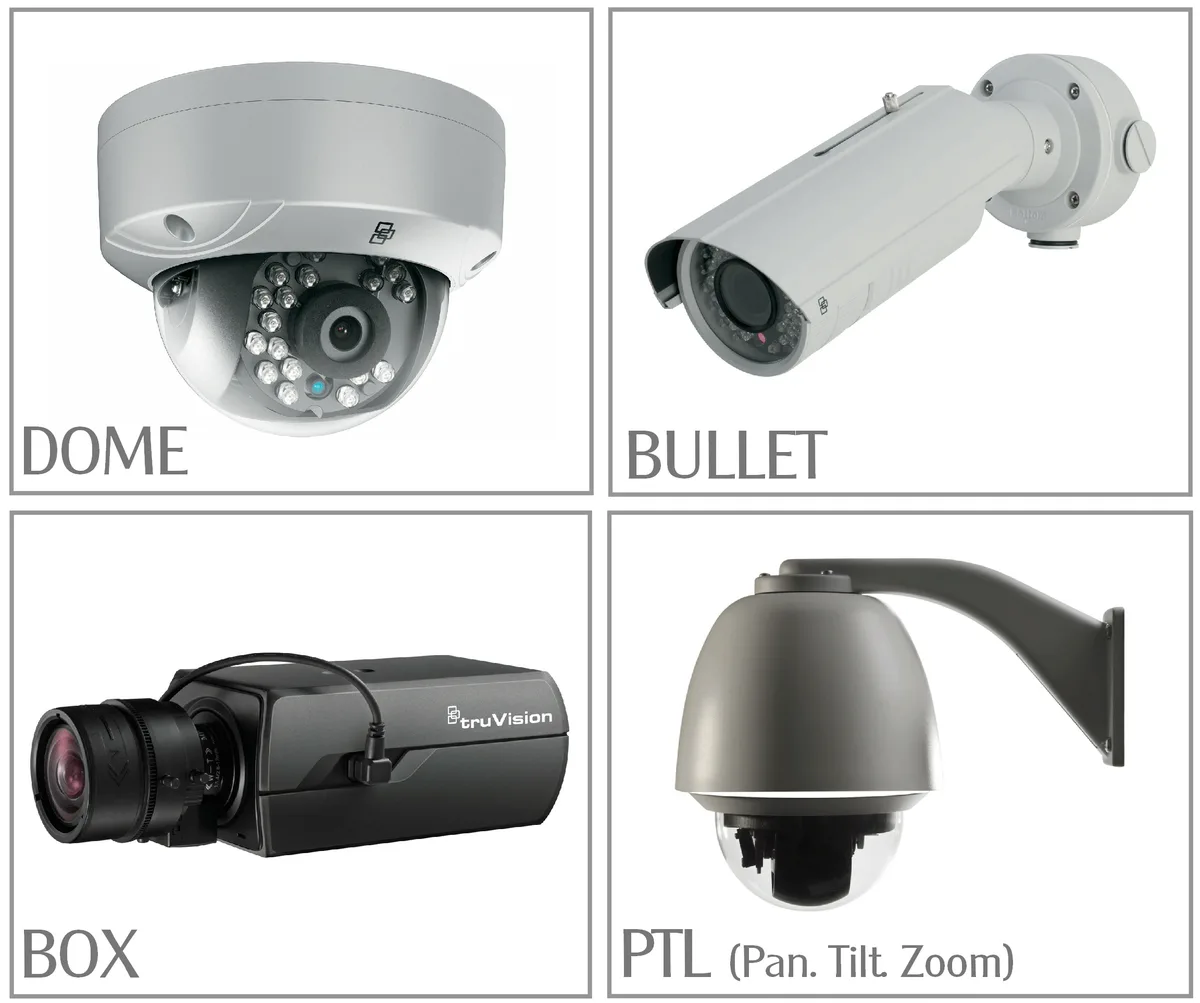
Image source: Web (Bing) / 4security.org (Web image (fair-use with source credit))
Your Analog CCTV System: The Essential Parts
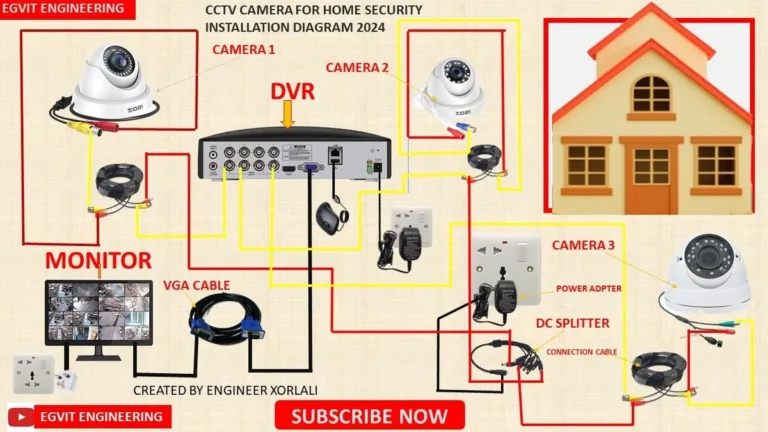
An analog CCTV system isn't just about the camera itself; it's a small ecosystem of components working together. For a functional setup, you'll need the camera, the right kind of cable to connect it, and a device to record and manage the video feed. Understanding these core parts helps demystify how the whole system operates and what you might need to get one running.
The Camera Itself
The camera is the eye of the system. It contains the lens that focuses light and an image sensor that captures the scene. This sensor then translates the light into an analog video signal.
Different analog cameras come with varying features like fixed or varifocal lenses for adjusting the field of view, and infrared (IR) LEDs for night vision capabilities, allowing them to "see" in low-light or complete darkness.
The Coaxial Cable Connection
This is where the "analog" part really shows up in the physical setup. Analog CCTV cameras rely on coaxial cables, such as RG59 or RG6, to transmit the video signal from the camera to the recorder. These cables are designed to carry electrical signals with minimal interference, though signal quality can degrade over very long distances without boosters.
The BNC connectors on each end ensure a secure, twist-and-lock connection.
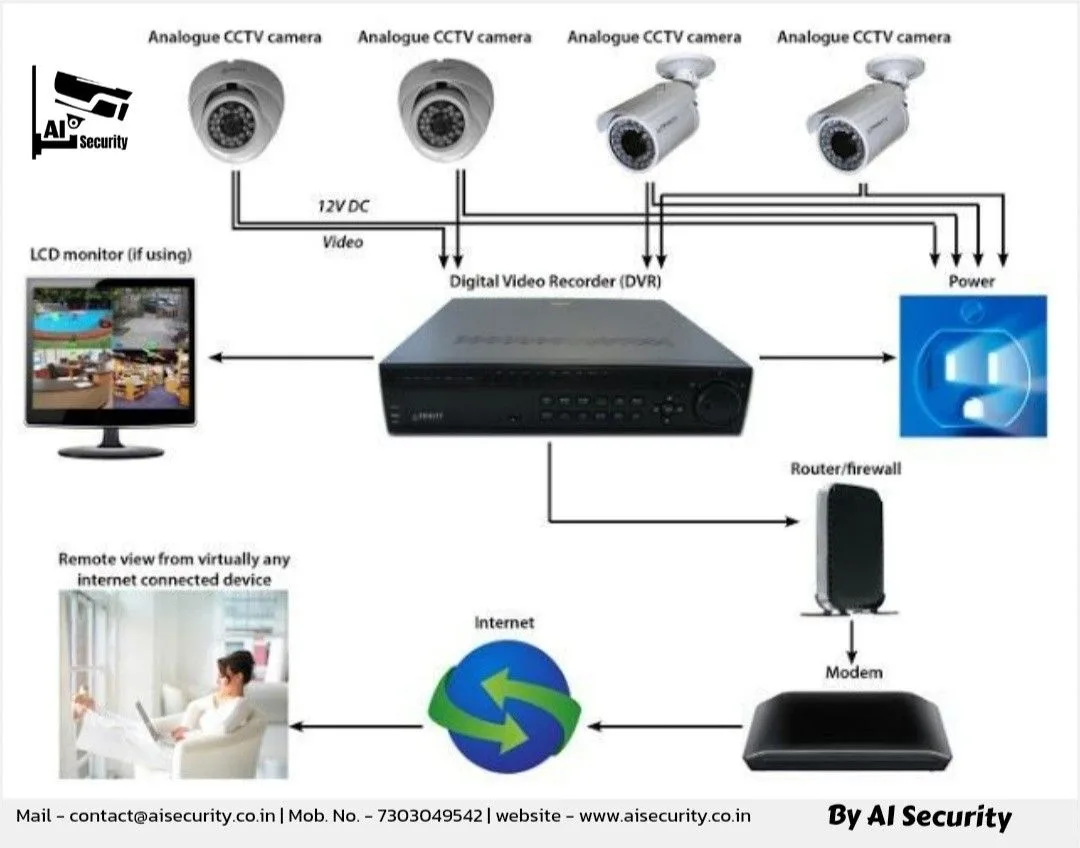
Image source: Web (Bing) / pinterest.com (Web image (fair-use with source credit))
The Digital Video Recorder (DVR)
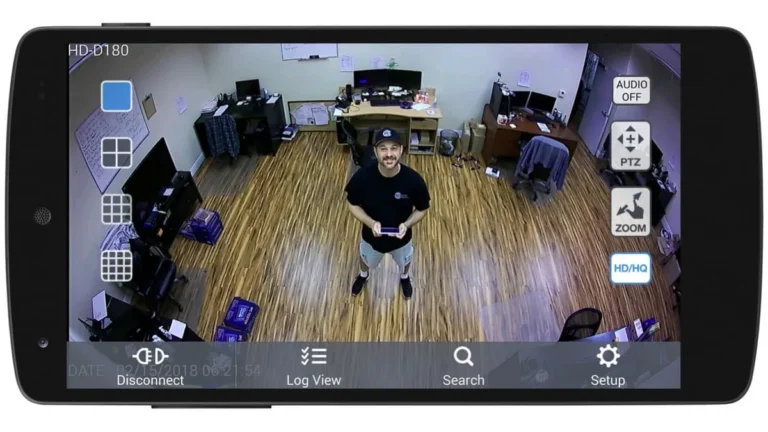
The Digital Video Recorder, or DVR, is the brain of an analog CCTV system. It's responsible for receiving the analog video signal from each connected camera, converting it into a digital format, compressing it, and storing it on a hard drive. DVRs also provide the interface for viewing live feeds, playback recorded footage, and often offer basic remote access capabilities over a network, though this functionality might be more limited compared to IP systems.
When Analog CCTV Actually Makes Sense (Use Cases)
While newer technologies often grab the spotlight, analog CCTV cameras still have their place, especially for specific applications. They're not always the first choice for brand-new installations aiming for the highest resolution, but for certain scenarios, they remain a practical and cost-effective solution. Thinking about where you need basic, reliable visual monitoring is key.
Who Benefits Most from Analog Systems?
Small businesses looking for budget-friendly, straightforward surveillance often find analog systems a good fit. If you have an existing analog infrastructure, like in older buildings or retail spaces, upgrading cameras within that framework can be simpler and cheaper than a full system overhaul. It's also beneficial for home security applications where the primary need is basic monitoring of entry points or property perimeters without requiring complex network integration.
For scenarios where signal integrity over relatively short distances is paramount, analog offers a robust, wired connection.
The Downsides: What Analog CCTV Doesn't Do Well
Despite their historical significance and ongoing use, analog CCTV cameras have limitations that are hard to ignore, especially when you compare them to more modern digital counterparts. These drawbacks often guide users toward newer technologies for advanced surveillance needs. Understanding these limitations helps set realistic expectations for what an analog system can and cannot achieve.
Resolution Limits and Signal Worries
The biggest hurdle for analog CCTV cameras is their resolution. While early analog cameras offered limited detail, even higher-end analog models typically don't match the clarity and sharpness of modern IP cameras. Manufacturer specifications often cite resolutions in TV Lines (TVL), with older systems topping out around 700 TVL, which translates to significantly fewer pixels than even basic HD digital cameras.
Furthermore, analog signals can degrade over long cable runs, leading to video noise or a "snowy" picture, a phenomenon that can sometimes cause video lag or a black screen if severe.
Modern Integration Challenges
Integrating an analog CCTV system with contemporary smart home technology or advanced network surveillance features can be cumbersome. Many analog DVRs offer limited remote access compared to IP camera systems. While you can often view feeds remotely, the setup can be more involved, and the quality might be compromised.
They also don't easily connect to cloud-based storage solutions without additional hardware or specific DVR capabilities, making it harder to manage footage over the long term.
Analog vs. The Alternatives: How Do They Stack Up?
When you're considering a security camera system, knowing the landscape of available technologies is crucial. While analog CCTV cameras offer a specific set of features, they're part of a broader spectrum of surveillance options. Understanding how they compare to other systems helps you make an informed decision about what's best for your needs.
Newer Technologies: HD-TVI, HD-CVI, AHD, and IP Cameras
The world of security cameras has moved beyond pure analog. High-definition analog (HDA) formats like HD-TVI, HD-CVI, and AHD were developed to offer higher resolutions than traditional analog over existing coaxial cables, bridging the gap. They provide 720p or 1080p, and sometimes even higher, without needing new network cabling.
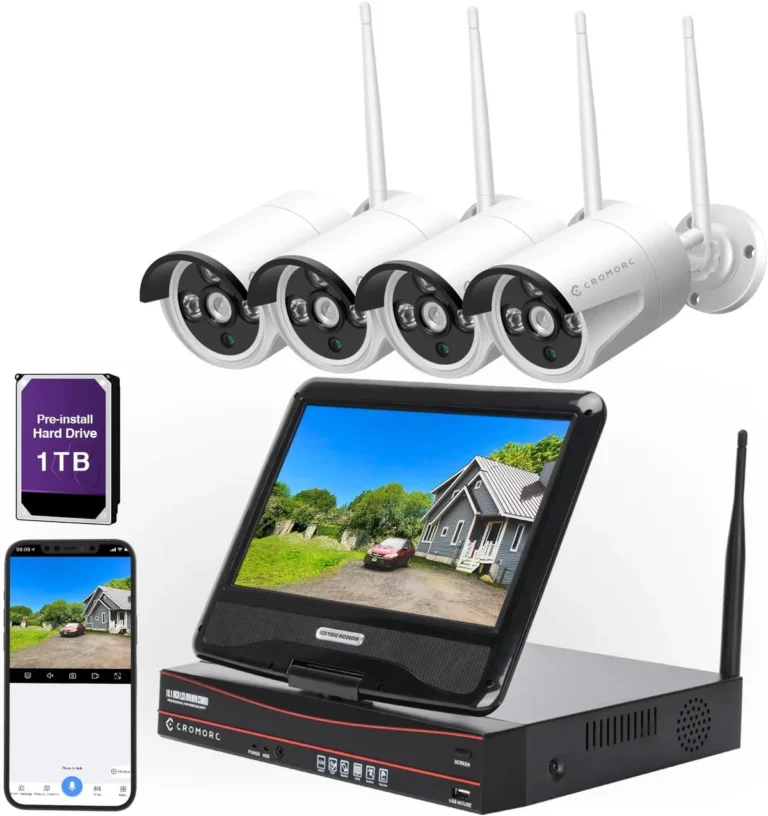
In contrast, IP (Internet Protocol) cameras transmit video as digital data packets over a network, typically using Ethernet cables or Wi-Fi. This digital approach allows for much higher resolutions, greater flexibility, advanced features like two-way audio and AI analytics, and easier integration with modern networks.
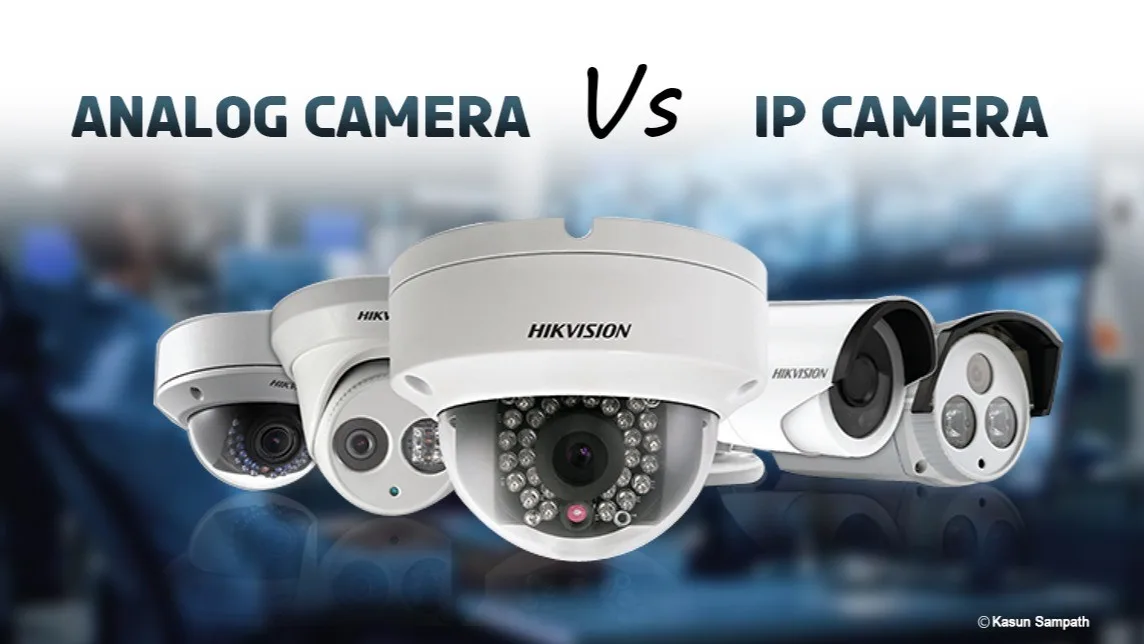
Image source: Web (Bing) / linkedin.com (Web image (fair-use with source credit))
Common Pitfalls with Analog CCTV Systems
Even with a good understanding of how analog CCTV cameras work, users can run into common issues that hinder performance or lead to frustration. Being aware of these pitfalls beforehand can save you time and ensure a smoother, more effective security setup. Many of these issues stem from the inherent limitations of older analog technology.
Installation Gaffes and Signal Issues
One of the most frequent problems involves installation. Improperly run coaxial cables can pick up electrical interference, leading to grainy video or a complete loss of signal. For instance, running video cables parallel to power lines without adequate shielding is a common mistake that causes visible distortion.
Pushing the limits on cable length without signal boosters is another error; manufacturer specifications often suggest a limit of around 300 feet for standard RG59 cable, and exceeding this without amplification will surely degrade the picture quality, potentially causing why is my security camera delayed issues.
Overestimating Capabilities
Another pitfall is expecting analog systems to perform like modern IP cameras. Analog cameras, even those with higher TVL ratings, simply cannot match the detail of a 1080p or 4K IP camera. Trying to achieve crystal-clear identification of individuals or license plates at a distance might be unrealistic with older analog technology.
Users might also overlook the more advanced remote access and analytics features available with IP systems, leading to disappointment if they expect similar functionality from their analog DVR.
Analog CCTV: Quick Specs and What They Mean
When you're looking at analog CCTV equipment, certain technical specifications are key to understanding its performance capabilities. These numbers aren't just jargon; they tell you what to expect in terms of image quality and system capacity. Knowing what these specs mean can help you compare different analog cameras and recorders accurately.
Understanding TV Lines (TVL) and Resolution
The primary metric for resolution in analog CCTV cameras is TV Lines (TVL). This refers to the number of horizontal lines of resolution visible in the image. A higher TVL count generally means a sharper, more detailed picture.
For example, early analog cameras might have offered 330 TVL, while later models pushed up to 700 TVL or even 960H (which is roughly 700 TVL but with a wider aspect ratio). For comparison, a standard analog signal has a resolution equivalent to about 480 TVL. It's important to remember that TVL is not the same as the pixel count used for digital cameras, where resolutions are expressed as width x height (e.g., 1920×1080 for Full HD).
Getting the Most from Your Analog Setup (Tips & Tricks)
Even with an analog CCTV system, there are smart ways to optimize its performance and longevity. It’s not just about plugging things in and forgetting about them. A little proactive attention can go a long way in ensuring your security cameras provide the clearest possible image and reliable operation.
- Careful Cable Runs: Always try to keep coaxial video cables separate from power cables during installation. If they must cross, do so at a 90-degree angle to minimize potential signal interference. Using shielded coaxial cable, like RG59 Siamese cable which includes both video and power conductors in one jacket, can also help reduce interference.
- Power Considerations: Ensure each camera is supplied with the correct voltage and amperage. Using an underpowered supply can cause inconsistent performance or intermittent failures. A centralized, reliable power distribution box can be more stable than individual power adapters for multiple cameras.
- DVR Health: Keep the DVR’s internal hard drive in good condition. Regularly check its operational status and ensure adequate ventilation to prevent overheating. If you notice issues like why is my security camera showing a black screen, the DVR's health is a good place to start troubleshooting.
- Firmware Updates: While less common for basic analog DVRs than for IP cameras, some units do receive firmware updates. Checking the manufacturer's website periodically for any available updates can sometimes improve stability or add minor features. You can learn how to update security camera firmware for many models, though the process differs significantly from IP cameras.
Why Is My Security Camera Delayed? (Troubleshooting)
Experiencing a delay between when an event happens and when it appears on your screen is a common frustration with security camera systems, including analog ones. This "lag" can mean missing crucial moments. Pinpointing the cause is the first step to resolving it, and for analog systems, the issues often relate to the signal path or the recording device.
Common Causes of Video Lag
The most frequent culprit for analog CCTV delay is the signal transmission itself. As mentioned, long coaxial cable runs can attenuate the video signal, causing it to slow down or become corrupted. Interference from nearby electrical equipment or poorly shielded cables acts similarly.
The DVR also plays a significant role; if its processing power is overloaded by too many cameras, or if its hard drive is struggling to keep up with writing data, you might see delays in both live viewing and playback. This could also manifest as why is my security camera video lag when trying to view live feeds.
When to Consider Upgrading Your Analog CCTV
While analog CCTV systems can still serve a purpose, there comes a point where the limitations outweigh the benefits. If you're finding your current analog setup isn't meeting your evolving security needs, it might be time to look at newer technologies. Deciding when to upgrade is about assessing your current challenges and future requirements.
Here are some key indicators that an upgrade is in order:
- Insufficient Resolution: If you can't get clear identification of individuals or important details like license plates, the resolution is likely too low for your needs. This is a primary reason to move beyond older analog cameras.
- Frequent Technical Glitches: Persistent issues like video lag, black screens, or motion detection failures (if your DVR supports it) suggest the system is struggling. You can learn how to fix security camera motion detection, but sometimes the underlying hardware is the issue.
- Limited Remote Access: If remote viewing is poor, unstable, or non-existent, and you need to monitor your property from afar, analog systems may fall short. Trying to improve security camera WiFi signal is irrelevant if your system's core capability is limited.
- Scalability Issues: As your security needs grow, an analog system might not be able to accommodate more cameras without significant DVR upgrades or replacement.
Frequently Asked Questions About Analog CCTV Cameras
What resolution can analog CCTV cameras typically offer?
Analog CCTV cameras commonly offer resolutions measured in TV Lines (TVL), with high-end models reaching around 700 TVL. This is significantly lower than modern digital cameras, which often provide resolutions like 1080p (Full HD) or even 4K.
Can I connect analog CCTV cameras to a network to view them remotely?
Yes, you can view analog CCTV cameras remotely, but it requires a Digital Video Recorder (DVR) that is connected to your network. The DVR receives the analog signal, digitizes it, and then makes it accessible over the network. However, the quality and ease of remote access are generally not as robust as with IP cameras.
What is the main advantage of analog CCTV over IP cameras?
Historically, the main advantage of analog CCTV was its lower upfront cost and simpler installation, especially for basic setups. They also don't require the same network bandwidth as IP cameras, as the video signal travels directly over coaxial cable.
What happens if I run analog CCTV cables too far?
If analog CCTV coaxial cables are run too far, the video signal can degrade. This can result in a loss of image quality, introducing noise, distortion, or even causing intermittent black screens or video lag. Manufacturer specifications often recommend limits, typically around 300 feet for standard RG59 cable without signal boosters.
Are analog CCTV cameras still being made?
While the market has largely shifted towards IP and HD analog technologies, analog CCTV cameras are still manufactured and sold, particularly for budget-conscious applications or for replacing existing systems. However, new installations are increasingly favoring higher-resolution digital or HD analog solutions.