How Does Self-Monitoring Work
Understanding how self-monitoring works is key to making real changes in your life, whether it's improving your health, managing finances, or building better habits. It’s about actively observing and recording your own behaviors, moods, or physical states to gain insights. This isn't just about collecting data; it's about using that data to understand patterns and make informed decisions.
The process typically involves a continuous loop: setting a goal, collecting relevant information, analyzing it, and then adjusting your actions. For instance, according to guidelines from the National Institutes of Health (NIH), self-monitoring for chronic conditions often involves daily recording of metrics like blood sugar levels or blood pressure. This straightforward, yet powerful, approach allows you to see the immediate impact of your choices.
Quick Answer
Self-monitoring works by having you actively observe and record your own behaviors or conditions. This process involves defining what to track, choosing a method like journaling or apps, collecting the data consistently, and then analyzing patterns. Insights gained help you make informed adjustments to reach your goals, whether health-related, financial, or personal.
It’s a cyclical feedback system.
When Self-Monitoring Makes the Biggest Difference
Self-monitoring isn't a one-size-fits-all solution; its effectiveness really shines when applied to specific areas of life where observation and adjustment can lead to tangible improvements. It transforms vague intentions into concrete actions by providing clear feedback.
Tracking Your Health
When it comes to managing your physical well-being, self-monitoring can be incredibly powerful. It's often recommended for individuals dealing with chronic conditions or those aiming for specific fitness milestones. By regularly recording metrics such as blood glucose levels, blood pressure, or daily calorie intake, you create a personal health log.
This data helps you and your healthcare provider identify trends, understand triggers for certain symptoms, and gauge the effectiveness of treatments or lifestyle changes. For example, consistent monitoring of blood pressure, with target ranges often specified by the American Heart Association, can alert you to potential issues before they become serious.
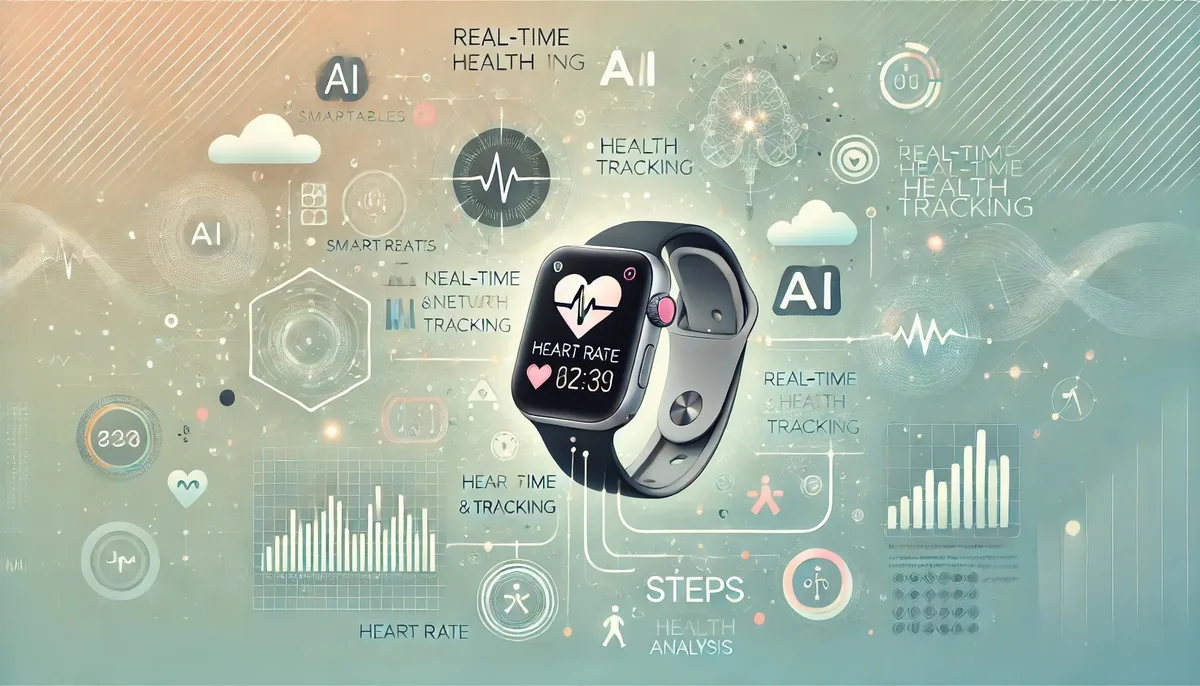
Image source: Web (Bing) / aiplusinfo.com (Web image (fair-use with source credit))
Managing Your Money
Keeping a close eye on your finances is another prime area where self-monitoring excels. This involves tracking your income, expenses, savings, and debts. Whether you're trying to stick to a budget, save for a large purchase, or simply understand where your money goes each month, consistent tracking provides the clarity you need.
Many people find that simply seeing their spending patterns laid out in black and white is enough to curb impulse buys or identify areas where they can cut back.
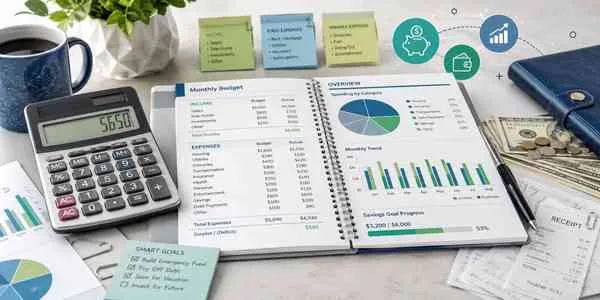
Image source: Bing (Web (fair-use with source credit))
Boosting Personal Habits
Beyond health and finances, self-monitoring is a fantastic tool for cultivating new habits or breaking old ones. Think about wanting to read more, exercise regularly, drink enough water, or reduce screen time. By tracking your progress, you build accountability.
Recording each time you complete the desired action reinforces the behavior. Over time, you can see how consistent you've been, identify days or weeks when you faltered, and understand the reasons why. This awareness is the first step toward making lasting changes, helping you build the life you want one consistent action at a time.
The Core Process: Your Self-Monitoring Workflow
Self-monitoring isn't magic; it's a structured process that, when followed consistently, yields valuable insights. Think of it as a personal feedback loop designed to help you achieve specific outcomes. Understanding these steps is crucial for setting up a system that actually works for you.
Step 1: Knowing What to Watch
Before you can monitor anything, you need to clearly define what you want to track. This starts with your goal. If your goal is to improve your fitness, what specific metrics will tell you if you're succeeding?
It might be daily steps, workout duration, or calories burned. If you're trying to manage your finances, you'll need to decide if you're tracking total spending, specific categories like groceries, or your savings rate. Without a clear target, your monitoring efforts can become unfocused and unproductive.
Step 2: Picking Your Tools
Once you know what to track, you need a way to record it. This is where tools come in. These can range from simple notebooks and spreadsheets to sophisticated mobile apps and wearable devices.
The best tool for you depends on the type of data you're collecting and your personal preferences. For health tracking, a device like a continuous glucose monitor might be appropriate. For budgeting, a personal finance app that links to your bank accounts could be ideal.
The key is to choose a method that you'll actually use consistently.
Step 3: Collecting the Data
This is the active part of self-monitoring: actually gathering the information. Consistency is paramount here. If you're tracking your daily steps, you need to make sure you're logging them every day, not just on days you hit your target.
For financial tracking, this means recording every expense and income source as it happens, or at least daily. Inaccurate or incomplete data renders the entire monitoring process useless. Manufacturer specifications for devices often detail the expected data capture frequency, like a fitness tracker logging steps every minute.
Step 4: Making Sense of It All
Collecting data is only half the battle; the real value comes from analyzing it. This involves reviewing the information you've gathered to identify patterns, trends, and outliers. Are your expenses higher on weekends?
Does your blood pressure tend to spike after certain meals? Are you consistently missing your workout goals on Tuesdays? This step requires you to look critically at the numbers and ask "why."
Step 5: Taking Action
The final and most critical step in the self-monitoring workflow is using the insights you've gained to make changes. If your analysis shows you're overspending on dining out, you might decide to set a stricter monthly budget for restaurant meals. If your health data indicates a problem, you'll discuss it with your doctor.
If you're not meeting your habit goals, you'll adjust your strategy, perhaps by breaking down a large goal into smaller, more manageable steps. This feedback loop, from action to observation to adjustment, is what drives progress.
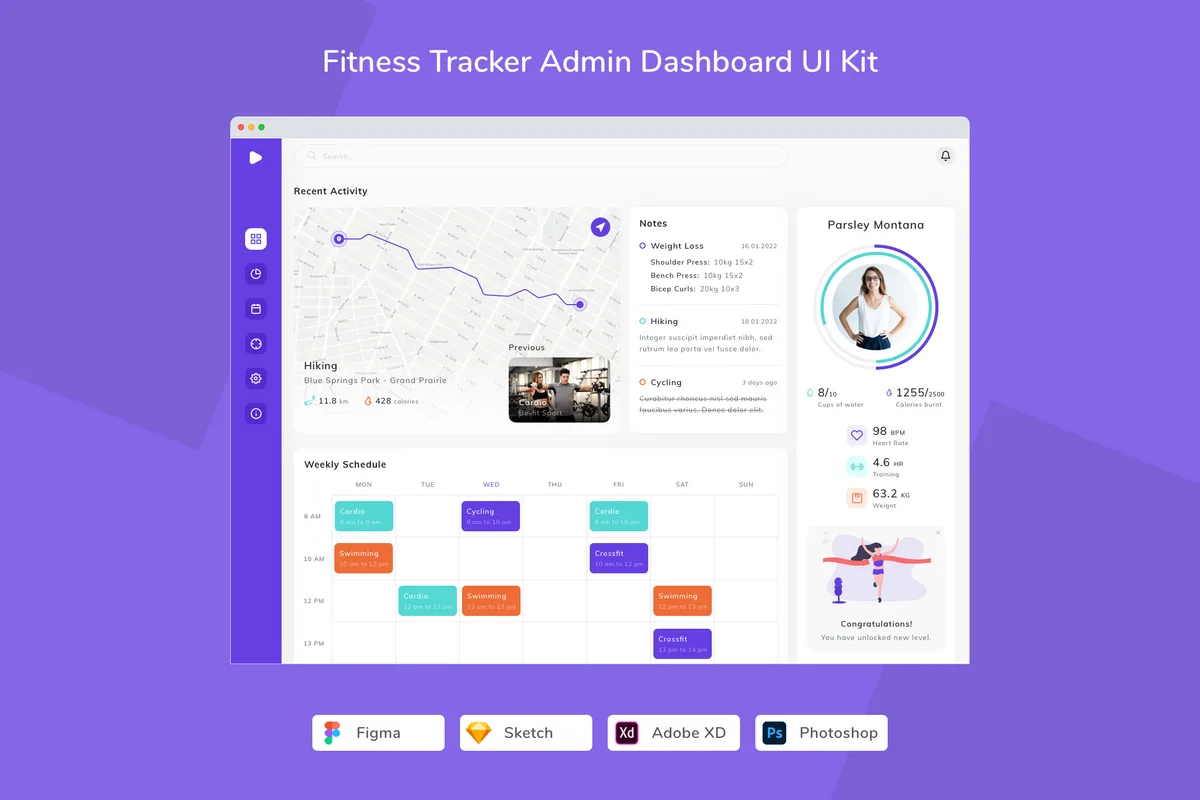
Image source: Web (Bing) / creativefabrica.com (Web image (fair-use with source credit))
What Can Go Wrong With Self-Monitoring
While self-monitoring is a powerful tool, it's not foolproof. Many people start with the best intentions but run into roadblocks that derail their efforts. Understanding these common pitfalls can help you avoid them and make your monitoring stick.
Common Tracking Pitfalls
One of the biggest issues people face is inconsistency. Life gets busy, and it's easy to forget to log an expense or miss recording your daily water intake. This leads to incomplete data, which then makes analysis unreliable.
Another problem is inaccurate data entry. If you're manually logging numbers, typos happen. With apps or devices, sometimes readings can be off, or you might accidentally input the wrong value.
Overwhelm is also a significant factor. Sometimes, the sheer volume of data can feel daunting, leading to what's known as "data fatigue." You might collect so much information that you don't know where to start with analyzing it, or you feel discouraged by the complexity. This is especially true if you're tracking too many things at once without a clear focus.
When Data Becomes Overload
Data overload happens when the amount of information you're trying to track and process becomes unmanageable. This can lead to a loss of motivation because the effort of tracking outweighs the perceived benefit. For example, a person might start by tracking every single calorie, macronutrient, and exercise minute, only to feel stressed and exhausted by the end of the day.
As reported by research from the National Institutes of Health, this can sometimes lead to a counterproductive cycle of burnout and abandonment of the monitoring effort. Keeping the number of tracked metrics focused and manageable is key.
Real-World Self-Monitoring Examples
Seeing how self-monitoring plays out in everyday life can make the concept clearer and more relatable. These examples show how people apply the principles to achieve specific, practical outcomes.
Managing Blood Sugar Day-to-Day
For someone managing type 2 diabetes, self-monitoring blood glucose levels is a cornerstone of their care. They might use a home glucose meter or a continuous glucose monitor (CGM). A typical routine involves checking blood sugar at key times: upon waking, before meals, two hours after meals, and before bed.
For instance, a person might aim to keep their fasting blood glucose between 80-130 mg/dL, as recommended by many diabetes associations. If readings are consistently outside this range, they'll adjust their diet, medication, or exercise. They might notice that a particular meal causes a sharp spike, prompting them to choose different foods next time.
This constant feedback loop allows for immediate adjustments, preventing dangerous highs and lows.
Staying on Budget Week-to-Week
Imagine Sarah, who wants to save up for a down payment on a house. She sets a monthly budget, allocating specific amounts for rent, groceries, utilities, transportation, and entertainment. Each week, she logs all her spending using a budgeting app.
She might find she's consistently going over her "dining out" budget. By seeing this trend early in the week, she can choose to cook at home for the rest of the week or cut back on another non-essential category, like subscriptions. This proactive adjustment prevents her from overspending her entire monthly allowance and keeps her on track for her savings goal.
Building a New Exercise Habit
Mark wants to go from rarely exercising to running three times a week. He starts by tracking every run in a fitness app. The app records the distance, time, and pace.
Initially, he might only manage a mile or two. He sees that on days he runs in the morning, he's more likely to complete it than if he plans it for the evening. This insight leads him to schedule his runs for early morning.
After a few weeks, he can see his distance increasing and his pace improving. This visible progress acts as a powerful motivator, encouraging him to stick with the habit.
Expert Tips for Effective Self-Monitoring
To really get the most out of self-monitoring, a few expert-backed strategies can make a significant difference. It’s not just about the process itself, but how you approach it with intention and a bit of know-how. These tips help turn raw data into actionable intelligence for your goals.
Keeping Data Accurate
Accuracy is the bedrock of effective self-monitoring. If your data is flawed, your insights will be too. For manual tracking, double-check your entries before saving them.
If you're using a fitness tracker or health device, ensure it's calibrated correctly and worn properly for consistent readings; manufacturer specifications often detail optimal placement and usage for best results. For financial tracking, try to record transactions as they happen rather than trying to remember them later, which can lead to forgotten expenses or misremembered amounts. Aim for near real-time updates whenever possible.
Finding the Right Balance
It's easy to fall into the trap of tracking too much or too little. Striking a balance is crucial. If you're monitoring your health, focus on the key metrics your doctor advises.
For example, if you have hypertension, tracking your blood pressure is vital, but you might not need to log every single calorie unless specifically directed. Similarly, for personal habits, pick one or two habits to focus on at a time rather than trying to overhaul your entire life at once. Too many tracked items can lead to burnout and data overload, making the process feel like a chore rather than a helpful tool.
Staying Motivated Long-Term
Motivation can wane, especially when progress isn't immediately obvious. One strategy is to regularly review your data and celebrate small wins. Seeing a steady upward trend in savings or a consistent increase in daily steps can be incredibly encouraging.
Another approach is to adjust your goals if they become unrealistic. If you're consistently falling short of a target, it might be too ambitious for your current situation. Revising the goal to something more achievable can help you maintain momentum.
Remember that self-monitoring is a marathon, not a sprint; consistency over time is what yields results, not perfection every single day.
Frequently Asked Questions About Self-Monitoring
What is the most important part of self-monitoring?
The most crucial element is consistent and accurate data collection. Without reliable information, the subsequent analysis and adjustments won't lead to meaningful outcomes.
Can self-monitoring be done without technology?
Absolutely. Simple tools like pen and paper, journals, or even just mental checklists can be effective for self-monitoring. The method you choose should fit your needs and preferences for consistent use.
How often should I review my self-monitoring data?
This depends on your goals. For health metrics like blood sugar, daily or even more frequent review might be necessary. For financial budgets or habit tracking, weekly or bi-weekly reviews are often sufficient.
What if I miss a day of tracking?
Don't let one missed day derail you. Simply pick up where you left off the next day. Consistency over the long term is more important than perfect adherence every single day.