How Effective Are Home Security Systems
So, you're wondering how effective home security systems actually are, right? It’s a really practical question because we’re talking about keeping your home and your loved ones safe. Think of it like a good insurance policy, you hope you never need it, but knowing it’s there offers significant peace of mind.
When we look at the data, systems that are properly installed and actively used can significantly reduce the risk of burglary. For example, manufacturer specifications for many modern systems indicate battery backup capabilities lasting up to 24 hours, ensuring continued protection during power outages. Let's dive into what makes them tick and how you can get the most out of yours.
Quick Answer: Deterrence, Detection, and Peace of Mind
Home security systems are highly effective when used correctly. They deter criminals, detect intrusions, and alert authorities. Properly installed and monitored systems can significantly reduce burglary risk, offering crucial peace of mind.
Core Explanation: How Security Systems Actually Work to Protect Your Home
At their core, home security systems are designed with a multi-layered approach to protection. They aren't just about loud alarms; they combine technology and strategy to make your home a less appealing target and ensure rapid response if an incident occurs.
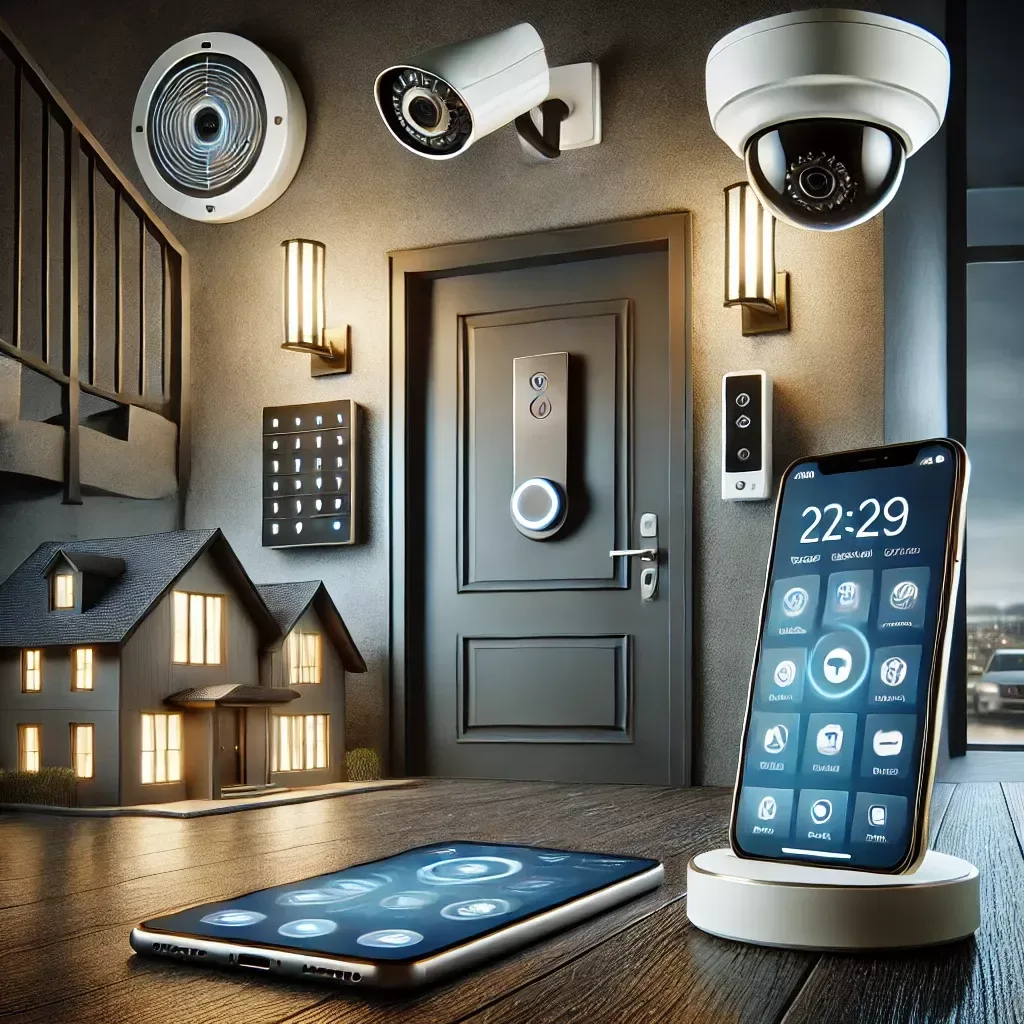
Image source: Web (Bing) / pinterest.com (Web image (fair-use with source credit))
How Systems Deter Criminals
This is often the first and most effective line of defense. Visible signs like yard signs, window stickers, and external cameras act as a powerful deterrent. Potential burglars tend to avoid homes that signal an active security presence, opting for easier targets.
This visible aspect alone can make a criminal reconsider their plans before even attempting entry. It's about projecting an image of security that's hard to ignore.
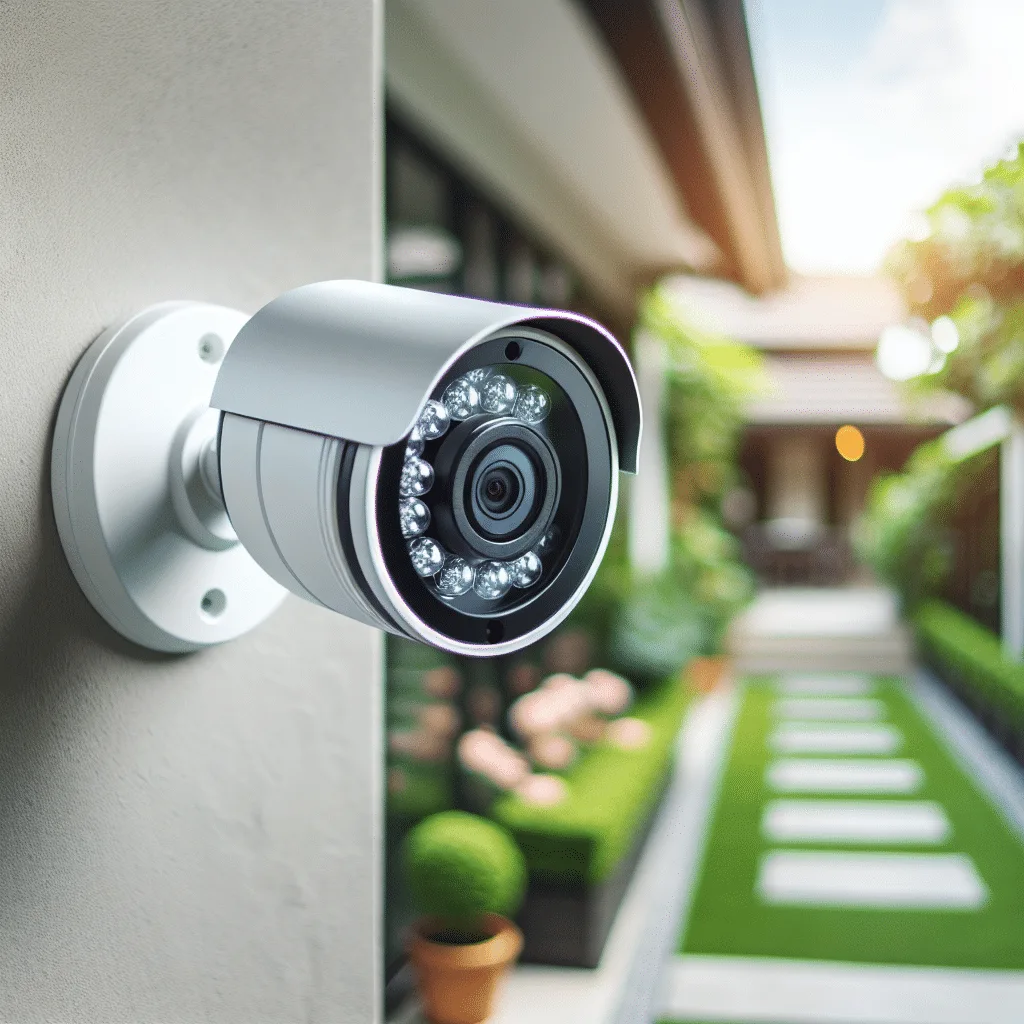
Image source: Web (Bing) / checkcharm.com (Web image (fair-use with source credit))
How Systems Detect Intrusions
If a deterrent fails, the system’s detection capabilities kick in. This involves a network of sensors placed on doors, windows, and within key areas of your home. When an entry point is breached or motion is detected in a secured zone, these sensors trigger an alert.
This immediate notification is critical for initiating a response.
The Role of Monitoring Services
For systems with professional monitoring, the detection of an intrusion doesn't just mean a siren. It means a signal is sent to a central monitoring station. Trained operators at this station then verify the alarm, typically by contacting you, and if necessary, dispatching emergency services like the police.
This professional oversight ensures a prompt and appropriate reaction, even if you're not home or unable to respond yourself.
Key Features and Components That Boost Effectiveness
The effectiveness of any home security system hinges on its individual components and how they work together. Understanding these key features helps you choose a system that best suits your needs and ensures maximum protection.
Essential Sensors: What They Detect and Why It Matters
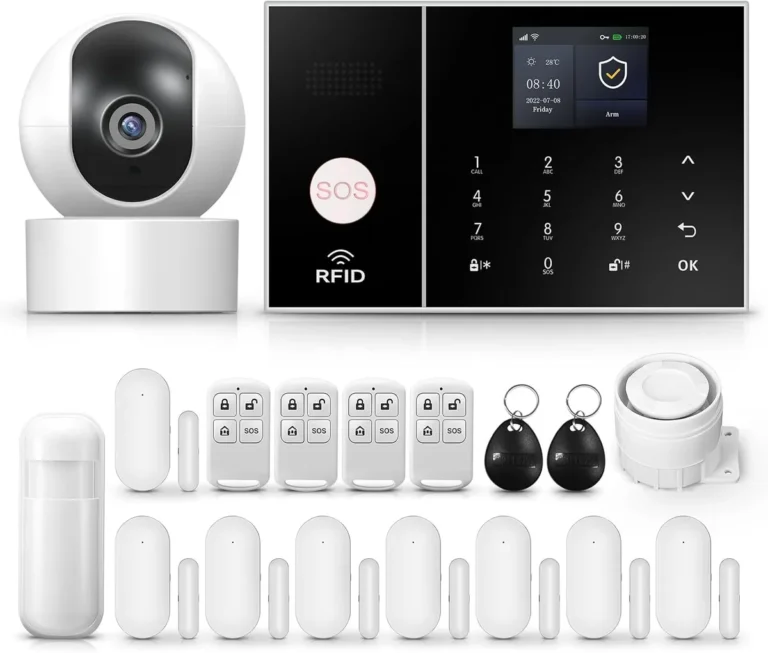
Sensors are the eyes and ears of your security system. Door and window sensors use magnetic contacts; when separated, they trigger an alarm. Motion detectors use infrared technology to sense body heat and movement.
Glass break sensors listen for the specific frequency of breaking glass. Each sensor type plays a crucial role in covering different potential entry points and vulnerabilities.
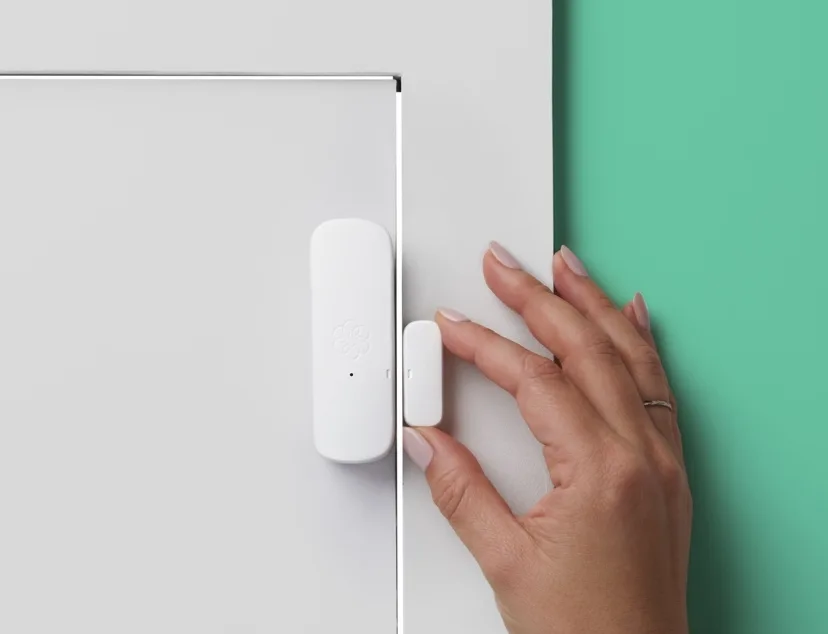
Image source: Web (Bing) / ooma.com (Web image (fair-use with source credit))
Control Panels and Keypads: Your System's Brain
The control panel is the central hub of your security system. It receives signals from all the sensors and communicates them to the monitoring center or activates local alarms. Keypads are how you interact with the system, allowing you to arm, disarm, and check its status.
Ease of use here is important; a complicated keypad can lead to user errors and disabled protection.
Cameras: Eyes on Your Property
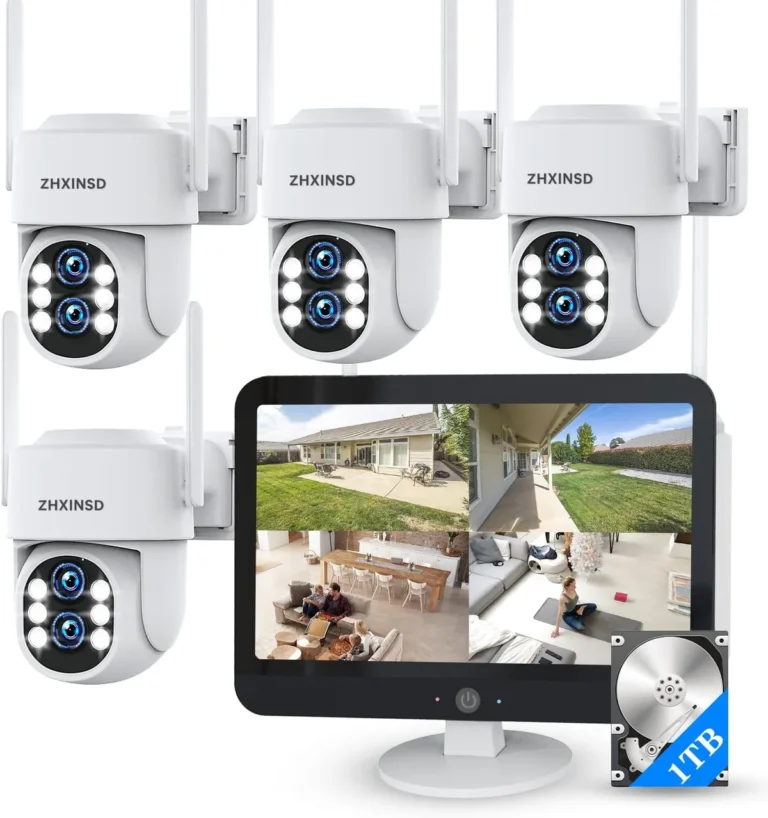
Security cameras provide visual verification and evidence. Indoor cameras can monitor activity within your home, while outdoor cameras offer surveillance of your property's perimeter. Features like night vision, high-definition recording, and two-way audio enhance their utility.
These cameras can capture crucial footage that aids in identifying intruders and provides valuable evidence for law enforcement.
Smart Technology: The Connected Home Advantage
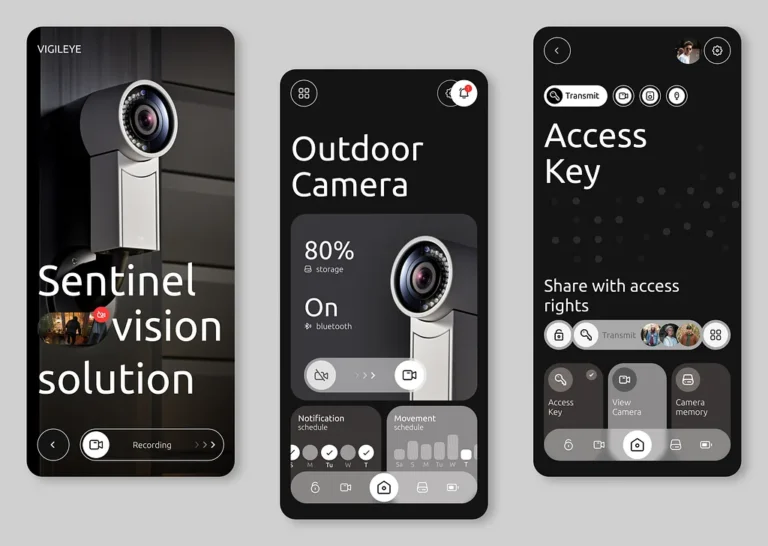
Modern systems increasingly integrate with smart home ecosystems. This allows for remote arming and disarming via smartphone apps, receiving instant notifications on your phone, and even integrating with other smart devices like lights or locks. This connectivity offers enhanced control and awareness, making it easier to manage your home's security from anywhere.
As of 2026, many systems offer advanced AI features for smarter event detection.
The Real-World Benefits and Drawbacks
Choosing a security system involves weighing the significant advantages against potential downsides. Understanding both helps you make an informed decision that truly enhances your safety and security.
Benefits: Beyond Just Stopping Break-Ins
The most obvious benefit is enhanced security, which can lead to a reduced risk of burglary. Studies from the U.S. Department of Justice, such as those conducted by the Bureau of Justice Statistics, have indicated that households with security systems are less likely to be targeted by criminals.
Beyond crime prevention, the presence of a system provides substantial peace of mind. Knowing your home is protected can reduce stress and anxiety, especially when you're away. Many insurance providers also offer discounts for homes with professionally monitored systems, potentially offsetting some of the cost.
- Deters Criminals: Visible signs and equipment make your home a less attractive target.
- Detects Intruders: Sensors and cameras alert you or a monitoring service to unauthorized entry.
- Provides Peace of Mind: Reduces anxiety about home safety, especially when away.
- Enables Faster Response: Professional monitoring can dispatch emergency services quickly.
- Offers Evidence: Cameras record footage crucial for investigations.
- Potential Insurance Discounts: Many insurers offer reduced premiums.
Drawbacks: What to Watch Out For
No system is perfect, and home security is no exception. A significant concern is the potential for false alarms. These can be triggered by pets, faulty sensors, or user error.
Frequent false alarms can lead to fines from local authorities and can desensitize emergency responders. The cost is also a factor; there's the initial investment in equipment and often a recurring monthly fee for professional monitoring, which can add up over time. Some users also find certain systems can be complex to operate or maintain, leading to frustration or inconsistent use.
- False Alarms: Can result in fines and diminished police response.
- Ongoing Costs: Monthly monitoring fees can be significant.
- Installation Complexity: Some systems require professional setup.
- Reliance on Technology: Power outages or internet issues can disrupt functionality.
- User Error: Improper use can render the system ineffective.
Who Needs a Home Security System? Use Cases and Target Audiences
Not every household needs the same level of security. Determining whether a home security system is right for you depends on your specific circumstances, property type, and personal risk assessment. It’s about matching the solution to your unique situation.
Is It Right for Your Home Type?
For those living in apartments or condos, a simpler, often wireless, DIY system might suffice. These are easy to install and move if you relocate. Homeowners with larger properties, multiple entry points, or those in areas with higher reported crime rates often benefit more from comprehensive, professionally installed and monitored systems.
The goal is to cover all potential vulnerabilities effectively.
Who Benefits Most from Monitoring?
Professional monitoring is particularly valuable for individuals who travel frequently, have busy schedules, or would be unable to respond to an alarm themselves. It ensures that an alert is always handled, regardless of your availability. Families with young children or elderly residents may also find comfort in the constant oversight and rapid response capabilities that a monitored system provides.
It's about ensuring help is on the way, even when you can't be the one to call it.
Common Mistakes That Undermine Effectiveness
Even the most advanced home security system can be rendered less effective, or even useless, by common mistakes. Understanding these pitfalls is key to ensuring your system actually provides the protection you expect.
Installation Errors to Avoid
One of the most critical errors is improper sensor placement. If a motion detector is too close to a heat source (like a vent or direct sunlight), it can cause false alarms. Similarly, door and window sensors need to be aligned precisely to register an opening.
Wireless systems can suffer from weak signal strength if the control panel is too far from the sensors, leading to intermittent connectivity issues.
Usage Habits That Diminish Protection
Perhaps the most frequent mistake is simply not arming the system. Forgetting to arm the system when leaving the house or at night defeats its purpose. Another common issue is overriding sensors too often due to minor annoyances, like a pet setting off a motion detector, which can lead to complacency.
Consistent, correct usage is paramount.
When Technology Fails: Power and Connectivity Issues
Modern security systems often rely on Wi-Fi for communication and smartphone control. If your internet goes down, so does that connectivity. While most systems include battery backups for power outages, extended or widespread power failures can still impact functionality.
Some advanced features, like remote viewing, will cease to operate without a stable internet connection.
Expert Tips for Maximizing Your System's Effectiveness
Getting the most out of your home security system involves more than just installation. It requires a proactive approach to maintenance and smart usage. Regularly checking that all sensors are functioning and that your control panel has power and connectivity is crucial.
Many manufacturers, including brands like ADT or SimpliSafe, recommend monthly system tests. This ensures that when an event occurs, your system is ready to perform as expected.
Consider what your system covers and what it doesn't. If you have pets, ensure your motion detectors are pet-immune and set to the correct sensitivity. For cameras, check their field of view and ensure they aren't obstructed by new landscaping or seasonal foliage.
Understanding your system’s limitations and actively managing them will significantly boost its overall effectiveness.
Frequently Asked Questions About Home Security Effectiveness
How long does setup take for a home security system?
Setup time varies widely. DIY wireless systems can often be installed in 1-3 hours by a single person, depending on the number of sensors. Professionally installed systems might take 3-6 hours, sometimes spread over multiple days for larger or more complex setups, to ensure everything is optimally positioned and configured.
Can a security system prevent all burglaries?
No system can guarantee 100% prevention. However, a well-maintained and actively used security system, particularly one with visible deterrents and professional monitoring, significantly reduces the likelihood of a successful burglary and ensures a faster response if one occurs.
What happens if my security system loses power or internet?
Most modern systems have a battery backup that can power the control panel and key sensors for several hours, often 24 hours or more. If your system also has cellular backup, it can continue to send alerts to the monitoring center even without Wi-Fi. Without these backups, however, the system's ability to communicate alerts can be compromised.
Are security cameras a waste of money if they aren't monitored?
Not necessarily. Even unmonitored cameras act as a strong visual deterrent and provide valuable evidence if a break-in occurs. The footage can help identify perpetrators and assist in recovery efforts, even if no immediate alarm is triggered or responded to by a monitoring service.
Do security systems have a noticeable impact on homeowner's insurance premiums?
Yes, many insurance companies offer discounts for homes equipped with professionally monitored security systems. The amount of the discount varies by provider and the specific system components. It’s always a good idea to check with your insurance agent to see what reductions might apply to your policy.
How often should I test my home security system?
It’s generally recommended to test your system at least once a month. This usually involves arming the system and triggering a sensor (like opening a door or window) to ensure the control panel registers it and, if applicable, that the monitoring center receives the alert. Always follow your specific system's testing protocol.
Final Verdict: Making an Informed Decision
When all is said and done, home security systems offer a robust layer of protection that can make a genuine difference. Their effectiveness isn't just about the technology itself, but how that technology is applied and used in conjunction with smart practices. The combination of visible deterrents, reliable detection, and prompt notification, especially through professional monitoring, creates a powerful defense against potential threats.
While they come with costs and potential challenges like false alarms, the benefits of reduced risk and enhanced peace of mind are substantial for many households. By understanding the features, potential pitfalls, and best practices, you can select and manage a system that truly safeguards your home and loved ones. It’s an investment in security that can pay significant dividends in safety and tranquility.