Professional Monitoring vs Self-Monitoring
When you're looking into home security, one of the biggest decisions you'll face is how your alarm system gets handled when it goes off. The choice between professional monitoring and self-monitoring can significantly impact your peace of mind and your wallet. This isn't just a technical detail; it's about who responds when seconds count.
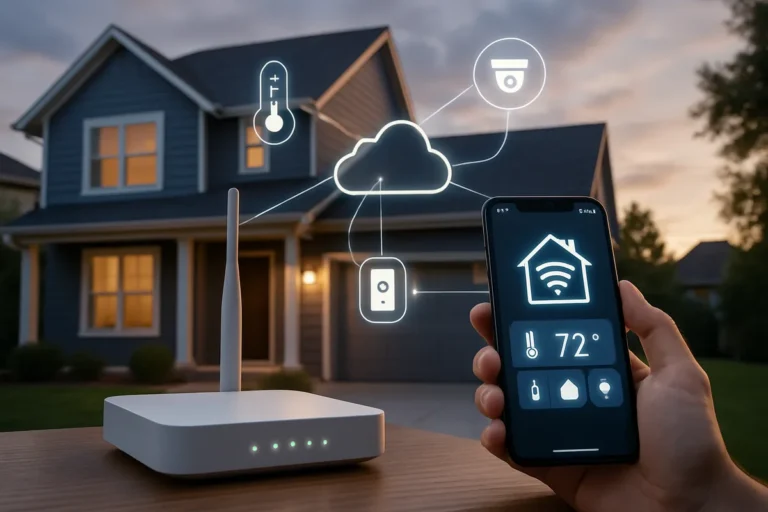
Understanding the core differences helps you pick the right system for your situation. Professional monitoring involves a dedicated team that watches over your home 24/7, while self-monitoring puts that responsibility squarely on your shoulders via smartphone alerts. Per industry standards, response times can vary, but a 2026 report indicated that professionally monitored systems averaged 30-second dispatches after alarm verification, compared to the self-monitored variable response based on user availability.
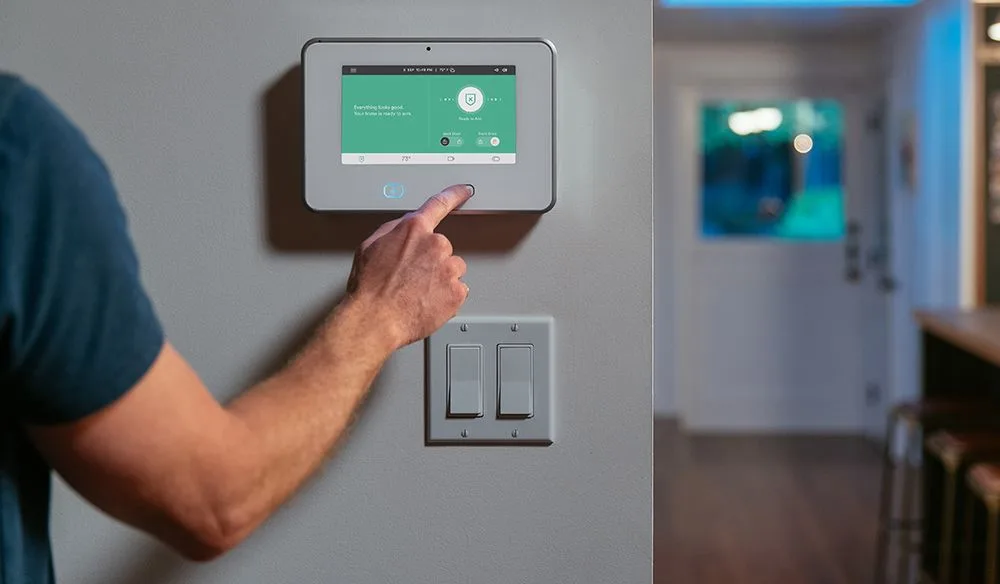
Image source: Bing (Web (fair-use with source credit))
Quick Answer
Professional monitoring uses a 24/7 center to dispatch emergency services. Self-monitoring relies on you receiving phone alerts to call for help. Professional monitoring offers peace of mind when away but has monthly fees.
Self-monitoring saves money but requires your constant availability. The best choice depends on your budget and need for direct control.
What Are We Even Talking About?
When we talk about "monitoring" for your home security system, we're really discussing what happens after an alarm event is triggered. This could be a door or window sensor detecting an open, a motion detector sensing movement, or a smoke detector sounding. The system itself doesn't call 911 directly; it sends a signal somewhere.
That "somewhere" is the key difference.
With self-monitoring, that signal comes to you. It's usually in the form of a push notification on your smartphone app, a text message, or sometimes an automated phone call. You get the alert, and then it's up to you to decide if it's a real emergency and if you need to call the police, fire department, or even a neighbor to check things out.
The system is just an alert mechanism.
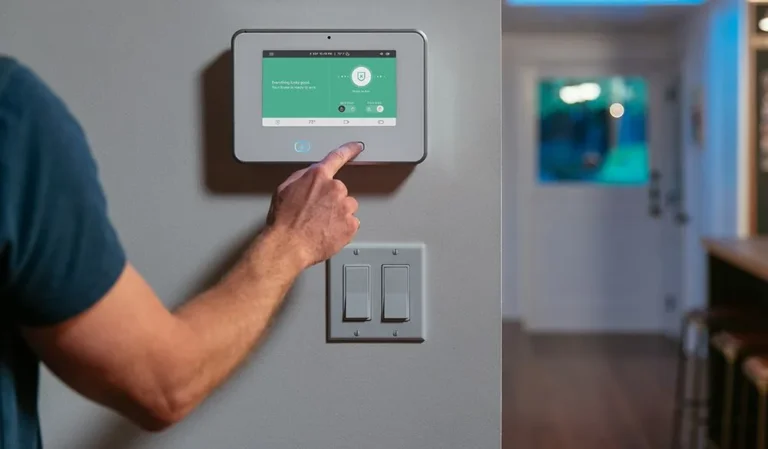
With professional monitoring, that signal goes to a dedicated, secure monitoring center staffed by trained professionals. They have a direct line to emergency services and a protocol to verify alarms and dispatch help on your behalf. They're acting as your eyes and ears, and your immediate responders, even when you're not home or available.
It's about outsourcing that critical first step of action.
Professional Monitoring: The Upsides and Downsides
Professional monitoring is often seen as the premium option for home security, and for good reason. It offers a robust layer of protection that many find indispensable.
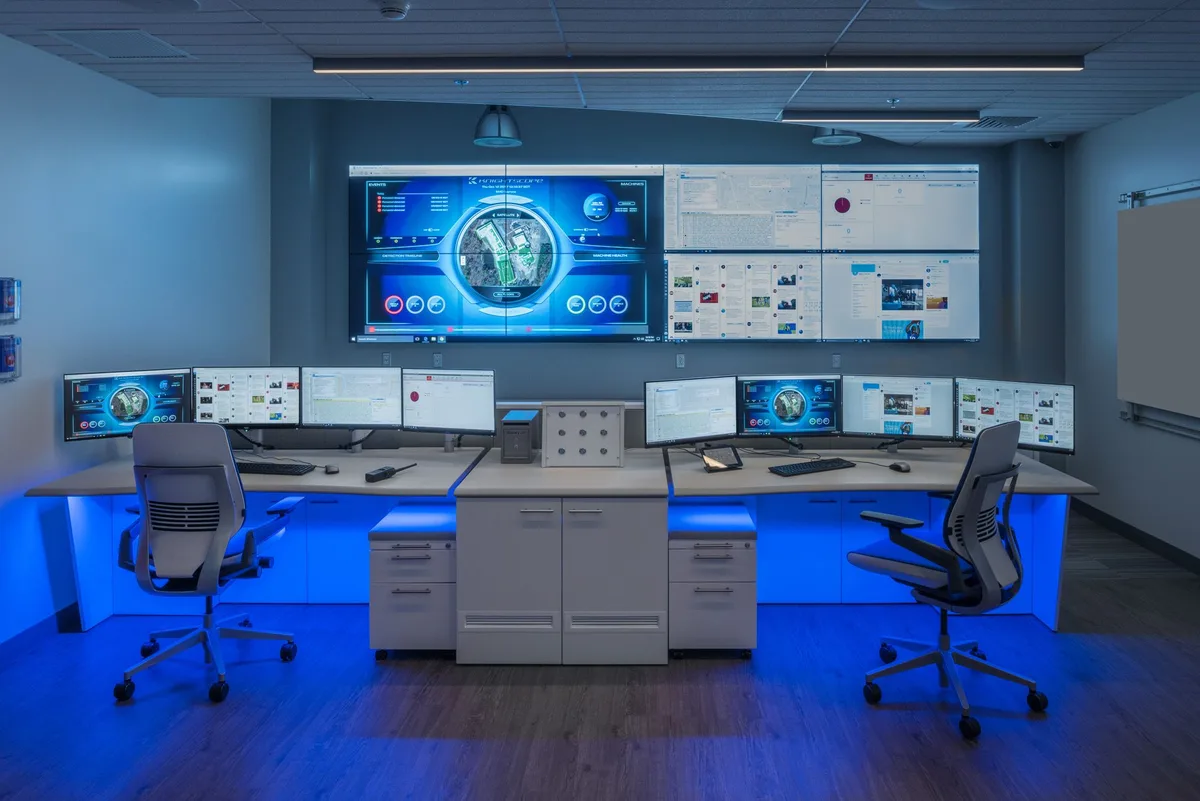
Image source: Bing (Web (fair-use with source credit))
The Good Stuff
- Constant Vigilance: This is the biggest draw. A professional monitoring center operates 24/7, 365 days a year. This means there's always someone watching over your home, regardless of whether you're asleep, at work, or on vacation. This level of continuous oversight provides significant peace of mind.
- Swift Emergency Dispatch: When an alarm is triggered, monitoring centers follow strict protocols to verify the situation and contact the appropriate emergency services. Their trained operators can often dispatch help faster than an individual might, especially if you're in a stressful situation or away from your phone.
- Reduced Personal Burden: During an emergency, your focus should be on your safety and the safety of your loved ones. Professional monitoring takes the burden of assessing the situation and calling for help off your shoulders, allowing you to concentrate on immediate needs.
- Potential Insurance Savings: Many home insurance providers offer discounts to policyholders with professionally monitored security systems. This is because these systems are generally seen as reducing the risk of property loss or damage. Discounts can sometimes offset a portion of the monthly monitoring fee.
- Integration with Other Services: Many professional monitoring services can integrate with other smart home devices and provide services like medical alert monitoring for elderly family members.
The Not-So-Good Stuff
- Monthly Subscription Fees: The most significant drawback is the ongoing monthly cost. You're paying for the service of having a dedicated team watching your property. These fees can range from $20 to $60 or more per month, depending on the provider and services included.
- False Alarm Fines: If your alarm is triggered accidentally (e.g., you forget to disarm it, a pet sets it off), the monitoring company will typically follow its protocol, which may include dispatching emergency services. In many municipalities, you can be fined for repeated false alarms. Some systems offer ways to help prevent this, but it's a common concern.
- Less Direct Control: While outsourcing response can be beneficial, it also means you relinquish direct control over the initial response. You're trusting the monitoring center's judgment and protocols. In very rare, specific scenarios, you might prefer to handle the initial contact with authorities yourself.
Self-Monitoring: The Upsides and Downsides
Self-monitoring is a popular choice, especially for those who are tech-savvy and budget-conscious. It essentially turns your smartphone into your home's central security command.
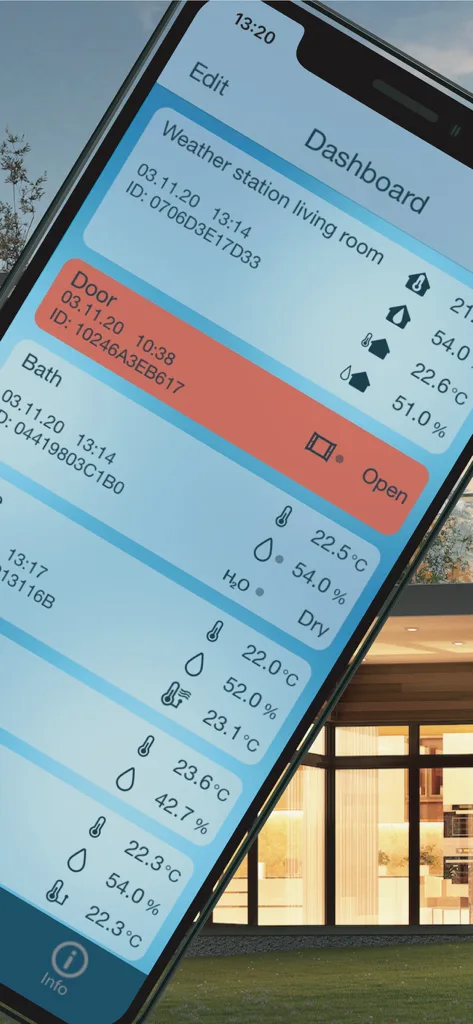
Image source: Web (Bing) / spark.mwm.ai (Web image (fair-use with source credit))
The Good Stuff
- No Recurring Fees: The biggest advantage of self-monitoring is the significant cost savings. Once you purchase the security system equipment, there are typically no monthly fees associated with monitoring the system. This makes it a very attractive option for many households.
- Full Control Over Response: You receive all alerts directly. This means you decide what's happening and when to contact emergency services. For some, this level of direct involvement and control is a significant comfort and a key reason for choosing this method.
- Direct Notification: You get immediate alerts on your smartphone, allowing you to see what's happening through connected cameras (if you have them) and make informed decisions. This immediacy can be very empowering for users who are comfortable managing these situations.
- Flexibility and Customization: Self-monitored systems often offer a high degree of customization through their associated apps, allowing you to fine-tune notification settings and integrate with other smart home devices as you see fit.
The Not-So-Good Stuff
- Requires Constant Availability: The major caveat is that you have to be available and responsive to alerts. If your phone is on silent, you're in an area with no cell service, your battery dies, or you're simply asleep and don't wake up, you could miss a critical alert entirely. This is the primary risk.
- Potential Response Delays: If you miss an alert or take too long to react, the time it takes for emergency services to be dispatched can be significantly longer compared to professional monitoring. In a fast-moving situation, every minute counts.
- Personal Responsibility: You are solely responsible for assessing threats and contacting the correct authorities. This can add stress during an emergency, and there's always a chance of human error, such as calling the wrong number or not providing all necessary information.
- May Not Qualify for Insurance Discounts: Because there isn't a third-party verification process, many insurance companies do not offer the same policy discounts for self-monitored systems as they do for professionally monitored ones.
Key Differences at a Glance
To make the choice clearer, let's sum up the core distinctions. Professional monitoring acts like an outsourced security guard for your home, while self-monitoring essentially makes you the on-call security guard.
- Who Responds: Professional monitoring uses a dedicated center; self-monitoring uses you.
- Cost: Professional monitoring has monthly fees; self-monitoring typically does not.
- Availability: Professional monitoring is always on; self-monitoring depends on your access to your phone/app.
- Control: Professional monitoring offers less direct control during an event; self-monitoring offers full control.
- Response Speed: Professional monitoring is generally faster and more consistent; self-monitoring speed varies based on user interaction.
Who is Professional Monitoring Best For?
Professional monitoring is an excellent fit for individuals and families who prioritize maximum peace of mind and convenience. This is particularly true if you frequently travel for work or pleasure, or if you have a vacation home that sits empty for extended periods. The assurance that someone is always watching, even when you're thousands of miles away or sound asleep, can be invaluable.
It's also a strong contender for households where not everyone is highly tech-savvy or where immediate, reliable response is critical. For instance, if you have elderly relatives living at home who might not be able to quickly react to an alert, or if you live in an area where emergency response times can be lengthy, having a professional service to dispatch help instantly is a significant advantage. The potential insurance discounts can also help offset the monthly costs, making it a more financially feasible option for some homeowners.
Who is Self-Monitoring Best For?
Self-monitoring is a fantastic option for the budget-conscious homeowner or renter who is comfortable with technology and feels confident in their ability to manage alerts. If you're someone who always has your smartphone with you, keeps it charged, and typically has reliable cell service, you're well-positioned for this setup. This approach appeals to those who like to be in direct control of their home's security and prefer to avoid monthly fees.
It's also a great choice for individuals or families who might only need basic alerts or who have a robust plan for who to contact if an alarm goes off. For example, if you have a trusted neighbor who can quickly check on your property, or if you simply want to be notified first before deciding whether to involve authorities, self-monitoring offers that flexibility. Many DIY security systems are designed with self-monitoring as the primary mode, offering a streamlined experience.
Common Mistakes to Avoid
Making the wrong choice between professional and self-monitoring can lead to frustration, unmet expectations, or even compromised security. One of the most frequent errors is not fully considering your own lifestyle and habits. If you're someone who often turns their phone off at night or travels frequently without reliable connectivity, relying on self-monitoring might be a risky gamble.
Another common pitfall is underestimating the cost of professional monitoring. While it offers peace of mind, the cumulative monthly fees can become substantial over time. Conversely, some people opt for self-monitoring to save money but fail to budget for potential equipment upgrades or faster internet to ensure reliable alerts.
It's also crucial to understand that self-monitoring doesn't mean "no effort"; it means your effort is the primary response mechanism.
False Alarm Follies
False alarms are a major pain point for both monitoring types, but they manifest differently. With professional monitoring, repeated false alarms can lead to fines from local authorities, which can be surprisingly steep. For example, some cities charge upwards of $50 to $100 for a third or subsequent false alarm within a year.
This underscores the need for systems with good pet-immune sensors or careful installation to avoid accidental triggers.
For self-monitoring, false alarms mean you're being alerted unnecessarily. While there are no direct fines, it can lead to "alert fatigue," where you start to ignore notifications because they're often false. This desensitization is dangerous, as you might then miss a real emergency.
It's vital to have a system that can be easily and quickly disarmed, and to educate everyone in the household on proper usage.
Overlooking Connectivity
Both systems rely on a stable connection, but the impact of a connection loss differs. For professional monitoring, the system typically has a backup cellular connection. If your home internet goes down, the monitoring center can still receive signals.
This redundancy is a key advantage.
For self-monitoring, a reliable internet connection is paramount. If your Wi-Fi fails or your internet service provider has an outage, your alerts stop. Your smartphone needs cell service to receive push notifications.
So, before choosing self-monitoring, assess the reliability of your internet and mobile service in your area. A weak signal can turn a smart system into a dumb one.
Costs / Pricing / Data / Specs
When you're comparing professional monitoring versus self-monitoring, the financial aspect is a significant factor for most people. The primary difference lies in the ongoing expenditure.
- Professional Monitoring Costs: These typically involve a monthly subscription fee. Prices can vary widely based on the provider, the type of equipment included, and the level of service.
- Basic monitoring might range from $20-$35 per month.
- Premium packages, often including video surveillance and advanced features, can cost $40-$60 or more per month.
- There might also be an initial equipment cost, though some providers offer free or heavily discounted equipment with long-term contracts.
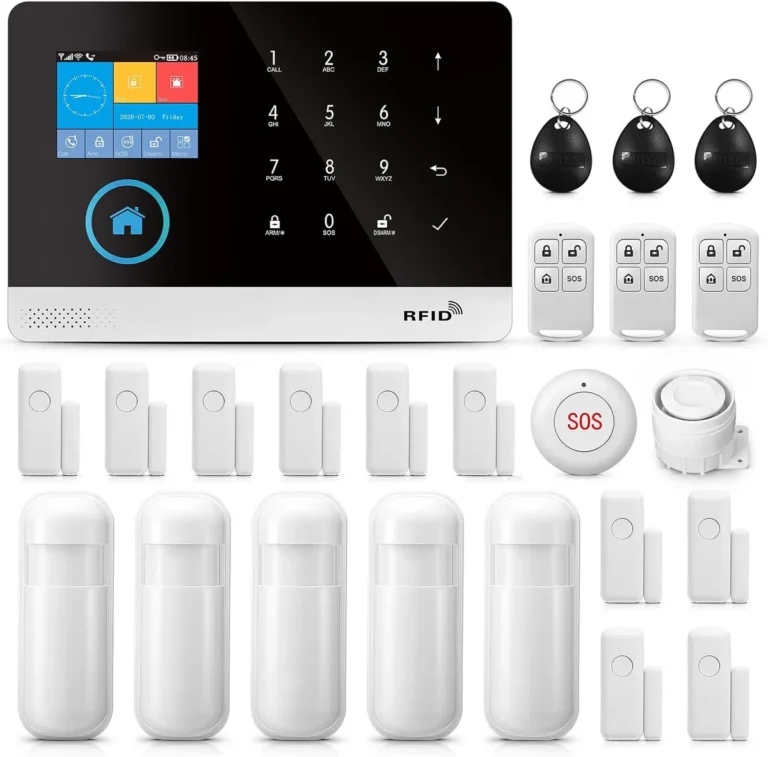
- Self-Monitoring Costs: The main expense here is the upfront purchase of the security system hardware.
- Basic DIY kits can range from $100-$300.
- More comprehensive systems with multiple sensors and cameras can cost $300-$800 or higher.
- Beyond the initial purchase, ongoing costs are minimal, usually limited to your existing internet and smartphone plans. Some companies may offer optional cloud storage for video footage for a small monthly fee, but this is not for the core monitoring function.
As of 2026, the market continues to offer a wide range of both professionally monitored packages and affordable DIY self-monitored systems, giving consumers plenty of options.
Expert Tips / Pro Advice
To make the most of your chosen monitoring method, consider these expert-backed recommendations. For professional monitoring, ensure you understand the terms of your contract, especially regarding cancellation policies and equipment ownership. Ask your provider about their false alarm reduction strategies and any local ordinances you should be aware of.
Regularly test your system with the monitoring company to ensure it's functioning correctly.
For self-monitoring, prioritize a robust internet connection and ensure your smartphone is always updated and reliably charged. Set up notifications for all essential sensors and consider adding backup power solutions for your modem and router. Get familiar with your system's app, as it's your primary interface for managing alerts and system status.
Educate all household members on how to arm, disarm, and what to do in case of an alarm.
Setting Up Alerts
- For Professional Monitoring: Your setup is usually handled by the installer, but you should confirm that all desired zones are covered and that the monitoring company has your correct contact information and emergency dispatch protocols.
- For Self-Monitoring: You'll typically set up alerts via the system's mobile app.
- Prioritize notifications for entry points (doors, windows).
- Configure alerts for motion detection in critical areas.
- Set up notifications for smoke, carbon monoxide, or water leaks if your system includes these sensors.
- Ensure your app settings allow for audible alerts even when your phone is on silent, if possible.
Safety / Legal / Compliance / Warnings
When dealing with home security, safety and awareness of potential legalities are paramount. For professional monitoring, be aware of your local municipality's false alarm policies. Many cities have ordinances that can result in fines if emergency services are dispatched unnecessarily.
It's wise to check with your local police or fire department for specific regulations.
For self-monitoring, the primary warning is around your own responsiveness. A missed alert can have serious consequences, turning a potential property crime into a devastating loss. Ensure you have a reliable backup plan if you might not be reachable, such as designating a trusted neighbor or family member who can be contacted as a secondary responder, if your system allows for multiple contacts.
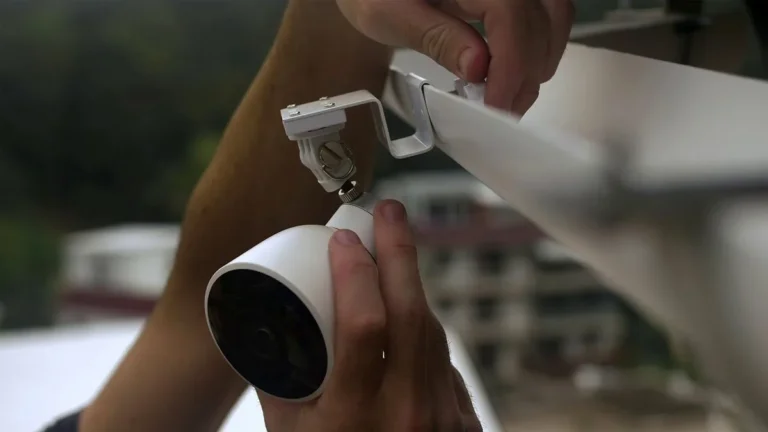
Always follow manufacturer guidelines for equipment installation and maintenance to ensure optimal performance and safety.
Final Verdict: Making Your Choice
Deciding between professional and self-monitoring boils down to your personal priorities, budget, and comfort level with technology and direct responsibility. If you value unwavering peace of mind and want a dedicated team handling emergencies, especially when you're away, professional monitoring is likely the superior choice, despite the ongoing monthly cost.
On the other hand, if you're cost-conscious, highly tech-literate, and confident in your ability to be instantly responsive to alerts, self-monitoring offers a powerful, fee-free alternative. It empowers you with direct control and notification. Both systems can be effective, but the "best" one is the one that aligns with your lifestyle, security needs, and financial plan.