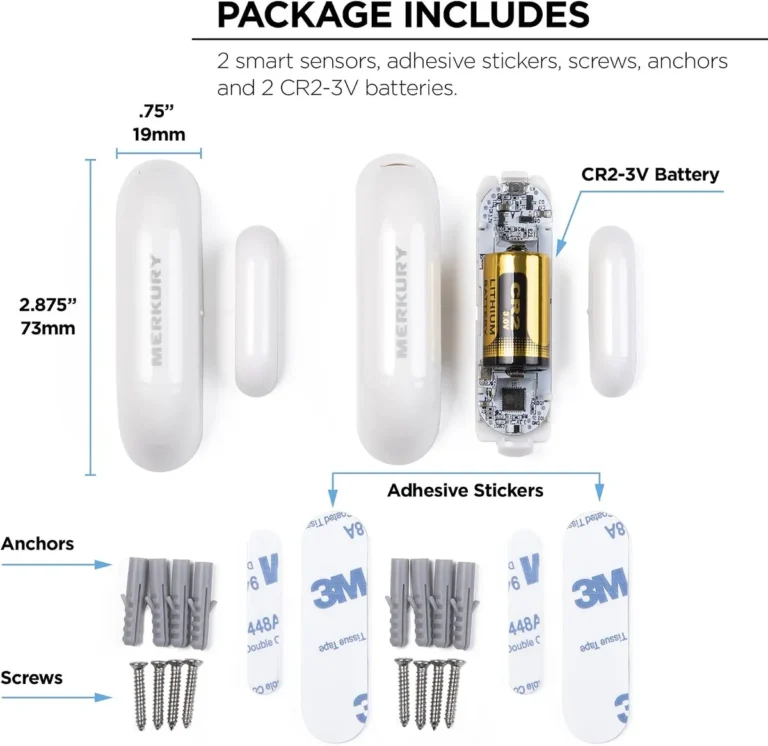
How Do Glass Break Sensors Work
When you're thinking about home security, it's easy to focus on motion detectors. But what about protecting your windows themselves? That's where glass break sensors come in.
Understanding how do glass break sensors work reveals a clever way to get an earlier warning that a break-in might be happening.
These devices use specific acoustic and vibration triggers to alert you, aiming to catch a breach the moment glass shatters. As of 2026, advancements in sensor technology mean they’re more reliable than ever at distinguishing a real break from everyday noises. Let's look at how they're designed to do just that.
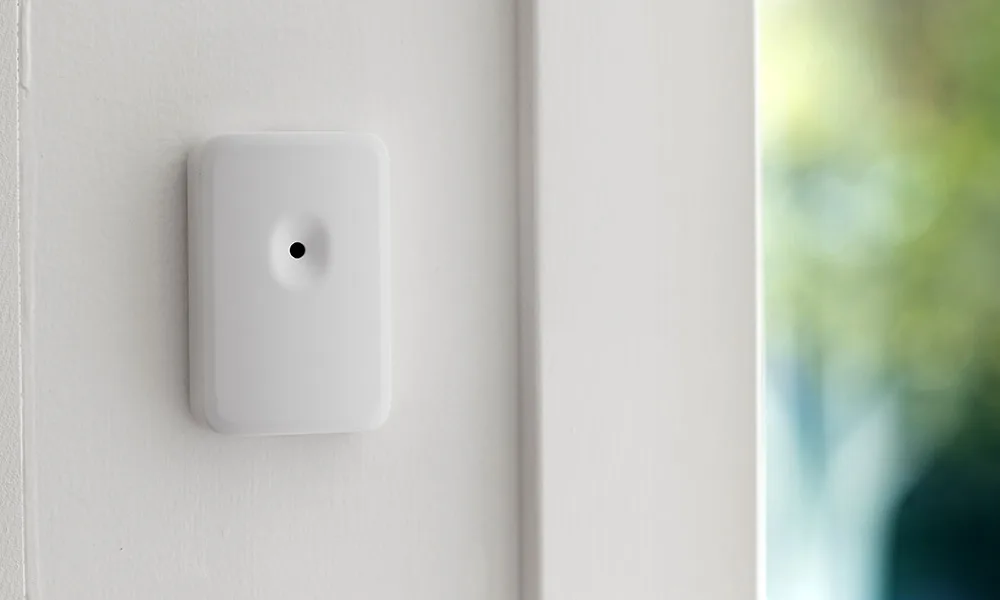
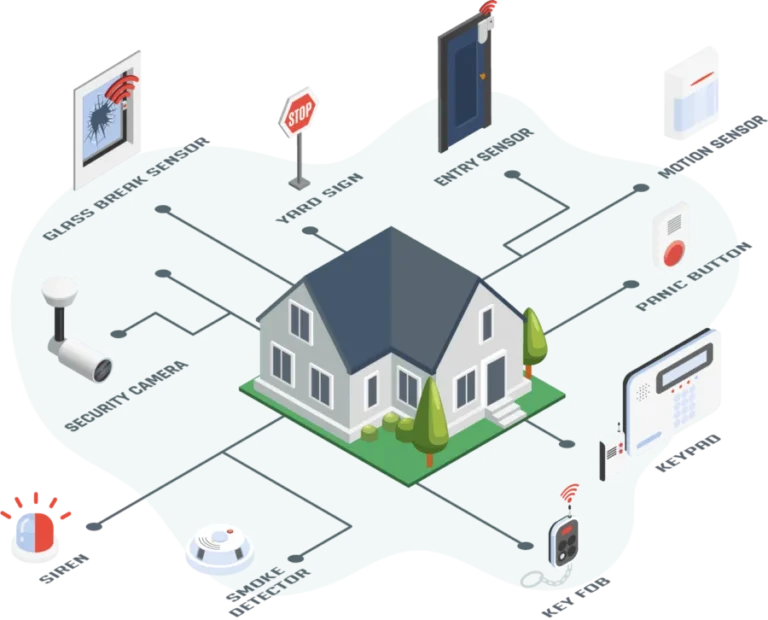
Image source: Bing (Web (fair-use with source credit))
Quick Answer
Glass break sensors work by listening for the specific high-frequency sound of shattering glass. They then confirm this sound with a detection of a sudden impact or vibration. This two-stage process helps differentiate a real glass break from other loud noises, reducing false alarms and providing early detection for security systems.
How Glass Break Sensors Actually Hear the Shatter
So, how does a little device on your wall or ceiling actually know when glass breaks? It's not magic; it's a smart combination of physics and engineering. Think of it as giving your alarm system super-sensitive, specialized ears.
These sensors are designed to be incredibly precise. They don't just listen for any loud noise. Instead, they're programmed to identify a very particular acoustic signature, the distinct, high-pitched "shatter" sound that occurs when glass breaks.
This sound is unique and travels through the air in a specific way.
The Two-Stage Secret to Detecting Broken Glass
The real intelligence behind glass break sensors lies in their "two-stage" detection system. It’s like a double-check to make sure they’re not raising a false alarm.
- Stage 1: The Sound Signature: The sensor first listens for that characteristic high-frequency sound of breaking glass. This is a crucial first step.
- Stage 2: The Impact Confirmation: If the sensor detects the right kind of sound, it then looks for a corresponding sharp impact or vibration. This is usually the sound of the glass hitting the floor, a table, or another surface after it shatters.
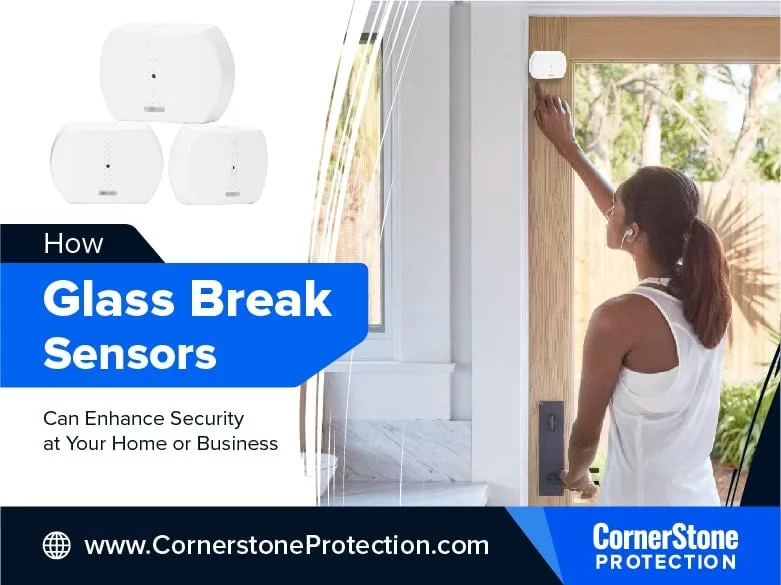
Image source: Web (Bing) / storage.googleapis.com (Web image (fair-use with source credit))
This dual approach is what makes them so effective. For example, if a loud bang occurs, like a dropped pot or a door slamming, the sensor might pick up the sound. However, if there’s no accompanying impact vibration, the alarm won't be triggered.
Likewise, if something bumps against the window but doesn't create the specific shattering sound, it will likely be ignored. This layered approach significantly cuts down on false alarms, which can be a real nuisance with simpler security devices.
What's Inside: The Tech That Listens and Feels
Curious about what’s actually packed inside one of these sensors? They’re pretty sophisticated little gadgets. The key components work together to achieve that precise detection.
At its heart, a glass break sensor has a sensitive microphone. This isn't your average voice-recording microphone; it's engineered to pick up a broad spectrum of sound frequencies, with a particular emphasis on the higher ranges where the sound of breaking glass typically resides. Manufacturers often specify the frequency range they monitor, with many focusing on frequencies between 2 kHz and 10 kHz, though some may cover a wider range.
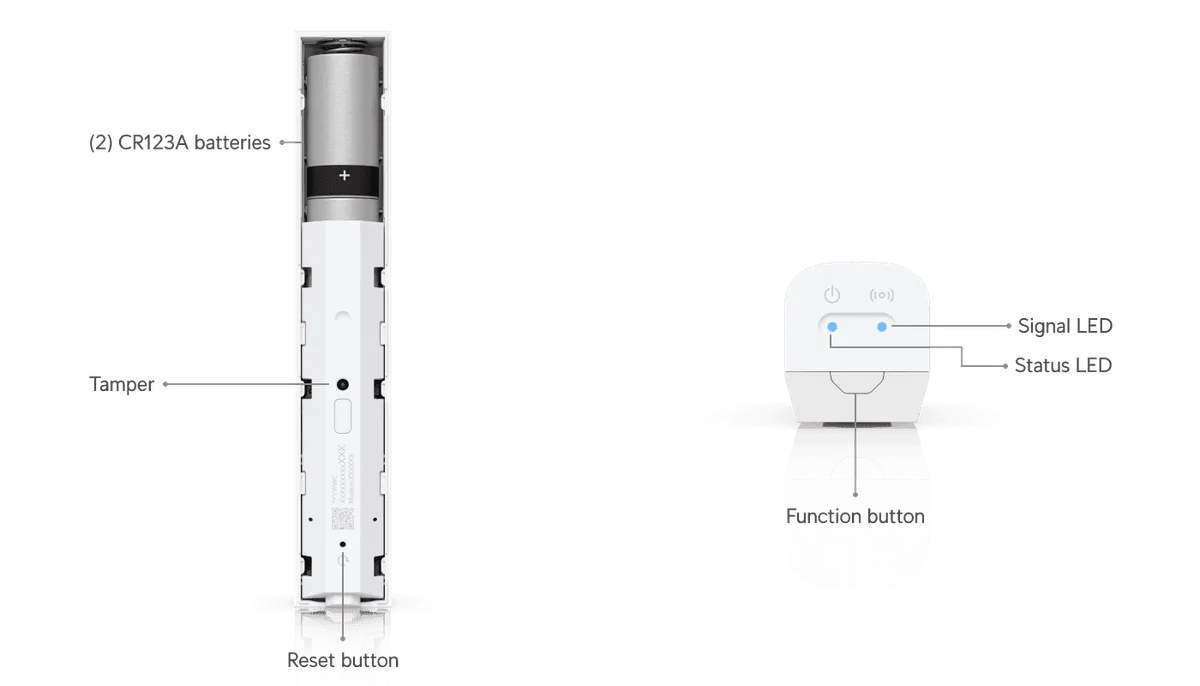
Image source: Web (Bing) / store.ui.com (Web image (fair-use with source credit))
Beyond the microphone, most modern and reliable glass break sensors also incorporate an accelerometer. This component is designed to detect physical shock and vibration. When glass breaks, it doesn't just make a sound; it also creates a distinct physical disturbance.
The accelerometer picks up this jolt, which is a critical secondary piece of information. Some systems might also use a piezoelectric sensor for vibration detection, which operates on a similar principle by converting mechanical stress into an electrical signal. This combination of acoustic and impact sensing forms the backbone of their detection capabilities.
Why Two-Stage Detection is Key for Accuracy
You might be wondering why simply detecting a loud noise isn't enough. The reason is that a single detection method can easily lead to false alarms. That's where the two-stage detection process becomes absolutely vital for the reliable functioning of glass break sensors.
- The Problem with Single-Stage: Imagine a loud party happening nearby, or a dog barking incessantly. A sensor that only listened for loud noises would constantly be triggering your alarm. This not only wastes your time but can also lead to you ignoring actual alerts in the future.
The two-stage system acts as a critical filter. It ensures that the sensor is not just reacting to a stimulus, but is correctly identifying the specific event of glass breaking. This is crucial because many different events can produce a loud sound, but far fewer produce that specific, sharp sound coupled with a corresponding impact.
By requiring both a sound signature and a physical jolt, the sensor significantly improves its signal-to-noise ratio. It filters out ambient noise and common household sounds that don't match the profile of breaking glass. This advanced approach is what allows these sensors to offer a high level of protection without the constant annoyance of false alarms.
Common Misconceptions About Glass Break Sensors
Because they seem so straightforward, there are a few common misunderstandings about how glass break sensors work. Clearing these up helps you use them more effectively and understand their limitations.
- Myth: They detect impacts only. This isn't quite right. While they do detect impact, the sound signature is equally, if not more, important. They need both.
- Myth: They can detect anything hitting the window. This is false. They are specifically tuned for the sound of glass breaking. A heavy object might hit the window, but if it doesn't create the characteristic shattering sound, the sensor won't trigger.
- Myth: They detect cracks. Generally, no. These sensors are designed for the explosive sound and vibration of shattering glass, not for slow cracks or stress fractures that don't produce that immediate acoustic event. If a window is compromised but hasn't shattered, the sensor won't activate.
Understanding these points is key. They aren't motion detectors and they aren't impact sensors for general force. Their purpose is highly specific: to catch the moment glass shatters.
Knowing this helps you position them correctly and understand what scenarios they are best suited for.