Where Should Door Sensors Be Installed
Figuring out where to install door sensors can seem straightforward, but getting it right makes a big difference for your home security. The goal is to ensure every entry point is monitored effectively, whether you're home or away. Our research shows that a simple checklist helps avoid common mistakes and ensures your system works as intended.
Understanding the nuances of different door types and your specific security needs is key. For instance, while many wireless sensors adhere to manufacturer specifications of functioning up to 100 feet (30 meters) in open air, this range can be significantly reduced by walls and interference. Let’s break down exactly where these sensors should go to give you peace of mind.
Quick Answer
Door sensors should be installed on all primary entry points, including front, back, and side doors, as well as garage doors. Ensure the two parts, the sensor body and the magnet, are aligned within 0.5 inches (12.7 mm) when the door is closed. For extra security, consider interior doors like those leading to basements or attics.
Why Sensor Placement is Crucial for Security
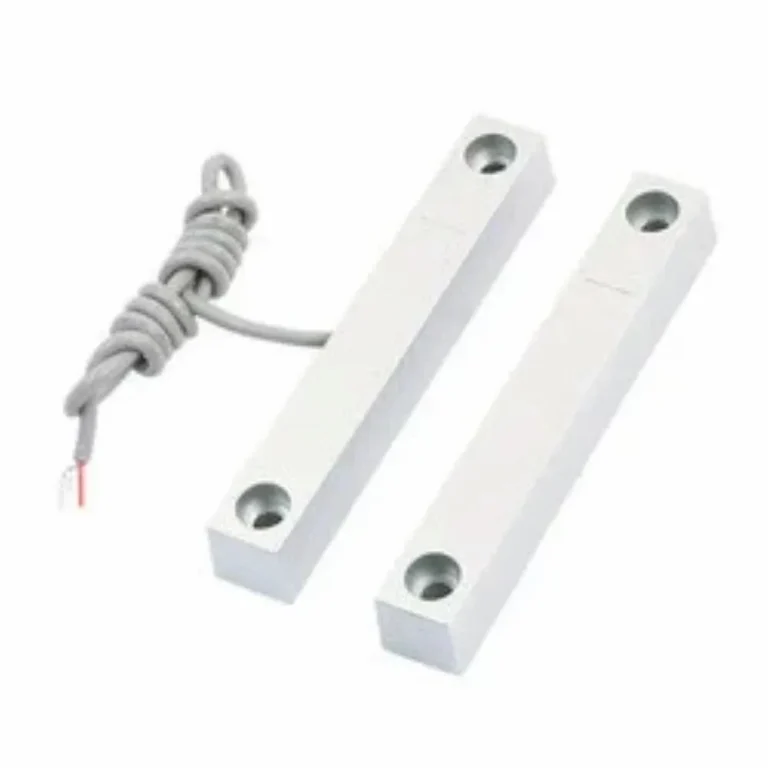
When you’re setting up a home security system, the placement of each component matters. Door sensors, also known as contact sensors, are fundamental. They work by detecting when a door is opened or closed.
If the two pieces of the sensor are separated beyond a set range, the system is triggered. This simple mechanism is incredibly effective, but only if the sensors are positioned correctly.
The Impact of Wrong Placement on Alerts
If you install a door sensor incorrectly, it can lead to false alarms or, worse, missed alerts. Imagine a sensor where the magnet and the sensor body aren't aligned properly when the door closes. This might leave the circuit "open," making the system think the door is still ajar even when it's shut.
- False Alarms: A gap that’s too wide can cause the sensor to think the door is opening when it's just being jostled by wind or vibrations. This can lead to unnecessary calls to emergency services or constant false alarms that make you ignore real threats.
- Missed Alerts: Conversely, if the sensor body and magnet are misaligned or too far apart when the door is closed, the system might not register an opening. This leaves a vulnerable entry point completely unmonitored.
Our research confirms that proper alignment, typically within 0.5 inches (12.7 mm), is critical. Per the guidelines from many security system manufacturers, this gap ensures reliable detection.
Your Door Sensor Installation Decision Guide
Deciding exactly where to put your door sensors involves a few straightforward questions about your home and your security priorities. It’s less about finding a hidden spot and more about strategic coverage. Think of it as creating a digital tripwire for every significant entryway.
First: What Kind of Door Are You Protecting?
Not all doors are created equal, and their placement within your home dictates their security risk. You’ll want to prioritize based on accessibility from the outside and how often they’re used.
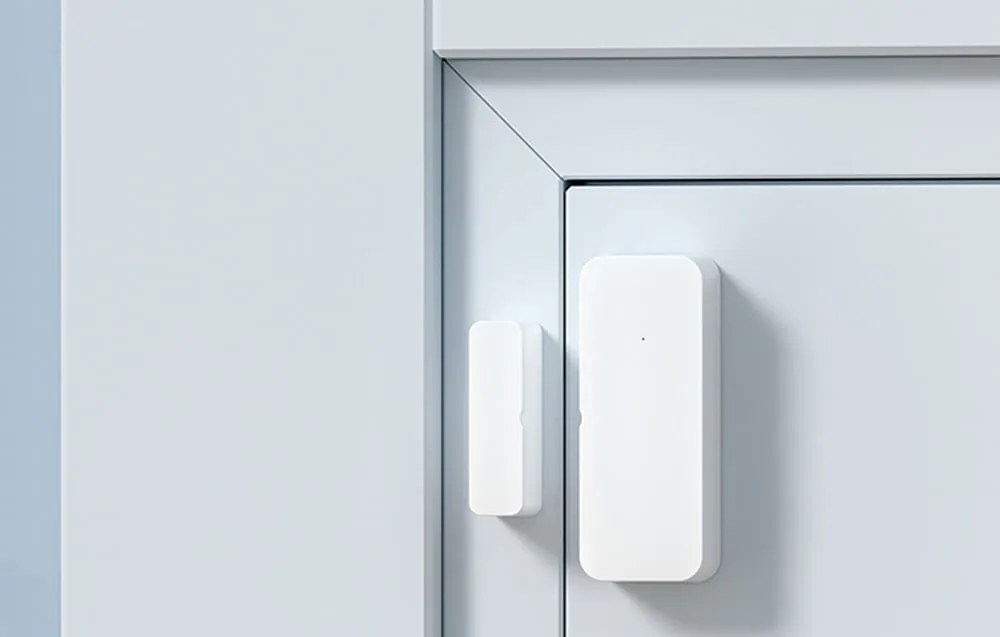
Image source: Web (Bing) / rpc.lt (Web image (fair-use with source credit))
Front, Back, and Side Doors
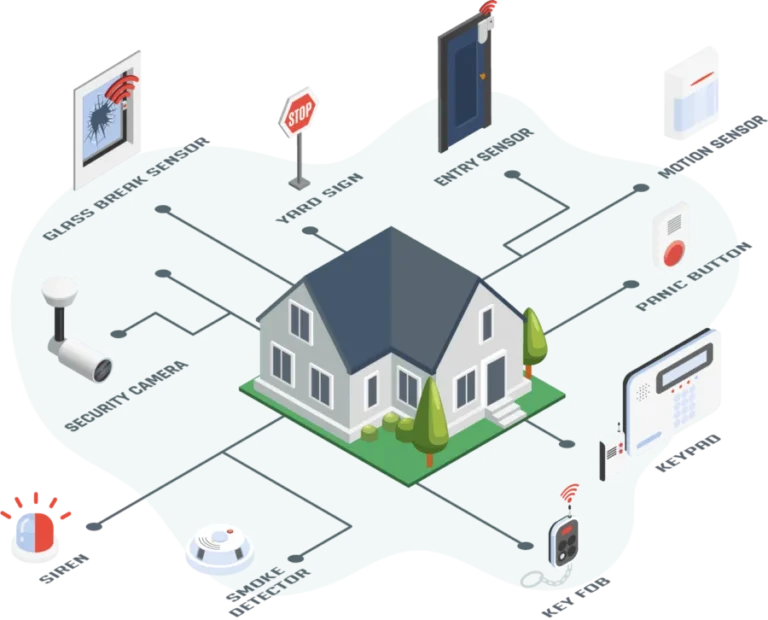
These are your primary defense lines. Front doors are obvious targets, but back and side doors often offer more secluded access for intruders. Aggregate user reviews consistently show that these doors should always be protected with a contact sensor.
They are typically the most vulnerable entry points to a home.
Garage Doors
Your garage door is a major entry point, especially if it leads directly into your home. If an intruder can bypass your main doors by coming through the garage, your home is still compromised. Many garage doors have multiple panels or are larger than standard doors, so ensure your sensor placement accommodates this.
Interior Doors (Basements, Attics, Important Rooms)
While less common for basic security, consider interior doors if you have specific concerns. Doors leading to basements, attics, or internal utility rooms can be entry points if someone breaches an outer wall or window. You might also want to sensor doors to sensitive areas like a home office or a safe room for an added layer of security.
Second: What's Your Security Goal?
Your intention for using door sensors will also guide their placement. Are you just trying to get an alert if someone breaks in, or do you want to integrate them into a broader smart home setup?
Basic Intrusion Alerts
If your main goal is simple intrusion detection, focus on all exterior doors that provide direct access to your living space. This includes the main front door, back door, and any side or patio doors. For many, this is the core of their home security strategy.
Smart Home Automation Triggers
Beyond just alarms, door sensors can trigger other smart home devices. For example, you could set them to turn on lights when a door opens after dark, or to adjust the thermostat when a specific door is closed. This requires placing sensors on doors that you want to use as triggers for these automations.
Deterrence
Visible sensors can act as a deterrent. While the sensor itself isn't the primary deterrent, its integration into a visible security system can make potential intruders think twice. Ensuring your sensors are on the most obvious entry points contributes to this effect.
How to Properly Mount Your Door Sensors
Getting door sensors installed correctly is a DIY-friendly task for most, but attention to detail is key. The process involves mounting two pieces: the sensor body and a small magnet. They need to be positioned so that when the door is closed, the magnet is very close to the sensor.
When the door opens, the magnet moves away, breaking the connection and signaling the system.
Cleaning and Surface Prep
Before you stick or screw anything down, make sure the surfaces are clean and dry. This is vital for the adhesive strips to stick securely. Use an isopropyl alcohol wipe or a clean cloth with a mild degreaser to remove any dust, oil, or grime from both the door and the door frame where the sensor components will attach.
Allow the surface to dry completely.
Attaching the Sensor Body
The sensor body, which contains the electronic components and the switch, typically attaches to the door frame. Most sensors come with strong adhesive backing. Peel off the backing and press the sensor firmly into place on the frame.
Make sure it's positioned so it will be directly across from the magnet when the door is shut.
Attaching the Magnet
The smaller, cylindrical magnet usually attaches to the door itself, directly opposite the sensor body. Again, peel off the adhesive backing and press it firmly onto the door. The exact height and position will depend on the specific sensor model and your door’s construction.
The critical part is that the magnet and sensor are aligned and within the recommended close proximity when the door is shut.
Common Door Sensor Installation Mistakes to Skip
Even with clear instructions, a few common pitfalls can derail your door sensor setup. Avoiding these simple errors will save you headaches and ensure your security system is reliable. Most problems boil down to misjudgment during the physical installation process.
Gaps Too Wide or Too Narrow
The most frequent mistake is not getting the gap between the sensor body and the magnet right. If the gap is too wide when the door is closed (generally over 0.5 inches or 12.7 mm), the sensor may not register as closed. This can lead to false alarms or the system failing to arm properly.
If the magnet is too close or touching the sensor, it might also create issues, though this is less common.
Placing on Uneven Surfaces
Adhesive strips need a smooth, clean, and flat surface to bond properly. If you try to stick the sensor or magnet onto a textured surface, unpainted wood with a rough grain, or a dirty area, it won't hold. This can cause the sensor to fall off or misalign over time, compromising its function.
Always opt for the smoothest part of the frame or door for mounting.
Forgetting to Test After Installation
After mounting both parts, it’s crucial to test the system. Many people skip this step, assuming it works. Arm your security system and then open and close the door.
Check your app or system panel to ensure it registers the opening and closing correctly. If it doesn't, you'll need to adjust the magnet’s position or the sensor’s placement before relying on it.
Expert Tips for Optimal Door Sensor Performance
Beyond just placing the sensors, a few expert insights can boost their reliability and longevity. These tips focus on maximizing their effectiveness and ensuring they integrate seamlessly into your security setup. Think of them as fine-tuning your defense.
Testing Your Setup Regularly
Manufacturer specifications suggest that sensors should be tested periodically, at least monthly, to ensure continued function. This isn't just about checking if they trigger; it's about confirming the system registers the event accurately and quickly. Arm your system, open a protected door, and verify you receive an alert through your app or security panel within seconds.
This also helps you get familiar with the system's response.
Considering Wireless Range and Interference
Most modern door sensors are wireless, using protocols like Z-Wave or Zigbee to communicate with a hub. The stated wireless range, often up to 100 feet (30 meters) in open-air conditions, can be significantly reduced by home construction materials like concrete, metal, and even thick walls. If your sensor is far from its hub, consider its placement carefully.
Aggregated user feedback indicates that placing the hub centrally or using signal repeaters can help maintain a strong connection. Avoid placing sensors near large metal objects or other electronic devices that might cause interference, such as microwaves or cordless phones.
Making the Right Choice: Your Door Sensor Placement Verdict
The best placement for your door sensors boils down to a simple principle: cover every potential entry point with care. By thinking through the type of door and your security goals, you can create a robust defense. Remember that proper alignment and regular testing are just as crucial as the initial mounting.
If you’re securing standard exterior doors like your front, back, or side entrances, focus on getting the sensor and magnet aligned within 0.5 inches (12.7 mm). For garages, consider the door's mechanism and ensure the sensor placement doesn't hinder its operation. For added layers of security, interior doors can also be monitored.
This systematic approach ensures your system offers the reliable alerts and peace of mind you’re looking for.