Where Should Motion Sensors Be Placed
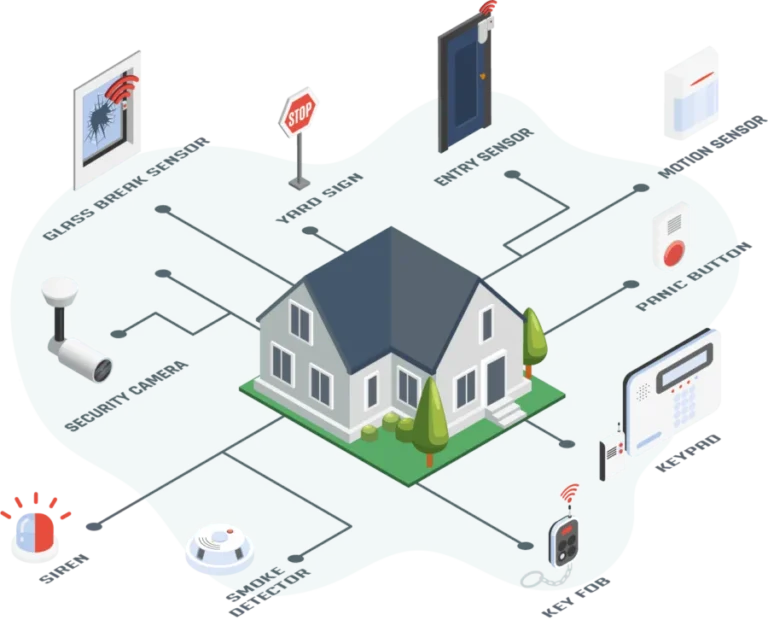
Figuring out where to put your motion sensors can feel a bit like a puzzle, but it's key to making sure your home security system works like a charm. Get it right, and you’ve got reliable protection; get it wrong, and you might end up with annoying false alarms or worse, a gap in your security.
The specific placement depends a lot on the room, its layout, and what you're trying to detect. For instance, placing a sensor to cover a main entry point is different from placing one to monitor a pet's movement. Manufacturer specifications often indicate optimal mounting heights, typically around 6 to 8 feet, to ensure a wide field of view and effective detection.
Quick Answer
Motion sensors should be placed to cover primary entry points like doors and windows, high-traffic hallways, and stairwells. Aim for corners in rooms to maximize coverage. Avoid pointing sensors directly at heat sources, direct sunlight, or moving objects like curtains, which can cause false alarms.
Pet-immune sensors should be mounted according to manufacturer guidelines to avoid triggering on pets.
The Core Idea: What We're Trying to Detect
When we're deciding where motion sensors go, the main thing we're trying to accomplish is accurate detection of unauthorized movement. This usually means catching an intruder trying to enter your home or move within it. For home security systems, this is crucial.
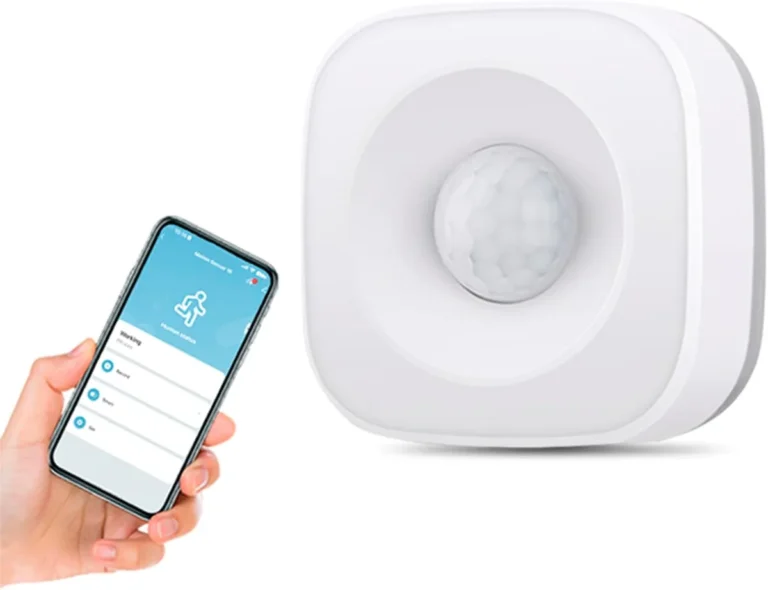
The sensor’s job is to pick up on body heat and movement, and then signal your system.
For smart home automation, motion sensors can trigger lights, adjust thermostats, or even start your smart speaker. In both cases, the goal is to have the sensor "see" what it's supposed to see and not see what it's not supposed to. This means thinking about the flow of people (or pets) through your home and anticipating potential points of entry or activity.
Understanding what the sensor is designed to pick up, changes in infrared radiation, helps us position it effectively.

Decoding Your Home's Layout: Key Placement Factors
Your home's unique layout is the biggest guide for sensor placement. We’re not just slapping sensors on walls; we're strategically placing them to create an invisible net. Think about the typical paths someone would take if they were trying to get in, or just moving around your house.
The height of the sensor, its angle, and what’s in its line of sight all play a role. For example, a sensor placed high on a wall in a corner often offers the widest view of a room. We also have to consider things like furniture, curtains, and even decorative plants that could block a sensor’s view.
For systems that integrate with other smart devices, understanding these "detection zones" is key to making them work seamlessly.
Entry Points: Doors and Windows
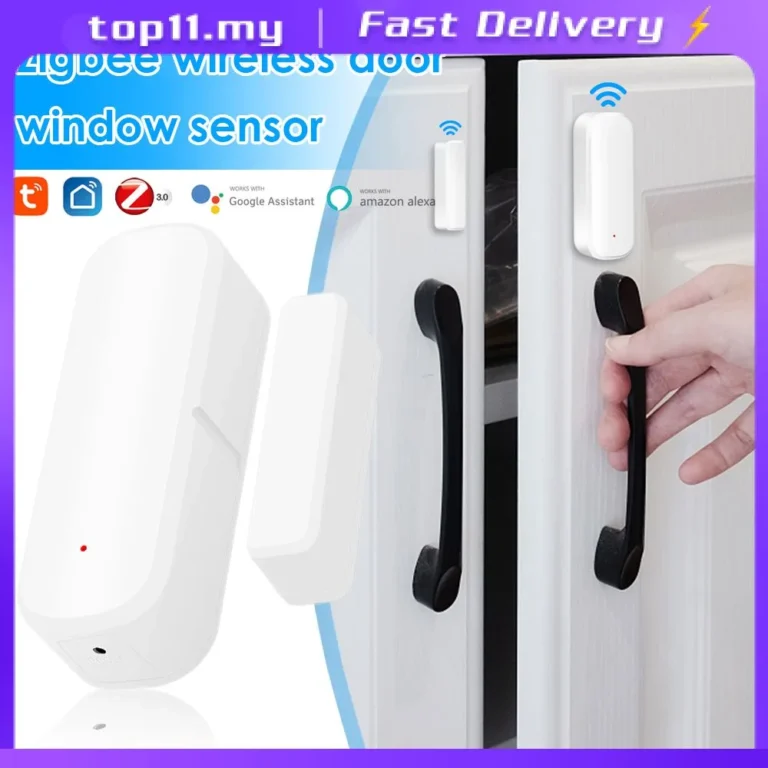
These are the most obvious places an intruder would try to get in, so they're prime real estate for your motion sensors. You want to catch someone right as they bypass your locks or break a window.
- Front Door Area: Place a sensor that has a clear view of your main entry door. This helps detect someone trying to force their way in or even someone loitering too close.
- Windows: Ground-floor windows, especially those in less visible areas, are common targets. A sensor positioned to cover these windows acts as an extra layer of security.
- Back Doors & Patio Doors: Don't forget these less visible entry points. They often offer an easier way in than the front.
When placing sensors near doors and windows, manufacturers’ specifications often recommend mounting them at a height that captures movement within a few feet of the entry point, without being so low that a pet could easily trigger it. For instance, a common placement is about 6 to 8 feet from the floor.
High-Traffic Zones: Hallways and Stairwells
Hallways and stairwells are the arteries of your home. They connect different rooms and floors, meaning anyone moving between them will likely pass through these areas. Placing sensors here is a smart way to monitor movement throughout your house.
- Stairwells: Placing a sensor at the top or bottom of a main staircase is highly effective. It can detect someone ascending or descending, alerting you to movement between floors.
- Long Hallways: For extended hallways, a sensor positioned midway or at one end can cover a significant area. This is useful for monitoring access to bedrooms or other private areas.
- Connecting Hallways: Hallways that link the main living areas to bedrooms or a garage are also good candidates.
The goal here is to cover the path. You want to angle the sensor so it sweeps across the width of the hallway or the stairs, minimizing any blind spots.
Main Living Areas: Living Room and Family Room
These are the central hubs of your home, and often the first rooms an intruder would move into after gaining entry. They’re also places where you might want automated lighting or other smart home functions triggered by presence.
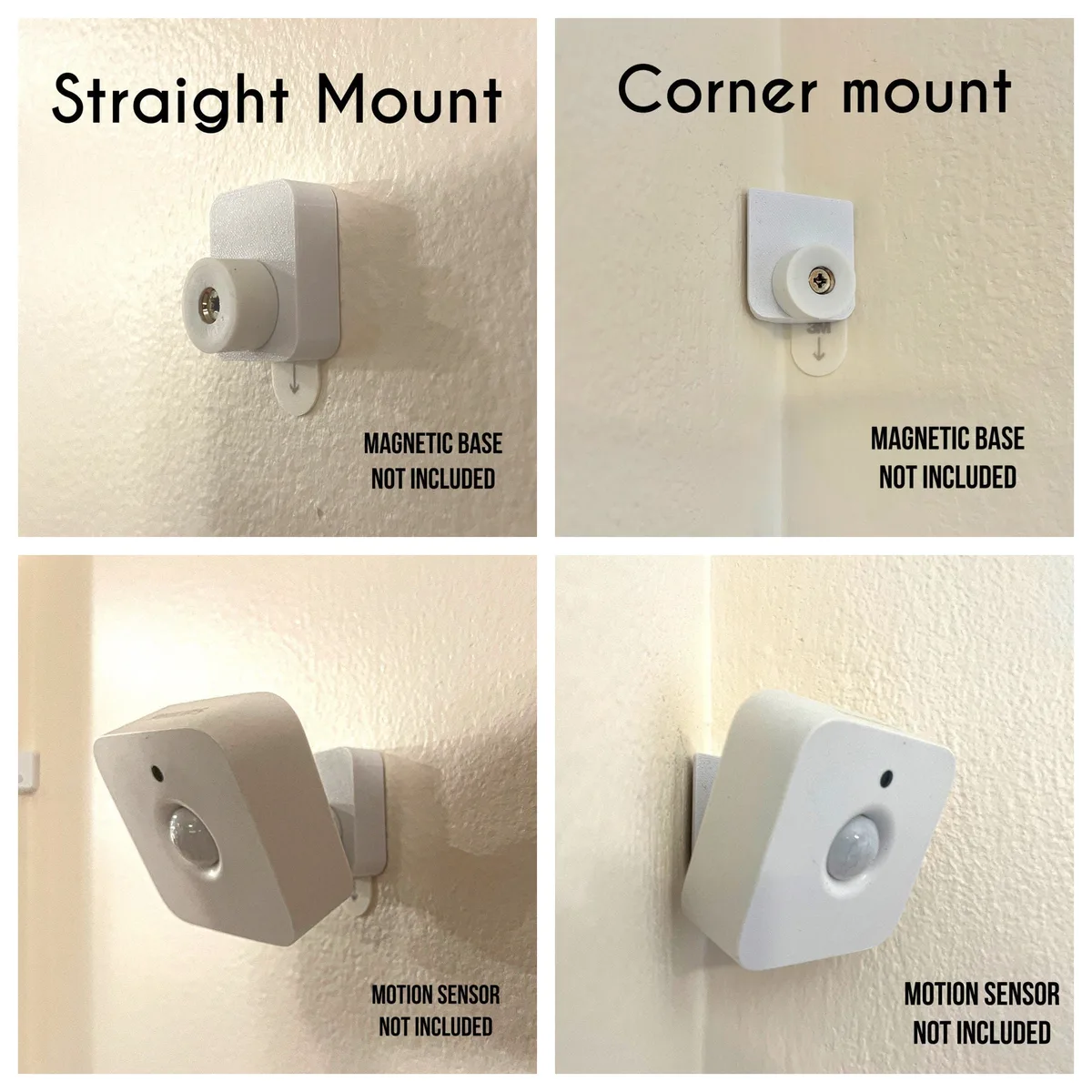
- Corner Placement: Mounting a motion sensor in a corner is a classic strategy for a reason. It allows the sensor to have the widest possible field of view, sweeping across multiple walls and potential entry points into the room.
- Overlooking Entry Paths: If your living room has a main walkway, like from the front door or a hallway, a sensor focused on this path can be very effective.
- Areas with Valuables: If you have specific areas in your living room with high-value items, positioning a sensor to cover that zone can provide targeted security.
When deciding on a spot, think about the natural pathways people take when entering and moving through the room. Aggregate user reviews often suggest that corner mounting provides the best overall coverage, effectively creating a wide detection zone.
Avoiding False Alarms: Common Placement Mistakes
False alarms are the bane of any motion sensor system. They can be annoying, leading to unnecessary calls to security services or simply a lot of hassle. Many false alarms stem from poor placement choices, so understanding these common mistakes is crucial.
- Pointing Directly at Heat Sources: Sensors can be tripped by sudden changes in heat. Avoid pointing them directly at radiators, heating vents, fireplaces, or even direct, strong sunlight, especially through windows, as these can all mimic the heat signature of a person.
- Facing Moving Objects: Curtains that sway in a breeze, ceiling fans, or even pets jumping on furniture can sometimes trick less sophisticated motion sensors. Try to position sensors so they don't have a direct line of sight to these moving items.
- Too Close to Entry Points: While you want to cover entry points, placing a sensor directly in front of a door that opens inward, for example, might cause it to trigger every time the door swings open.
Manufacturer specifications often include warnings about environmental triggers and recommend placement to mitigate these issues. For example, some systems suggest a minimum distance from HVAC vents.
Pet-Proofing Your Motion Sensor Setup
If you share your home with furry friends, you've probably already thought about how they might interact with your security system. Pets are a common cause of false alarms if your motion sensors aren't designed for them or aren't placed correctly. Fortunately, most modern systems offer pet-immune sensors and specific placement strategies to handle this.
- Use Pet-Immune Sensors: These sensors are designed to differentiate between the heat and movement of a human and that of a pet, usually up to a certain weight limit (often around 40-80 lbs, depending on the model).
- Mounting Height is Critical: Pet-immune sensors often have specific mounting height requirements to work correctly. For instance, mounting them 6 to 8 feet high and angled slightly downward can help them ignore pets that stay close to the floor.
- Avoid Pet Furniture: Try not to point sensors directly at sofas, beds, or other furniture that your pets frequently jump on, as this can sometimes bypass the pet-immune technology.
- Consider Sensor Type: Some sensors use dual-technology (PIR and microwave) which can be more reliable in homes with pets, as both technologies need to be triggered to set off an alarm, reducing false positives.
By using the right equipment and following placement guidelines, you can ensure your pets don't inadvertently compromise your home security.
Step-by-Step Process: Installing Your Motion Sensors
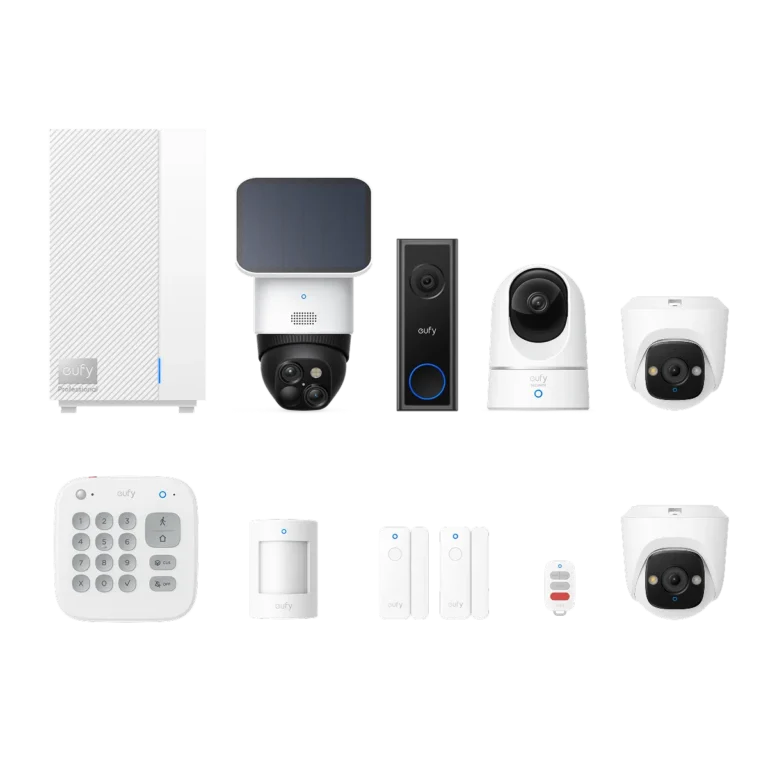
Getting your motion sensors installed and working is a straightforward process if you follow a few key steps. Most DIY installations involve mounting the sensor and then connecting it to your security system or smart home hub. Always consult your specific sensor’s manual, as instructions can vary between manufacturers and models.
- Choose the Location: Based on the previous sections, decide on the optimal spot, considering coverage, potential false alarm sources, and connectivity.
- Mount the Sensor: Many sensors come with a mounting bracket that attaches to the wall or ceiling with screws. Ensure it's secure.
- Connect to Your System: This typically involves pairing the sensor wirelessly with your main hub or, if it's a wired sensor, connecting it to the system's wiring. Follow your security system's instructions for adding new devices.
- Test Coverage: Once mounted and connected, test the sensor's detection range. Walk through the intended coverage area to ensure it triggers reliably.
Testing and Optimizing Your Sensor Coverage
After you've physically placed and connected your motion sensors, the real work of making them effective begins: testing. This is where you confirm that the sensors are seeing what they should and ignoring what they shouldn't. It's an essential step to avoid both missed detections and false alarms.
Most modern security systems have a "test mode" for sensors. This mode allows the sensor to report its activity without actually triggering an alarm. You’ll usually see a light flash or get an alert on your hub or app when motion is detected.
- Walk the Zone: Systematically walk through the entire area the sensor is meant to cover. Start at the edges of its expected range and move towards it, then move across its field of view.
- Check for Blind Spots: Notice any areas where you can move without the sensor detecting you. If these are critical areas, you might need to adjust the sensor's angle or consider adding another sensor.
- Simulate Trigger Scenarios: If you have pets, test with them moving around. If you are concerned about sunlight, observe during different times of day. This helps refine your placement.
Optimization often involves small adjustments to the sensor's angle or position. Sometimes, simply rotating the sensor a few degrees can significantly improve its coverage pattern and reliability.
Frequently Asked Questions About Motion Sensor Placement
How high should I mount a motion sensor?
Most motion sensors work best when mounted between 6 to 8 feet from the floor. This height generally provides a good balance for capturing human movement while minimizing false triggers from pets or ground-level disturbances. Always check your specific sensor’s manual, as some models may have different optimal heights.
Can I put a motion sensor facing a window?
Generally, it’s best to avoid pointing motion sensors directly at windows, especially those that receive direct sunlight. Sunlight can cause heat fluctuations that trigger the sensor, leading to false alarms. If you must cover a window area, consider placing the sensor so it detects movement before the window rather than directly at it.
What if I have a very large room?
For large rooms, you might need more than one motion sensor to ensure complete coverage. Strategically place sensors to cover different sections, paying close attention to entry points and primary pathways within the room. Corner placement is still a good starting point for each sensor’s individual zone.
How do I know if my motion sensor is working correctly?
The best way is to use your security system’s "test mode." This allows the sensor to report motion without setting off an alarm. Walk through the sensor’s expected coverage area and observe the indicator light or system alert to confirm it detects your movement. Check for any areas where it fails to detect you.
Should motion sensors be placed outdoors?
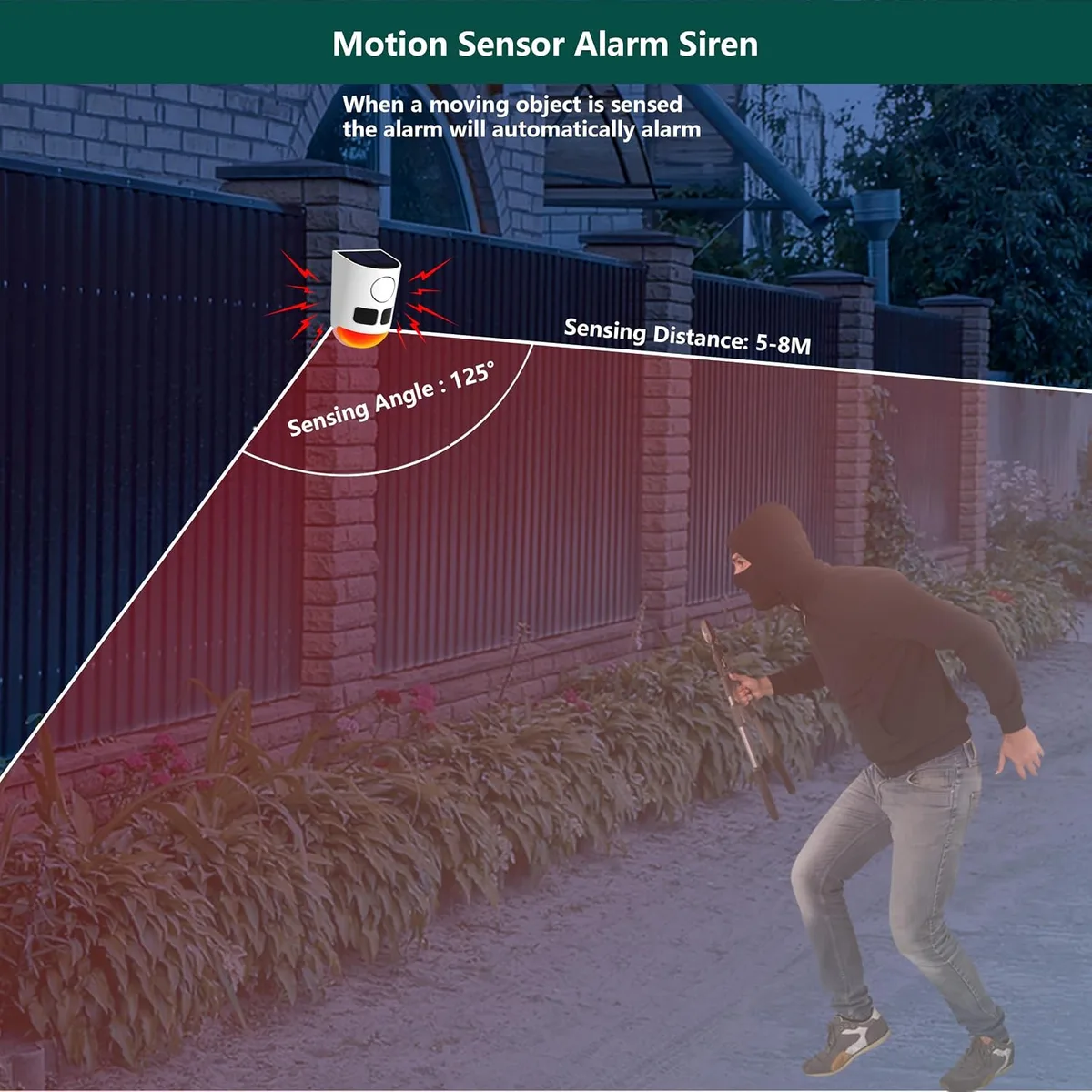
Yes, motion sensors can be placed outdoors for perimeter security or to trigger outdoor lights. However, outdoor sensors are often more robust and designed to withstand weather conditions. Placement considerations are similar, focusing on entry points and pathways, but also taking into account environmental factors like wind, rain, and wildlife.