Wired vs Wireless Security Cameras
Choosing between wired and wireless security cameras can feel like a big decision for your home's safety. Both options offer ways to keep an eye on things, but they work very differently and suit distinct needs. You want to know which system provides the reliability, convenience, and features that best fit your setup.
Our research shows that while both connect to your home network, wired cameras offer a consistently stable signal, whereas wireless cameras prioritize ease of installation. For instance, manufacturer specifications often indicate wired camera systems can support higher data throughput, which can be crucial for higher resolution video streams, whereas many wireless battery-powered cameras offer up to 6 months of operation per charge, depending on usage and environmental factors.
Quick Answer
Wired security cameras offer superior signal reliability and security. Wireless security cameras provide easier installation and flexibility. Choose wired for critical, permanent surveillance.
Opt for wireless if you need quick setup or movable cameras.
Wired Cameras: The Rock-Solid Connection
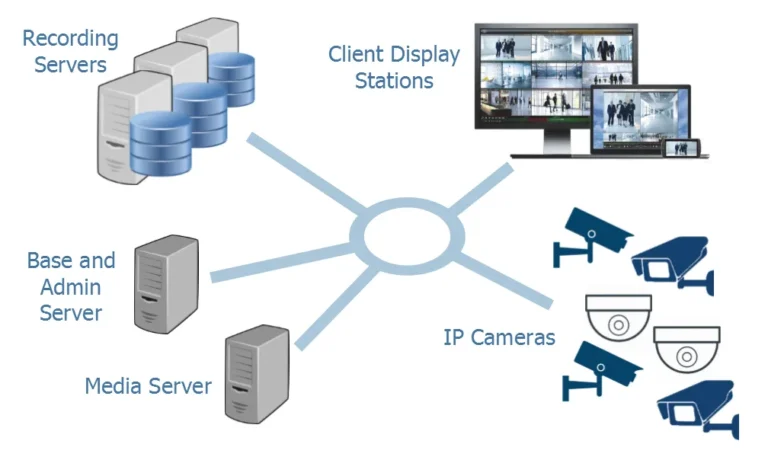
Wired security cameras, often referred to as analog or IP (Internet Protocol) cameras that utilize physical cables, are known for their unwavering dependability. These systems connect directly to your network or a recorder using Ethernet or coaxial cables. This hardwired approach means you're less susceptible to common wireless hiccups.
The Big Advantages of Wired Cameras
The primary draw of wired security cameras is their unshakeable signal stability. Because they're connected directly via cables, you bypass the interference and signal dropouts that can plague wireless systems. This makes them ideal for situations where a continuous, high-quality video feed is non-negotiable.
Manufacturer specifications confirm that wired connections can often support higher bandwidth, allowing for crisper video, especially at higher resolutions like 4K.
- Consistent Performance: Never worry about your Wi-Fi acting up mid-event.
- Enhanced Security: Wired connections are inherently harder to hack remotely compared to wireless signals.
- No Battery Hassles: They run directly from a power source, so no battery changes or charging is ever needed.
- Potential for Higher Quality: Some advanced models leverage the dedicated bandwidth for superior image detail.
Potential Drawbacks of Going Wired
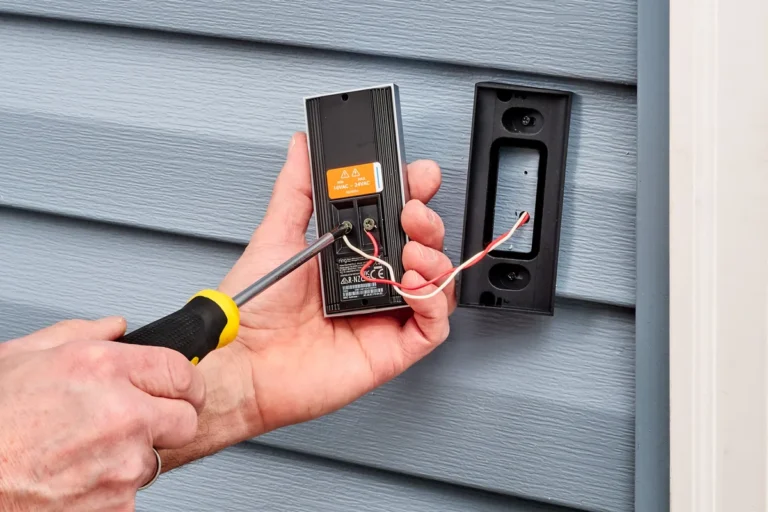
The main hurdle with wired cameras is the installation process. Running cables through walls, attics, or crawl spaces can be complex, time-consuming, and may require professional help. This can significantly increase the overall cost of your security system.
- Installation Complexity: Expect to spend more time and potentially money on setup.
- Limited Placement Flexibility: Once cables are run, cameras are largely fixed in their positions, making repositioning difficult.
- Aesthetics: Visible cables can be unsightly if not managed carefully.
Wireless Cameras: Flexibility and Ease
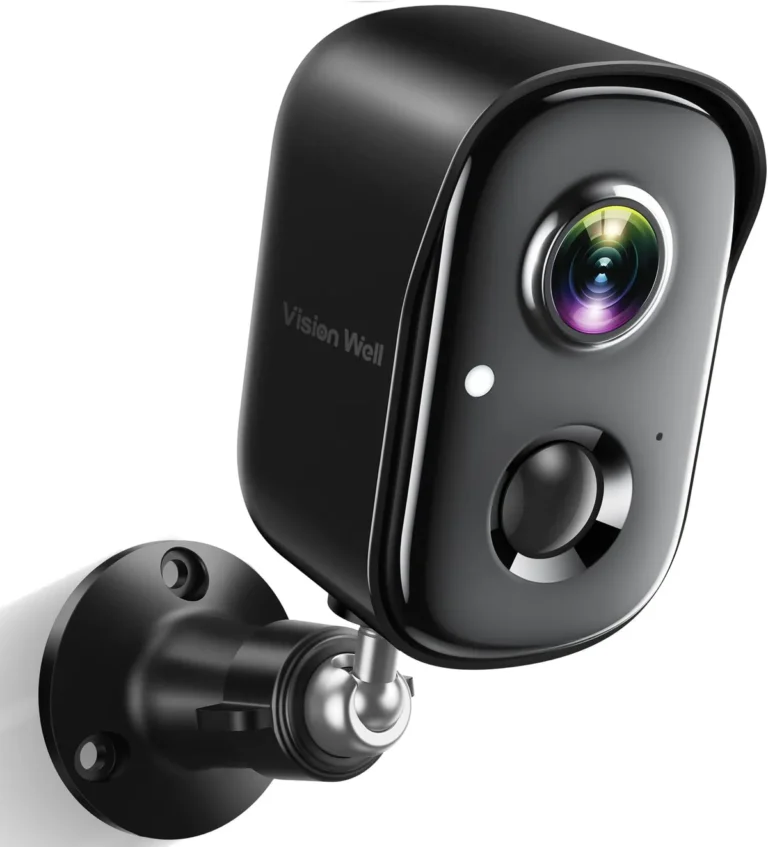
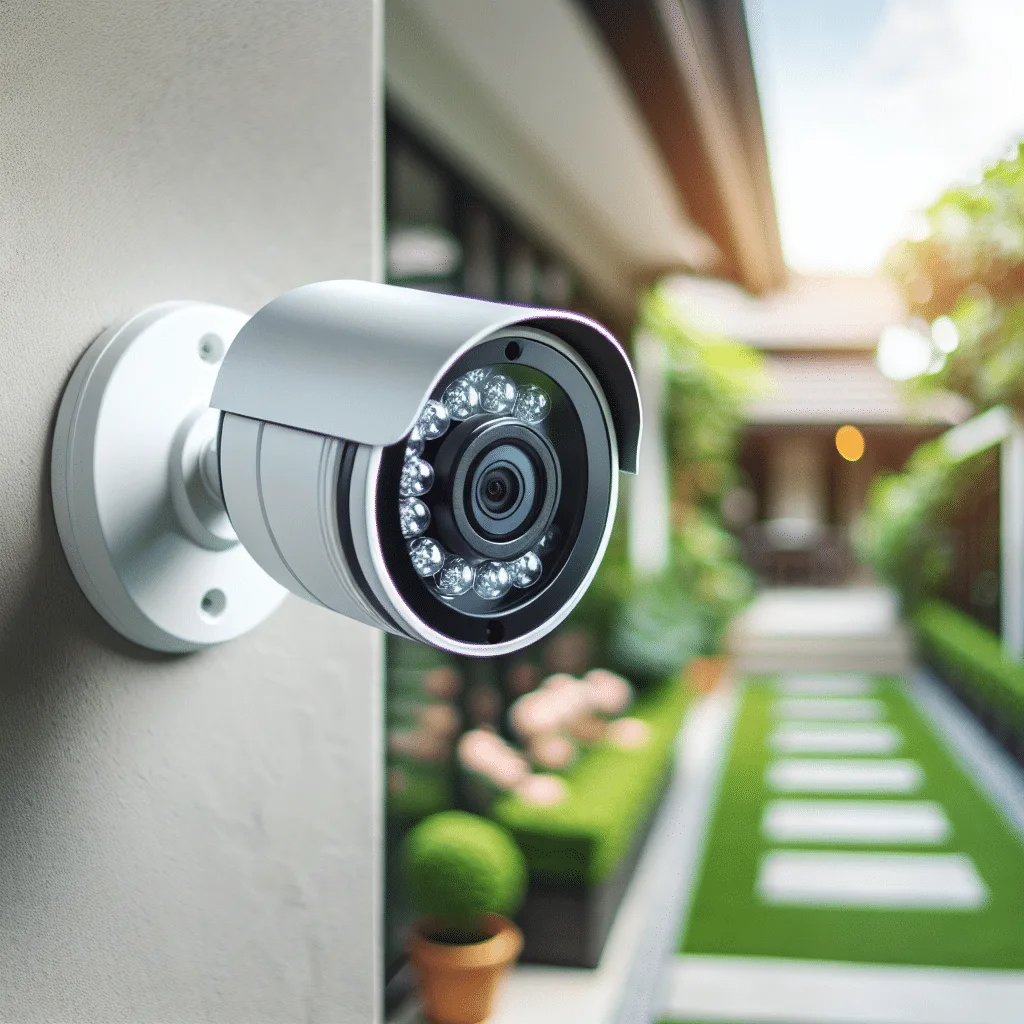
Wireless security cameras connect to your home network, typically via Wi-Fi, and many also operate on battery power, freeing them from power outlets. This makes them incredibly versatile for quick deployment and repositioning.
Why Wireless Cameras Are So Popular
The biggest selling point for wireless cameras is installation simplicity. You can often have them up and running in minutes, without needing to drill through walls or run long cables. This makes them a fantastic option for renters or anyone who wants a flexible security setup.
Many battery-powered models offer extended operation, with aggregate reviews reporting up to six months of use per charge for some devices, depending on recording frequency and network activity.
- DIY-Friendly: Most can be mounted and connected to Wi-Fi by anyone.
- Move Them Anywhere: Easily reposition cameras as your needs change.
- Ideal for Renters: No permanent modifications needed.
- Power Outlet Not Required: Many models run on rechargeable batteries.
What to Watch Out For with Wireless
The main concern with wireless cameras is signal reliability. Their performance is directly tied to your home's Wi-Fi network strength and stability. Dead spots or interference can lead to dropped connections or poor video quality.
Battery-powered models also require periodic charging or battery replacement, which can be an ongoing task.
- Wi-Fi Dependency: Performance hinges on your network's reach and speed.
- Battery Management: Regular charging or replacement is necessary for battery-powered units.
- Potential Security Risks: Wireless signals can be more vulnerable to unauthorized access if not properly secured.
Wired vs. Wireless: A Direct Showdown
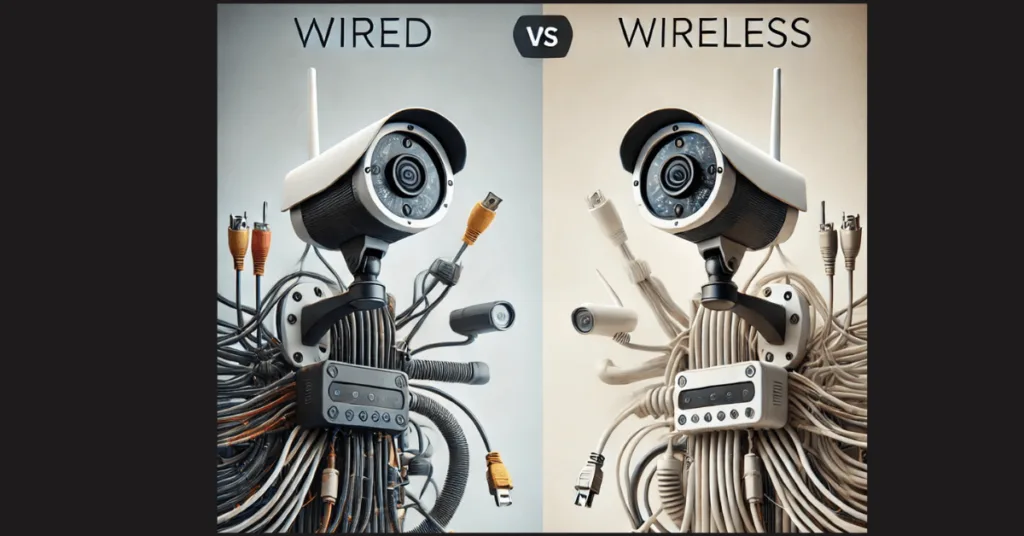
When you're weighing wired versus wireless security cameras, it's about matching the technology to your priorities. Do you need rock-solid reliability for critical areas, or is the convenience of easy setup and flexibility more important?
Key Differences at a Glance
| Feature | Wired Security Cameras | Wireless Security Cameras |
|---|---|---|
| Installation | Complex; requires running cables. | Simple; connects to Wi-Fi, often battery-powered. |
| Signal Reliability | High; less prone to interference. | Moderate to High; dependent on Wi-Fi strength and network. |
| Placement | Fixed after installation. | Highly flexible; easy to reposition. |
| Power Source | Requires AC power via cable. | AC power via adapter or rechargeable battery. |
| Security Risk | Lower risk of remote hacking. | Higher potential risk if network is not secured. |
| Maintenance | Minimal, beyond cleaning lenses. | Battery charging/replacement required for battery models. |
| Cost | Can be higher due to professional installation. | Often lower upfront, but subscription costs may apply for cloud storage. |
Which is Better for Different Situations?
- For Maximum Reliability: If you're securing a main entrance, a business, or an area where you absolutely cannot afford a dropped connection, wired cameras are your go-to. Their constant power and direct network connection mean consistent performance.
- For Flexibility and Ease: If you're renting, want to easily monitor a temporary situation (like a construction site on your property), or simply don't want the hassle of running wires, wireless cameras are a fantastic choice. They offer quick deployment and the ability to move them as needed.
When to Choose Wired Security Cameras
You should strongly consider wired security cameras if uninterrupted performance and a secure, stable connection are your top priorities. Think about situations where a camera failure could have significant consequences, such as monitoring a critical entry point of your home, or if you're setting up a comprehensive surveillance system across a large property. Manufacturer specifications often highlight their robust data transmission capabilities, which, according to standards like those from the National Institute of Standards and Technology (NIST), can offer a more inherently secure data pathway less susceptible to external signal interference or unauthorized interception.
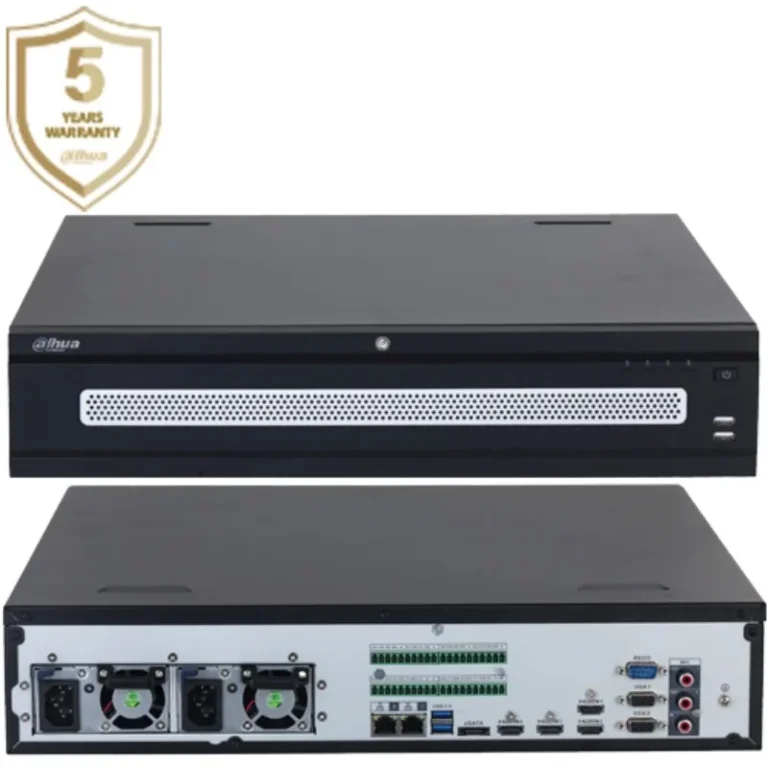
If you're not intimidated by the idea of running cables, or if you're comfortable hiring an electrician or security installer, the long-term reliability of a wired system often outweighs the upfront installation effort. Many wired systems also offer local storage options on Network Video Recorders (NVRs), reducing reliance on cloud services and potential subscription fees. As of 2026, the technological advancements in Power over Ethernet (PoE) further simplify wired installations by allowing cameras to receive both power and data over a single Ethernet cable.
When to Opt for Wireless Security Cameras
Wireless security cameras are your best bet when convenience, speed of deployment, and flexibility are paramount. If you're a renter, the lack of permanent wiring and potential for damage makes them an ideal solution. They're also perfect for monitoring areas where running cables would be impractical or excessively costly, such as a detached garage, a remote shed, or even temporary setups like keeping an eye on a pet or a package delivery area.
The ease of mounting and connecting to your existing Wi-Fi network means you can often have a camera operational within minutes. For battery-powered wireless cameras, the primary consideration becomes battery life and charging schedule; some models offer up to six months of operation per charge, but this is heavily dependent on usage, motion detection frequency, and environmental conditions. Aggregated user reviews suggest that for optimal performance and to avoid frequent charging, positioning these cameras in areas with good Wi-Fi signal strength is crucial.
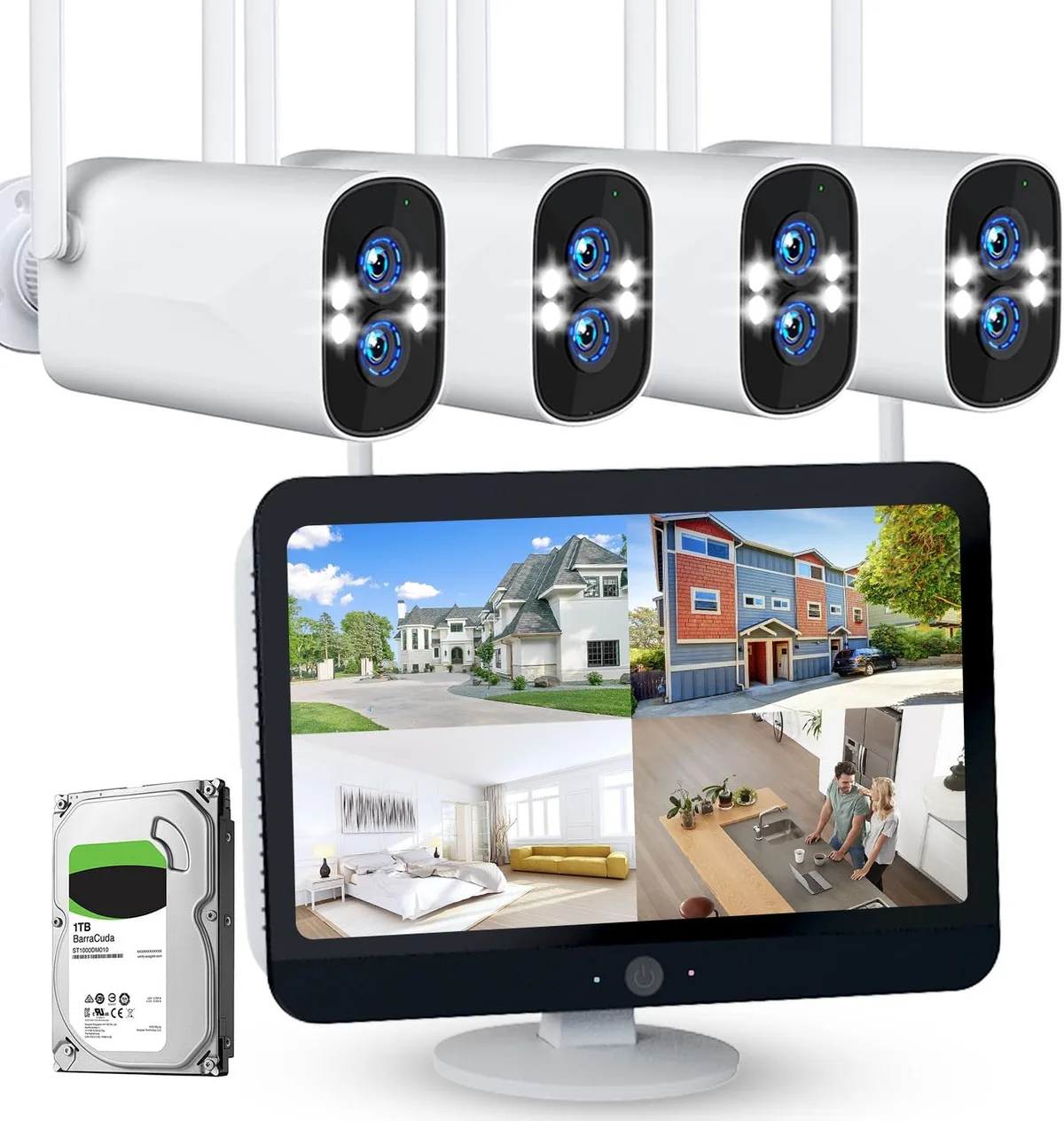
Common Mistakes When Choosing Your Camera System
When diving into the world of wired versus wireless security cameras, it's easy to overlook a few key things that can lead to frustration later. One of the most common mistakes is underestimating the importance of your Wi-Fi network for wireless cameras. If your router is old, underpowered, or your home has many thick walls, a wireless camera might struggle to maintain a stable connection, leading to choppy video or missed events.
Always check your Wi-Fi signal strength in the desired camera location before purchasing.
Another frequent error is focusing solely on the camera's features without considering installation costs or complexity. While a wireless camera might seem cheap upfront, if you need multiple Wi-Fi extenders or a mesh network to get a good signal everywhere, the total cost can climb. Similarly, for wired cameras, the sticker price might be lower, but professional installation can double or triple the expense.
It’s also wise to consider where you'll store footage, local SD cards or cloud subscriptions, as this impacts ongoing costs and accessibility.