How Do Door Sensors Work
Worried about who's coming and going from your home or business? Understanding how simple door sensors work can give you a real sense of control and security. These devices are the unsung heroes of many alarm systems, acting as your first line of defense.
At their core, door sensors are surprisingly straightforward. They rely on a simple magnetic principle to detect when a door or window has been opened. According to manufacturer specifications, most modern wireless door sensors communicate using radio frequencies in the 300-500 MHz range, with some smart home systems utilizing Wi-Fi or Zigbee protocols.
Quick Answer: It's All About the Magnet
Door sensors work using two magnetic parts. One piece stays on the door, the other on the frame. When the door opens, the magnets separate.
This separation triggers a signal to your alarm system that entry has occurred. It's a simple, reliable way to monitor openings.
How Door Sensors Actually Work: The Magnetic Secret
So, how do these little gadgets actually keep tabs on your doors? It all boils down to a clever use of magnets. Imagine you have two pieces.
One goes on your door, and the other attaches to the frame right next to it. When the door is shut, these two magnetic pieces are close together. This closeness tells the sensor system that everything is secure.
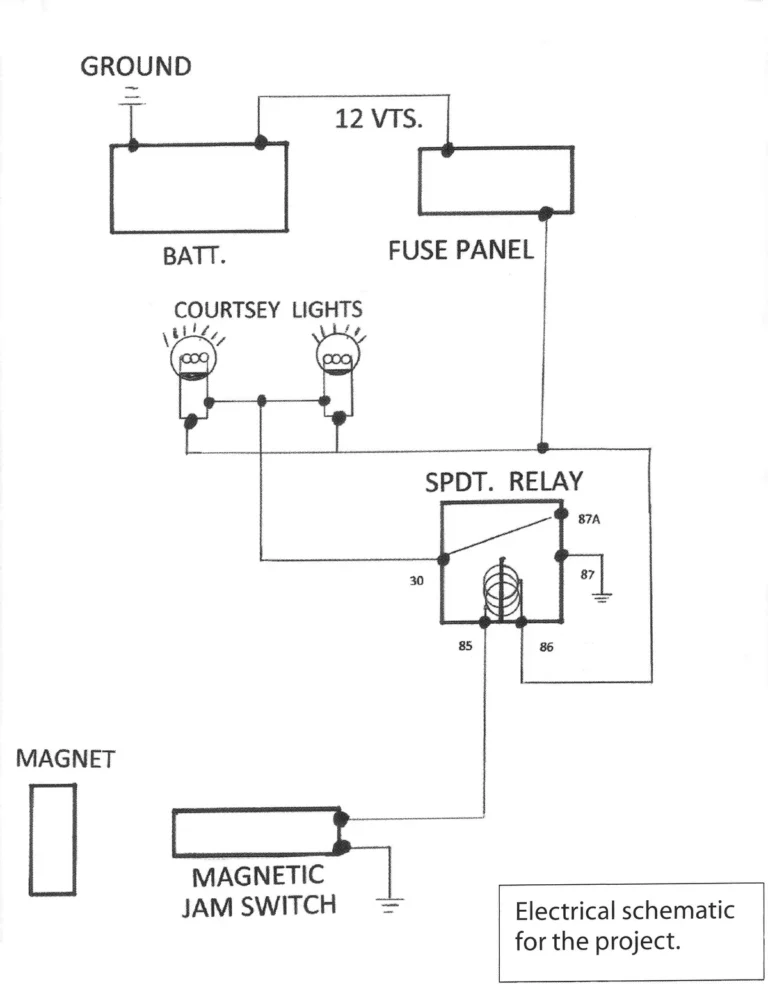
But the moment you open that door, even just a crack, those magnets get pulled apart. This separation is the trigger. It breaks a tiny electrical connection or changes a magnetic field, sending an immediate alert.
It's a physical change that translates directly into an electronic signal, making it super reliable.
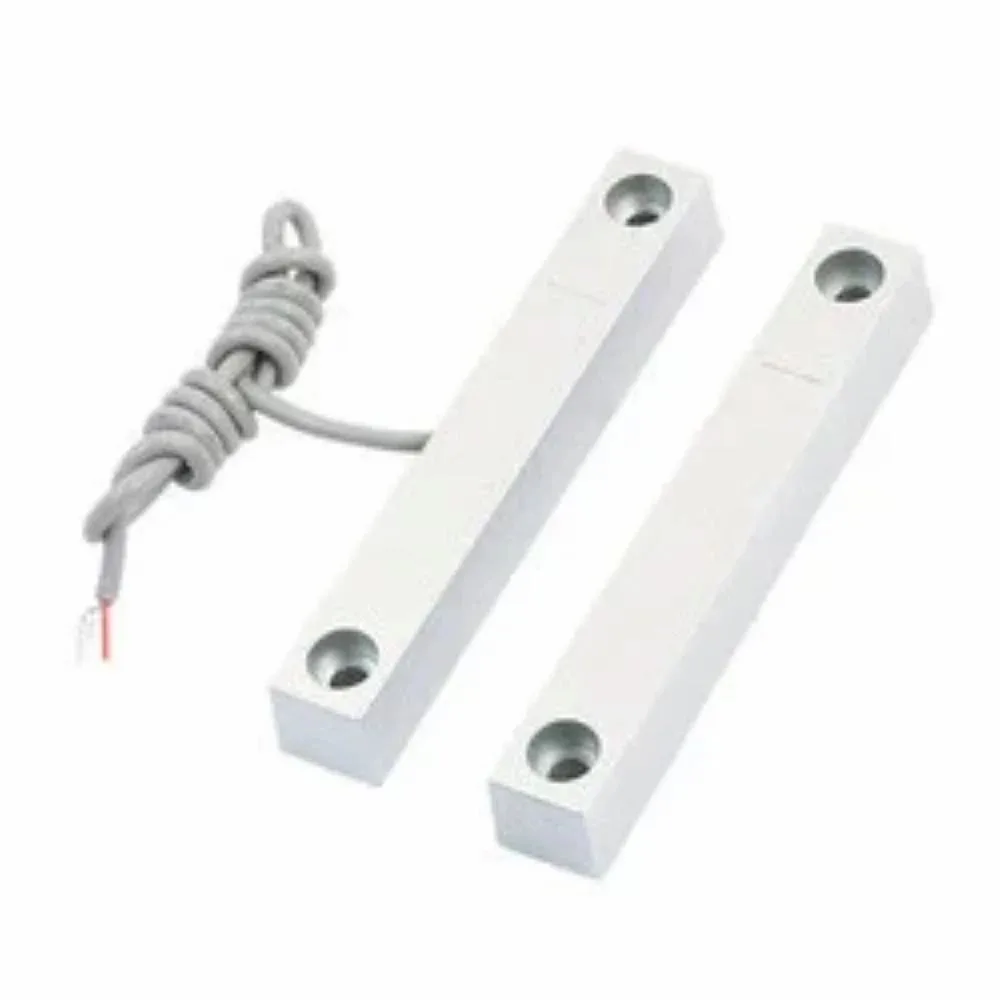
Image source: Bing (Web (fair-use with source credit))
Key Insight: It's All About the Magnet
The real magic of a door sensor isn't complicated technology; it's pure magnetic physics. Think of it like a light switch that turns on when two parts are separated. The two parts are magnets, and they're designed to work together when a door is closed.
When that door opens, the magnets drift apart, and that's what sets off the alarm. It’s why they're often called magnetic contact sensors.
Core Explanation: The Two Pieces of the Puzzle
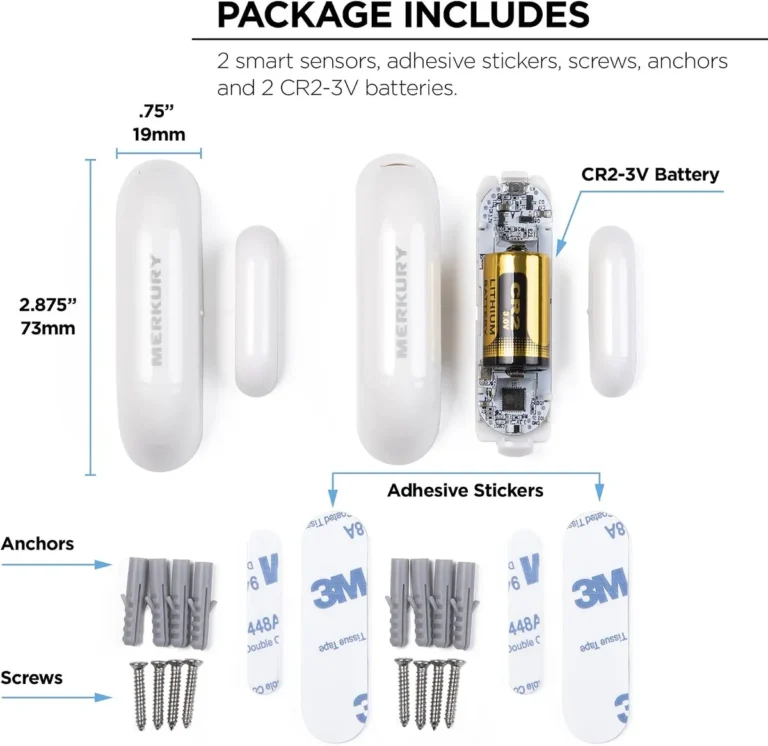
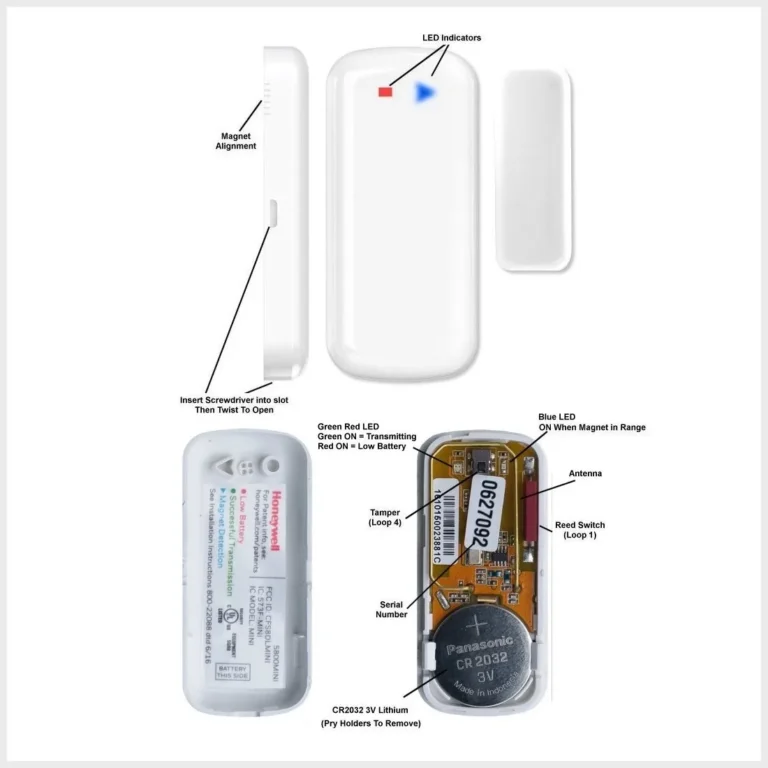
Every door sensor setup has two main components: a sensor and a magnet. The sensor typically attaches to the door frame, while the magnet is mounted on the door itself. It's crucial that these two pieces are aligned correctly and are within a specific range of each other when the door is closed.
Manufacturer specifications typically state that the magnets should be no more than 0.5 to 1 inch apart when the door is shut. This proximity keeps a sealed electrical circuit active. When the gap between them exceeds this specified distance, the circuit breaks, signaling an event.
This basic principle applies whether the sensor is wired directly to a system or is a wireless unit sending a radio signal.
What's Inside: Reed Switch vs. Hall Effect
While the magnetic principle is the same, there are two primary technologies used inside most door sensors: the reed switch and the Hall effect sensor. Understanding the difference helps you appreciate the mechanics even more.
- Reed Switch: This is the most common type. It's a small glass tube containing two thin metal strips (reeds). When a magnet is brought close, it pulls the reeds together, completing an electrical circuit. When the magnet moves away, the reeds spring apart, breaking the circuit. They're simple, affordable, and reliable for this specific job.
- Hall Effect Sensor: This is a more advanced type that uses a semiconductor to detect magnetic fields. It's often more sensitive and can detect the strength of a magnetic field, not just its presence or absence. While less common in basic door sensors, they offer greater precision and can sometimes detect subtle movements.
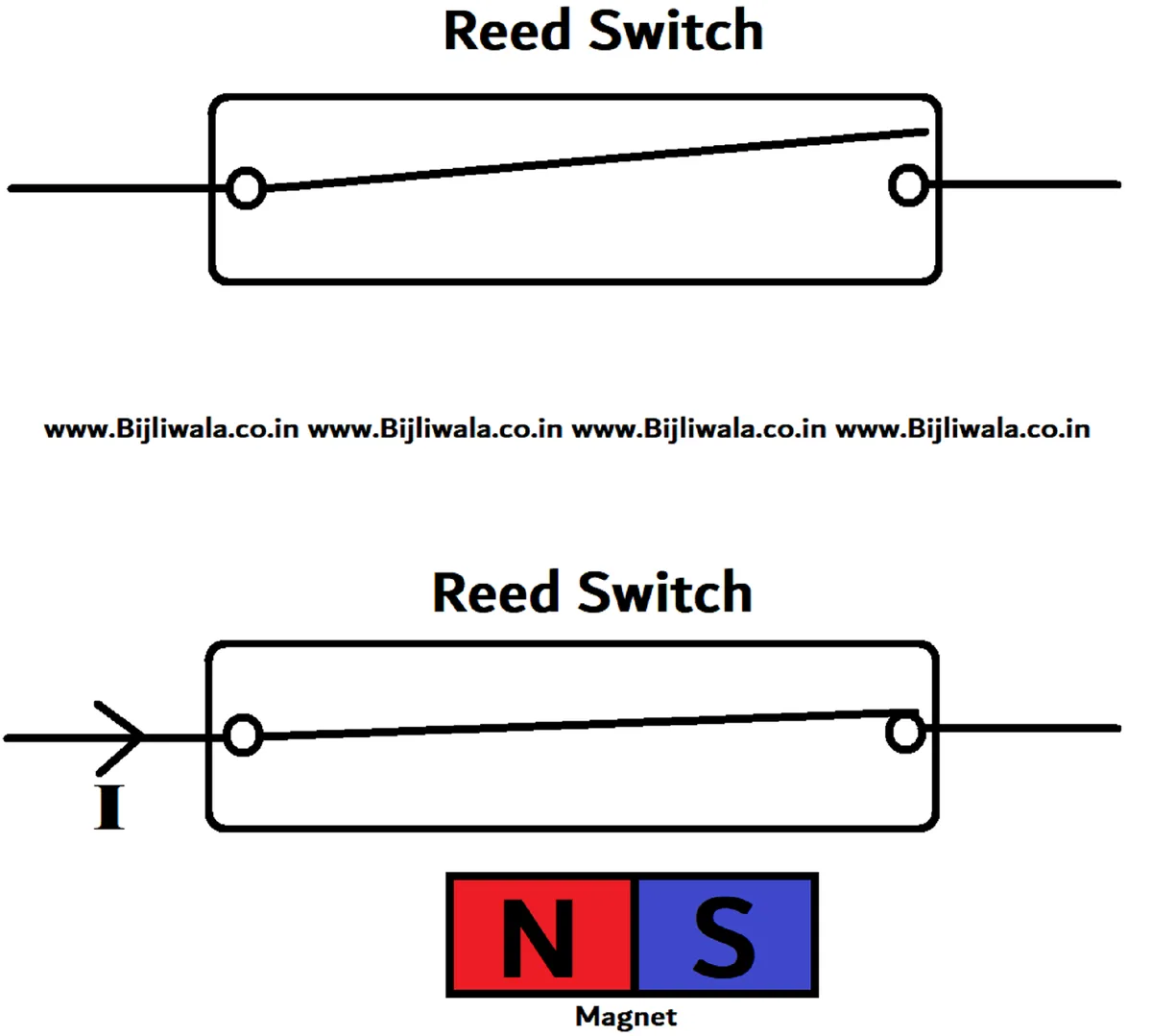
Image source: Web (Bing) / bijliwala.co.in (Web image (fair-use with source credit))
Visual Cues: What to Look for on Your Door and Frame
You can easily spot the components of a door sensor system just by looking at your doors and frames. The sensor part is usually a bit larger and might have a wire coming out of it if it's a wired model. Wireless sensors are typically bulkier to house the battery and transmitter.
The magnet part is usually smaller and often looks like a solid piece, sometimes cylindrical or rectangular. You’ll see these mounted on the door and frame, typically at the top or side, positioned so they face each other when the door is closed. Proper alignment is key, meaning the sensor and magnet should line up directly when the door is shut.
Real-World Application: Securing Your Home and Business
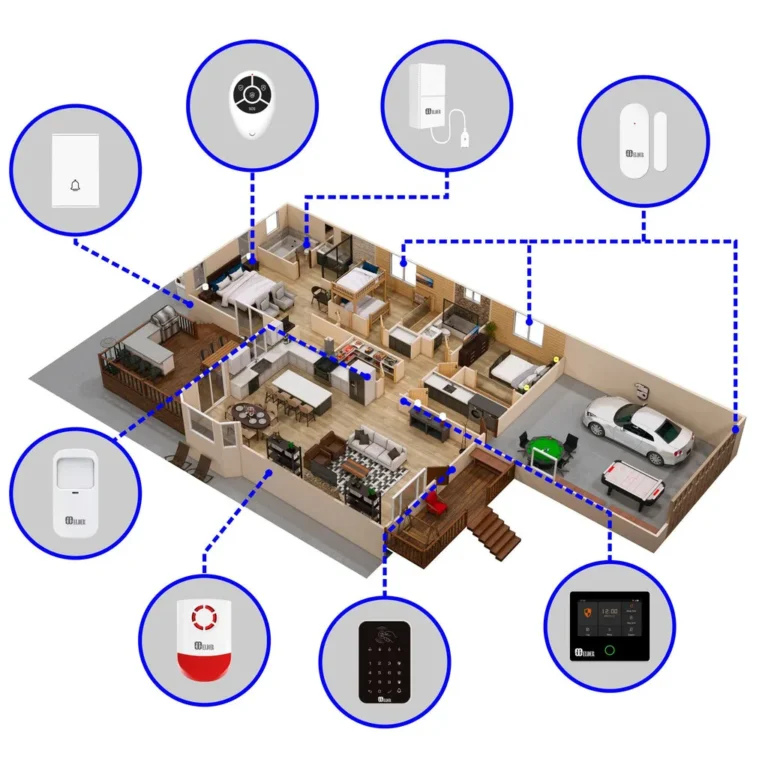
Door sensors aren't just for high-tech security systems; they're fundamental to basic entry point monitoring. For homeowners, they provide an instant alert if a main entrance, back door, or even a basement door is opened unexpectedly. This is especially valuable when you're away from home, as it can trigger an alarm and notify you or a monitoring service immediately.
Businesses use them extensively on stockroom doors, exterior entrances, and even filing cabinets. It’s a simple, effective way to track access, deter theft, and ensure only authorized personnel are entering sensitive areas. As of 2026, the market for smart home security, which heavily relies on these sensors, continues to grow significantly, demonstrating their enduring value.
Benefits: What You Gain from Door Sensors
- Enhanced Security: They provide a critical layer of protection by detecting unauthorized entry immediately.
- Peace of Mind: Knowing your entry points are monitored offers significant comfort, whether you're home or away.
- Deterrence: Visible sensors can make potential intruders think twice before attempting to break in.
- Remote Monitoring: Many systems allow you to receive alerts on your smartphone, no matter where you are.
- Smart Home Integration: They can trigger other smart home actions, like turning on lights when a door opens at night.
Drawbacks: Things to Watch Out For
- False Alarms: Improper installation, such as misalignment or strong vibrations, can cause false triggers.
- Battery Dependence (Wireless): Wireless sensors require battery replacements, which can be an ongoing cost and require monitoring.
- Vulnerability to Tampering: While some have tamper alerts, basic sensors can potentially be disabled if an intruder knows what they are.
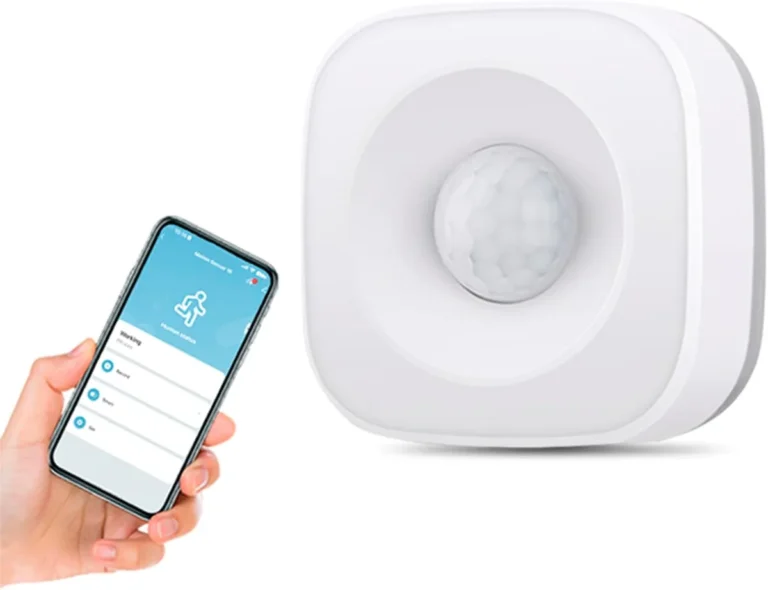
- Limited Coverage: They only monitor the specific door or window they're attached to; they don't detect movement within a room.
Mistakes to Avoid During Installation
Getting the installation right is critical for door sensors to work reliably. One of the most common mistakes is poor alignment. If the sensor and magnet aren't facing each other directly and are too far apart when the door is closed, the system won't register the door as secured.
Another frequent error is mounting them on flexible surfaces. If the door or frame bends or shifts, it can disrupt the magnetic connection. Always attach sensors to solid, stable parts of the door and frame.
For wireless sensors, ensure the battery is fresh and the sensor is properly paired with the base station. A loose mount is a security risk in itself.
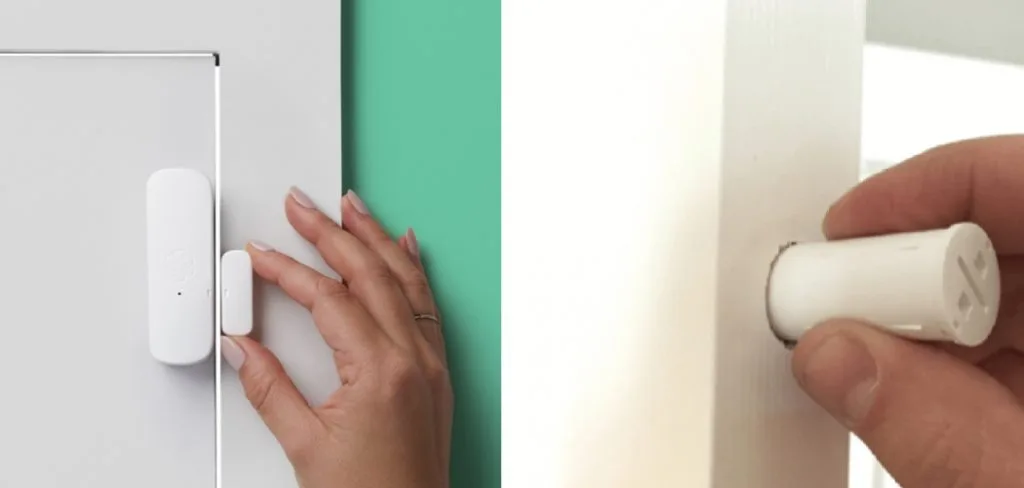
Image source: Web (Bing) / safetyfic.com (Web image (fair-use with source credit))
Maintaining Your Door Sensors for Lifelong Performance
Keeping your door sensors in top shape is pretty straightforward, but it requires a little attention. For wireless sensors, the most important maintenance is battery replacement. Manufacturers typically recommend checking or replacing batteries every one to five years, depending on the model and usage.
Don't wait for the battery to die completely; many systems will give you a low-battery warning.
For both wired and wireless sensors, periodically test their functionality. Arm your system and open and close each protected door, ensuring the system registers the change correctly. Also, check that the sensors are still firmly attached and that the alignment hasn't shifted.
Giving them a gentle dusting now and then can also prevent dust buildup from interfering with their operation.
How to Choose the Right Door Sensor Type
When you're picking out door sensors, you'll mostly find two main types: wired and wireless. Each has its own set of pros and cons that make it better suited for different situations. Your choice really depends on your existing setup and how much installation work you're willing to do.
- Wired Sensors: These connect directly to your alarm system's control panel using thin wires. They're incredibly reliable because they don't rely on batteries and have a constant power source. However, installation can be more involved, often requiring drilling holes and running wires through walls, which might be a challenge for renters.
- Wireless Sensors: These communicate with the base station using radio frequencies. Installation is usually much simpler, often just involving peeling and sticking them in place. They're ideal for quick setups or when you can't easily run wires. The main downside is their reliance on batteries, which need periodic replacement.
Are Door Sensors Only for Main Entrances?
Absolutely not. While front and back doors are primary targets for monitoring, door sensors are versatile and can be placed on almost any type of door or window. Think about access points that might be less obvious.
This could include basement doors, attic access panels, side doors, or even internal doors leading to sensitive areas like a home office or a garage.
Placing sensors on these secondary entry points significantly boosts your overall security coverage. It ensures that no matter how an intruder attempts to gain access, your system has a better chance of detecting it. It’s about creating a layered defense rather than just securing the front gate.
What If My Door or Frame Isn't Flat?
Dealing with doors or frames that aren't perfectly flat or straight can be a bit tricky, but it's usually manageable. The key is to ensure that the sensor and magnet can get close enough when the door is fully closed. If there's a significant gap due to an uneven surface, you might need to use a mounting spacer.
These spacers, often included with sensor kits or available separately, can help bridge the gap. They essentially push the sensor or magnet further out from the surface, allowing the two components to align properly when the door is shut. Some manufacturers also offer sensors with wider detection ranges, which can be more forgiving of minor surface imperfections.
Troubleshooting Common Door Sensor Issues
Even with the best installation, you might run into a few hiccups with your door sensors. The most frequent problem is a faulty connection, meaning the system isn't registering the door opening or closing correctly. This often stems from misalignment, but it could also be a dead battery in a wireless unit or a loose wire in a wired setup.
If you're experiencing frequent false alarms, check the alignment first. Then, verify the battery status for wireless models. For wired systems, inspect the wiring for any breaks or loose connections at both the sensor and the control panel.
Sometimes, environmental factors like extreme temperatures or high humidity can affect sensor performance, though this is less common with modern devices.
Frequently Asked Questions About Door Sensors
How long does setup take?
Setup time for door sensors can vary. Wireless sensors, often just peel-and-stick, can be installed in minutes per sensor. Wired sensors, however, may take 30 minutes to over an hour per sensor, depending on the complexity of running wires through walls and connecting to a control panel.
Can I use door sensors with any alarm system?
Most modern door sensors are designed to be compatible with their manufacturer's specific alarm or smart home system. While some universal sensors exist, it’s best to check compatibility before purchasing. Ensure the sensor type (wired/wireless) and communication protocol match your existing system.
What happens if the battery dies in a wireless sensor?
If the battery in a wireless door sensor dies, it will stop sending signals to your alarm system. Most smart systems will provide a low-battery alert beforehand. Without a functioning sensor, that entry point will no longer be monitored, leaving a potential security gap until the battery is replaced.
Do I need professional installation for door sensors?
For basic wireless sensors, professional installation is usually not required, as they are designed for DIY setup. However, if you have a complex wired system, are uncomfortable with tools, or want to ensure optimal placement and integration, professional installation is recommended. It guarantees the system functions correctly and efficiently.
Expert Tips for Smarter Security Placement
When you're deciding where to put your door sensors, think like a burglar for a moment. The most obvious entry points are your front and back doors, so those are absolute must-haves. But don't stop there.
Consider any door that leads into your home from an attached garage, as well as basement doors or even large ground-floor windows that might have door-like access.
Aim to place sensors on doors that are used less frequently but still offer a viable entry point. For example, a rarely used side door or a back door that's partially obscured from the street. Proper alignment is key: ensure the sensor and magnet meet closely when the door is shut, typically within 0.5 to 1 inch according to most manufacturer guidelines.
This proximity guarantees a secure connection.