What Is a Glass Break Sensor
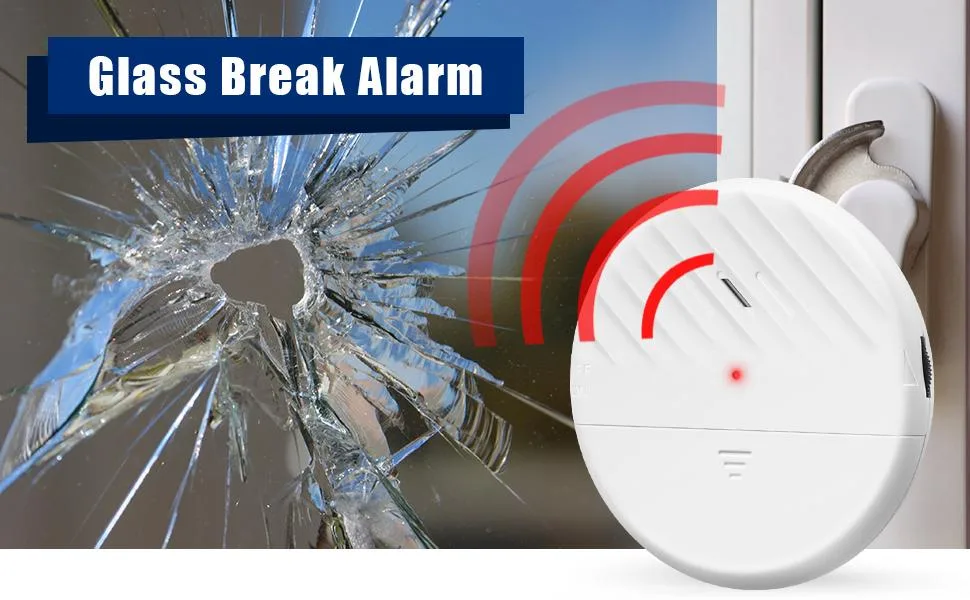
Image source: Bing (Web (fair-use with source credit))
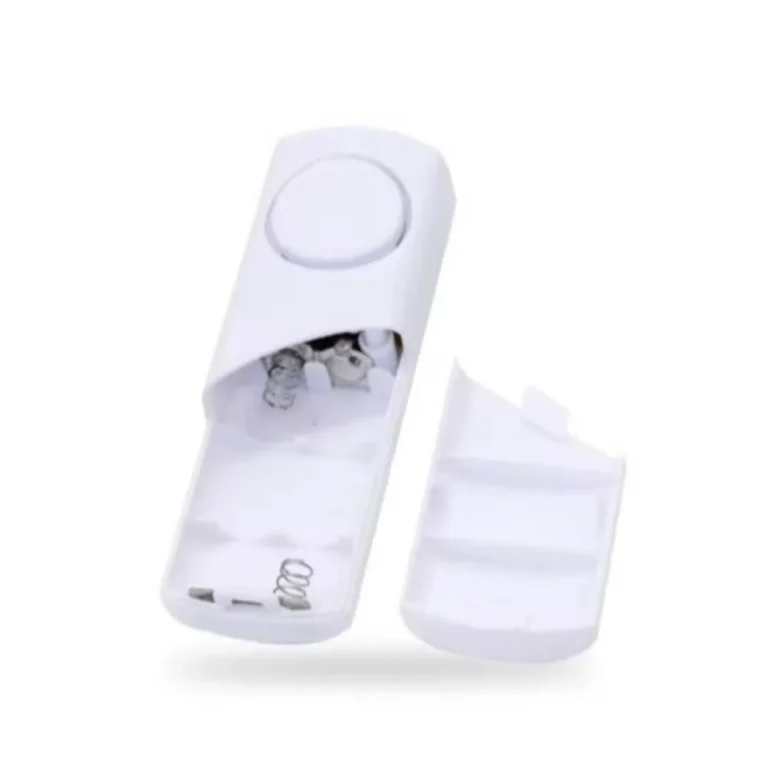
Ever wondered how your home security system instantly knows if a window has been shattered? It's not a camera watching every pane of glass, but a smart device called a glass break sensor. These small units are designed to be the ears of your security system, listening for a very specific sound.
When glass breaks, it creates a unique acoustic signature. A glass break sensor is tuned to detect this precise sound, and in some cases, the accompanying shockwave, triggering your alarm system without delay. Manufacturer specifications often indicate a detection range of up to 25 feet, depending on the model.
Quick Answer
A glass break sensor is a security device that detects the sound or shockwave of breaking glass. It works as part of a home alarm system. Its primary function is to alert homeowners to forced entry through windows.
These sensors are tuned to specific frequencies produced when glass shatters.
How Glass Break Sensors Work: The Science of Shatter Detection
Glass break sensors aren't just listening for any loud noise; they're highly specialized acoustic detectors. When glass breaks, it produces a very distinct, high-frequency sound. Think of the sharp "tinkle" or "shatter" rather than a dull thud.
Sensors are engineered to pick up on this specific sonic signature.
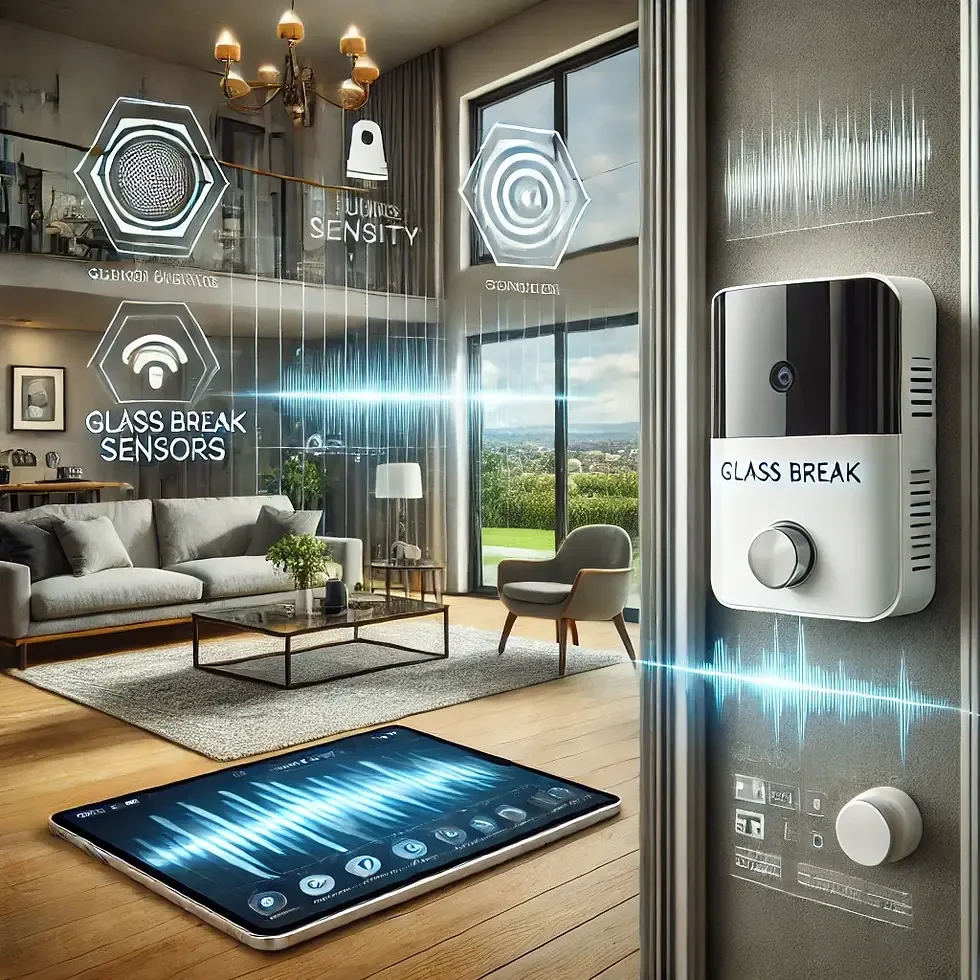
Image source: Web (Bing) / securimaxinc.com (Web image (fair-use with source credit))
Many modern sensors also incorporate shockwave detection. This means they can sense the vibration or impact that travels through the window frame when glass is struck hard enough to break. By using a combination of both acoustic and shockwave analysis, these sensors significantly reduce the chance of false alarms caused by everyday household sounds, like a dropped pan or a loud bark.
This dual-action approach makes them a reliable component of a comprehensive security setup.
Key Features: What Makes a Glass Break Sensor Tick
These sensors are packed with technology designed for accuracy and reliability. At their core, they are audio processors, but they have several key features that set them apart.
- Acoustic Detection: This is the primary function. The sensor listens for the specific, high-frequency sound that accompanies shattering glass. It's calibrated to differentiate this sound from other common noises.
- Shockwave Detection: Some models also detect the physical impact and vibration transmitted through the window frame. This adds another layer of confirmation.
- Dual-Action Technology: The most advanced sensors use both acoustic and shockwave detection. An alarm is only triggered if both types of events are detected, greatly increasing accuracy and reducing false triggers.
- Adjustable Sensitivity: Many sensors allow you to adjust how sensitive they are. This is useful for tuning the sensor to your specific environment, whether you have a very quiet home or one with more ambient noise. Manufacturer specifications, such as those found in documentation from ADT, often detail these sensitivity settings.
- Tamper Protection: Most security sensors, including glass break detectors, include tamper switches. If someone tries to open the sensor housing or remove it from the wall, it will trigger a tamper alert to the main security panel.
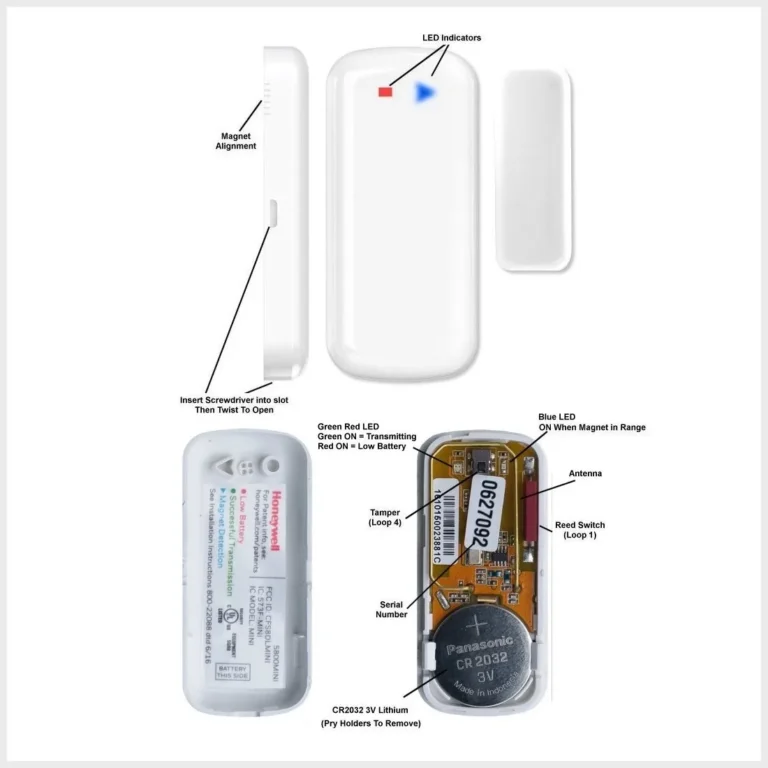
- LED Indicators: Typically, a small LED light on the sensor will indicate its status, such as power, alarm, or tamper alerts.
Where to Place Your Glass Break Sensor for Best Results
Getting the placement right is absolutely crucial for a glass break sensor to work effectively. It's not a "stick it anywhere" kind of device. Think of it like positioning a microphone to clearly hear a specific sound source.
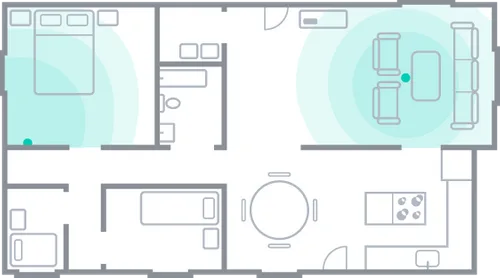
Image source: Web (Bing) / covesmart.com (Web image (fair-use with source credit))
- Line of Sight: The sensor needs a clear path to the windows it's supposed to monitor. Obstructions like heavy curtains, drapes, large furniture, or even certain types of blinds can block the sound waves. You want the sensor to have an unobstructed "ear" towards the glass.
- Recommended Range: Manufacturers provide specific coverage areas, often described as a cone or a maximum distance (e.g., up to 25 feet). It's vital to adhere to these guidelines to ensure the sensor can reliably detect the sound. Exceeding the recommended range drastically reduces its effectiveness.
- Room Coverage: One sensor can typically cover multiple windows within a single room, provided they are within its detection range and line of sight. It’s often recommended to place one sensor centrally in a room with several windows.
- Avoid Noise Sources: Try not to mount the sensor directly opposite or too close to sources of loud, continuous noise that aren't glass breaks, such as speakers, air conditioning vents, or doors that are frequently opened and closed forcefully. This helps prevent nuisance alarms.
Real-World Benefits of Using Glass Break Sensors
Adding glass break sensors to your home security system offers distinct advantages that go beyond basic perimeter protection. They act as an early warning system, providing a critical layer of security.
- Immediate Notification: If a window is smashed, the sensor can trigger your alarm system in milliseconds. This rapid alert gives you and authorities more time to respond, potentially deterring a burglar before they can cause significant damage or steal valuables.
- Wider Coverage with Fewer Devices: In a room with several windows, you might only need one or two glass break sensors instead of individual contacts on each window. This can be a more aesthetically pleasing and sometimes more cost-effective solution.
- Enhanced Deterrence: The visible presence of advanced security measures, including glass break sensors, can act as a significant deterrent to potential intruders. They know that entry via windows is immediately detectable.
- Peace of Mind: For homeowners, especially those with large or numerous windows, these sensors offer an added sense of security. Knowing that a breach through glass is detected rapidly provides considerable comfort.
Step-by-Step Process: Integrating Your Glass Break Sensor
Setting up a glass break sensor usually involves a few key steps, whether you're doing it yourself or having it professionally installed. The goal is always to ensure it's correctly positioned and communicating with your central alarm system.
First, identify the best location based on the coverage area and acoustic needs, as discussed earlier. For most wireless sensors, this involves attaching a mounting bracket to the wall or ceiling, often with adhesive strips or screws. Next, you'll pair the sensor with your alarm system's control panel.
This process varies by manufacturer but typically involves pressing a button on the sensor and initiating a scan on the panel.
Finally, test the sensor thoroughly. Most systems have a test mode that allows you to trigger the sensor (often by tapping the glass lightly with a tool that mimics a breaking sound, or by using a specific test function if provided by the manufacturer) and confirm it communicates with the panel. This ensures it’s functioning as expected and providing the necessary alerts.
What About Alternatives? Other Window Security Options
While glass break sensors are excellent for detecting a shattered window, they aren't the only tool in the home security arsenal. Understanding your options helps you build the most effective protection plan.
- Window Contact Sensors: These are the most common type of window sensor. They consist of two parts, a magnet and a sensor, that are mounted on the window and its frame. When the window is opened, the connection is broken, triggering the alarm. They detect opening, not breaking.
- Motion Detectors: Placed inside rooms, motion detectors sense movement. While they can catch an intruder who has already entered, they don't specifically target window breaches unless the intruder moves directly past them after entry.
- Security Film/Laminates: These are applied directly to the glass. They don't trigger an alarm but make the glass significantly harder to break. If someone attempts to smash the window, the film holds the glass together, preventing easy entry and making a loud noise that might alert occupants or neighbors.
For comprehensive security, combining these different types of sensors often provides the best layered defense. A glass break sensor works brilliantly for the immediate detection of a shattered pane, complementing the opening detection of contact sensors.
Common Problems and Troubleshooting Your Sensor
Even the best technology can sometimes face issues. If your glass break sensor isn't performing as expected, a few common problems might be at play.
- False Alarms: As mentioned, loud, sharp noises (like dropped tools, or sometimes even very close thunder) can occasionally trigger a sensor. If this happens frequently, you might need to adjust the sensitivity settings or reposition the sensor further from potential noise sources.
- No Detection: If the sensor isn't triggering when glass is tapped or tapped near it, check its power source and its connection to the alarm panel. Ensure it's within the manufacturer's specified range and has a clear line of sight to the windows.
- Tamper Alerts: If you're constantly getting tamper alerts, it might mean the sensor housing isn't closed properly, or the mounting is loose. Double-check that everything is securely fastened.
- Battery Issues: Most wireless sensors run on batteries. If the battery is low, the sensor's performance can degrade or it may stop working altogether. Pay attention to low-battery indicators from your alarm system.
Expert Tips for Maximizing Sensor Performance
To get the most out of your glass break sensors, consider these expert recommendations. These tips focus on ensuring optimal detection and minimizing false alarms for robust security.
- Test Regularly: Don't just install and forget. Schedule monthly or quarterly tests of your glass break sensors. Use the system's test mode and a safe method to simulate a break (like tapping gently on glass with a specific tool, not smashing it) to confirm it's communicating correctly.
- Consider Room Layout: For larger rooms or rooms with irregular shapes, you might need more than one sensor for full coverage. Map out the room and the placement of windows to determine optimal sensor locations.
- Understand Your System's Limitations: No sensor is 100% foolproof. Understand what sounds and vibrations your specific sensor model is designed to detect and what might cause a false alarm. This knowledge helps you manage expectations and troubleshoot effectively.
- Consult Manufacturer Documentation: Always refer to the installation manual and specifications provided by the sensor's manufacturer. They offer the most accurate guidance on placement, sensitivity settings, and compatibility with various alarm systems. Some systems, for example, follow standards set by organizations like UL (Underwriters Laboratories) for their safety and performance.
Frequently Asked Questions
What is the typical range of a glass break sensor?
Manufacturer specifications commonly cite a detection range of up to 25 feet. However, this can vary by model and environmental factors like room acoustics and obstructions. Always check the product's specific details.
Can a glass break sensor be triggered by everyday noises?
Modern dual-action sensors are designed to differentiate the sound of breaking glass from other noises like barking dogs or falling objects. However, extremely loud or sharp sounds can still potentially cause a false alarm.
Do I need a professional to install a glass break sensor?
While professional installation is recommended for seamless integration with your alarm system, many wireless glass break sensors are designed for DIY installation. Always follow the manufacturer's instructions carefully.
How often should I test my glass break sensor?
It's a good practice to test your glass break sensors at least monthly. Regular testing ensures they are functioning correctly and communicating with your alarm panel, especially after any system updates or changes.
Can one sensor cover multiple windows?
Yes, a single glass break sensor can often cover multiple windows within a room, provided they are all within the sensor's specified detection range and have a clear line of sight to it.
Are Glass Break Sensors Right for Your Home?
Glass break sensors offer a powerful, specialized layer of protection for your home's windows. They excel at providing an immediate alert specifically when glass is shattered, which is a common method of forced entry. If you have ground-floor windows, large or numerous windows, or simply want to enhance your peace of mind, these sensors are a smart addition to your security system.
Consider them as an excellent complement to other security measures like door/window contacts and motion detectors. By understanding how they work, where to place them, and how to maintain them, you can effectively leverage glass break sensors to create a more secure environment for your home and family.