How High Should Security Cameras Be Mounted
Getting your security cameras positioned just right is crucial for effective surveillance. Mounting them at the wrong height can create blind spots or result in unclear footage, defeating their purpose. We’ve looked at countless setups and manufacturer recommendations to help you figure out the best height for your needs.
There's no one-size-fits-all answer, as the ideal height depends on your specific goals, whether it's general property monitoring or detailed facial recognition. Understanding these factors, along with key specifications like a camera's field of view, will ensure you get the most out of your security investment. As of 2026, best practices still emphasize a height range of 8 to 15 feet for most common outdoor residential uses.
Quick Answer
Mount security cameras 8 to 15 feet high for general outdoor use. Higher mounts (15-30+ ft) cover larger areas and deter tampering. Lower mounts (6-8 ft) are for specific entry points needing facial detail.
Why Visuals Matter for Camera Height
When you're figuring out where to mount a security camera, seeing is believing, and often, essential for understanding. Generic advice about height ranges is helpful, but it doesn't always translate directly to your specific property or security goal. Visualizing the camera's perspective is key.
Think about how a camera sees the world. A mount that's too high might capture a wide expanse but make faces blurry, especially in lower-resolution cameras. Conversely, a mount that's too low could be easily obscured by landscaping or be too close for a clear, full-frame view of an individual.
Understanding what a particular height looks like from the camera's viewpoint helps you avoid common pitfalls and maximize your surveillance effectiveness.
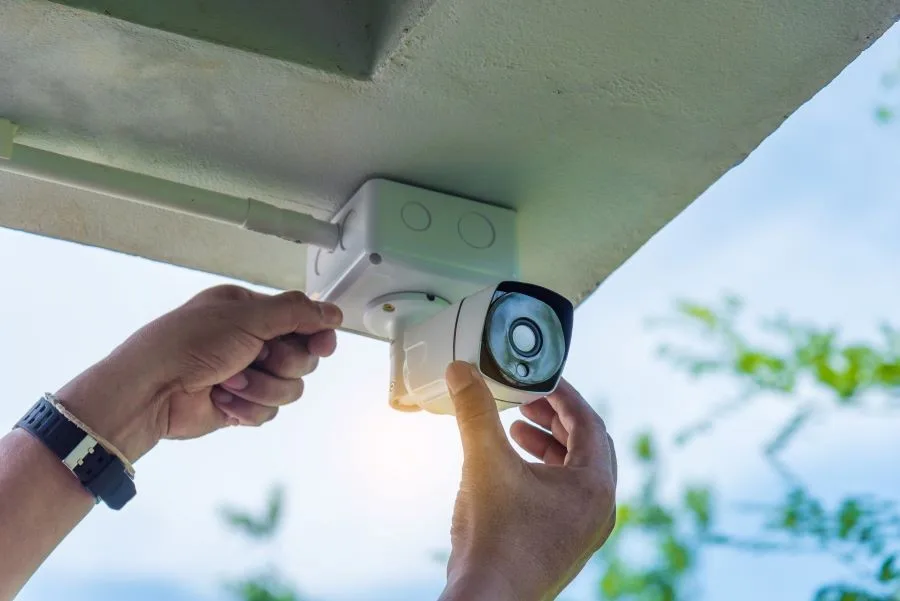
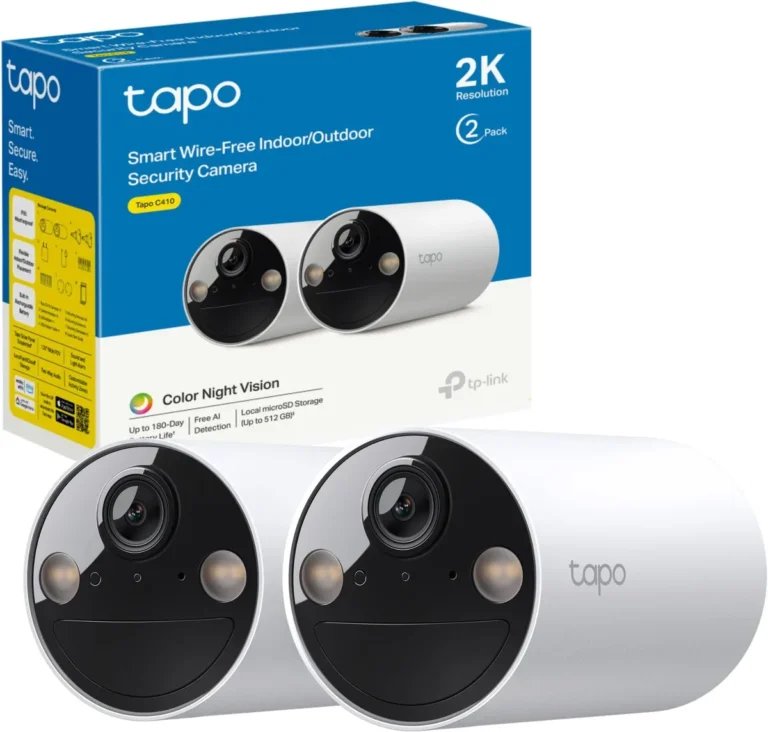
Image source: Web (Bing) / atronicaldalms.com (Web image (fair-use with source credit))
What You're Trying to See: Purpose Dictates Height
The most important question you can ask yourself is: "What exactly do I need this camera to do?" Your answer will almost always dictate the optimal mounting height. If you're just aiming to get a general sense of who is on your property, a wider view from a higher position is usually best. However, if your priority is capturing clear facial features or license plates, you'll need to position the camera much more strategically.
General Perimeter Monitoring: If your goal is simply to know if someone is on your property or approaching your home, a higher mount can provide a broader field of view. This allows you to survey more ground from a single vantage point, making it easier to spot movement or activity across a larger area.
Facial Recognition: This is where height becomes critical. To get a usable image of a person's face, the camera typically needs to be positioned at or near their eye level. Manufacturer specifications, like those found in the National Institute of Standards and Technology (NIST) guidelines on video surveillance, often suggest a specific distance and angle for optimal facial capture. Mounting too high means you're looking down at heads, and too low might mean you only see chins or foreheads.
License Plate Reading: Similar to facial recognition, capturing clear license plates requires a precise angle and distance. This often means the camera needs to be positioned at a height that aligns with the typical placement of license plates on vehicles, usually around 3 to 4 feet off the ground, and at a suitable distance from the driveway or street.
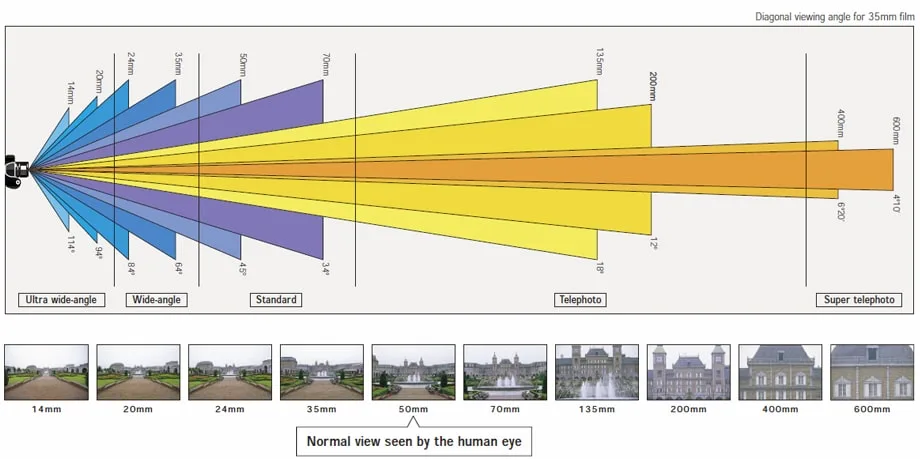
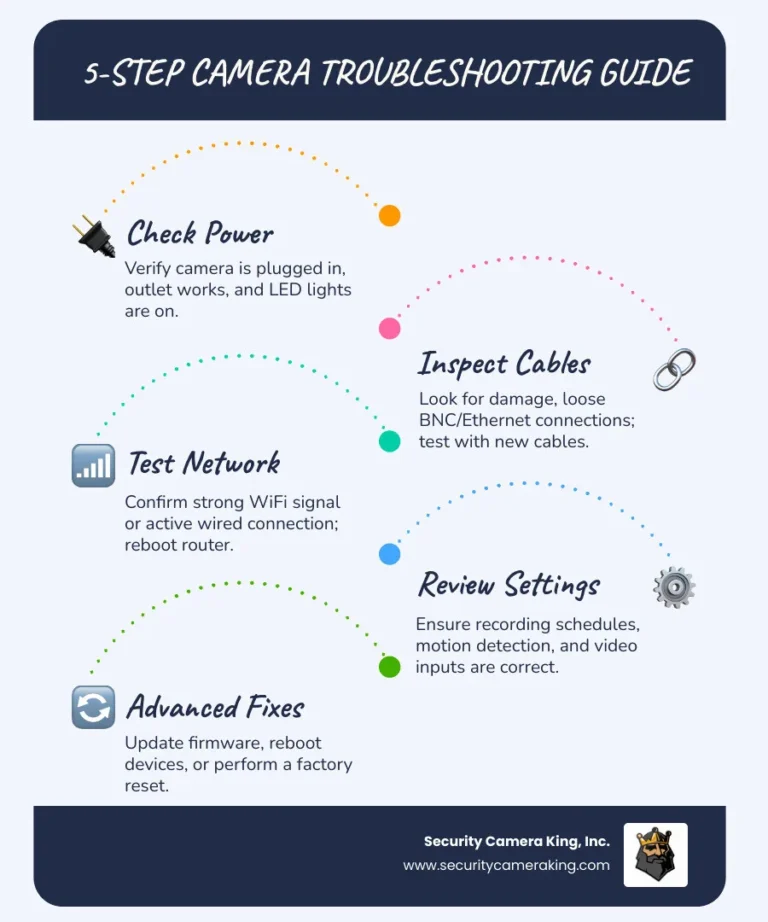
Image source: Web (Bing) / deepsentinel.com (Web image (fair-use with source credit))
The "Sweet Spot": Common Mounting Heights and Why They Work
For a lot of homeowners and small business owners, a mounting height between 8 and 15 feet (approximately 2.5 to 4.5 meters) hits a sweet spot. This range is frequently recommended and widely used because it offers a solid balance for many common security needs, especially for outdoor cameras. It’s a range that manufacturers often suggest for general surveillance applications.
Here's why this general height range is so popular:
- Deterrent Effect: Cameras placed visibly at this height are a clear signal that the property is under surveillance. This can be enough to deter opportunistic individuals from attempting any unauthorized entry or activity.
- Effective Sightlines: From 8 to 15 feet, you can usually see over many common ground-level obstructions like small bushes, garden gnomes, or low fences, providing a cleaner line of sight to potential entry points.
- Balanced Coverage and Detail: This height often allows for a good compromise between capturing a wide enough area and still obtaining usable detail for identification purposes, particularly if your camera has decent resolution and zoom capabilities.
When to aim for the lower end (8-10 feet): If you need to cover a specific pathway or entryway where you want a relatively close view without being too obvious.
When to aim for the higher end (12-15 feet): If you have a slightly larger yard, a wider driveway, or want to minimize the chance of the camera being easily tampered with.
Going Higher: When to Mount Cameras 15-30+ Feet Up
Sometimes, your security needs demand a higher vantage point. Mounting cameras at 15 feet (4.5 meters) and above, potentially reaching 30 feet (9 meters) or more, offers distinct advantages, especially for larger properties or when dealing with specific threats. This elevation is common in commercial settings or on properties with extensive grounds.
Consider these scenarios where going higher is beneficial:
- Large Property Coverage: If you're responsible for monitoring a large estate, a farm, or a business with extensive grounds, higher mounts are essential. They allow a single camera to survey a much wider area, reducing the number of cameras needed and simplifying installation. This height leverages the camera’s widest field of view effectively.
- Tamper and Vandalism Prevention: Mounting cameras significantly out of easy reach is a strong deterrent against intentional damage or theft. If someone can’t easily reach the camera, they’re less likely to try and disable it.
- Overlooking Adjacent Areas: In some cases, you might need to monitor elevated areas, such as rooftops of outbuildings, upper-story windows, or even adjacent properties (always ensuring you respect privacy laws and neighborly relations). Higher mounting positions are necessary for this.
- Maximizing Wide-Angle Views: Many wide-angle security cameras are designed to capture expansive scenes. Mounting them higher helps to utilize their full potential, providing a more comprehensive overview of the surroundings.
Important Note: While height offers benefits, ensure your chosen camera can still provide sufficient detail at these distances. A camera with a powerful optical zoom is often necessary for effective identification when mounted very high.
When Lower is Better: Mounting Cameras 6-8 Feet Down
It might seem counterintuitive, but sometimes, a lower mounting height for your security cameras is the smarter choice. While we often associate security cameras with being high up and out of reach, there are specific situations where placing them lower, generally between 6 and 8 feet (about 1.8 to 2.5 meters), is more effective. This is particularly true when your primary goal is to capture detailed identification at a specific point.
Think about the following use cases:
- Targeted Entry Point Monitoring: For a front door, back door, or a gate, you might want the camera positioned at a height that ensures clear facial recognition of anyone approaching. At 6-8 feet, the camera is more likely to be at or near eye level for most adults entering or leaving. This height can provide a direct, less distorted view.
- Capturing Specific Details: If you need to identify individuals or capture specific actions happening at ground level, a lower mount provides a better perspective. This could be useful for monitoring package deliveries, observing pets in a specific area, or keeping an eye on a low-lying garden feature.
- Indoor Surveillance: For indoor cameras, you'll almost always mount them lower. They might sit on a shelf, a desk, or a table, placing them at a height relevant to the individuals moving through the room. This avoids the distorted overhead views you'd get from ceiling mounts in many domestic settings.
Key Consideration: When mounting cameras lower, you increase the risk of them being tampered with or obscured. It's crucial to ensure they are placed in a protected location, perhaps under an eave, or in a way that still offers some degree of difficulty for intentional interference. You also need to be mindful of obstructions like plants or furniture that could easily block the lens at this height.
Common Mounting Mistakes That Undermine Your Security
Even with the best intentions, several common mistakes can sabotage your security camera setup, rendering them less effective or even useless. These errors often stem from not fully considering the camera's purpose or its physical environment. Avoiding these pitfalls is just as important as choosing the right height.
Here are some of the most frequent missteps:
Creating Blind Spots: This is the most obvious and damaging mistake. Mounting a camera too high, too low, or at an angle that doesn't cover critical areas (like all entry points or escape routes) leaves gaps in your surveillance. A determined individual can easily exploit these blind spots.
Poor Image Quality:
- Too High: If a camera is mounted too high, especially one with a limited zoom, faces can appear as small, unidentifiable blobs. Fine details needed for identification are lost.
- Too Low/Too Close: Mounting a camera too close to a doorway or walkway can distort faces due to the camera's fixed focus or lens limitations, making identification difficult.
- Obstructions: Overhanging branches, new landscaping, or even poorly placed decorations can partially or completely block the camera's view over time.
Vulnerability to Tampering or Vandalism: Cameras mounted within easy reach of the ground are prime targets for vandals or thieves. They can be easily sprayed with paint, covered, or simply knocked down, disabling your surveillance.
Ignoring Environmental Factors: Mounting a camera in a location that's constantly hit by direct, harsh sunlight can create glare and make footage unwatchable. Similarly, placing it where it's exposed to heavy rain, snow, or direct wind can lead to poor image quality or damage to the device itself.
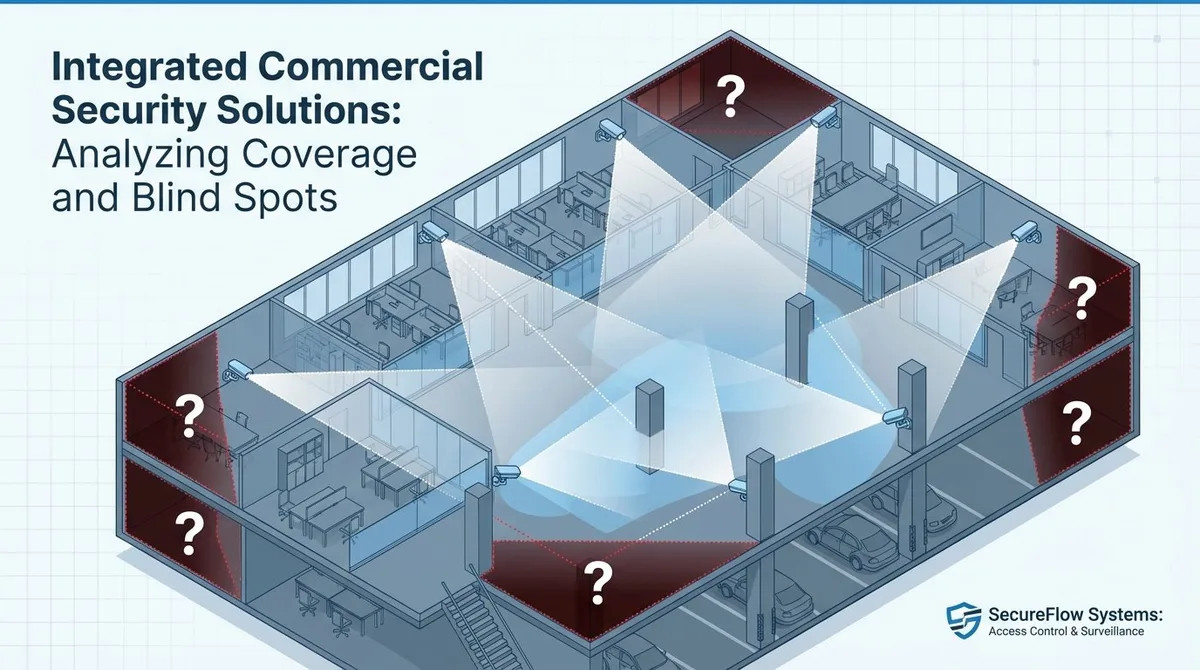
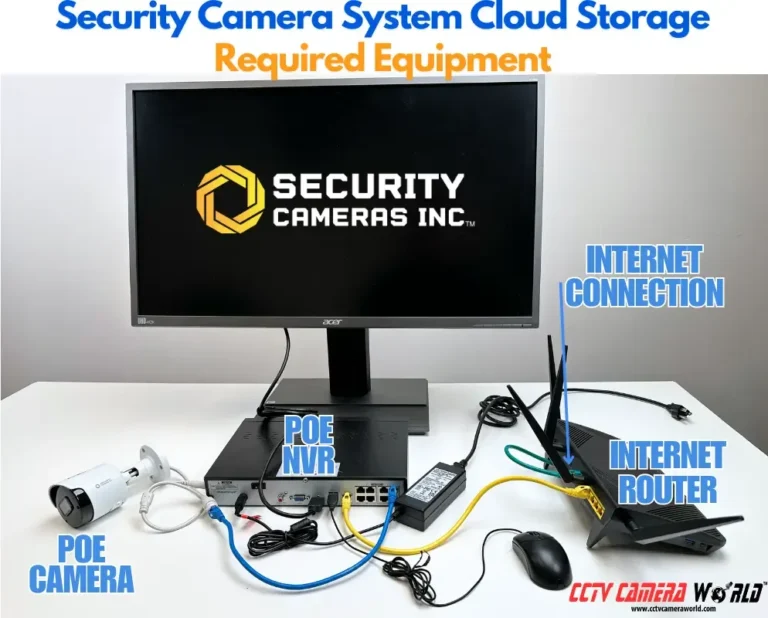
Image source: Bing (Web (fair-use with source credit))
- Mismatching Camera Field of View (FOV) with Mounting Height: Every camera has a specific FOV, indicating how wide an area it can capture. Mounting a wide-angle camera very high might spread the view too thinly, making distant objects too small. Conversely, a narrow-angle camera mounted too low might only capture a tiny sliver of the intended area. The height and the FOV must work together.