Do Security Cameras Use a Lot of WiFi
Ever stopped to think about how much internet your security cameras are gobbling up? If you've got a few cameras humming away, or you're planning to install them, you might be wondering if they're secretly hogging your WiFi. It’s a totally fair question, especially if you’re on a data cap or have a slower internet plan.
The truth is, security cameras can use a surprising amount of WiFi, but it's not a simple yes or no. Manufacturer specifications often indicate that a single 1080p camera, continuously streaming, can use between 10 to 50 GB of data per day. What that number actually means for your connection depends on a few key things we'll unpack.
Quick Answer
Yes, security cameras can use a lot of WiFi. This usage heavily depends on resolution, recording settings, and if they're constantly streaming. A 1080p camera continuously streaming may use 10-50 GB daily.
Cameras only recording motion use far less. Your internet's upload speed is crucial.
The Key Factors That Sway WiFi Usage
It’s not just about having a camera; it’s about how that camera is set up and what it’s doing. Think of it like a faucet, a slow drip uses minimal water, but a full blast can drain your tank fast. Several factors directly influence a security camera's WiFi consumption.
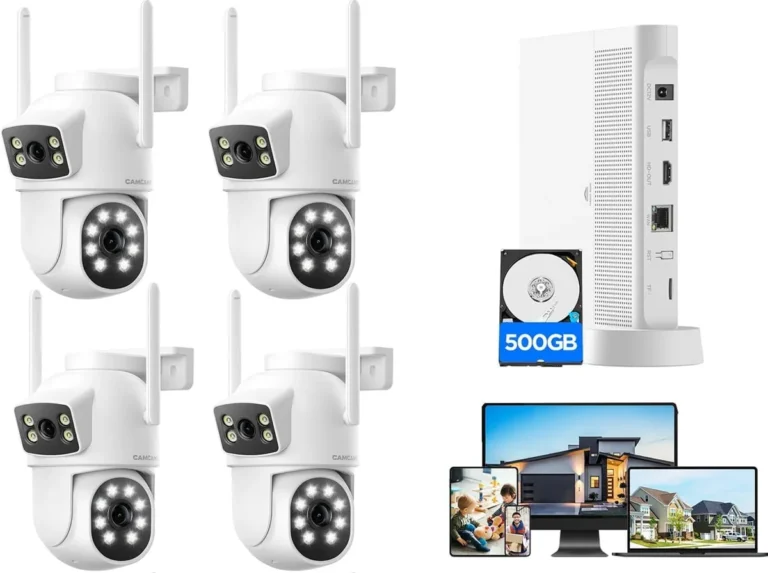
Image source: Web (Bing) / amazon.co.uk (Web image (fair-use with source credit))
Resolution: More Pixels, More Data
This is arguably the biggest driver of WiFi usage. Higher resolution means the camera captures more detail, which translates to a larger video file and more data to transmit.
- Standard Definition (SD) or Lower: Cameras at resolutions like 720p will use the least amount of data. They're fine for general monitoring but might struggle with identifying faces or fine details.
- High Definition (HD), 1080p: This is the sweet spot for many users, offering a good balance between detail and data usage. However, it's still a significant jump from SD.
- Ultra High Definition (UHD), 4K: This is where WiFi usage can skyrocket. 4K cameras capture incredibly sharp images, perfect for detailed surveillance, but they require substantial bandwidth.
Manufacturer data, for instance, often shows a clear progression: a 1080p camera continuously streaming might use 2-5 Mbps, while a 4K camera can easily push 15-30 Mbps or more. To put that into perspective, a single 4K camera running constantly could consume as much as 30-60 GB per day, far more than a lower-resolution model.
Recording: Always On vs. Motion Only
When and how often a camera records directly impacts its data footprint.
- Continuous Recording: If your camera is set to record 24/7, it will be constantly transmitting video data. This is the most bandwidth-intensive option and is usually reserved for professional surveillance setups or when you absolutely need an unbroken record.
- Motion-Activated Recording: Most home security cameras are configured to record only when motion is detected. This dramatically reduces WiFi usage because the camera is mostly idle, only streaming and uploading when an event occurs. The length of these clips also matters; shorter clips mean less data.
Other Features: What Else Adds Up?
Beyond resolution and recording, other camera features can add to your WiFi consumption.
- Night Vision: Infrared night vision, while essential for dark conditions, often requires cameras to process and transmit more data to produce a clear image. This can slightly increase bandwidth use compared to daytime recording.
- Two-Way Audio: If your camera has a speaker and microphone, this feature allows for real-time conversations. This means continuous, albeit usually small, data streams are being sent and received even when no video event is being recorded.
- Cloud Storage vs. Local Storage: Cameras that upload all their footage to cloud services will consistently use more WiFi than those that store recordings locally on a microSD card or a Network Attached Storage (NAS) device. Only alert clips being uploaded to the cloud is a common compromise.
Understanding Your Internet's Role
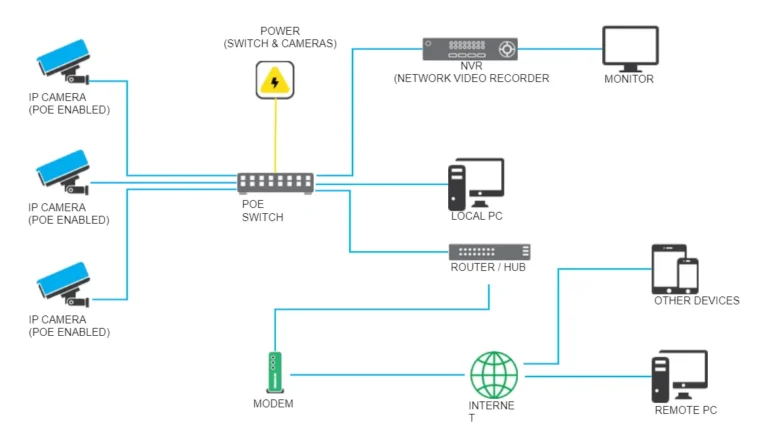
Your security cameras don't exist in a vacuum; they rely on your home's Internet connection. To understand their WiFi impact, you need to look at what your internet plan actually offers. This isn't just about how fast you can download movies; it's also about how much data you can send out.
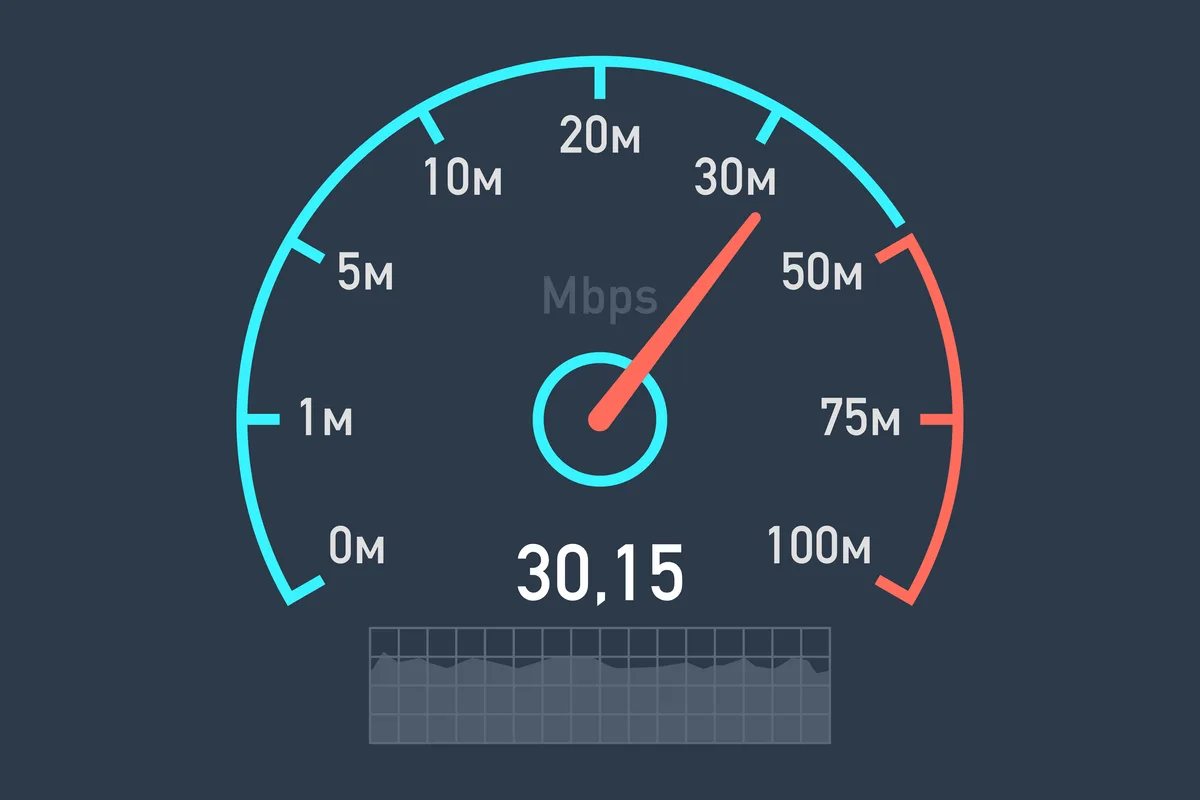
Image source: Web (Bing) / hiddenhs.weebly.com (Web image (fair-use with source credit))
Upload Speed: The Unsung Hero
When we talk about internet speeds, we usually focus on download speeds, how fast you can get data from the internet to your devices. However, security cameras send video to the internet (for cloud storage or remote viewing), so upload speed is the critical metric here. Manufacturer specifications often recommend a minimum upload speed per camera.
For example, a 1080p camera might need at least 2-4 Mbps of consistent upload speed, while a 4K camera could require upwards of 10-20 Mbps. If your internet plan's upload speed is lower than what your cameras need, you'll likely experience laggy video, dropped connections, or poor-quality footage. It's a common bottleneck that many people overlook.
Data Caps: The Silent Limit
Many internet service providers (ISPs) impose monthly data caps, limiting the total amount of data you can download and upload each month. Exceeding these caps can result in extra charges or a significant slowdown in your internet speed for the remainder of the billing cycle. Considering how much data high-resolution cameras can consume, especially if you have multiple units or a large household with other heavy internet users (streaming, gaming, large downloads), it's easy to hit or exceed these limits.
Always check your ISP's terms of service for your specific data allowance. As of 2026, many standard plans still have caps that can be reached by a few active cameras.
Ballpark Figures: What to Expect Data-Wise
Figuring out exactly how much data your cameras will use requires looking at a few scenarios. Since cameras are often set to record only when motion is detected, their usage can fluctuate significantly throughout the day. This means averaging the usage is key.
- Low Usage: A single, basic camera set to record only motion for very short clips (e.g., 15-30 seconds) might use as little as 1-5 GB per day. This is typical for many doorbell cameras or a single outdoor camera in a quiet area.
- Moderate Usage: If you have a few cameras, or one camera recording slightly longer clips or in 1080p resolution with moderate motion, you could be looking at 5-15 GB per camera per day.
- High Usage: Multiple 1080p cameras, or even a single 4K camera set to record frequently or for longer durations, can push usage to 20-50 GB or even more per camera per day. Continuous recording will always fall into this high-usage category and can easily exceed 100 GB daily for a multi-camera setup.
It's important to remember these are estimates. The actual data consumption depends on the camera's specific firmware, the clarity of the video being transmitted (e.g., a clear day versus a foggy one), and the efficiency of the camera's compression technology.
Typical Usage Scenarios
Here’s how different setups might break down:
- The Single Doorbell Camera: Mostly idle, only sending alerts and short clips. Expect minimal impact, likely under 5 GB daily.
- Two 1080p Cameras (Motion Only): If motion is infrequent, daily usage might be around 10-20 GB combined. If motion is constant, this could double or triple.
- Four 4K Cameras (Motion Only): This is where you'll see significant usage. Daily totals could easily reach 80-200 GB, depending heavily on how often motion is triggered and the clip length.
When Cameras Won't Be a Problem
For many people, adding a security camera or two to their home network won't cause any noticeable issues with their WiFi. There are specific situations where you can largely set them up and forget about their impact on your internet connection.

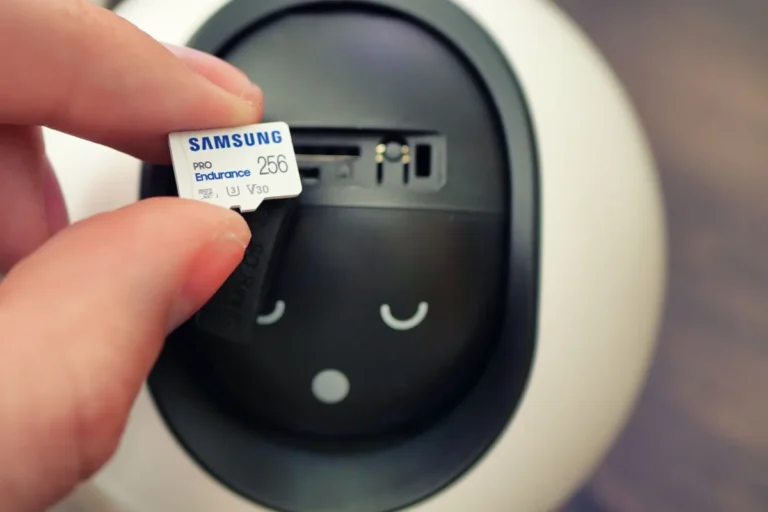
Image source: Web (Bing) / gumlet.com (Web image (fair-use with source credit))
Small Setups & Basic Needs
If you're only using one or two cameras, especially for basic functions, you're probably in the clear. This often includes:
- Doorbell Cameras: These are typically designed to be power-efficient and only record when someone rings the bell or motion is detected at the doorstep. Their data usage is minimal, often below 5 GB per day.
- Single Outdoor Cameras: A single camera placed strategically to monitor a driveway or backyard, set to motion detection with relatively short recording clips, will usually have a low impact.
- Cameras with Local Storage: If your camera's primary storage is an on-board microSD card and it only sends small alert notifications to the cloud, your WiFi bandwidth won't be heavily taxed. The bulk of the data stays local.
In these cases, even with a moderate internet plan (say, 50-100 Mbps download and 10-20 Mbps upload), the addition of one or two cameras is unlikely to cause slowdowns or exceed data caps. The camera itself is designed to compress video efficiently and only transmit when necessary.
When Cameras Might Strain Your Network
On the flip side, there are definite scenarios where adding security cameras can put a significant strain on your WiFi network and internet connection. If you're planning to implement a comprehensive security system, you'll want to pay close attention to these factors.
- Multiple Cameras: The more cameras you have actively recording or streaming, the more combined bandwidth they will consume. Four or more cameras can quickly add up, especially if they are all high-definition.
- High-Resolution Recording: Cameras set to 1080p or, even more so, 4K resolution require substantially more bandwidth. A single 4K camera can use as much upload speed as several lower-resolution cameras combined.
- Continuous Recording: If you opt for cameras that record 24/7, they will constantly stream data. This is the most bandwidth-intensive option and can quickly overwhelm slower internet connections or consume your monthly data allowance.
- Limited Upload Speed: Your internet plan's upload speed is critical. If your plan offers high download speeds but very low upload speeds (e.g., 100 Mbps download / 5 Mbps upload), adding cameras that stream to the cloud will heavily compete for that limited upload bandwidth, potentially causing all your internet-connected devices to slow down.
- Data Caps: For households on internet plans with monthly data limits, running multiple high-definition cameras that upload to the cloud can easily lead to exceeding those caps, incurring extra charges or throttled speeds.
Making Smart Choices for Your Network
Understanding the potential impact of your security cameras on your WiFi is the first step. The next is to make smart choices about how you deploy and configure them to avoid issues. This means looking at both the camera settings and your home internet plan.
Optimizing Camera Settings
Most security cameras offer a range of settings that can directly influence their data consumption. Actively managing these can make a significant difference.
- Adjust Resolution: If your camera offers multiple resolution options, consider if you truly need 4K for every camera. Dropping a less critical camera to 1080p or even 720p can drastically cut down on data usage.
- Fine-tune Motion Detection: Instead of capturing every tiny movement, adjust motion detection zones and sensitivity. This ensures you only record significant events, reducing clip length and data transfer. Many systems allow you to create "activity zones" to ignore areas with constant minor motion, like trees swaying.
- Set Clip Lengths: If your camera records clips when motion is detected, set the clip duration to the shortest effective length. A 30-second clip is often enough to see what happened, whereas a 2-minute clip will use four times the data.
- Prioritize Local Storage: If your camera has a microSD card slot, use it for primary recording. You can then configure it to upload only brief alert clips to the cloud, rather than full event recordings.
Evaluating Your Internet Plan
Your internet plan is the foundation for your camera system's performance.
- Check Your Upload Speed: As discussed, upload speed is paramount. Log into your router or use an online speed test tool (like those provided by Ookla or your ISP) to confirm your actual upload Mbps. Compare this to the recommended speeds for your chosen cameras. For a system with several cameras, aiming for a total upload capacity of at least 5-10 Mbps per camera (for 1080p) is a good rule of thumb.
- Understand Your Data Cap: If your plan has a monthly data limit, calculate your potential camera usage. For example, a single 1080p camera using 15 GB per day will consume 450 GB per month (15 GB/day * 30 days). This clearly illustrates why continuous recording or multiple high-res cameras are problematic on capped plans. Many ISPs offer plan upgrades or unlimited data options that might be worth the cost.
- Consider Router Capability: Older or less powerful routers might struggle to handle the continuous stream of data from multiple connected devices, including security cameras. Ensure your router can support the number of devices and the total bandwidth demands of your home network. Many modern routers, especially those supporting Wi-Fi 6 (802.11ax), offer improved performance for busy networks.
FAQs About Security Cameras and WiFi
Do all security cameras use a lot of WiFi?
No, not all security cameras use a lot of WiFi. Basic models that only record motion and store footage locally will have a minimal impact. However, high-resolution cameras (1080p and above) that are set to record continuously or transmit frequently can consume substantial bandwidth.
How much upload speed do I need per camera?
As a general guideline, aim for at least 2-4 Mbps of upload speed per 1080p camera. For 4K cameras, you'll likely need 10-20 Mbps or more per camera. Always check the manufacturer's specifications for their recommendations.
Can I use security cameras on a mobile hotspot or limited data plan?
It's generally not recommended to rely on a mobile hotspot or a very limited data plan for security cameras, especially those that stream to the cloud. The constant data usage can quickly exhaust your data allowance and become very expensive. Motion-activated cameras with local storage are a more feasible, though still limited, option in such cases.
What happens if my WiFi can't handle the cameras?
If your WiFi network or internet connection can't handle the demands of your security cameras, you'll likely experience issues like choppy video feeds, dropped connections, poor image quality, and delays in receiving motion alerts. It can also slow down other devices on your network.
One Comment