What Is Home Automation Security
Worried about your home's safety when you're away or even when you're asleep? You're not alone. Understanding what home automation security really means is the first step to getting that peace of mind you deserve.
It’s about making your home smarter, more connected, and ultimately, more secure.
This isn't just about alarms anymore; it's a network of devices working together to protect your space. Manufacturer specifications for many smart security hubs indicate they can manage dozens of connected devices, allowing for sophisticated threat detection and response protocols.
Quick Answer
Home automation security uses connected technology to protect your home and family. It integrates smart devices like cameras, locks, and sensors to detect threats, send alerts, and enable remote control. The goal is a safer, more responsive, and convenient living environment.
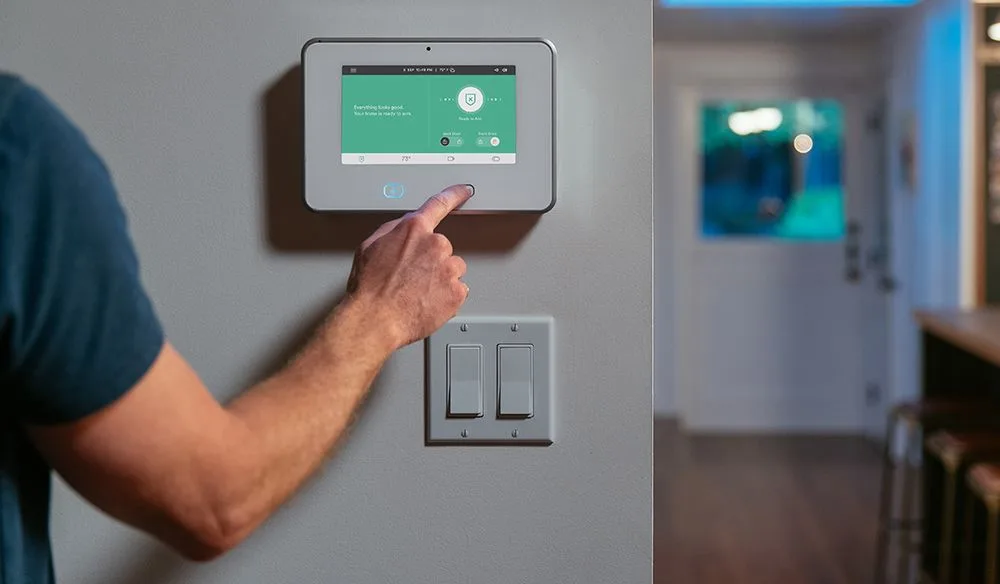
Image source: Bing (Web (fair-use with source credit))
How Does It Actually Work?
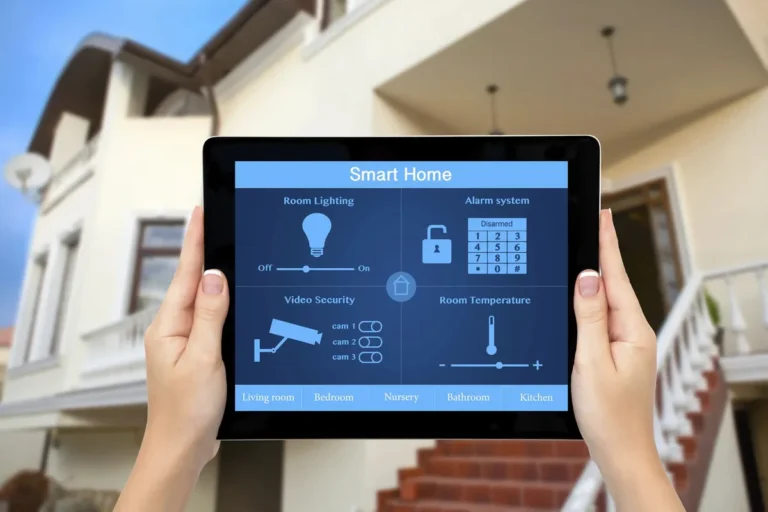
At its core, home automation security relies on a central system, often a smart home hub or an app on your smartphone. This hub acts as the brain, communicating with all your various smart security devices, think smart locks, motion detectors, and security cameras. When one device senses something unusual, like unexpected movement or a door opening, it sends an alert to the hub.
The hub then processes this information and can trigger a pre-set action.
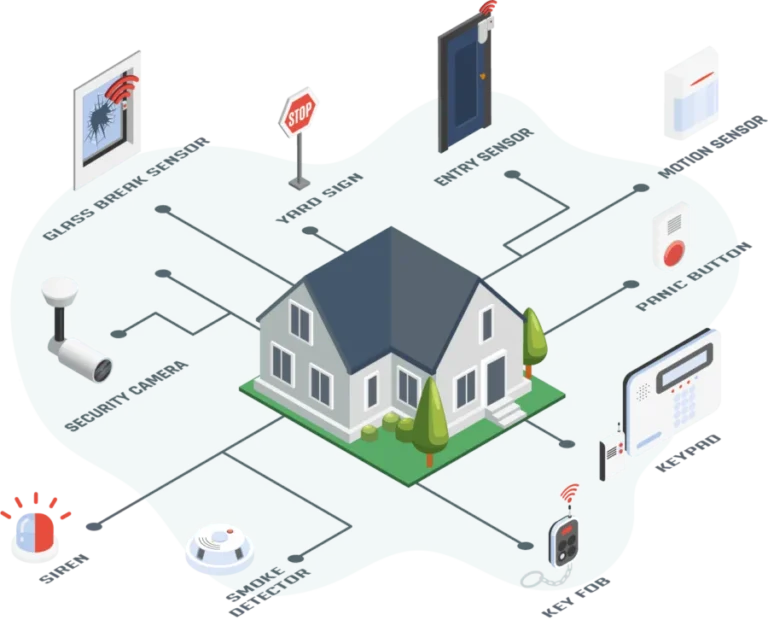
For instance, if a motion sensor picks up activity while your system is armed, the hub can instantly send a notification to your phone. It could also simultaneously turn on specific smart lights, start recording video from nearby cameras, or even activate a smart siren. This interconnectedness allows for a coordinated response to potential security breaches or other household emergencies, all managed from your preferred device.
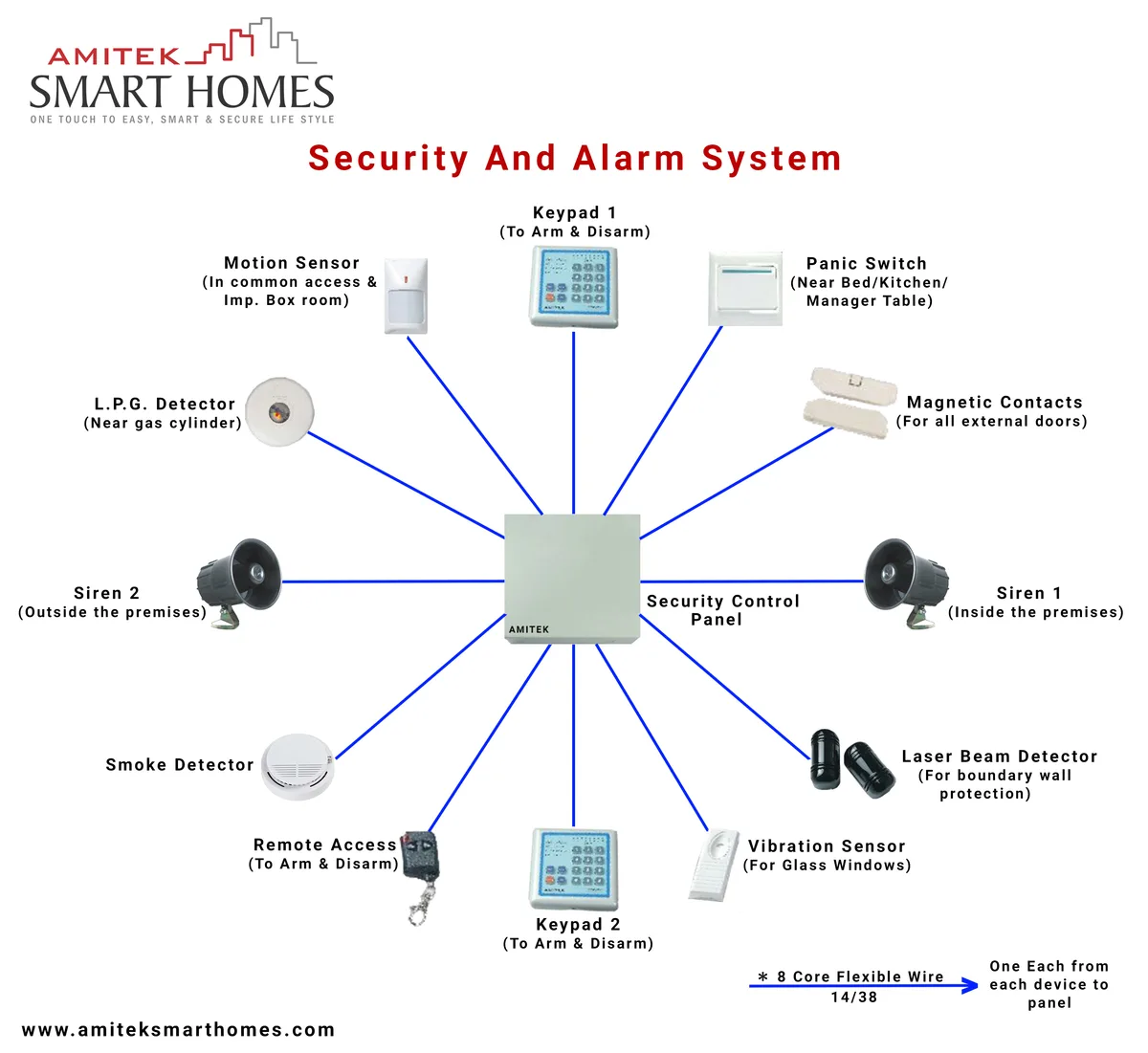
Image source: Web (Bing) / circuitdiagram.co (Web image (fair-use with source credit))
Key Components of a Secure Smart Home
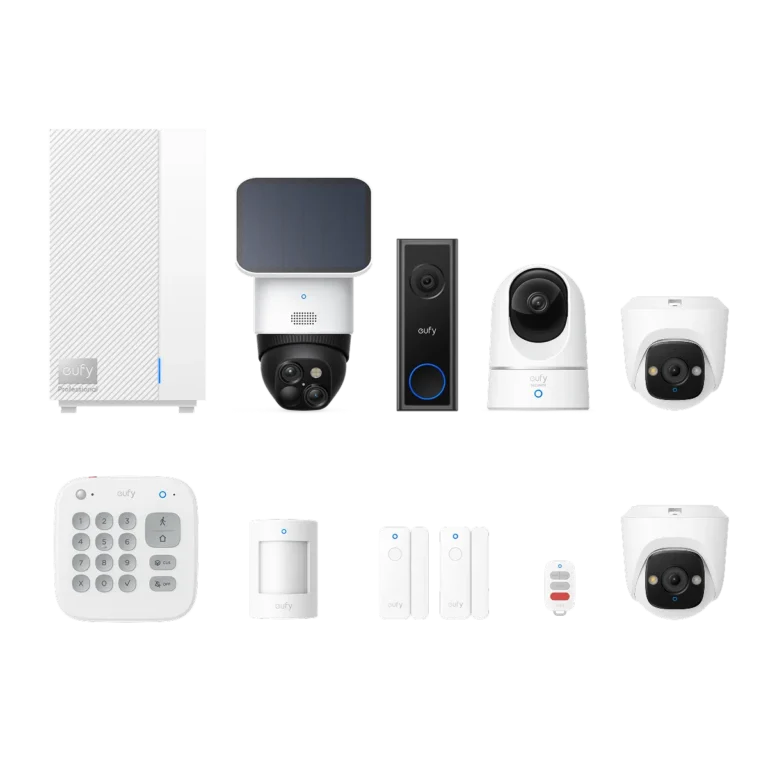
When you're building or expanding your home automation security, you'll encounter several key device types. Each plays a specific role in creating a comprehensive protective layer around your property.
- Smart Locks: These are a game-changer for entry security. They allow you to lock and unlock your doors remotely via an app, grant temporary digital keys to visitors, and receive alerts every time the lock is used.
- Security Cameras: Whether indoor or outdoor, these cameras provide crucial visual surveillance. Features often include motion-activated recording, infrared night vision for clear images in the dark, and sometimes two-way audio so you can speak to someone at your door.
- Doorbell Cameras: A popular subtype of security camera, these replace your traditional doorbell. They let you see, hear, and speak to anyone who approaches your front door, directly from your smartphone.
- Motion Sensors: These devices detect movement within their range. They can be set to trigger alerts, turn on lights, or activate cameras, providing an early warning of potential intrusion.
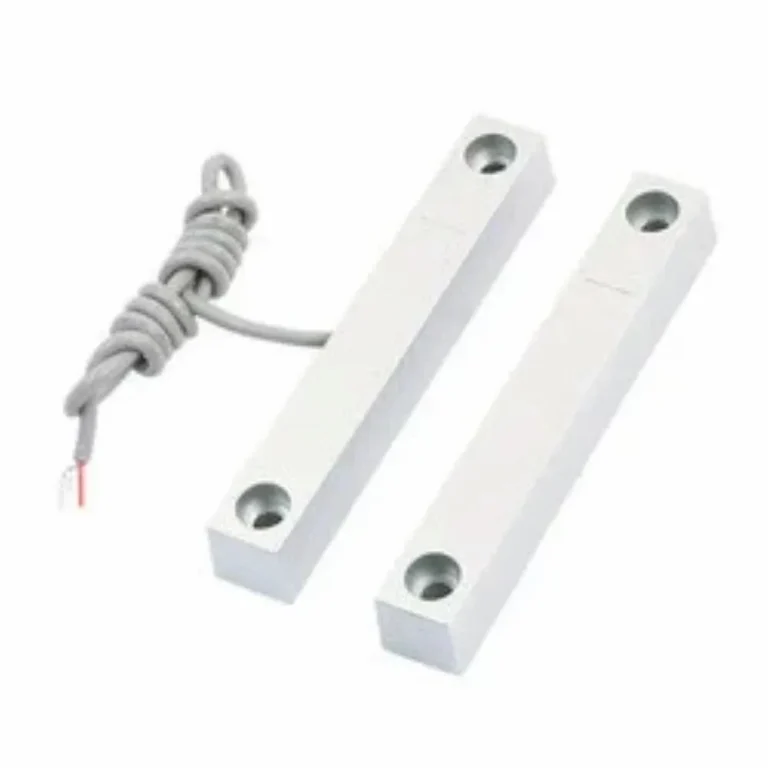
- Window and Door Sensors: These are simple yet effective devices that trigger an alert if a window or door is opened or closed unexpectedly. They are ideal for securing vulnerable entry points.
- Smart Smoke and Carbon Monoxide Detectors: Beyond just sounding an alarm, these smart detectors can send immediate alerts to your phone if smoke or CO is detected, even when you're far from home.
Is It Really Worth It? The Upsides
Adding home automation security is a significant investment, but the benefits often outweigh the costs, especially for those prioritizing safety and convenience. The primary advantage is undoubtedly enhanced protection. You gain a comprehensive surveillance network that extends beyond traditional alarms.
Real-time alerts for break-ins, fires, or even water leaks mean you can respond faster, potentially mitigating damage and protecting your family.
Remote control and monitoring offer unparalleled convenience. Imagine being on vacation and realizing you forgot to lock the back door, with a smart lock, you can secure it with a tap on your phone. This capability provides constant reassurance.
Furthermore, visible smart security devices, like cameras and well-placed smart lighting, act as a significant deterrent to potential criminals. Most trespassers look for easy targets, and a home that appears technologically protected is often bypassed.
Integration with other smart home features also adds value. If your smart smoke detector triggers, your smart lights can illuminate escape routes, and smart locks can even unlock automatically, facilitating a quicker exit. This synergy makes your home not just safer, but also more responsive to emergencies.
Image source: Web (Bing) / pngtree.com (Web image (fair-use with source credit))
The Other Side of the Coin: What to Watch Out For
While the benefits of home automation security are compelling, it's essential to be aware of the potential downsides. Privacy concerns are paramount. With cameras and sensors collecting data inside and outside your home, understanding how manufacturers store and use this information is critical. It’s wise to choose brands with transparent privacy policies and robust data protection.
Like any technology, technical glitches can occur. Wi-Fi outages, power interruptions, or software bugs might disrupt your security system's functionality. Planning for these scenarios, such as having battery backups or cellular failover for critical systems, is a prudent step.
The initial cost of setting up a comprehensive system can also be substantial, though the market offers a range of options at different price points.
Finally, for some, managing a network of connected devices can initially seem complex. However, many modern systems are designed with user-friendly interfaces to simplify setup and daily operation, and resources are widely available for support.
Making Sure Your System is Actually Secure
Having smart devices is one thing, but ensuring your home automation security system is genuinely secure is another. This requires a proactive approach to cybersecurity.
- Strong Passwords: This is non-negotiable. Use unique, complex passwords for your Wi-Fi network and every smart home account. Avoid easily guessable information.
- Two-Factor Authentication (2FA): Whenever a service offers 2FA, enable it. This adds a vital extra layer of security, requiring a second verification step (like a code from your phone) to access your accounts, greatly reducing the risk of unauthorized entry.
- Regular Software Updates: Manufacturers frequently release updates to patch security vulnerabilities. Make it a habit to check for and install updates for your hub, devices, and associated apps promptly. Per NIST guidance, keeping software updated is a foundational security practice.
- Secure Your Wi-Fi Network: Your Wi-Fi is the gateway to your smart home. Ensure it's protected with strong encryption, like WPA3 if your router supports it, and a complex password.
- Choose Reputable Brands: Stick with well-known manufacturers that have a solid reputation for security and transparency regarding data handling. Look into their security track record and privacy policies before purchasing.
Frequently Asked Questions
What's the difference between a smart alarm and home automation security?
A smart alarm is typically a system focused primarily on intrusion detection with remote alerts. Home automation security is broader, integrating various smart devices like locks, cameras, and lights into a single, interconnected system that can automate responses to multiple types of events, not just intrusions.
Do I need a professional installer for home automation security?
Not always. Many systems are designed for DIY installation and setup, often guided by intuitive mobile apps. However, for complex setups or if you're uncomfortable with the technical aspects, professional installation is an option that ensures everything is configured correctly for optimal security.
How much does home automation security typically cost?
Costs vary widely. Basic kits with a hub and a few sensors might start around $200-$300, while comprehensive systems with multiple cameras, smart locks, and professional monitoring can range from $500 to over $1,000 upfront, plus potential monthly fees for monitoring services.
Can my smart home security be hacked?
Yes, like any internet-connected device, smart home security systems can be vulnerable to hacking if not properly secured. This is why strong passwords, regular updates, and secure Wi-Fi networks are crucial for protecting your system against unauthorized access.