Can Deleted CCTV Footage Be Recovered?
If you've ever found yourself needing critical video evidence, only to realize it's been deleted from your CCTV system, you know that sinking feeling. The question of "Can deleted CCTV footage be recovered?" is a common one, and the answer isn't a simple yes or no. It depends heavily on a few key technical factors and how quickly you act.
Our research indicates that recovering deleted surveillance footage is often possible, but success hinges on not overwriting the data. For instance, the National Institute of Standards and Technology (NIST) provides guidelines on digital evidence handling that underscore the importance of preserving data integrity from the moment of deletion. Understanding these factors is crucial before you even consider recovery methods.
Quick Answer
Yes, deleted CCTV footage can often be recovered, but it's not guaranteed. Success depends on whether the storage space has been overwritten, the type of storage media used, and how quickly you attempt recovery. Professional data recovery services significantly increase the chances of retrieving usable footage, especially if critical evidence is at stake.
What Exactly Happens When CCTV Footage Gets Deleted?
When you delete a file from a CCTV system, or when the system automatically overwrites old footage to make space for new recordings, the data isn't immediately wiped clean. Instead, the system essentially marks the space that file occupied as "available" for new data. Think of it like erasing a pencil mark from paper; the original writing might still be faintly visible until you write over it.
The operating system or the CCTV software updates its file allocation table, essentially saying, "This spot is now empty." However, the actual video data bits remain on the storage medium, such as a hard drive or SD card, until new information is written to that exact location. This is the core principle that makes data recovery, including CCTV footage recovery, even possible. If that space is overwritten, the original data is gone for good.
Key Factors That Determine If Recovery Is Possible
The chances of getting back deleted CCTV footage aren't uniform; several critical elements play a role. It’s like a puzzle where missing pieces mean you might not get the full picture. Getting these factors right from the start dramatically improves your odds.
Storage Medium Type: The First Big Hurdle
The physical storage device holding your CCTV recordings is your primary concern. Different media have different behaviors when it comes to data deletion and recovery.
- Hard Disk Drives (HDDs): These are common in Network Video Recorders (NVRs) and Digital Video Recorders (DVRs). HDDs store data magnetically on spinning platters. When data is deleted, the magnetic charges remain until new data overwrites them. This makes them generally more amenable to recovery than other types, provided the overwrite hasn't occurred.
- Solid State Drives (SSDs): Increasingly found in newer systems, SSDs use flash memory. They have a feature called TRIM that, when enabled, actively cleans up deleted data blocks to maintain performance. This can make recovery from SSDs much harder, as the data might be considered "gone" by the drive itself very quickly after deletion.
- SD Cards and MicroSD Cards: These are often used in standalone cameras or as backup storage. Like SSDs, they use flash memory, and data recovery can be challenging due to similar "garbage collection" mechanisms, though it’s often less aggressive than enterprise-level SSDs.

Image source: Web (Bing) / wodex.co.ke (Web image (fair-use with source credit))
Time Since Deletion: The Clock Is Ticking
This is perhaps the most critical factor. The longer you wait after footage is deleted, the higher the probability that the storage space it occupied has been overwritten by new recordings. CCTV systems are designed to continuously record, often on a loop.
If your system is set to record 24/7, any deleted footage is at immediate risk of being overwritten by the next incoming data stream.
For example, if your system records 10GB of footage per day and you delete a file, that 10GB is now available space. If your system is actively recording, that space could be filled within minutes or hours, depending on your recording settings and the amount of activity captured. Acting fast is key for successful retrieval.
Overwriting: The Footage's Worst Enemy
Overwriting is the death knell for deleted CCTV footage. When new video data is written to the same physical sectors on the storage medium where the deleted footage resided, the original data is permanently erased. This process is unavoidable if the CCTV system continues to record after the footage has been deleted.
Think of it like a notepad where you've erased a note, but then immediately used that same spot to write a new one. The original words are gone. The more active your CCTV system is (e.g., recording constantly in a busy area), the faster this overwriting process occurs.
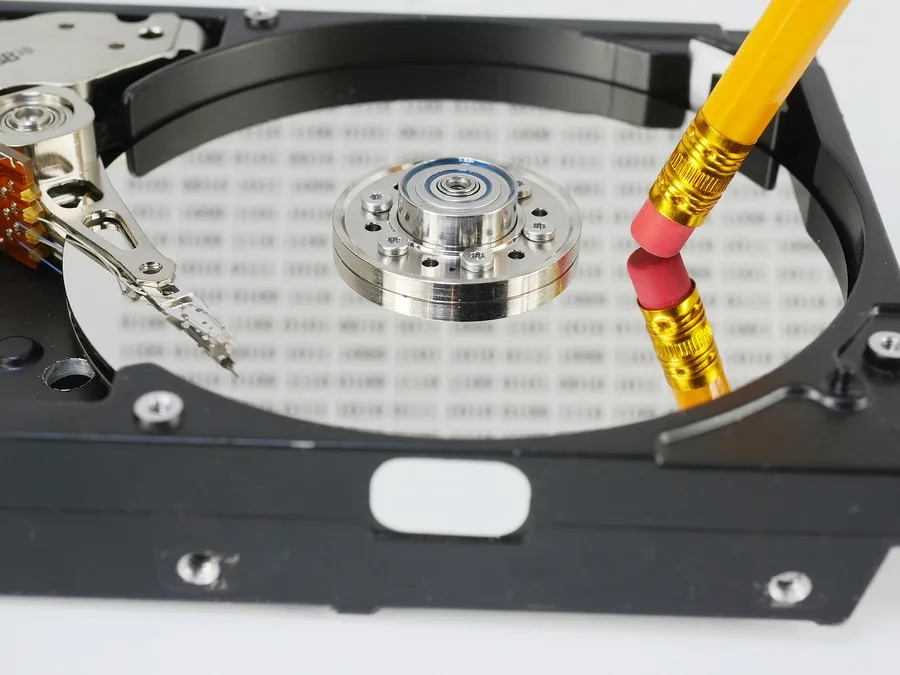
Image source: Web (Bing) / seamservices.com (Web image (fair-use with source credit))
Deletion Method: Accidental vs. Intentional
The way the footage was deleted can also influence recovery chances. Accidental deletion, perhaps by a user clicking the wrong button, often leaves the data in a state where recovery is more feasible. Intentional deletion, especially if done with forensic tools designed to securely wipe data, can make recovery much more difficult, if not impossible.
If a system was formatted, it's similar to intentionally wiping the drive, but sometimes even formatted drives can yield data if the formatting process wasn't a deep, secure erase. Our research shows that simple accidental deletions are generally the most promising for recovery.
When DIY Recovery Is (Maybe) an Option
Sometimes, you might be tempted to try recovering deleted footage yourself, especially if it’s not a high-stakes legal case. There are tools and methods available that can work for simple deletion scenarios. However, it's crucial to understand the limitations and risks involved before you dive in.
Using Data Recovery Software: What to Expect
There's a range of data recovery software available that can scan storage media for deleted files. These tools work by looking for file signatures and remnants of data that haven't been fully overwritten. For accidental deletions on HDDs, these programs can sometimes be effective, especially if the drive has been disconnected from the recording system immediately after deletion to prevent further writing.
However, success with software is highly dependent on the type of storage (HDDs are better than SSDs/SD cards), how quickly you act, and the specific file system used by your CCTV device. Many CCTV systems use proprietary or complex file systems that standard recovery software might not recognize or handle correctly. Therefore, results can be hit-or-miss.
When NOT to Try DIY Recovery
You should steer clear of DIY recovery if the footage is critical for legal proceedings, represents significant financial loss, or involves a security incident. Attempting recovery yourself can inadvertently cause further data corruption or overwriting, making professional recovery harder or impossible.
Furthermore, if the storage media has any physical damage, like drops, water damage, or unusual noises (clicking from an HDD), DIY methods are almost guaranteed to fail and could cause more harm. In these situations, professional intervention is the only viable path. Trying to update security camera firmware or reset a security camera, for example, could also interfere with the data if not done carefully.
The Professional Data Recovery Route: When and Why
When the deleted CCTV footage is vital, think evidence for a crime, an accident investigation, or a major business dispute, turning to professional data recovery services is usually the best course of action. These specialists have the tools, knowledge, and cleanroom environments to handle complex recovery scenarios that are beyond the scope of typical consumer software. They understand the nuances of different storage media and file systems used in surveillance equipment.
What Professionals Do Differently
Professional data recovery labs employ specialized techniques and hardware. They can often work directly with the physical platters of an HDD or the memory chips of an SSD/SD card. They use advanced imaging tools to create sector-by-sector copies of the damaged or deleted media, ensuring no further damage occurs to the original.
Then, they use sophisticated forensic software to analyze these images, reconstruct fragmented video files, and bypass or repair file system errors.
For instance, they might have specialized equipment to read data from damaged SSD controllers or to carefully extract data from physically compromised drives. This level of expertise and equipment is simply not available to the average consumer. It’s also why professionals can often retrieve data from situations where software recovery fails, especially when dealing with issues like corrupted file systems or logical damage.
The Cost of Professional Recovery
Professional CCTV footage recovery isn't cheap. The cost can range anywhere from a few hundred dollars to several thousand, depending on the complexity of the case, the type of storage media, and the urgency. Factors like whether the drive is physically damaged, how much data needs to be recovered, and the time required by their forensic engineers all contribute to the overall price.
It's important to get quotes from several reputable services and understand their pricing structure. Most offer a free initial evaluation to assess the likelihood of recovery and provide a firm quote before proceeding. This way, you know what you're getting into financially.
You can learn more about how much data a security camera uses to estimate storage needs.
Getting a Reliable Recovery Service
Choosing the right professional service is crucial. Look for companies that specialize in digital forensics and have a proven track record with CCTV and surveillance systems. Check for testimonials, certifications, and ask about their success rates for similar cases.
A good service will be transparent about their process, pricing, and the estimated timeline. They should also be able to maintain the chain of custody for any recovered evidence, which is critical if the footage will be used legally.
Understanding the Risks and Legalities
Even if you successfully recover deleted CCTV footage, there are significant risks and legal considerations to keep in mind. Simply having the video isn't always enough; how you obtained it and how you use it matters, especially if it’s intended as evidence.
Chain of Custody for Evidence
When deleted CCTV footage is recovered for legal purposes, maintaining a proper chain of custody is paramount. This refers to the chronological documentation or paper trail, showing the seizure, custody, control, transfer, analysis, and disposition of physical or electronic evidence. If this chain is broken, the recovered footage might be deemed inadmissible in court, rendering your recovery efforts useless.
Professional data recovery services understand these requirements. They will typically document every step of their process, from receiving the storage media to the final delivery of recovered files. They often assign unique case numbers and ensure that only authorized personnel handle the evidence.
For anyone attempting recovery themselves, documenting every single step is essential, but it’s incredibly difficult to meet legal standards without professional expertise.
Data Privacy Considerations
Depending on what the CCTV cameras are recording and where they are located, there can be significant data privacy implications. Recovering footage that captures individuals without their knowledge or consent, especially in private spaces, could potentially violate privacy laws like GDPR or local regulations. It's vital to understand what data you are recovering and ensure you have the legal right to access and use it.
For example, if cameras are in employee break rooms or public areas, there are often specific rules about notification and consent. Recovering deleted footage might bring to light sensitive information that, while technically retrieved, could expose you or your organization to legal challenges if not handled appropriately. Always consult with legal counsel if you have doubts about privacy compliance.
Mistakes to Avoid When Attempting Recovery
Even with the best intentions, people often make critical errors when trying to recover deleted CCTV footage themselves, which can permanently destroy the data. Understanding these common pitfalls can save you from a lost case or a costly professional recovery job.
- Continuing to Use the System: The biggest mistake is continuing to record or operate the CCTV system after realizing footage is missing. Every new recording, every system update, or even just keeping the device powered on can potentially overwrite the deleted data. As of 2026, many systems automatically loop recordings, so this is a constant risk. Forgetting to properly back up security camera footage is often the first step toward needing recovery.
- Improperly Handling Storage Media: If you suspect physical damage or if the drive is making strange noises, avoid powering it on or trying to access it repeatedly. This can exacerbate internal damage. Also, avoid exposing the media to extreme temperatures, moisture, or magnetic fields, as these can degrade data.
- Using Untested or Generic Software: Relying on basic file recovery software not specifically designed for or tested with CCTV systems can lead to corruption or incomplete recovery. The proprietary file systems used by many DVRs and NVRs are complex, and generic tools often can't interpret them correctly.
Does Recovered CCTV Footage Look Perfect?
The quality of recovered CCTV footage can vary significantly. It's rarely going to be as crisp as the original recording, especially if any data has been partially overwritten or if the storage media was damaged. You might encounter issues like:
- Artifacts and Glitches: Expect to see visual distortions, pixelation, or brief "freezing" in the video stream. This happens when parts of the video stream are missing or corrupted.
- Incomplete Segments: Some parts of the footage might be entirely missing, leading to gaps in the timeline. The duration of these gaps depends on how much of the original data was overwritten.
- Audio Issues: If audio was recorded, it might be missing, distorted, or out of sync with the video.
- Lower Resolution: The recovery process itself might sometimes result in a slightly lower resolution than the original recording, even if the data is largely intact.
Professional services strive to reconstruct as much of the original quality as possible, but perfection is not always achievable. The goal is typically to retrieve enough usable information to understand the events that transpired.
How Long Does CCTV Footage Recovery Usually Take?
The timeline for recovering deleted CCTV footage can be quite broad, ranging from a few days to several weeks. This variability is due to a number of factors, including the complexity of the data loss, the type of storage media, and the workload of the recovery service.
- Simple Cases: For accidental deletions on a standard HDD where the drive is healthy, a professional might recover and return the data within 2-5 business days. This includes initial assessment, imaging, and recovery.
- Complex Cases: If the storage media is physically damaged (e.g., a dropped hard drive), has logical corruption, or uses a proprietary file system, the process can take much longer. This might involve intricate component-level repairs, specialized software analysis, and extended testing, potentially pushing the timeline to 1-3 weeks or more.
- Urgency: Many data recovery services offer expedited services for an additional fee. If you need the footage back immediately, this can significantly reduce the turnaround time, but it will also increase the overall cost.
It's important to have realistic expectations. Rushing the process by attempting DIY recovery or choosing a less experienced service can lead to permanent data loss. If you’re experiencing issues like why is my security camera showing a black screen or video lag, it’s often better to address the root cause before data loss occurs.
What Happens to My Original CCTV Drive After Recovery?
The quality of recovered CCTV footage can vary significantly. It's rarely going to be as crisp as the original recording, especially if any data has been partially overwritten or if the storage media was damaged. You might encounter issues like:
- Artifacts and Glitches: Expect to see visual distortions, pixelation, or brief "freezing" in the video stream. This happens when parts of the video stream are missing or corrupted.
- Incomplete Segments: Some parts of the footage might be entirely missing, leading to gaps in the timeline. The duration of these gaps depends on how much of the original data was overwritten.
- Audio Issues: If audio was recorded, it might be missing, distorted, or out of sync with the video.
- Lower Resolution: The recovery process itself might sometimes result in a slightly lower resolution than the original recording, even if the data is largely intact.
Professional services strive to reconstruct as much of the original quality as possible, but perfection is not always achievable. The goal is typically to retrieve enough usable information to understand the events that transpired.
Is Recovered CCTV Footage Admissible in Court?
The admissibility of recovered CCTV footage in court hinges on several critical factors, with the chain of custody being the most significant. If the recovery process was conducted by a reputable professional service that meticulously documented every step, the footage stands a much better chance of being accepted as evidence.
However, if the recovery was done through DIY methods, or if the professional service didn't follow strict forensic protocols, the footage might be challenged by the opposing party. They could argue that the data was tampered with, corrupted during recovery, or that its integrity cannot be verified.
Key elements that support admissibility include:
- Professional Recovery: Using a certified data recovery expert lends credibility.
- Documented Chain of Custody: A clear, unbroken record of who handled the evidence and when.
- Data Integrity: Proof that the recovered data is an accurate representation of the original, without alteration.
- System Verification: Evidence that the original CCTV system was functioning correctly before the deletion occurred.
It’s always advisable to consult with legal counsel before relying on recovered footage for any significant legal matter. They can advise on the best procedures to ensure the evidence meets legal standards. Understanding how long security footage should be kept is also crucial for managing evidence proactively.
Frequently Asked Questions About CCTV Recovery
Can I recover footage if the hard drive is physically damaged?
Recovery is possible for some types of physical damage, but it requires specialized cleanroom facilities and expertise. Minor damage might be repairable, but severe damage can make recovery impossible.
How much does professional CCTV data recovery cost?
Costs vary widely, typically from a few hundred to several thousand dollars, depending on media type, damage level, and urgency. Most services offer a free initial evaluation.
What's the difference between DIY software and professional recovery?
DIY software is for accidental deletions on healthy media; professionals handle physical damage, complex file systems, and legally defensible evidence recovery. DIY attempts can permanently destroy data, making professional recovery harder.
How long does it take for a CCTV system to overwrite deleted footage?
This depends on your system's settings, storage capacity, and recording activity. Continuously recording systems can overwrite data within minutes or hours, making immediate action vital.
Can I recover footage from an encrypted CCTV system?
Recovery from encrypted systems is significantly more complex. If you don't have the decryption key, the recovered data will likely be unreadable, even if successfully retrieved.
Will my recovered footage be exactly like the original?
Recovered footage may have artifacts, glitches, or minor imperfections due to data loss or corruption. The goal is to retrieve usable evidence, not necessarily a perfect copy.