Indoor vs Outdoor Security Cameras
Thinking about adding security cameras to your home? It's a smart move for peace of mind. But figuring out the differences between indoor vs. outdoor security cameras can get confusing fast, especially when you see all the options available.
The key is understanding that these cameras are built for very different jobs and environments. An outdoor camera needs to withstand the elements, while an indoor model prioritizes discretion and ease of use within your living space.
Quick Answer
Indoor and outdoor security cameras differ mainly in durability and environmental protection. Outdoor cameras are weatherproof, often with better night vision, to face rain and sun, while indoor cameras are designed for discreet use inside your home and typically include two-way audio. For comprehensive security, a combination of both is often recommended.
Why the Distinction Between Indoor and Outdoor Cameras Matters
At its heart, the difference between indoor and outdoor security cameras boils down to resilience and environmental readiness. Imagine sending a sensitive laptop out into a downpour, it wouldn't last long, right? Cameras are similar.
An outdoor unit has to be tough enough to handle everything from a light sprinkle to a harsh winter frost, not to mention direct sunlight and potential dust. Manufacturer specifications often use IP ratings, like IP66, to confirm how well a camera can resist dust and water ingress, a feature crucial for outdoor units but rarely needed indoors.
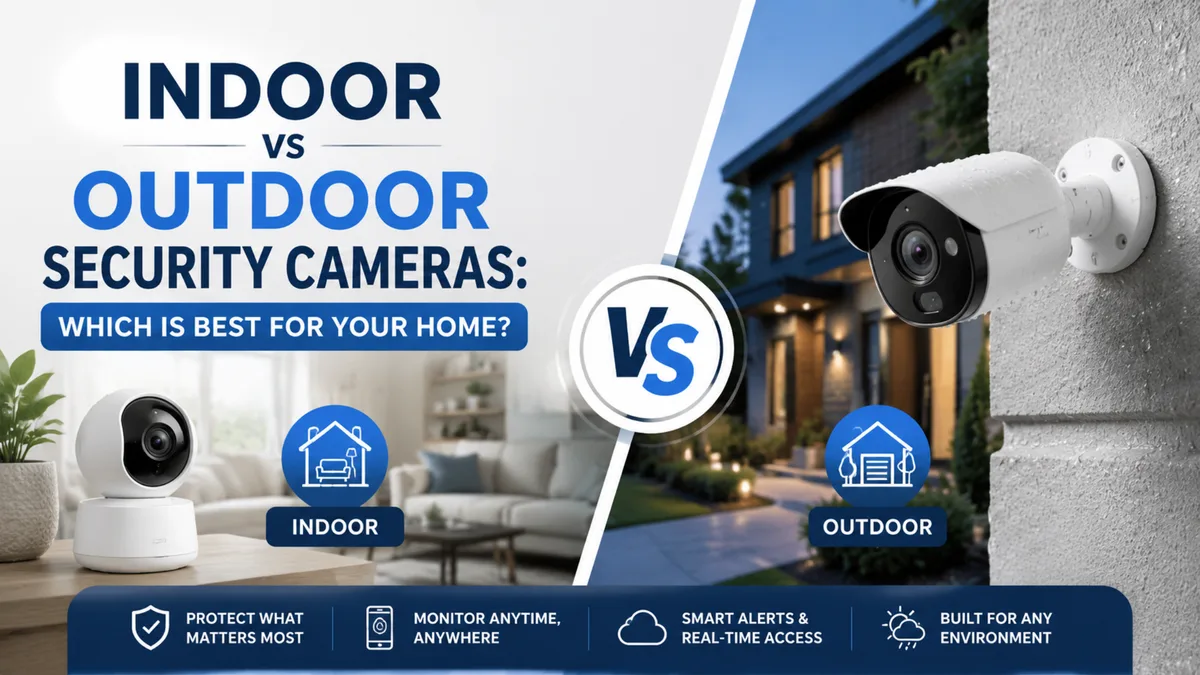
Image source: Bing (Web (fair-use with source credit))
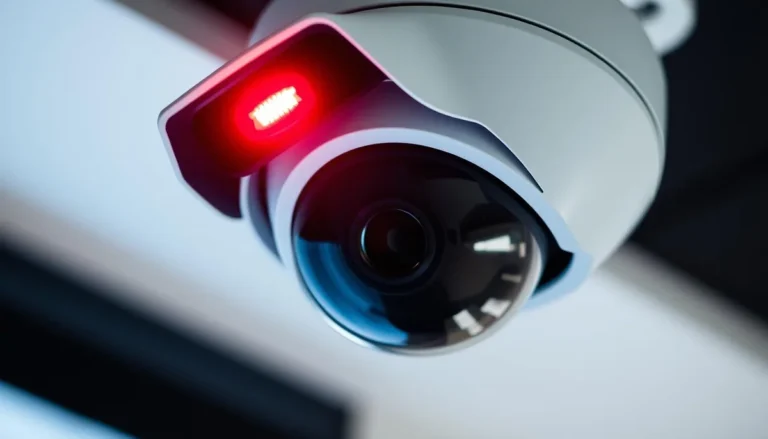
An indoor camera, on the other hand, is sheltered from these harsh realities. Its design can focus more on aesthetics, fitting seamlessly into home decor, and on features like clear two-way audio for talking to pets or family members.
Key Features of Indoor Security Cameras
Indoor security cameras are built for convenience and discrete monitoring within your home. They're typically easy to set up, often just requiring a plug and a Wi-Fi connection, making them a popular choice for renters or those new to home security. Many models boast sleek, compact designs that can blend into bookshelves, corners, or countertops without being intrusive.
A standout feature for many indoor cameras is two-way audio. This allows you to not only see and hear what's happening in a room but also to speak through the camera's speaker, whether it's to calm a pet, talk to a child, or even speak to a delivery person who arrived while you were out. Motion detection is standard, alerting you to any activity via smartphone notifications.
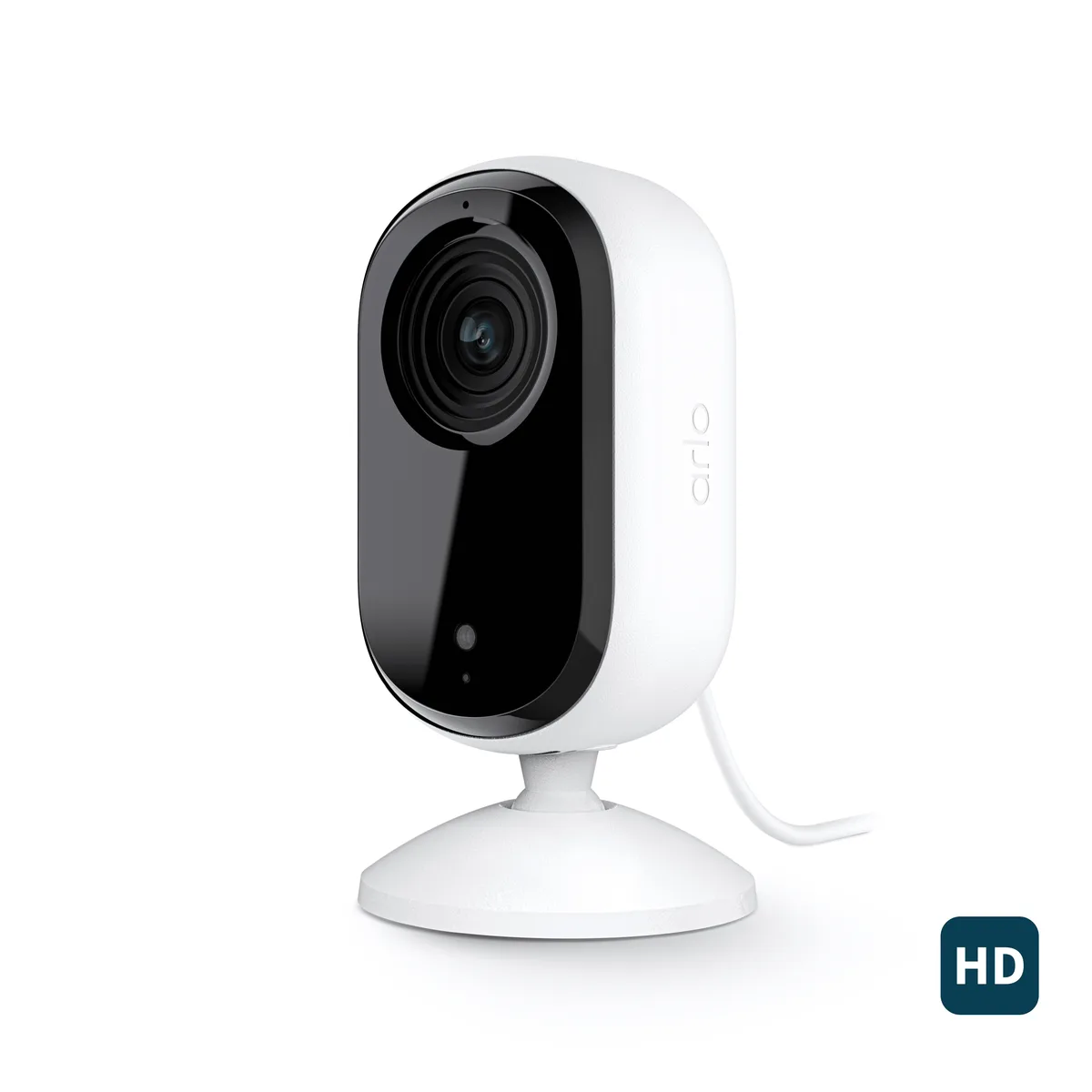
Image source: Web (Bing) / walmart.com (Web image (fair-use with source credit))
These cameras are ideal for keeping an eye on specific areas within your living space, such as living rooms, nurseries, or areas where pets tend to gather. They offer an accessible entry point into home surveillance.
When Indoor Cameras Shine: Best Use Cases
Indoor cameras are your go-to for monitoring the interior of your home, and they excel in a few key scenarios. They're fantastic for keeping tabs on pets when you're away, helping you check if your dog is bored or if your cat is getting into mischief. Many pet owners use them to talk to their animals and offer a bit of comfort from afar.
They're also a strong choice for monitoring children, especially if you have a nanny or a teenager home alone. This provides reassurance that everyone is safe and accounted for. For those concerned about package theft right at their doorstep, an indoor camera positioned near a window overlooking the porch can alert you to deliveries arriving, allowing you to retrieve them promptly.
In essence, if your primary concern is visibility inside your property, an indoor camera is the targeted solution.
Key Features of Outdoor Security Cameras
Outdoor security cameras are engineered to withstand the elements and provide robust surveillance for your property's exterior. Their primary advantage is their durable, weatherproof construction. You'll often see these cameras rated with an IP (Ingress Protection) code, such as IP66, which signifies excellent protection against dust and high-pressure water jets, meaning they can handle rain, snow, and even sprinklers without issue.
Night vision is another critical feature. Most outdoor cameras use infrared (IR) LEDs to illuminate the scene in low-light or complete darkness, often capturing images in black and white. The range and clarity of this night vision can vary significantly between models, with some capable of seeing clearly up to 100 feet.
These cameras are designed to have a wider field of view than many indoor counterparts, allowing them to cover larger areas like driveways, yards, and building perimeters.
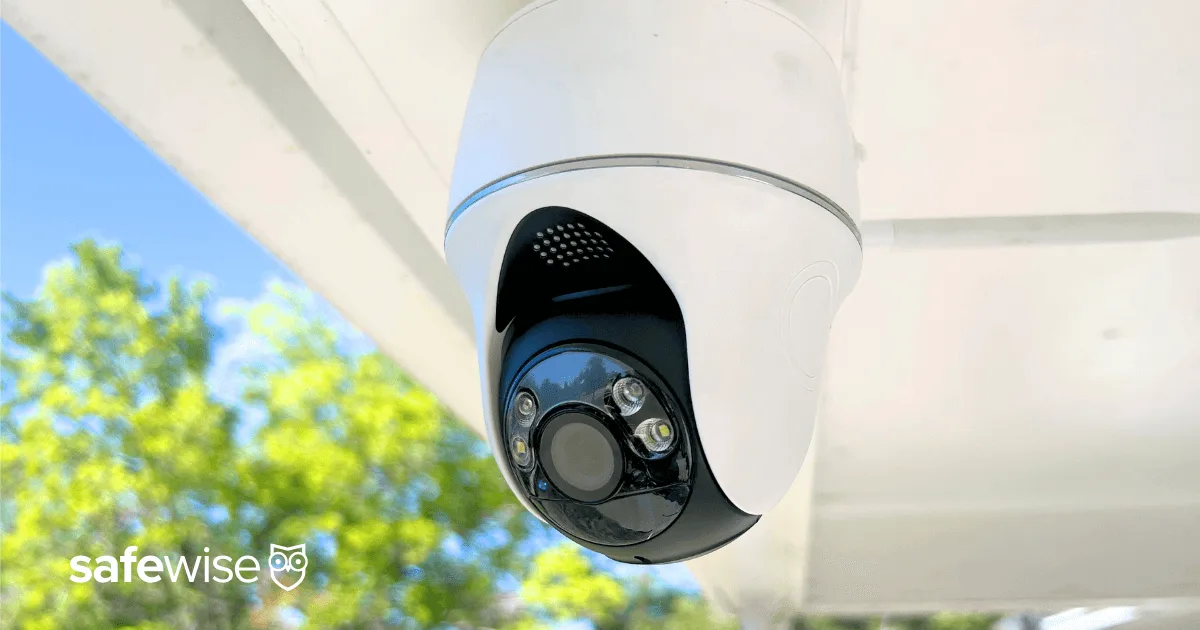
Image source: Bing (Web (fair-use with source credit))
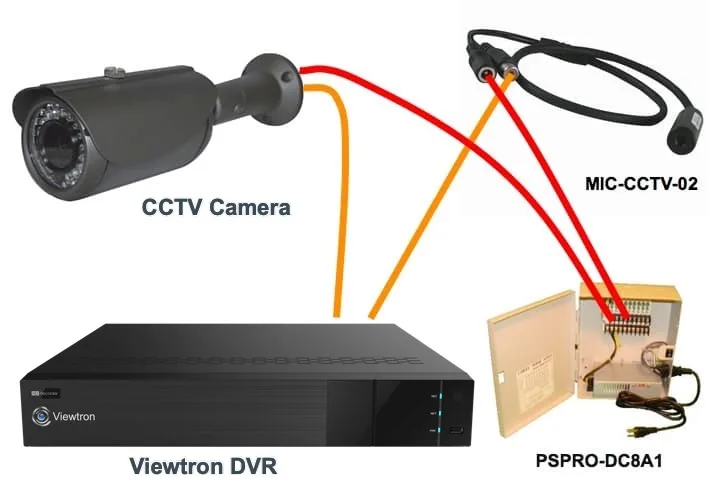
Powering these units often involves wired connections for continuous operation or battery-powered options for more flexible placement, though battery life can be a factor.
When Outdoor Cameras Are Essential: Best Use Cases
Outdoor security cameras are indispensable for safeguarding your home's perimeter. Their most vital role is deterring potential intruders, as their visible presence can make would-be burglars think twice. They are crucial for monitoring entry points such as front doors, back doors, and garage areas, providing clear visual evidence of anyone approaching your home.
Securing your yard is another key application. Whether you want to keep an eye on gates, fences, or specific areas of your property, outdoor cameras offer the coverage needed. They can also be invaluable for monitoring driveways, helping you see vehicles arriving or leaving, or even keeping an eye on parked cars.
For homeowners in areas with higher crime rates or those who travel frequently, outdoor cameras provide an essential layer of security and peace of mind, acting as your property's first line of defense.
Direct Comparison: Indoor vs. Outdoor Camera Capabilities
When you're deciding between an indoor and an outdoor security camera, think of it like choosing between an umbrella and a raincoat. Both protect you from the weather, but in very different ways and with different levels of robustness.
Indoor cameras are designed for shelter. They typically have a sleeker, more compact design, often prioritizing aesthetics to blend in with home decor. Features like crisp two-way audio are common, allowing you to communicate easily with pets or family members.
They are simple to set up, usually just requiring a power source and a Wi-Fi connection, and are perfect for monitoring specific rooms like a nursery or a pet's favorite spot.
Outdoor cameras, however, are built for battle. Their main selling point is rugged, weatherproof construction, often carrying IP ratings like IP66 to signify their resistance to dust and water. This means they can handle rain, snow, and extreme temperatures without breaking a sweat.
Night vision is usually more powerful and extended than on indoor models, crucial for dark nights. While they might have a more utilitarian look, their wider fields of view are designed to cover larger areas, offering a broader protective sweep of your property.
Common Mistakes When Choosing Cameras
One of the biggest mistakes people make is using an indoor camera outdoors. It might seem like a simple hack, but these cameras aren't built to withstand moisture, temperature fluctuations, or direct sun. Exposure to the elements can quickly damage internal components, leading to failure and loss of footage.
Manufacturer specifications clearly state their intended use, and attempting to use an indoor camera outside will void warranties and likely result in a broken device.
Another common pitfall is overlooking power requirements. Battery-powered outdoor cameras offer placement flexibility but require regular recharging or battery replacement, which can be inconvenient, especially in hard-to-reach locations. Wired cameras offer continuous power but require more complex installation.
Forgetting to consider the specific environment you're placing the camera in, for instance, not opting for a camera with sufficient night vision for a dark backyard, can also render it less effective. Ensuring your camera has an appropriate IP rating for outdoor use is non-negotiable for long-term reliability.
Expert Tips for Maximizing Your Security Camera Investment
Choosing the right camera is just the first step. To really get the most out of your indoor or outdoor security cameras, a few smart practices can make a big difference. Think about placement and ongoing maintenance, these are often overlooked but crucial for reliable performance.
For instance, aim to position outdoor cameras where they have a clear line of sight, avoiding obstructions that could block the view or create blind spots.
Also, consider the power source. For battery-powered outdoor cameras, factor in a regular schedule for checking and charging batteries, perhaps quarterly, to ensure continuous coverage. Manufacturer specifications often detail expected battery life under typical usage conditions, which can vary greatly with motion detection frequency and recording length.
This proactive approach prevents unexpected outages right when you might need footage most.
What's the Best Placement for an Outdoor Camera?
The ideal placement for an outdoor camera focuses on maximizing its protective coverage while minimizing potential vulnerabilities. Position cameras at key entry points like front doors, back doors, and garage doors, typically 7 to 10 feet off the ground. This height is high enough to deter tampering but low enough to capture clear facial details.
Avoid pointing cameras directly into bright sunlight, as this can wash out the image and impact recording quality.
Consider the field of view when placing your camera. A wider angle lens can cover more ground from a single position, reducing the number of cameras needed. For instance, a camera with a 130-degree field of view can monitor a substantial portion of a driveway or yard.
Also, think about lighting conditions. If an area is poorly lit, ensure your chosen outdoor camera has robust night vision capabilities, often rated for specific distances (e.g., up to 100 feet), to capture usable footage after dark.
Frequently Asked Questions About Indoor vs. Outdoor Cameras
Can I use an indoor camera outside?
No, you absolutely should not use an indoor camera outdoors. These cameras lack the necessary weatherproofing and temperature resistance to survive exposure to rain, humidity, extreme heat, or cold. Using one outside will likely cause it to fail quickly and void any warranty.
Do outdoor cameras need Wi-Fi?
Yes, most modern outdoor security cameras require a Wi-Fi connection to transmit footage to your smartphone or cloud storage. Some advanced systems may use a wired Ethernet connection for greater stability, and certain older or specialized models might use cellular data, but Wi-Fi is the most common standard.
How long do outdoor camera batteries last?
Battery life for outdoor cameras varies significantly by model and usage. Factors like temperature, how often motion is detected, and the duration of recorded events all impact battery longevity. Some cameras might last a few weeks, while others, with optimized settings and less frequent activity, can last several months on a single charge.
What does an IP rating mean for cameras?
An IP rating, like IP66, indicates a camera's level of protection against solid objects (like dust) and liquids (like water). The first digit refers to solid particle protection, and the second refers to liquid ingress protection. A rating of IP66 means the camera is dust-tight and protected against powerful water jets, making it suitable for most outdoor environments.
Do I need a subscription for security cameras?
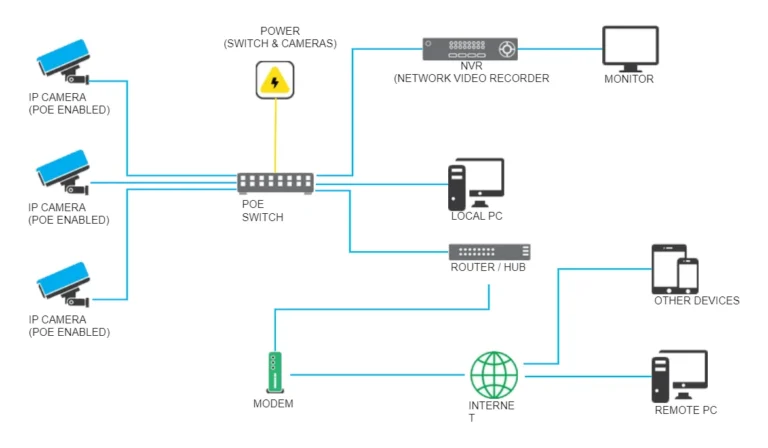
Many security cameras offer optional subscription services for cloud storage of recorded footage, advanced AI detection features, or extended warranty periods. Some cameras work perfectly well without a subscription, storing footage locally on an SD card or through a home network video recorder (NVR). It's essential to check the specific camera's features and associated costs.