What Is Infrared CCTV?
Ever been frustrated by security cameras that go blind as soon as the sun sets? If you've ever wished your security system could see through the dark, you're not alone. Infrared (IR) CCTV is the technology designed to do just that, offering a way to monitor your property even when visibility is at its absolute worst.
This system works by detecting heat, not visible light. As of 2026, advancements in IR detection mean these cameras can reveal details invisible to the naked eye. Let's break down how this specialized surveillance works and what it can (and can't) do for you.
Quick Answer
Infrared CCTV uses specialized sensors to detect heat radiated by objects. This allows security cameras to produce clear images in complete darkness or low-light conditions where traditional cameras fail. IR cameras visualize temperature differences as shades of gray, making warm objects appear brighter.
Why Seeing Heat is a Game-Changer for Security
Traditional security cameras rely on visible light to capture images, much like our own eyes do. This works fine during the day, but when night falls, or in conditions like heavy fog or smoke, these cameras struggle to provide useful footage. That's where infrared CCTV steps in.
It operates on a fundamentally different principle: detecting infrared radiation, which is essentially heat energy. All objects with a temperature above absolute zero emit this radiation, meaning even in pitch blackness, living beings, running engines, or active machinery will stand out. This capability dramatically expands the effectiveness of surveillance systems around the clock and in challenging environments.
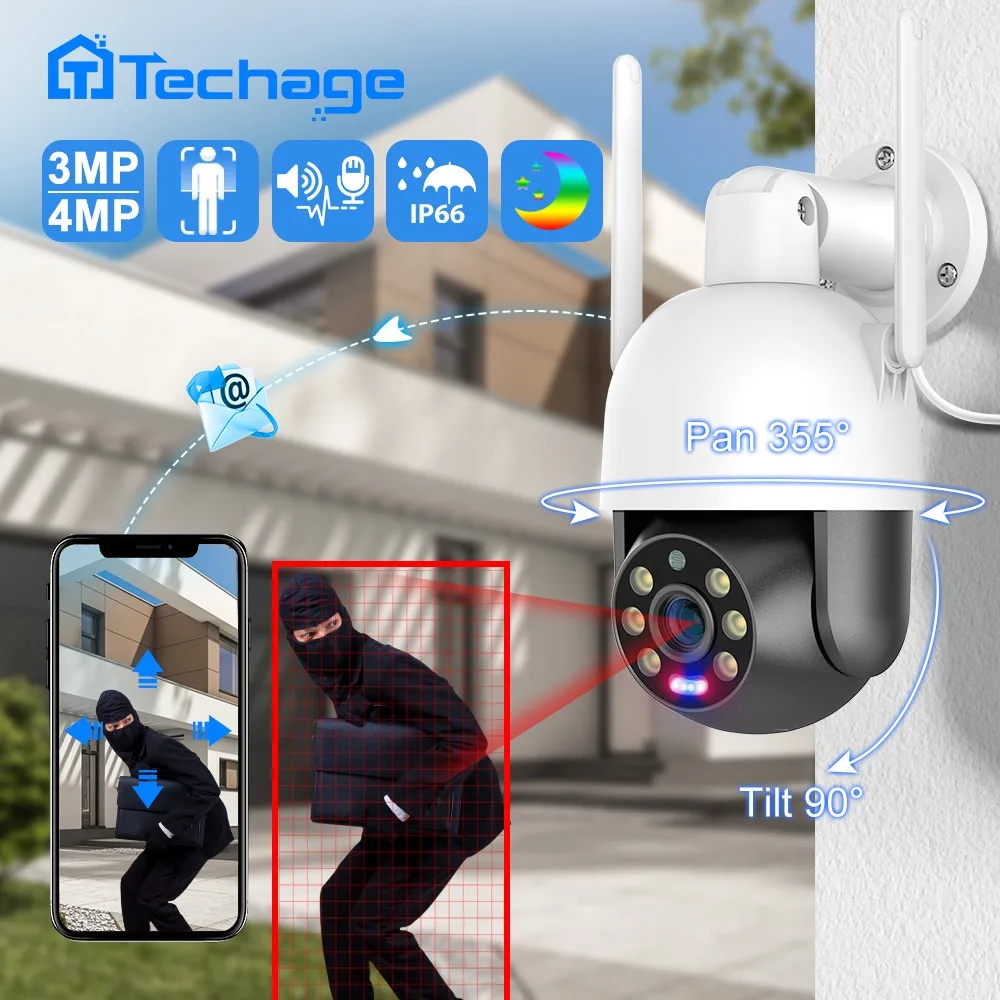
Image source: Bing (Web (fair-use with source credit))
How Infrared CCTV Captures the Night
The core of infrared CCTV technology lies in its ability to perceive heat signatures. Instead of relying on ambient light, these cameras are equipped with specialized sensors capable of detecting infrared radiation. These sensors convert the invisible heat energy emitted by objects into a visual representation.
Manufacturers often specify that their IR cameras can detect radiation within specific wavelengths, typically between 8 to 14 micrometers, which aligns with the thermal emissions of objects at ambient temperatures.
- Temperature Contrast is Key: The system relies on differences in temperature. A warm object, like a human body, will appear brighter in the image than a cooler object, such as a brick wall.
- IR Illuminators: Many IR CCTV cameras also include built-in infrared LEDs. These emit IR light that is invisible to humans but illuminates the scene for the camera's sensor. This is particularly useful for shorter-range applications, ensuring consistent "illumination" for the camera's detection capabilities.
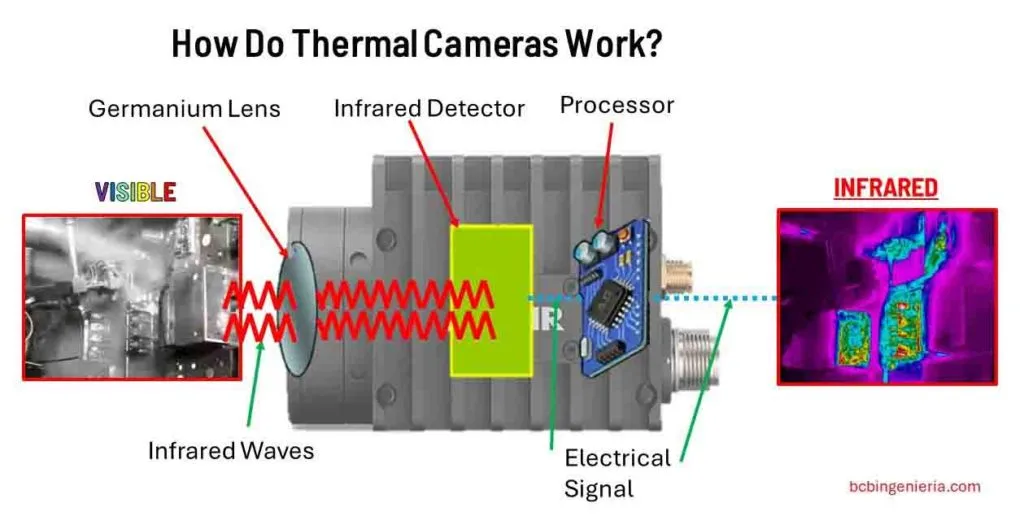
Image source: Web (Bing) / hanmatek.com (Web image (fair-use with source credit))
What Does Infrared Footage Actually Look Like?
Because infrared CCTV detects heat rather than visible light, the resulting images look quite different from what you're used to. Forget colorful, high-definition video; IR footage typically appears in grayscale or black and white. The way an object is rendered depends entirely on its temperature relative to its surroundings.
- Hotter = Brighter: Objects that are significantly warmer than the background will show up as bright white or light gray shapes. This makes it easy to spot people or animals in a cooler environment.
- Cooler = Darker: Conversely, cooler objects will appear as darker shades of gray or black.
- Detail Levels: While effective for identifying presence and movement, fine details like facial features or specific clothing patterns can be harder to discern compared to visible-light cameras, especially if the temperature difference is minimal.
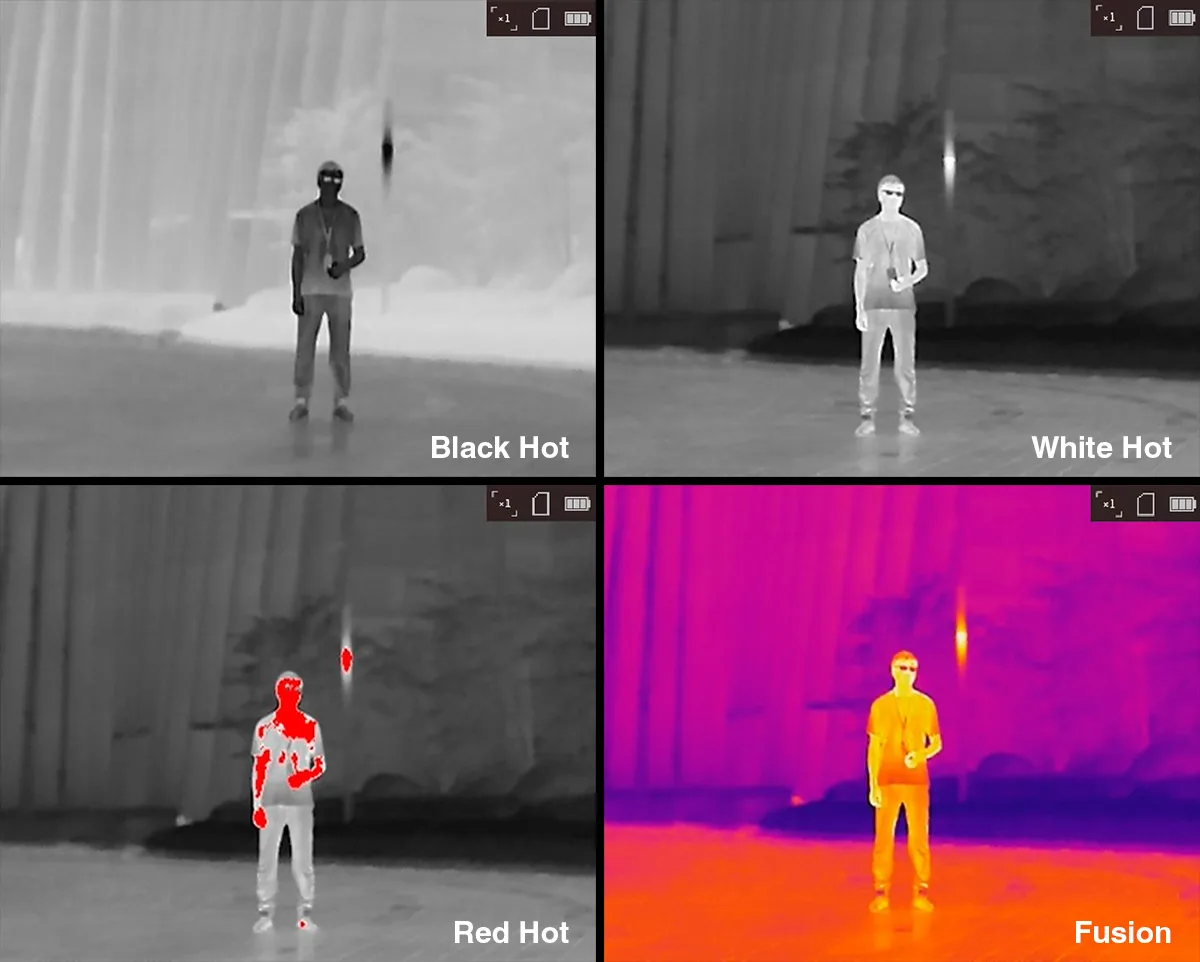
Image source: Web (Bing) / atncorp.com (Web image (fair-use with source credit))
Infrared CCTV: The Good and The Not-So-Good
Like any technology, infrared CCTV has its advantages and disadvantages, and understanding these will help you decide if it's the right fit for your needs. Aggregate reviews and manufacturer specifications highlight its strengths in specific scenarios, but also point out its limitations.
The Upside (Pros)
- Unmatched Night Vision: Its primary strength is providing clear visibility in absolute darkness, making it invaluable for round-the-clock security.
- Penetrates Obscuring Conditions: IR can often see through smoke, fog, dust, and even light rain, which would render traditional cameras useless. This is because it's detecting heat emissions, not light that can be scattered by particles.
- Consistent Illumination: Built-in IR illuminators ensure the camera has a stable "light" source for detection, regardless of ambient conditions.
The Downside (Cons)
- Loss of Color Information: The black-and-white output means you lose the ability to identify colors, which can be crucial for detailed identification.
- Image Quality Variation: The clarity and contrast of the image are heavily dependent on the temperature differences between objects and their environment. In very uniform temperature settings, detail can be reduced.
- Potential for False Positives: If there are significant heat sources that aren't threats (like a hot exhaust pipe on a parked car in a no-parking zone), they can create strong visual signatures that might need further investigation.
- Range Limitations: While high-end models offer impressive ranges, many consumer-grade IR cameras are most effective at shorter to medium distances.
When Infrared CCTV Shines: Real-World Uses
Infrared CCTV isn't just a theoretical concept; it's actively used in various situations where standard cameras fall short. Its ability to operate effectively in challenging conditions makes it a vital tool across different sectors. These applications often benefit from the consistent performance IR offers when light is absent or obscured.
- Residential and Commercial Security: For obvious reasons, home and business owners use IR cameras to monitor property boundaries, entry points, and vulnerable areas at night, providing an extra layer of security against intrusion.
- Industrial Environments: Factories, processing plants, or construction sites often deal with dust, steam, or smoke. IR cameras can cut through these elements to monitor activity or detect potential hazards, offering better situational awareness than standard cameras.
- Wildlife and Environmental Monitoring: Researchers and conservationists use IR cameras to observe animal behavior without disturbing them, as the camera's presence is undetectable in darkness. They are also critical for early fire detection in forests, spotting heat signatures before flames are visible.
- Search and Rescue Operations: In disaster zones or wilderness searches, IR cameras can help locate individuals by detecting their body heat, even if they are hidden by debris, smoke, or darkness. This capability is invaluable for saving lives.
The choice between IR and traditional CCTV often comes down to the specific environment and the primary security concerns. For instance, if your main worry is a break-in at 3 AM, IR provides a far more reliable view than a camera that needs at least some moonlight to function.