Can CCTV Cameras Work Without Electricity?
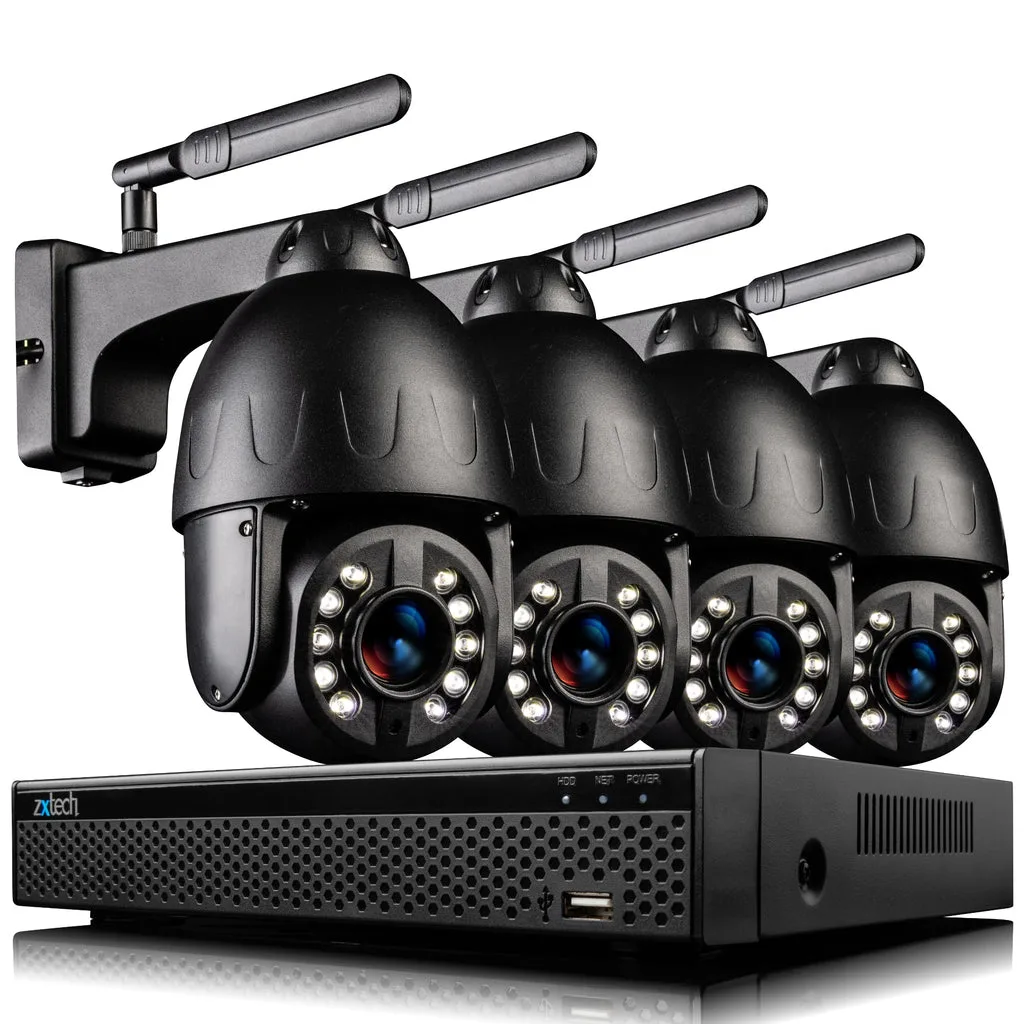
Image source: Web (Bing) / zxtech.co (Web image (fair-use with source credit))
Can CCTV Cameras Work Without Electricity?
When you're setting up security, it's natural to wonder about power. Can CCTV cameras work without electricity? The short answer is yes, but not without some form of electrical energy.
What we usually mean is "without being plugged directly into your home's mains power outlet."
This distinction is key because cameras still need power to operate, whether that's from a battery, solar panel, or a backup system. In our research, we found that as of 2026, solutions for off-grid camera power are more robust than ever. Let's break down how cameras can keep recording when traditional power isn't an option.
Quick Answer
Yes, CCTV cameras can function without a direct mains electricity connection by using alternative power sources like batteries or solar energy. These systems still require electrical energy to operate but are designed for independent power. Mains-powered cameras can also work without electricity during an outage if connected to an Uninterruptible Power Supply (UPS) or a generator.
When Does "Without Electricity" Really Mean?
When folks ask if CCTV cameras can work without electricity, they're usually thinking about places where a standard wall socket isn't available or reliable. It's less about the camera magically working with no power at all, and more about its independence from the constant grid.
Mains Power: The Default Setup
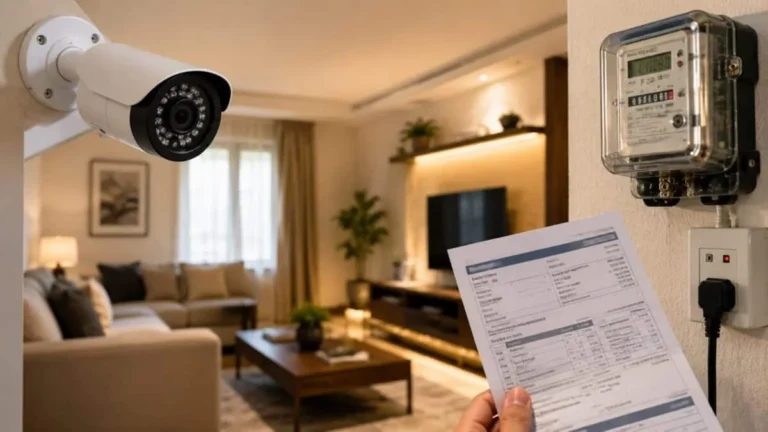
Most of the security cameras you'll encounter are designed to plug into a standard electrical outlet. This provides a consistent power supply for all their functions, from recording video to powering infrared LEDs for night vision. If your electricity goes out, these cameras stop working unless you have a specific backup in place.
What "Without Electricity" Actually Entails
This phrase typically refers to systems that don't rely on a constant connection to your home's wiring. Think of battery-powered cameras that run on internal rechargeable cells or solar-powered units that use sunlight to keep their batteries topped up. These are often wireless, offering more placement flexibility, but they still consume electrical energy to function.
Powering Cameras When the Grid's Down
Even if your primary cameras are wired into mains power, you're not entirely out of options when the electricity cuts out. There are ways to keep your surveillance system running.
Uninterruptible Power Supplies (UPS) for Backup
An Uninterruptible Power Supply, or UPS, is essentially a battery backup system. It sits between your camera (or your entire security system) and the wall outlet. When the mains power fails, the UPS instantly switches to its internal battery, providing a temporary power source.
This can keep your cameras recording for minutes or even hours, depending on the UPS capacity and how many devices it's powering. It's a crucial piece of kit if you can't afford any downtime.
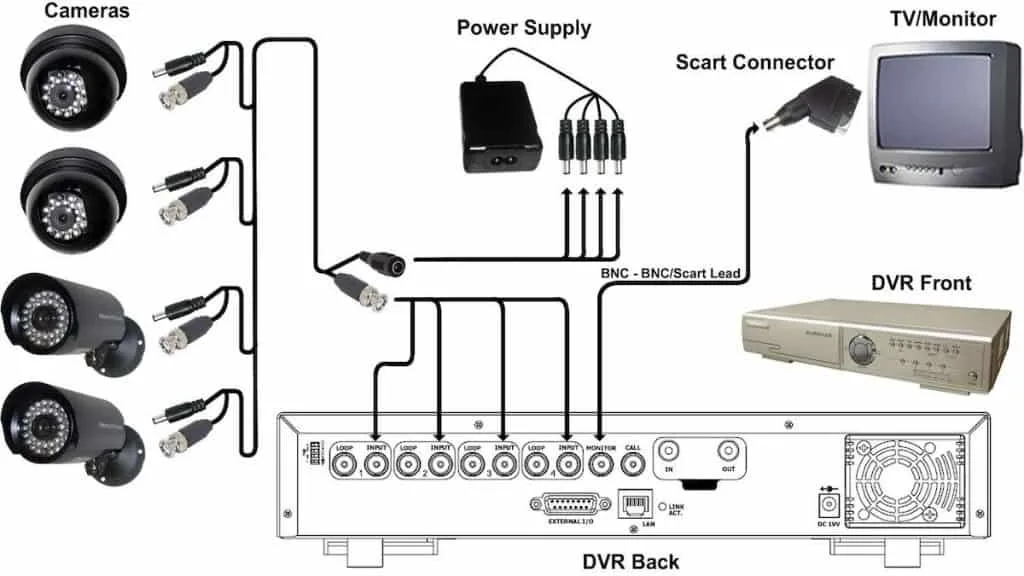
Image source: Bing (Web (fair-use with source credit))
Manufacturer specifications indicate that a typical UPS can provide anywhere from 5 to 30 minutes of runtime for a small set of electronics, with larger units offering significantly more. For longer outages, a UPS buys you time.
Generators: The Heavy-Duty Solution
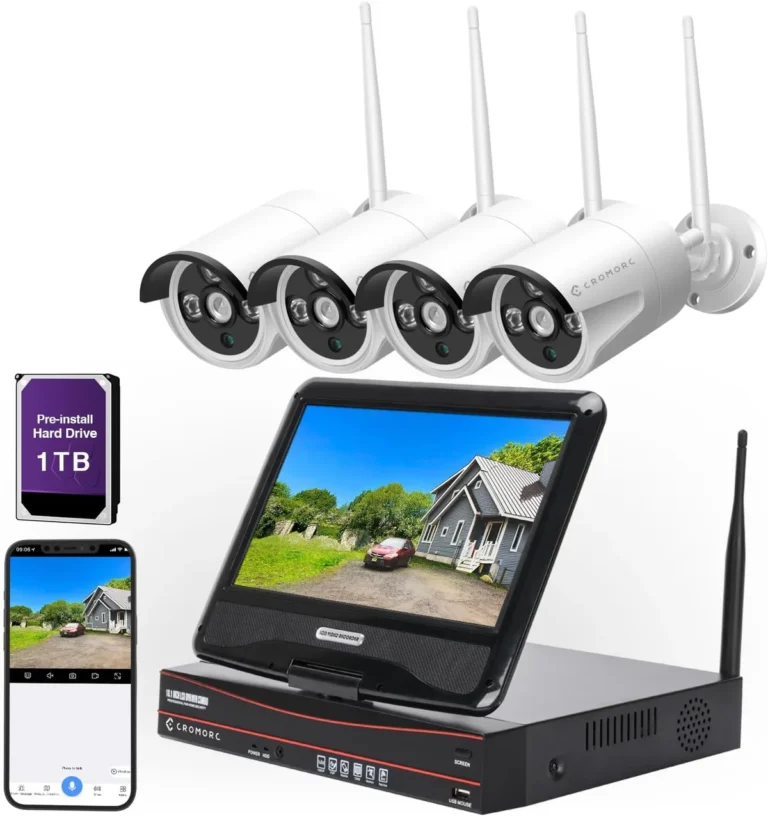
For extended power interruptions, a generator is the more robust choice. Generators produce electricity by burning fuel, and they can power entire homes or critical systems, including your CCTV setup. You'd connect your cameras, DVR, or NVR to the generator.
This is a more involved solution, requiring fuel management and maintenance, but it provides a long-term power source when the grid is down for an extended period.
Independent Power for Your CCTV System
Beyond backing up mains-powered systems, there are cameras designed from the ground up to operate without being tethered to an outlet. These are perfect for remote locations or areas where running power cables is difficult or impossible.
Battery-Powered Cameras: Flexibility on the Go
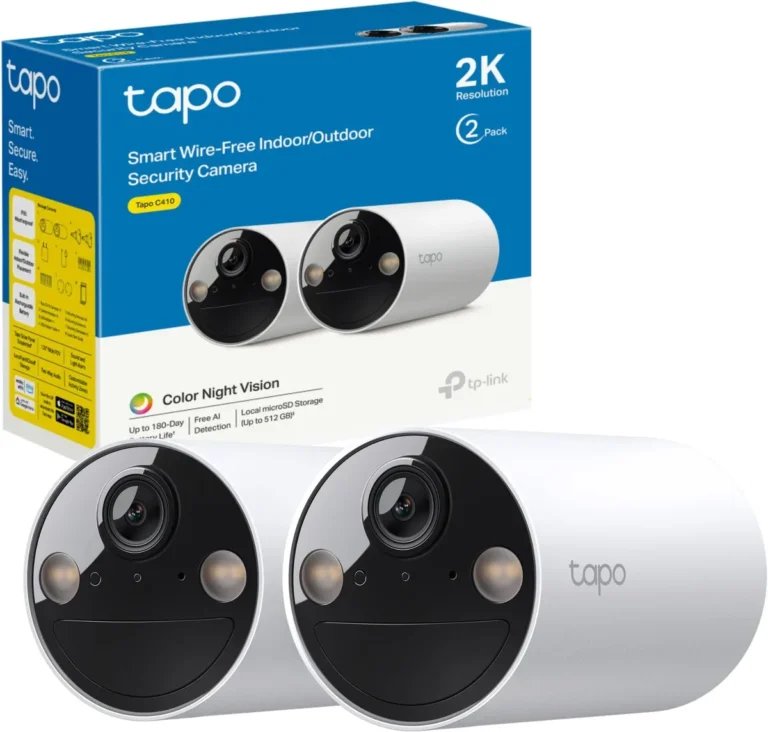
Battery-powered cameras are incredibly popular for their ease of installation. They run on rechargeable batteries, which can be swapped out or recharged when depleted. Many of these cameras are designed to be energy-efficient, often using motion-activated recording.
This means they remain in a low-power standby mode until they detect movement, at which point they wake up to record.
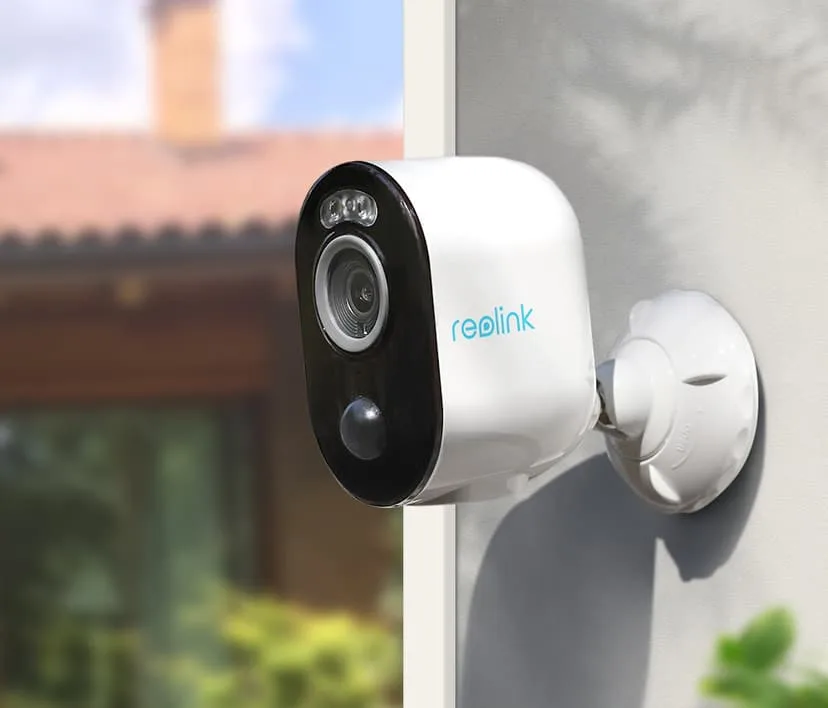
Image source: Bing (Web (fair-use with source credit))
Aggregate reviews show that battery life can range from a few weeks to several months, depending heavily on usage (how often motion is detected) and features like resolution and night vision capabilities. For example, a camera with frequent motion events might need a recharge every 4-6 weeks, while one with infrequent activity could last 3-4 months.
Solar-Powered Cameras: Harnessing the Sun
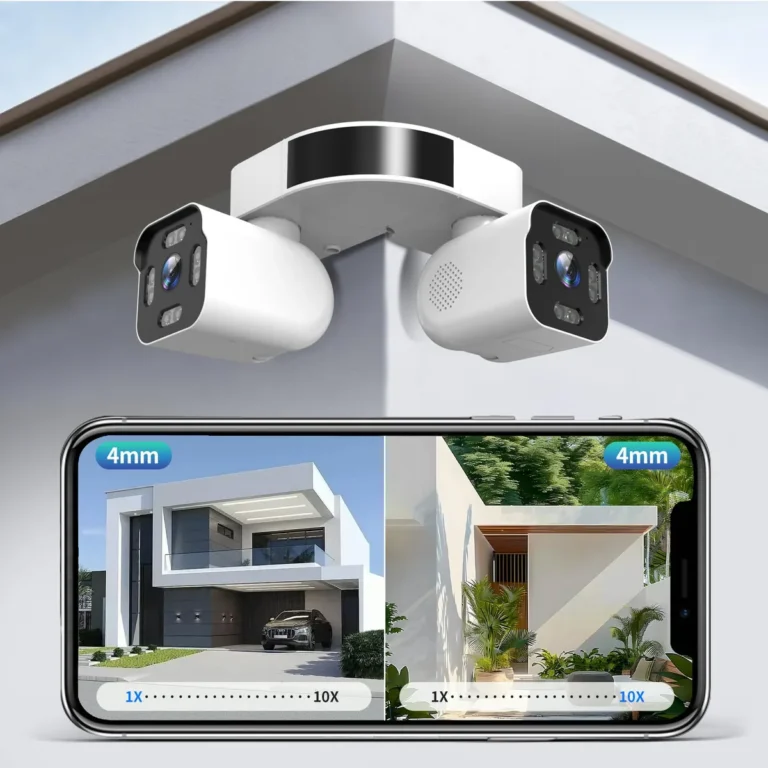
Solar-powered cameras take the concept of battery independence a step further by integrating a solar panel. This panel is designed to capture sunlight and convert it into electrical energy, which then charges the camera's internal battery. In areas with consistent, direct sunlight, these cameras can operate almost perpetually without needing manual recharging.
They are an excellent eco-friendly option and ideal for locations where access for maintenance is challenging.
The effectiveness of solar-powered cameras is directly tied to their environment. A camera positioned to receive at least 6, 8 hours of direct sunlight daily will perform optimally. In regions with limited daylight, frequent cloud cover, or significant shade from trees or buildings, the battery may not recharge sufficiently, necessitating manual charging.
Choosing the Right Power Solution: A Decision Guide
Deciding how to power your CCTV cameras when mains electricity isn't ideal involves looking at your specific situation and needs. It's not a one-size-fits-all answer, and understanding the variables will lead you to the best setup.
How to Assess Your Needs
First, consider where you need coverage and what challenges that location presents. Are you trying to monitor a remote shed, a garden gate far from the house, or a specific area during a storm? Think about the availability of power, the typical weather conditions (especially sunlight for solar), and how often you can physically access the camera for maintenance.
For instance, a camera at the end of a long driveway might benefit from battery power for flexibility, while a spot that gets consistent sun could be ideal for a solar unit.
When to Pick Battery vs. Solar
Battery-powered cameras offer supreme flexibility. You can place them almost anywhere, and their rechargeable nature means you can top them up when needed. They're great for temporary setups or areas where consistent sunlight isn't guaranteed.
Solar-powered cameras are more of a set-it-and-forget-it solution, but they depend heavily on sunlight. If your chosen spot is consistently sunny throughout the day, a solar camera can provide long-term, low-maintenance operation. However, if your location experiences frequent cloudy days or heavy shade, you might find yourself manually charging the battery more often than you'd like.
When Mains Power with Backup is Best
For critical areas, like the primary entry points of your home or business, mains power combined with a UPS is often the most reliable choice. This setup ensures continuous operation even during short or medium power outages. While it requires access to an electrical outlet, the addition of a UPS mitigates the risk of downtime.
If very long outages are a significant concern, integrating a generator into your power plan provides an even more robust solution. This approach offers the highest level of security for vital surveillance needs.
Common Pitfalls to Avoid
When setting up cameras that operate without direct mains power, there are a few common missteps that can lead to frustration and gaps in your security coverage. Being aware of these pitfalls can save you a lot of trouble down the line.
Underestimating Battery Drain
Many users underestimate how quickly batteries can drain, especially in demanding conditions. Factors like frequent motion detection, high-resolution recording, and the use of night vision all consume more power. Aggregates of user feedback indicate that cameras in busy areas may require recharging every 4-6 weeks, contrary to expectations of several months.
Always check the manufacturer’s stated battery life and consider your specific environment's activity level.
Misplacing Solar Panels
The effectiveness of a solar-powered camera hinges entirely on its solar panel's exposure to sunlight. Placing the panel in a location that receives less than 6, 8 hours of direct sunlight daily is a common mistake. Trees, buildings, or even overhangs can cast shadows that significantly reduce charging efficiency.
Always ensure the panel has a clear, unobstructed view of the sun for most of the day, particularly during peak sunlight hours.
Over-Reliance on UPS Capacity
While a UPS is excellent for bridging short power outages, relying on it for extended periods without understanding its limitations can be a problem. A typical UPS might only provide 5 to 30 minutes of power for a security camera system, not hours or days. Users sometimes expect longer runtimes than the UPS is designed for.
Always check the UPS specifications for its rated runtime under load and consider your local power outage frequency and duration.
Maintaining Your Off-Grid CCTV
Keeping your battery or solar-powered CCTV system running smoothly requires a bit of ongoing care. This isn't a set-it-and-forget-it solution for every scenario, and a little maintenance goes a long way.
Battery Care and Replacement
Rechargeable batteries have a finite lifespan. Over time, their capacity to hold a charge diminishes. Manufacturer specifications for typical lithium-ion batteries used in security cameras suggest a lifespan of 2-3 years or a certain number of charge cycles, whichever comes first.
You'll notice batteries need recharging more frequently as they age. When a battery consistently fails to hold a charge for an acceptable duration, it's time for replacement.
For optimal battery health, avoid extreme temperatures, as both excessive heat and cold can degrade performance and shorten lifespan. Always use the manufacturer-approved charger to avoid damage. If you plan on long periods of inactivity, store batteries at around 50% charge.
Solar Panel Upkeep
Solar panels for CCTV cameras are generally low-maintenance, but a little cleaning can boost their efficiency. Dust, dirt, bird droppings, or pollen can accumulate on the panel's surface, blocking sunlight and reducing its ability to generate power. A soft, damp cloth is usually sufficient for cleaning.
Do this every few months, or more often if you notice a significant drop in performance.
Check the panel's connection to the camera and ensure it remains secure. Physical damage, like cracks, can impact performance and should be addressed by replacing the panel if necessary. Ensure there are no new obstructions, like growing tree branches, that might be shading the panel.
Frequently Asked Questions
### Can I use a standard power bank for a CCTV camera?
Generally, no. Standard power banks are designed for consumer electronics like phones and tablets and may not provide the correct voltage or amperage required by CCTV cameras. Additionally, they often lack the continuous power delivery needed for recording.
Always check your camera's power requirements and use compatible power sources, such as dedicated camera batteries or UPS systems.
### How do I know if my solar camera is charging properly?
Most solar-powered CCTV cameras have an indicator light or an app notification that shows charging status. Look for an icon that signifies charging when the panel is exposed to sunlight. If you don't see this indicator, or if the battery level continues to drop despite daylight, check the panel's placement for obstructions and ensure it's clean.
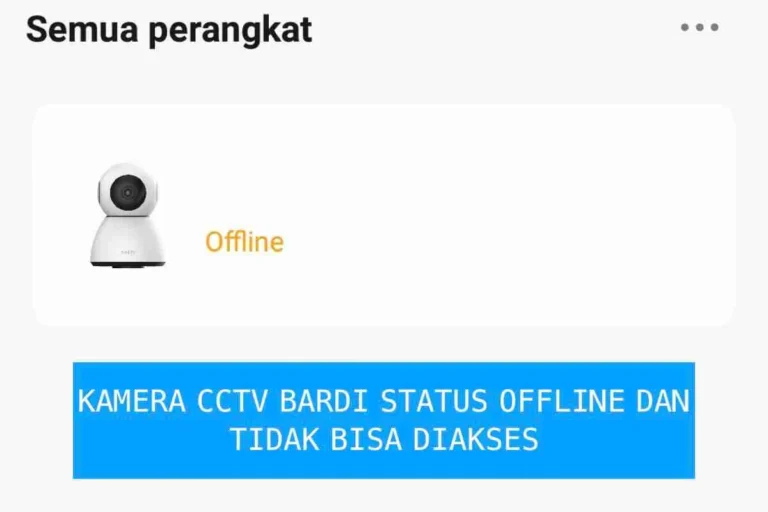
### Will my Wi-Fi camera work without electricity?
A Wi-Fi camera itself requires power to operate, just like any other electronic device. If the Wi-Fi router loses power, the camera will lose its network connection. However, if you have a battery-powered or solar-powered Wi-Fi camera, it can continue to record and connect to your network as long as its local power source is active, even if your home internet goes down due to a power outage.
### How long can a CCTV camera run on a UPS?
The runtime of a CCTV camera on a UPS varies significantly based on the UPS capacity (measured in VA or Watt-hours) and the camera's power consumption. A small UPS might power a single camera for 15-30 minutes, while a larger, higher-capacity UPS could sustain a multi-camera system for several hours. Always consult the UPS manufacturer's specifications and your camera's power draw to estimate runtime.
### Is it legal to use solar-powered cameras for security?
Yes, using solar-powered cameras for security is generally legal, similar to any other type of CCTV system. However, you must still comply with local laws regarding privacy, surveillance, and data recording, especially concerning audio recording and the placement of cameras that might capture public areas or neighbouring properties. Always check your local regulations regarding CCTV use.