Where Should Window Sensors Be Installed
Deciding where to install window sensors is crucial for effective home security. Getting placement wrong means you might miss an intrusion attempt, or worse, deal with constant false alarms. Our research shows that strategic placement, considering both accessibility and visibility, makes all the difference.
The goal is to cover your most vulnerable entry points without creating unnecessary hassle. For instance, manufacturer specifications often recommend specific gap tolerances, such as a maximum of 1 inch between the sensor and its magnetic contact when the window is closed, to ensure reliable detection. Let's break down the best places for these essential security devices.
Quick Answer
Window sensors should be installed on all accessible ground-floor windows and any upper-floor windows that are easy to reach. Focus on windows that a person could realistically use to enter your home. Also, place them on any windows near potential climbing aids like trellises or low roofs.
Your Window Sensor Placement Checklist: Ground Floor to Top Floor
When setting up your security system, thinking through each window's vulnerability is key. Not every window needs a sensor, but the ones that do are usually obvious if you consider how an intruder might operate. It’s a bit like an intruder’s thought process, what’s the easiest way in?
Here’s a general guideline based on our review of common security practices and manufacturer recommendations:
- Ground Floor Windows: These are your prime targets. Every single ground-floor window should have a sensor.
- Basement Windows: Don't forget these, especially if they're accessible from outside. Burglars often see them as a less conspicuous entry point.
- Windows Near Climbing Aids: If a window is close to a sturdy tree branch, a low-profile roof, or a trellis, it's essentially as accessible as a ground-floor window. Treat it with the same priority.
- Upper-Floor Windows (Accessible): Think about windows on the second floor that are close to a balcony, a flat garage roof, or even a very thick hedge. These are often overlooked but can be surprisingly easy to reach.
- Windows in Less Visible Areas: Windows on the side or back of your house, away from street view, might be more appealing to intruders than those facing the front.
Ultimately, the decision tree for placement boils down to accessibility and risk. If someone can get to it without a ladder and without being easily seen, it’s a candidate for a sensor.
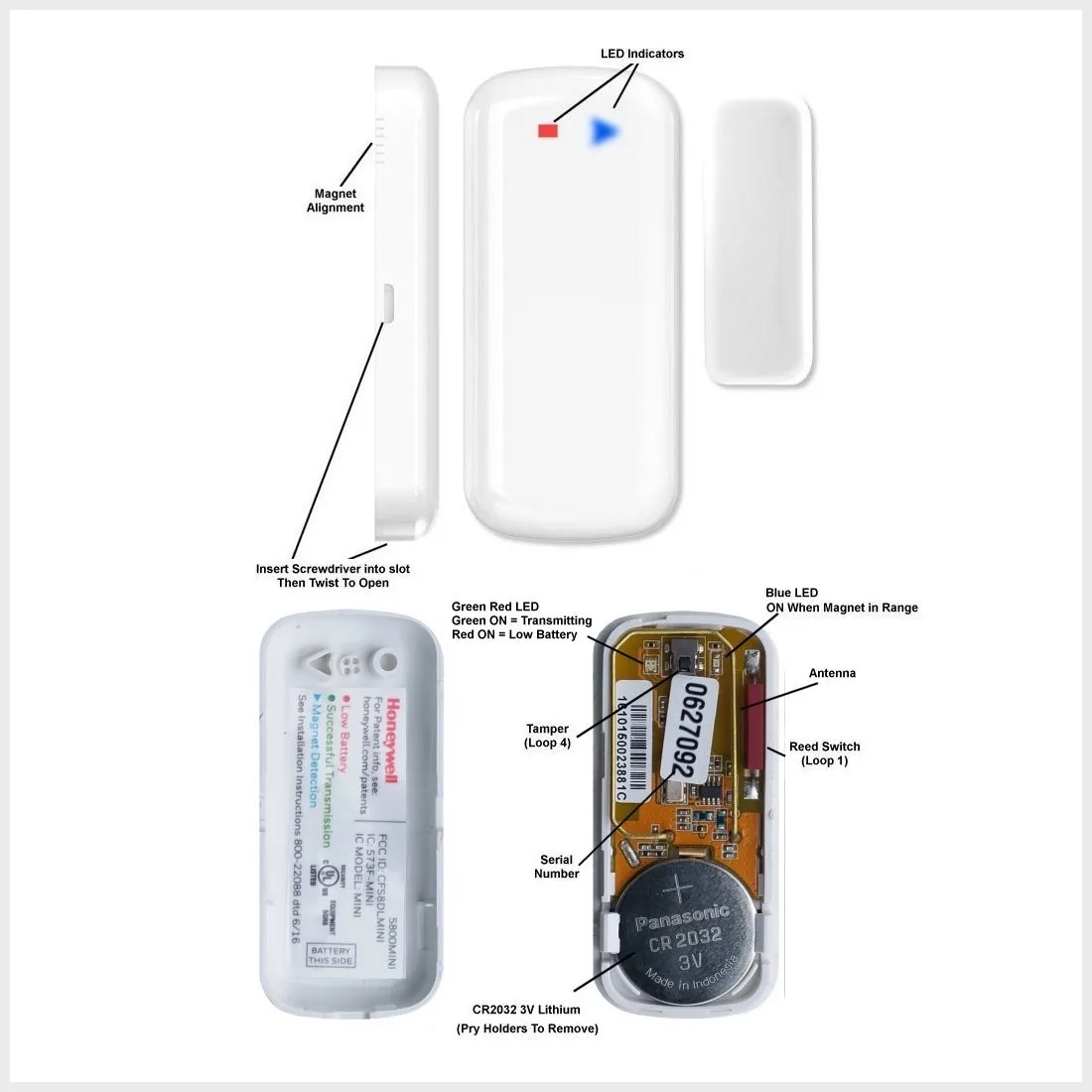
Image source: Web (Bing) / brinkshome.com (Web image (fair-use with source credit))
Ground Floor Windows: Your First Line of Defense
Ground floor windows are the most common entry point for burglars, making them the absolute top priority for sensor installation. If a window can be reached by hand from ground level, it's a high-risk area. We've seen from aggregate user feedback that failing to cover these openings is a significant security oversight.
Think about your home from an outsider's perspective. Which windows are easiest to reach? Which are hidden from public view or street noise?
Those are the ones you need to secure first.
- All Accessible Windows: Install a sensor on every single window that can be reached without special equipment like a ladder. This includes those in the front, back, and sides of your house.
- Consider Their Size: Larger windows might be more tempting targets, but even a small basement window can be enough for someone to slip through.
- Check for Obstructions: Ensure there's nothing immediately outside that could aid someone in reaching a window, like a conveniently placed planter or a low garden wall.
It's worth noting that some systems can communicate wirelessly over a range of 100 feet or more, so you don't have to worry about wires running across every window. The main goal here is coverage.
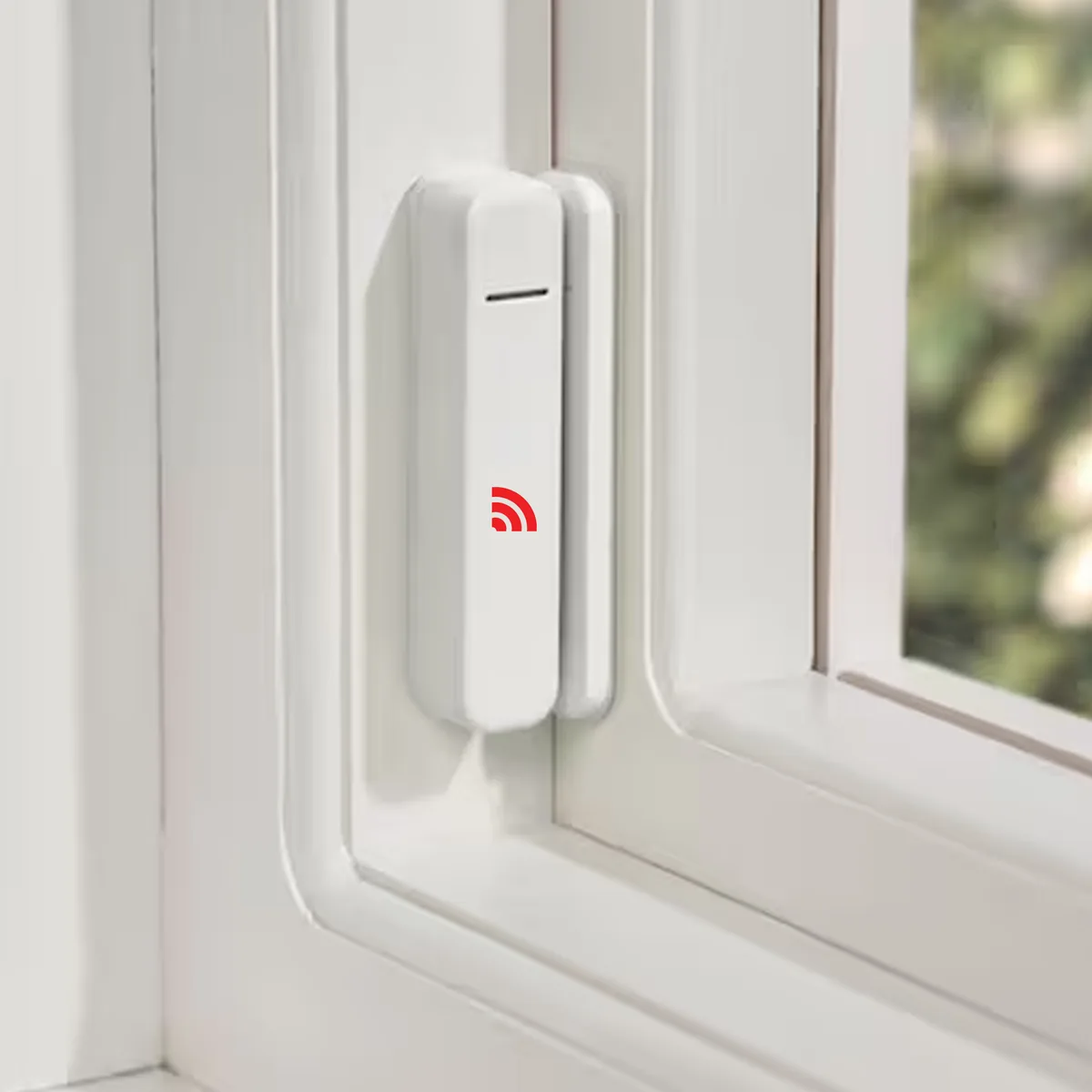
Image source: Web (Bing) / imperialalarm.com (Web image (fair-use with source credit))
Upper-Floor Windows: Additional Layers of Security
While ground-floor windows get the most attention, upper-floor windows aren't entirely safe. An intruder might use ladders, drainpipes, or nearby structures to gain access. Therefore, our analysis of common security strategies suggests covering these accessible upper-floor windows is a smart move.
If a window on the second floor, for example, is directly above a porch roof, a garage, or a sturdy, climbable tree, it becomes an easy target. You should treat these as high-priority locations, just like ground-floor windows.
- Windows Above Porches or Garages: These offer a natural stepping stone for an intruder.
- Windows Near Balconies or Decks: Access to these elevated areas can provide a direct route to nearby windows.
- Windows Adjacent to Large Trees: A dense, strong tree can be a ladder for someone determined to get in.
Remember, even if it seems less likely, an intruder looking for an opportunity will exploit any weakness. Adding sensors to these accessible upper-level windows adds a critical layer to your home's perimeter security. Many wireless sensors offer battery life ranging from one to two years, minimizing maintenance concerns for these harder-to-reach spots.
Basement Windows: The Hidden Entry Point
Basement windows are often overlooked because they're out of sight and sometimes feel less accessible. However, their hidden nature can make them a preferred entry point for burglars who want to avoid detection. Aggregate buyer feedback consistently highlights these as vulnerable spots.
These windows are typically smaller and can be easily smashed or pried open if they're not secured. They also offer direct access to the interior of your home without attracting much attention from the street.
- All Basement Windows: If a basement window is accessible from the outside, it needs a sensor. This includes windows that are partially or fully above ground level.
- Windows Near Utility Access: If your basement has external access points like a bulkhead or a window near a utility meter, pay extra attention to securing those adjacent windows.
- Consider the View: Even if a basement window isn't directly visible from the street, if it’s accessible from a side yard or alley, it's a potential target.
Think about it: a burglar could break a basement window, slip inside, and have direct access to your home's main floor without anyone outside being the wiser. Securing these often-forgotten openings is a vital part of a comprehensive home security plan.
Windows Near Climbing Aids: Amplified Risk
Any window that an intruder could reach with relative ease, even if it's on an upper floor, presents an amplified risk. Think of it as creating an accidental ladder for them. Our research indicates that placement near natural or built-in climbing aids significantly increases a window's vulnerability.
This could involve anything from a large, sturdy tree with low branches to a low-sloping roof section, or even a conveniently placed outdoor structure like a shed or a decorative trellis. These elements effectively lower the barrier to entry, turning what might seem like a secure upper-floor window into an easy target.
- Trees: Branches that extend close to or touch the window.
- Roofs: Low-sloping garage roofs, porch roofs, or even shed roofs that offer a stable platform.
- Structures: Trellises, pergolas, or sturdy garden furniture positioned close to the window.
When placing sensors, visually inspect your home's exterior. Identify any feature that could be used to gain leverage or reach a window. If such an aid exists, the window it serves should absolutely have a contact sensor.
This is a proactive step to deny access through these elevated vulnerabilities.
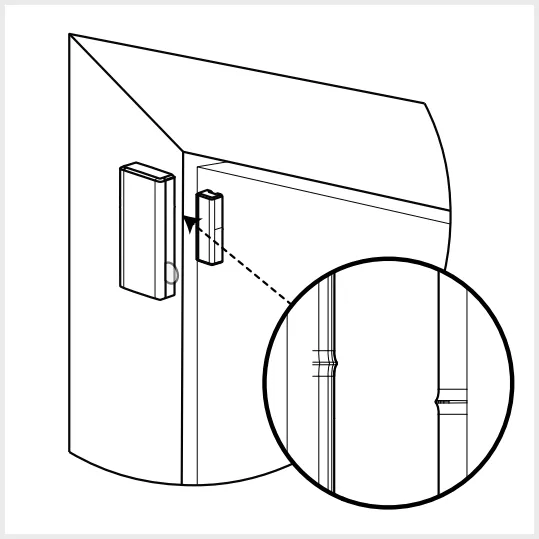
Image source: Web (Bing) / brinkshome.com (Web image (fair-use with source credit))
Sensor Placement Mistakes That Compromise Your Home Security
Even with the best intentions, it's easy to make placement errors that render your window sensors less effective, or worse, useless. These mistakes often stem from overlooking basic principles of how the sensors work or how an intruder might operate. Our analysis of common user issues points to several recurring problems.
A key one is failing to account for the sensor's required gap tolerance. For instance, the NIST cybersecurity framework for smart home devices emphasizes reliable signal transmission and operation, which is directly impacted by correct physical installation. If the magnet and the sensor body aren't aligned properly or are too far apart when the window is shut, the system won't register the window as closed.
Here are some common blunders to avoid:
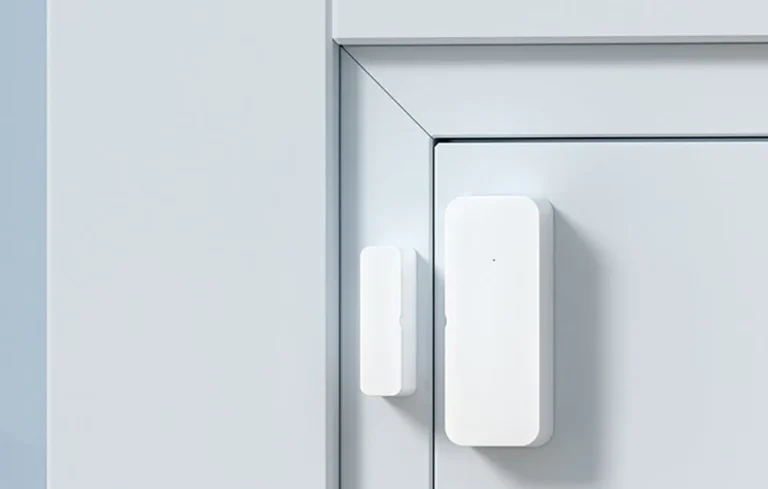
- Ignoring the Gap: The two parts of a magnetic contact sensor must be close enough when the window is closed. Typically, this gap is around 1 inch or less. If they're too far apart, the system will think the window is open.
- Placing on the Wrong Part of the Window: Sensors are designed for the main sash and frame. Placing them on glass or moving parts that aren't rigid can lead to false alarms.
- Not Securing Firmly: Using weak adhesive or loose screws means the sensor or magnet can shift, especially with temperature changes or vibrations, disrupting the connection.
- Overlooking Accessibility: Placing sensors on windows that are impossible to reach anyway isn't a priority. Focus on entry points.
- Hiding Them Too Well: While you don't want them to be obvious to an intruder, they also shouldn't be so hidden that you can't maintain them or that their alignment is compromised by surrounding décor.
Getting these details right ensures your window sensors function as intended, providing reliable alerts when an entry point is breached.
Testing Your Window Sensor Setup for Reliability
Once you’ve installed your window sensors, the job isn't quite done. The most critical step is to thoroughly test each sensor to ensure it's working correctly and communicating with your security system. This isn't just a good idea; it's a necessary part of ensuring your home is truly protected.
Manufacturer specifications often include detailed testing procedures, and it’s wise to follow them. For example, most systems will have an app or a control panel that shows the status of each sensor. You need to verify that opening and closing each protected window correctly changes the status from "closed" to "open" and back again.
Here's a simple, effective testing process:
- Arm Your System: Put your security system in "test mode" or "away mode" if possible, so it doesn't trigger a full alarm but still registers sensor activity.
- One Window at a Time: Go to the first window you installed a sensor on.
- Open and Close: Slowly open the window. Check your system's app or panel to confirm the sensor registers as "open." Then, close the window and verify it registers as "closed."
- Check Magnet Alignment: If the sensor doesn't register correctly, you may need to adjust the position of the sensor or the magnet so they are closer together when the window is shut. Most wireless sensors have a maximum operating gap of about 1 inch.
- Repeat for All Sensors: Go through this process for every single window sensor you've installed.
- Test the Siren/Alerts: If your system has a siren or sends mobile alerts, trigger a test alarm (if the system allows in test mode) to ensure these are functioning as well.
This systematic approach confirms that your sensors are precisely placed and communicating effectively, giving you peace of mind that your security system is ready for anything.
Frequently Asked Questions
How long does it take to install window sensors?
Installation typically takes between 5 to 15 minutes per sensor, depending on the type and your comfort with basic tools. Wireless contact sensors that use adhesive backing are the fastest, usually requiring just a few minutes to clean the surface, peel, and stick. Screw-mounted sensors might take a bit longer.
Do I need to drill holes for window sensors?
No, most common DIY window sensors are wireless and use strong adhesive tape for mounting. This means you don't need to drill any holes in your window frames or sills, making installation straightforward and renter-friendly. Some professional systems might offer screw-mount options for added security, but it's not standard for most home setups.
Can window sensors trigger if the glass breaks?
Standard magnetic contact window sensors do not detect glass breakage. They only register when the window itself is opened, meaning the two parts of the sensor separate. If you need glass break detection, you would need to install separate glass break sensors, which use acoustic or shock detection.
What's the maximum distance a window sensor can be from the hub?
The wireless range varies by technology. Z-Wave and Zigbee sensors, commonly used in smart home security, can typically operate up to 100-200 feet in open air, though this can be reduced by walls and other obstructions. Wi-Fi sensors rely on your home's Wi-Fi network strength.
Always check the manufacturer's specifications for your specific system.
How often do window sensors need new batteries?
Most wireless window sensors use standard coin-cell batteries (like CR2032 or CR1632) that last between one to two years with typical use. Your security system app or control panel will usually alert you when a sensor's battery is running low, giving you plenty of notice for replacement.