What Is a Carbon Monoxide Detector

Image source: Web (Bing) / lowes.com (Web image (fair-use with source credit))
Keeping your home safe from invisible dangers is essential, and understanding what a carbon monoxide detector is plays a huge role. These devices are your first line of defense against carbon monoxide (CO), a deadly gas that can be produced by common household appliances. Knowing how they work and how to use them properly can give you crucial peace of mind.
In our research, we found that faulty fuel-burning appliances are a primary source of dangerous CO buildup, often leading to accidental poisonings. To combat this, detectors are designed to meet standards like UL 2034, which dictates specific alarm response times to CO concentrations.
Quick Answer
A carbon monoxide detector is a safety device that monitors the air for carbon monoxide gas. It sounds a loud alarm when dangerous levels are detected. These units are critical for preventing CO poisoning from fuel-burning appliances.
They come in various types and require regular testing and maintenance.
What Carbon Monoxide Is and Why It's Dangerous
Carbon monoxide (CO) is a serious threat because it’s a silent killer. You can't see it, smell it, or taste it, making it impossible to detect without specialized equipment. It's produced when fuels, such as natural gas, propane, oil, wood, and gasoline, burn incompletely.
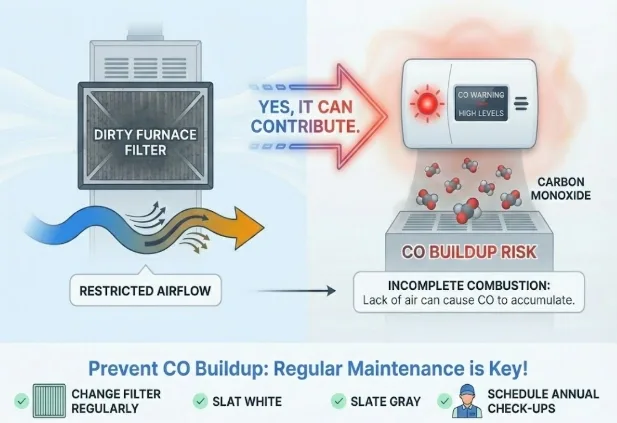
Common culprits in your home include furnaces, water heaters, gas stoves, fireplaces, and even vehicles parked in attached garages. When these appliances malfunction or aren't properly vented, CO can build up inside your living spaces. At low levels, it can cause flu-like symptoms such as headaches, dizziness, nausea, and weakness.
However, at higher concentrations, or with prolonged exposure, CO can lead to confusion, loss of consciousness, permanent brain damage, and death. The danger is amplified because CO can cause drowsiness, meaning you might not wake up if exposure happens while you're sleeping.
How a Carbon Monoxide Detector Actually Works
At its core, a carbon monoxide detector is an electronic device designed to continuously sample the air around it. It uses a sensor to detect the presence of CO gas. When the concentration of CO in the air reaches a predefined dangerous level, the detector triggers a loud audible alarm, typically a piercing series of beeps, to alert you immediately.
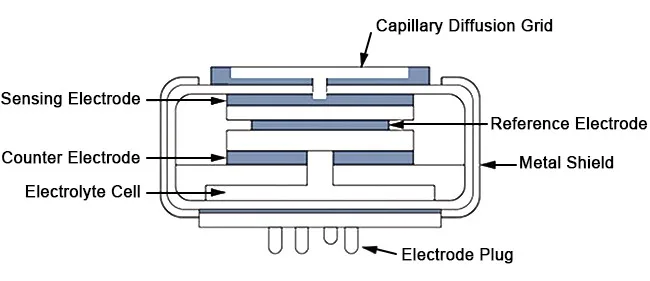
Several types of sensors are used, including:
- Electrochemical sensors: These are the most common and are highly accurate. They use a chemical reaction between CO and an electrode to generate an electrical current, which the detector measures.
- Metal Oxide Semiconductor (MOS) sensors: These use a semiconductor material that changes its electrical resistance in the presence of CO.
- Biomimetic sensors: These mimic the way hemoglobin in your blood absorbs oxygen and CO.
Manufacturer specifications indicate that these devices are engineered to activate their alarms within specific timeframes depending on the CO concentration. For instance, UL 2034 standards require alarms to sound if CO levels reach 70 ppm for 60-240 minutes, or at much higher levels (like 150 ppm) within 10 minutes.
Where to Install Your CO Detector for Maximum Safety
Strategic placement is absolutely crucial for your CO detector to do its job effectively. You want to install them where they can alert you to the presence of carbon monoxide before it reaches dangerous levels, especially while you're asleep.
Here's the breakdown from safety experts:
- Near Sleeping Areas: Install at least one CO detector on every level of your home, and crucially, outside each separate sleeping area. This ensures that if CO builds up at night, the alarm is likely to wake you up.
- On Every Level: For comprehensive coverage, place detectors on each floor of your home. This includes basements and finished attics.
- Near Fuel-Burning Appliances: While not a replacement for other locations, placing a detector in close proximity to appliances like furnaces, water heaters, gas stoves, and fireplaces can provide an additional layer of awareness.
- Avoid Problem Areas: Do not install CO detectors:
- Within 5 feet (1.5 meters) of cooking appliances or sources of steam (like showers).
- In areas with very high humidity or dust, as this can affect sensor performance.
- Directly above or beside vents or fans.
- In direct sunlight.
- In garages (unless specifically designed for that environment, which is rare for standard residential CO detectors).
Always refer to the manufacturer's specific installation instructions for your model, as they will provide precise guidance on placement and mounting.
Key Features to Look For in a CO Detector
When you're choosing a carbon monoxide detector, it's not a one-size-fits-all situation. Several features can enhance its effectiveness and convenience. Aggregate user reviews and manufacturer specifications highlight what makes a unit stand out.
Here are some key features to consider:
- Alarm Type:
- Audible Alarm: All detectors must have a loud alarm. Look for models that meet UL 2034 standards for decibel levels (typically 85 dB at 10 feet).
- Digital Display: Some models include a digital screen that shows the current CO level in parts per million (ppm), which can be very informative.
- Voice Alerts: More advanced units can announce the danger, sometimes specifying the type of hazard.
- Power Source:
- Battery-Operated: These are easy to install anywhere but require regular battery changes. Many have long-life batteries designed to last the life of the detector (7-10 years).
- Plug-In (Hardwired): These connect directly to your home's electrical system. They often include a battery backup in case of a power outage, which is a significant safety feature.
- Combination: Some units offer both hardwiring and battery backup.
- Interconnectivity:
- Hardwired Interconnection: If one detector in a linked system detects CO, all connected alarms will sound. This is excellent for larger homes.
- Wireless Interconnection: Similar to hardwired, but units communicate wirelessly.
- Peak Level Memory: This feature records the highest CO level detected since the last reset, which can be useful for diagnostics if an alarm went off previously.
- Silence/Hush Button: Allows you to temporarily silence the alarm if you're certain it's a false alarm or during cooking nuisances, but it will often re-alarm if CO levels remain high.
- Tamper Resistance: Features that prevent children or unauthorized individuals from removing the battery or unit.
As of 2026, models with dual detection (both CO and smoke) are also becoming more prevalent, offering consolidated safety for your home.
Avoiding Critical Mistakes with Carbon Monoxide Detectors
Making a mistake with carbon monoxide detectors can have severe consequences, so it's vital to be aware of common pitfalls. Our research and editorial analysis of user feedback point to several critical errors that can render these life-saving devices ineffective.
Here are the top mistakes to avoid:
- Incorrect Placement: This is perhaps the most common and dangerous error. Installing detectors too close to vents, in high-humidity areas like bathrooms, or too far from sleeping areas means they might not detect CO in time. Always follow manufacturer guidelines precisely.
- Forgetting to Test Regularly: CO detectors have a test button for a reason. You should test every unit monthly to ensure the alarm is functioning. A silent detector that doesn't work is no better than no detector at all.
- Ignoring Expiration Dates: CO sensors degrade over time. Most detectors have a lifespan of 7 to 10 years. Failing to replace an expired unit leaves your home vulnerable. Check the manufacturing date or the "replace by" date printed on the device.
- Not Having Enough Detectors: One detector for the whole house is rarely sufficient. Safety guidelines generally recommend a detector on every level, including basements, and outside each sleeping area.
- Mistaking CO Symptoms for Illness: If multiple people in the household develop flu-like symptoms simultaneously, and these symptoms improve when you leave the house, assume CO poisoning is a possibility and seek immediate medical attention and professional assessment of your home.
- Disabling the Alarm: Never silence or remove batteries from a CO detector unless you are certain it's a false alarm or during designated testing. If the alarm sounds, treat it as a real emergency.
Failing to address these points can leave you and your family exposed to significant risk.
When and How to Test and Maintain Your Detector
Regular testing and maintenance are non-negotiable for ensuring your carbon monoxide detector works when you need it most. These devices aren't "set it and forget it" gadgets; they require a little attention to remain effective guardians of your home. Neglecting this can be just as dangerous as not having a detector at all.
Here's what you need to do:
- Monthly Testing: Use the test button located on the detector itself. Press and hold it for a few seconds. You should hear a loud, warbling alarm sound. If you don't, or if the sound is weak, it's time to troubleshoot or replace the unit.
- Battery Replacement: If your detector is battery-operated, replace the batteries at least once a year, or whenever the unit chirps to indicate low battery power. Many experts recommend replacing them when you change your clocks for daylight saving time to make it easier to remember. For units with sealed, long-life batteries, this isn't a concern, but remember the entire unit still needs replacement at its expiration.
- Cleaning: Dust and debris can accumulate on the sensor and vents, potentially hindering performance. Gently vacuum the exterior of the detector with your vacuum cleaner's soft brush attachment once a month, or as recommended by the manufacturer. Do not use cleaning sprays or solvents, as these can damage the sensor.
Frequently Asked Questions About Carbon Monoxide Detectors
How long does a carbon monoxide detector last?
Most carbon monoxide detectors have a lifespan of 7 to 10 years from the date of manufacture. After this period, the sensor can degrade, and the unit may not function correctly. Look for a "replace by" date on the back or side of the unit and mark your calendar.
What should I do if the CO alarm goes off?
If your carbon monoxide alarm sounds, evacuate everyone from the home immediately. Do not delay to gather belongings. Once you are safely outside, call your local emergency services (like 911 in the US) from a safe location, such as a neighbor's house or your cell phone.
Do not re-enter your home until emergency responders have determined it is safe to do so.