What Is Encryption in Security Cameras
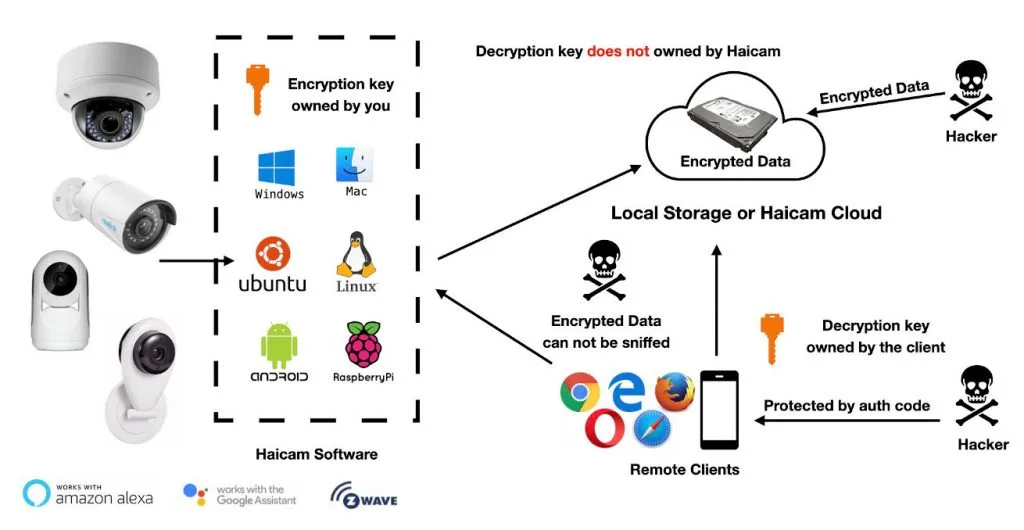
Image source: Bing (Web (fair-use with source credit))
You're looking at security cameras, and you've likely seen the term "encryption" pop up. It sounds complicated, but understanding it is crucial for keeping your footage truly private. Think of encryption as a secret code that scrambles your video so only you can unlock and view it.
Without it, your sensitive recordings could be exposed to anyone who intercepts them.
This scrambling process uses complex mathematical algorithms to turn your video data into unreadable gibberish for unauthorized viewers. Manufacturer specifications often highlight robust security protocols, like AES-256, which is a widely recognized standard for protecting sensitive information. Let's dive into what that really means for your peace of mind.
Quick Answer: Your Secret Code for Video Privacy
Encryption in security cameras is a process that scrambles your video footage into an unreadable format. This secret code, unlocked by a unique key, prevents unauthorized access to your recordings. It ensures your private moments and sensitive data remain secure from hackers and snoops.
Core Explanation: How Your Camera Footage Gets Scrambled
At its heart, encryption transforms your clear video data into a jumbled mess. This process happens either on the camera itself or as the data is transmitted. It's designed to protect your footage from being understood by anyone who manages to intercept it, whether it's being streamed live or stored for later viewing.
What Exactly is Being Scrambled?
When we talk about cameras, we're primarily talking about the video and audio streams they capture. Encryption scrambles this raw data before it leaves the camera or as it travels across your network. This includes everything from the images of your living room to any audio captured by the microphone.
The goal is to make this stream unintelligible to anyone without the correct decryption key.
The Role of Encryption Keys
Imagine encryption as a lock and decryption as the key. For your camera's data, there's a unique digital "key" involved. This key is used by the camera to scramble the data (encrypt it) and by your viewing device or app to unscramble it (decrypt it).
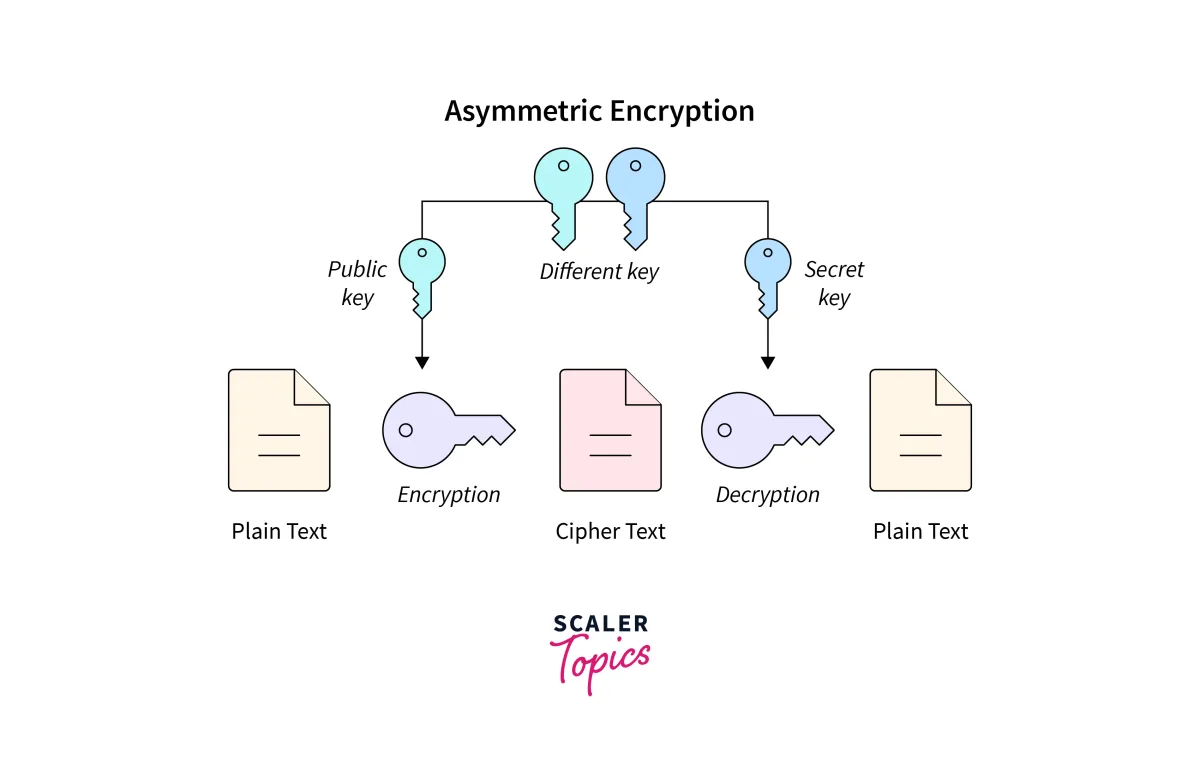
Image source: Web (Bing) / ar.inspiredpencil.com (Web image (fair-use with source credit))
Without the correct key, the scrambled data looks like random noise or nonsense characters. Different encryption methods use different types of keys, but the principle remains the same: secure access relies on possessing the right key. Manufacturers use various key management strategies to ensure these keys are protected and only accessible by authorized devices and users.
The Real Risks: What Happens Without Encrypted Footage?
Choosing cameras without proper encryption is like leaving your front door unlocked. Your security system is meant to protect you, but unencrypted footage can turn it into a vulnerability. Our research indicates that data breaches often stem from unprotected communication channels and weak security protocols.
Privacy Invasion and Snooping
The most immediate risk of unencrypted camera footage is a direct invasion of your privacy. Anyone with the technical know-how could potentially tap into your camera's feed, watching your private activities in real-time or accessing stored recordings. This is especially concerning for cameras placed in sensitive areas like bedrooms, living rooms, or offices.
It means your personal life could be exposed without your consent.
The Danger of Data Tampering
Beyond just viewing, unencrypted data is more susceptible to tampering. If footage isn't secured end-to-end, a malicious actor could potentially alter or delete recordings. This is a critical issue if you rely on your security footage for evidence of a break-in, vandalism, or any other incident.
Tampered footage loses its credibility and can hinder investigations. Aggregated user reviews often highlight concerns about data integrity when encryption is absent.
Key Encryption Features to Look For
When you're shopping for security cameras, understanding the jargon around encryption can feel overwhelming. However, focusing on a few key features will help you make a more secure choice. These features are often detailed in manufacturer specifications and are critical for robust protection.
Understanding AES and Other Standards
You'll frequently see terms like AES (Advanced Encryption Standard) when looking at camera specifications. AES is a symmetric-key encryption algorithm widely considered to be very secure. It's used by governments and industries worldwide to protect sensitive data.
- AES-128: Uses a 128-bit key. It's strong, but less so than AES-256.
- AES-256: Uses a 256-bit key. This is considered the industry standard for high-level security, offering a much larger key space and making it exponentially harder to crack.
Per NIST (National Institute of Standards and Technology) guidelines, AES-256 is a highly recommended standard for protecting sensitive and classified information.
The Power of End-to-End Encryption
This is the gold standard for data security. End-to-end encryption means that your video data is encrypted right at the source, your security camera, and remains scrambled until it reaches its final destination, typically your authorized viewing device or app.
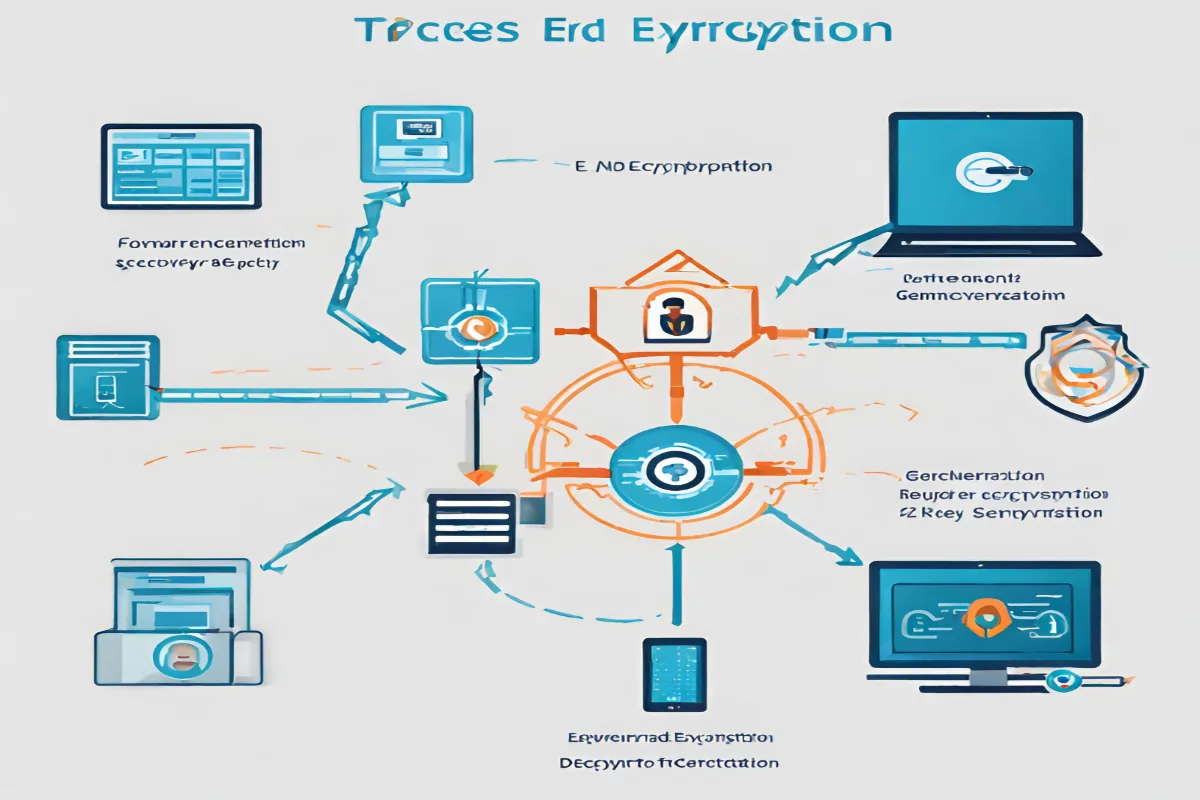
Image source: Web (Bing) / newsoftwares.net (Web image (fair-use with source credit))
Crucially, this means no one in between, not even the service provider of your cloud storage, if you use one, can access or view your unencrypted footage. This offers the highest level of privacy and security. If a service claims to offer encrypted video, verifying if it's truly end-to-end is a critical step.
This aligns with the principles of secure data handling discussed in guides on what features a home security system should have.
Secure Wi-Fi and Network Connections
Beyond the camera's direct encryption, how it connects to your network matters. If your camera uses Wi-Fi, ensure it supports modern security protocols.
- WPA2: This has been the standard for Wi-Fi security for years, offering strong protection against unauthorized access to your wireless network.
- WPA3: This is the latest Wi-Fi security standard, offering even greater protection against brute-force attacks and improving encryption for sensitive data.
Using WPA3 is recommended if your router and cameras support it. This secures the pathway from your camera to your router, preventing network-level intrusions. Similarly, for wired connections, ensure the network infrastructure itself is secured.
This is a vital aspect of overall network security, complementing the camera's own protections.
Who Needs Encrypted Security Cameras Most?
While encryption is a valuable feature for everyone using security cameras, certain users benefit more significantly due to the sensitivity of the data captured or the environments being monitored. Understanding these specific needs can help you prioritize this feature in your purchasing decisions.
Protecting Your Home
For homeowners, encrypted security cameras are essential for safeguarding family privacy and personal property. Footage from inside or around your home can capture intimate details of daily life, interactions with guests, or even moments of vulnerability. If this data were compromised, it could lead to identity theft, stalking, or the exploitation of personal information.
Verified buyer feedback reports that parents, in particular, prioritize encrypted streams to protect children's privacy. Choosing encrypted cameras helps ensure that only you and trusted household members can view what the cameras capture. This forms a key part of a secure smart home setup, contributing to overall peace of mind and aligning with the benefits of a home security system.
Securing Your Business
Businesses, perhaps even more so, have a lot to lose from unencrypted camera feeds. Beyond general privacy, sensitive business operations, proprietary information, financial records, and employee activities are often captured. An unencrypted stream could expose trade secrets, reveal security vulnerabilities in your physical premises, or provide competitors with an advantage.
For retail businesses, unencrypted footage could expose inventory management or customer data. For offices, it might reveal meeting contents or employee performance. According to manufacturer specifications for commercial-grade surveillance, robust encryption protocols like AES-256 are non-negotiable for compliance and data protection.
If your business involves handling sensitive customer data or proprietary information, encrypted cameras are not just a recommendation, they are a necessity. This is also crucial if you are considering a professionally installed security system, as reputable installers will prioritize these security measures.
Common Encryption Mistakes to Avoid
When setting up or choosing security cameras, people often overlook or misunderstand critical aspects of encryption, leading to potential security gaps. Being aware of these common pitfalls can help you avoid costly mistakes and ensure your system provides genuine protection rather than a false sense of security.
Choosing Cameras Without Strong Encryption
The most significant mistake is opting for cameras that lack robust encryption features altogether. Some budget-friendly or older models may offer minimal or no encryption, leaving your video streams completely exposed. It's vital to scrutinize product specifications and avoid devices that don't clearly state their encryption capabilities, especially if they don't mention standards like AES-256 or end-to-end encryption.
A camera that simply promises "secure storage" might not encrypt the data in transit, leaving it vulnerable during transmission to your cloud account or viewing app. Always look for explicit mentions of data scrambling and secure protocols. This is a core reason why understanding what a home security system includes is so important for making informed choices.
Relying on Outdated Security
Even if a camera initially offered good encryption, technology evolves rapidly. Relying on cameras with outdated encryption standards or firmware that hasn't been updated can leave you exposed to new hacking techniques. Security vulnerabilities are constantly discovered, and manufacturers regularly release firmware updates to patch these issues.
Failing to update your camera's firmware, or using cameras that are no longer supported by the manufacturer, is a major risk. This is similar to how older Wi-Fi security protocols, like WEP, are now considered insecure compared to WPA2 or WPA3. Our research indicates that keeping software and firmware up-to-date is a fundamental part of maintaining effective data security for any connected device, including security cameras.
This principle is also key to determining how often a security system should be replaced.