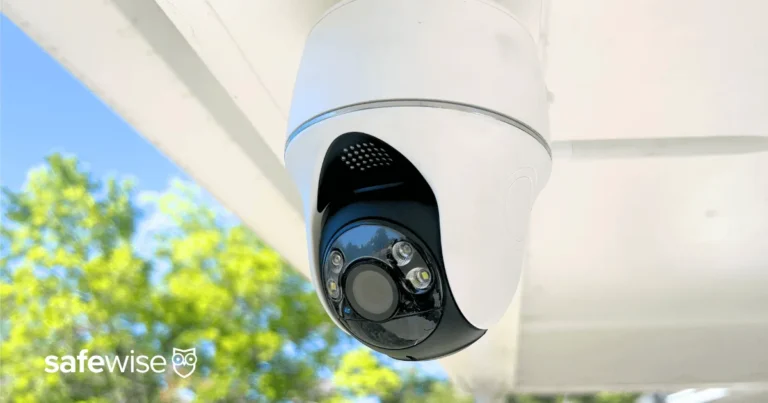
What Is Cloud Storage for Security Cameras
When you're looking to secure your home or business, a clear view of what's happening is crucial. But what happens when the unexpected strikes, like a fire or a theft that wipes out your local video recordings? This is where understanding what is cloud storage for security cameras becomes essential for reliable, long-term surveillance.
Cloud storage for security cameras offers a digital vault for your video footage, accessible from virtually anywhere. Unlike traditional methods that store everything on-site, cloud solutions upload your recordings to secure servers managed by a service provider, often featuring encryption standards like AES-256 to protect your data. This guide breaks down the ins and outs to help you make an informed choice.
Quick Answer
Cloud storage for security cameras is a service that remotely backs up your video footage online. It protects recordings from local disasters, allowing access from any internet-connected device. Unlike local storage, it offers offsite security and scalability.
As of 2026, it's a popular choice for home and business surveillance.
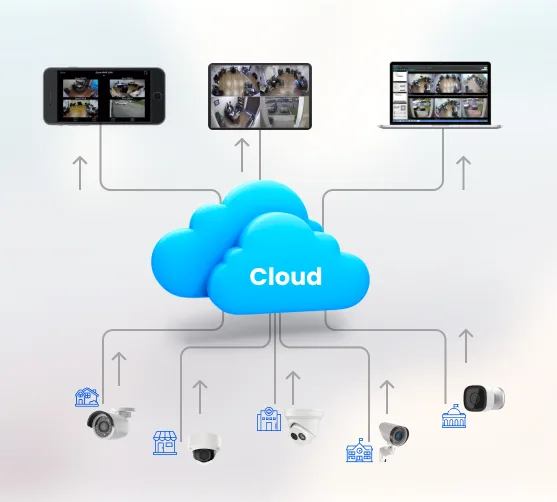
Image source: Bing (Web (fair-use with source credit))
Why Compare Cloud Storage for Your Security Cameras?
Choosing the right storage for your security cameras isn't just about finding a place to dump video files; it’s about ensuring you can actually access that footage when you need it most. Think about it: if a storm damages your home and your DVR (Digital Video Recorder) or NVR (Network Video Recorder) gets destroyed, all those precious recordings are gone forever. This is a significant pain point for many users who initially opt for purely local storage solutions.
Comparing cloud storage options means evaluating how well they meet your specific needs for accessibility, security, and budget. It's not a one-size-fits-all situation. Some providers offer continuous recording, while others trigger uploads only when motion is detected.
Understanding these differences helps you avoid paying for features you don't need or, worse, missing critical footage because your chosen system wasn't set up for your particular scenario. This comparison is vital for peace of mind.
Understanding How Cloud Storage Works for Cameras
At its core, cloud storage for security cameras takes the video feed from your surveillance devices and sends it over the internet to a secure, remote data center. This process ensures your footage is saved off-site, separate from the physical cameras or any local recording devices you might have. When you set up a camera system that utilizes cloud storage, you're essentially creating a digital backup of your surveillance history.
How Video Gets From Camera to Cloud
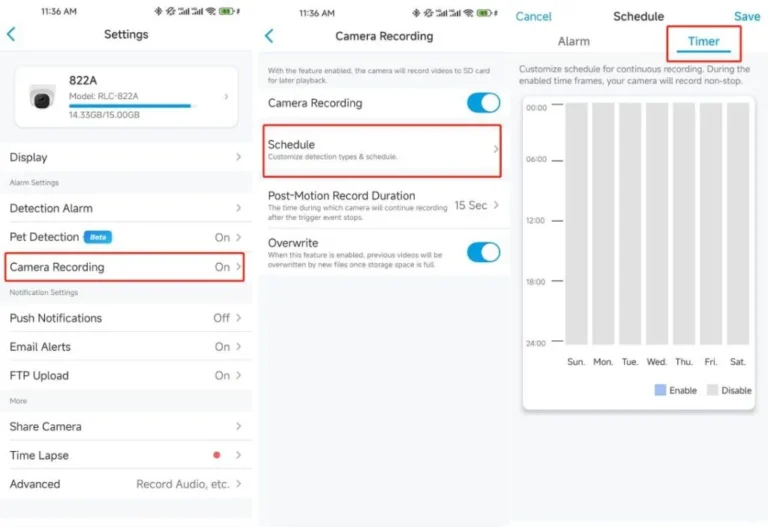
Once your security camera is powered on and connected to your home or business network, it continuously captures video. If the camera is configured for cloud recording, it then compresses this video data and uploads it through your internet connection. This upload happens in real-time for continuous recording or is triggered by events like motion detection, depending on your camera's settings and the specific cloud service plan.
The amount of upload bandwidth your internet service provides is a key factor here, directly impacting how smoothly this transfer occurs.
What Happens to Your Footage in the Cloud?
Your video footage is stored on remote servers managed by the cloud storage provider. These providers invest heavily in secure data centers, often employing robust security measures like encryption (e.g., AES-256) for data both in transit and at rest. This means that even if someone were to intercept the data stream, it would be unreadable without the proper decryption keys.
Your footage is typically organized and made accessible through a dedicated mobile app or web portal, allowing you to view, download, or manage your recordings from anywhere with an internet connection. Retention periods vary significantly by plan, ranging from a few days to several months.
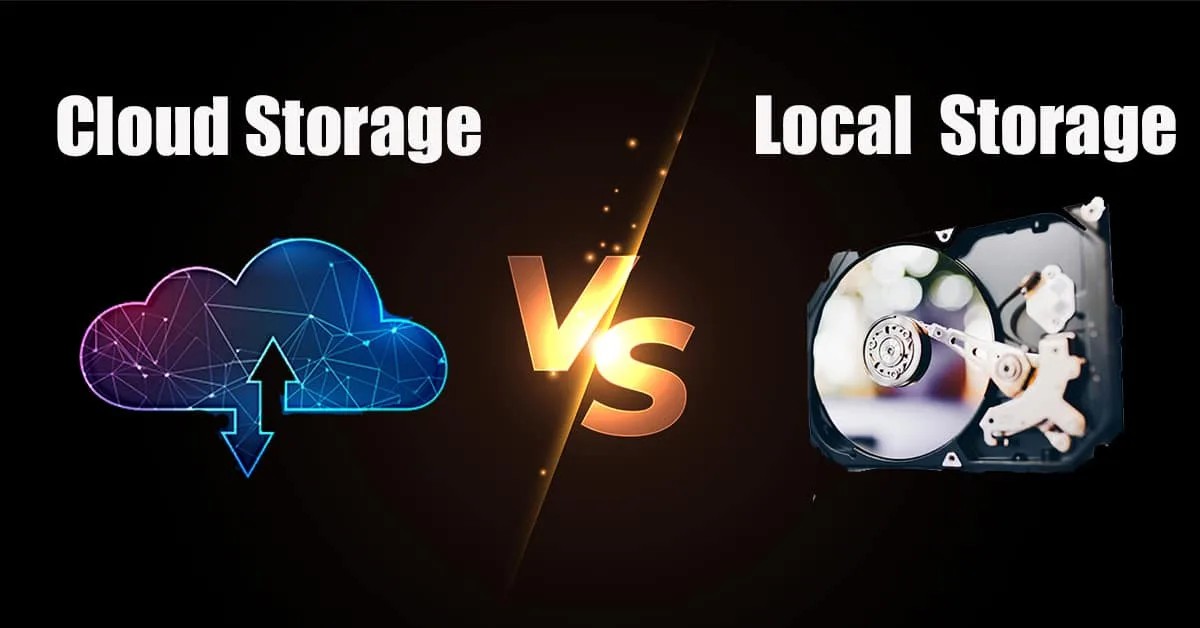
Image source: Bing (Web (fair-use with source credit))
Cloud Storage vs. Local Storage: Which Wins For You?
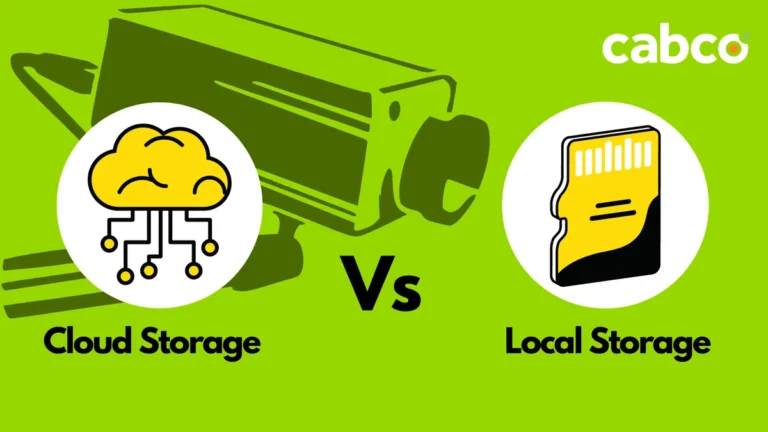
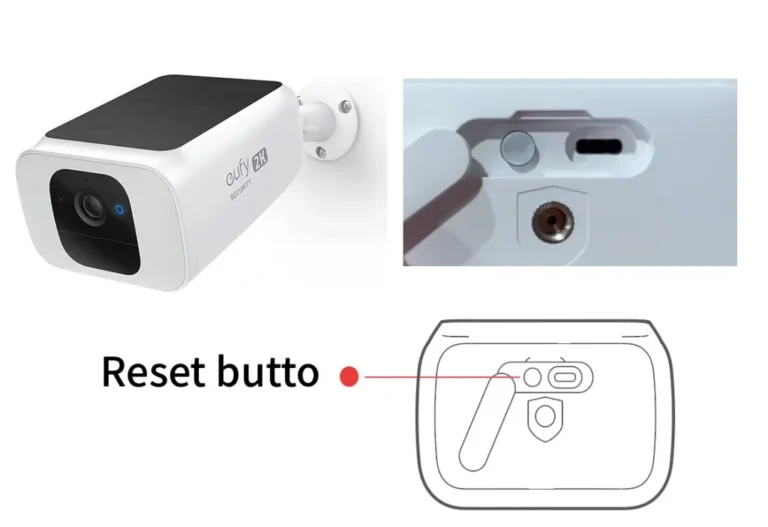
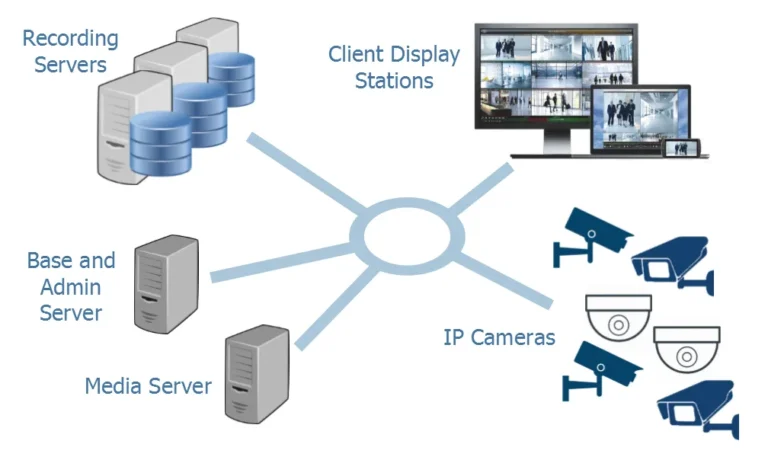
When you’re deciding how to store your security camera footage, you’ll generally run into two main camps: cloud storage and local storage. Local storage typically involves cameras with built-in SD card slots, or systems using a NVR or DVR to record footage onto hard drives physically located at your property. Cloud storage, on the other hand, sends that footage over the internet to remote servers.
The choice between them often comes down to your priorities regarding security, accessibility, cost, and technical maintenance.
It’s important to recognize that these aren't always mutually exclusive. Many systems offer a hybrid approach, recording locally for immediate access and also backing up to the cloud for an extra layer of security. However, if forced to pick one primary method, understanding their fundamental differences is key.
| Feature / Attribute | Cloud Storage | Local Storage (SD Card/NVR/DVR) |
|---|---|---|
| Primary Benefit | Offsite backup, remote access | No monthly fees, fast local access |
| Data Security | Strong encryption, offsite protection from local disaster | Vulnerable to device theft/damage, local network security dependent |
| Accessibility | Anywhere with internet | Primarily within local network, VPN often needed for remote |
| Scalability | Easily add more storage by upgrading subscription | Limited by device capacity, requires hardware upgrades |
| Initial Cost | Low (camera purchase), ongoing subscription | Higher upfront for NVR/DVR, potential storage upgrades |
| Ongoing Costs | Monthly/annual subscription fees | Minimal (electricity, potential hard drive replacement) |
| Maintenance | Handled by provider | User responsible for device, hard drive health, updates |
| Bandwidth Impact | Requires consistent upload speed | Minimal upload impact, primarily uses local network |
If your biggest concern is losing footage due to a fire, flood, or theft at your property, cloud storage offers a significant advantage due to its offsite nature. However, if you have limited internet upload bandwidth or are trying to avoid recurring monthly fees, local storage might seem more appealing.
Who Needs Cloud Storage? Key Use Cases
Not everyone needs to archive surveillance footage in the cloud, but for many, it provides a level of security and convenience that’s hard to beat. It’s especially beneficial for individuals and businesses who prioritize accessibility and data redundancy. If you’ve ever worried about losing evidence or important visual records due to unforeseen circumstances, cloud storage is worth serious consideration.

Image source: Web (Bing) / baselink.com.au (Web image (fair-use with source credit))
Homeowners and Renters
For homeowners, cloud storage offers peace of mind by ensuring that footage of package deliveries, potential break-ins, or other incidents is safely stored away from your property. Renters might find it particularly useful, as they often can't install permanent local storage solutions like NVRs. It's also great for keeping an eye on pets or children when you're away, offering remote viewing capabilities through mobile apps.
Small Businesses and Offices
Small businesses can leverage cloud storage for security cameras to monitor their premises, track employee activity, or safeguard against theft and vandalism. The ability to access footage remotely is invaluable for business owners or managers who aren't always on-site. It also provides a reliable backup for important visual evidence that could be crucial in resolving disputes or during insurance claims.
Remote Property Owners
If you own a vacation home, a rental property, or land that you visit infrequently, cloud storage is almost a necessity. It allows you to keep an eye on your assets from afar, receive alerts for any unusual activity, and review footage without needing to physically visit the property. This remote monitoring capability can help prevent potential issues before they become major problems.
Common Cloud Storage Pitfalls to Sidestep
While cloud storage offers fantastic benefits, it's not without its potential drawbacks. Being aware of these common pitfalls can help you choose a service that best fits your needs and avoid frustrating experiences down the line. It's easy to get caught up in the convenience, but a little foresight can save you a lot of hassle.
Internet Dependency Issues
Cloud storage relies entirely on a stable internet connection. If your Wi-Fi goes down or your internet service provider experiences an outage, your cameras won't be able to upload footage to the cloud. This means that any activity occurring during the downtime won't be recorded in your cloud archive.
For critical surveillance needs, it’s essential to have a robust internet connection and consider backup options, such as cameras with local SD card recording that can store footage even when the internet is unavailable.
Bandwidth Bottlenecks
Uploading video, especially in high resolutions like 1080p or 4K, consumes a significant amount of internet bandwidth. If your internet plan has limited upload speeds or you have many devices using your network simultaneously, you might experience slow uploads or even dropped connections. This can lead to delayed or incomplete recordings in the cloud.
It's wise to check your internet plan's upload speed specifications and consider upgrading if necessary. For example, uploading a single hour of 1080p footage could consume several gigabytes of data, depending on the compression and frame rate.
Subscription Management Headaches
Many cloud storage services for security cameras operate on a subscription model. While these subscriptions offer benefits like automatic updates and accessible storage, they can become a financial burden over time. It’s easy to forget about services you signed up for, leading to unnecessary recurring charges.
Regularly reviewing your subscriptions and understanding the terms of service, including cancellation policies, is crucial to avoid unexpected costs. Some plans might auto-renew, so keeping track of renewal dates is a good practice.
Costs, Tiers, and What to Expect
The cost of cloud storage for security cameras varies widely depending on the provider, the features offered, and the amount of storage you need. Most services operate on a tiered subscription model, where higher tiers offer more storage capacity, longer video retention periods, and advanced features. For instance, a basic plan might offer 7 days of storage for a single camera for around $3-$5 per month, while a premium plan could provide 30 days of storage for multiple cameras, plus additional features like person detection, for $15-$30 per month.
It's also important to factor in your internet bandwidth costs. Uploading large video files regularly can increase your monthly internet bill, especially if you have data caps. Before committing to a service, check if the provider offers a free trial period.
This allows you to test the service with your existing cameras and internet connection to ensure it meets your needs without any financial commitment. Researching what's included in each tier is vital; some plans only cover event-based recordings, while others offer continuous video streams.
Expert Tips for Choosing Your Cloud Camera Storage
Selecting the right cloud storage for your security cameras involves looking beyond just the price tag. Our research indicates that users who carefully consider a few key factors are far more likely to find a solution that truly meets their security needs. Think of this as an investment in your peace of mind, so taking the time to compare options is worthwhile.
- Check Bandwidth Requirements: Many providers list recommended upload speeds. For example, a single 1080p camera might need at least 1-2 Mbps of consistent upload speed for event recording, while continuous recording could demand 5 Mbps or more. Ensure your internet plan can handle it.
- Understand Video Retention: How long do you need to keep your footage? Some plans offer only 7 days, while others provide 30 days or even longer. If you need to store footage for legal or evidentiary purposes, a longer retention period is essential.
- Device Compatibility: Verify that the cloud service directly supports your specific security camera models or brands. Not all cloud services work with all cameras, especially older or obscure models. Manufacturer specifications often list compatible cloud partners.
- Look for Encryption: Robust encryption, such as AES-256, is a must for protecting your video data both in transit and when stored on the provider's servers. This ensures your footage remains private.
FAQs: Your Cloud Camera Storage Questions Answered
How much storage do I actually need?
The amount of storage you need depends on how many cameras you have, the resolution they record at, and whether they record continuously or only when motion is detected. For example, a 1080p camera recording 24/7 might use 5-10 GB per day. If your plan offers 7 days of retention, you'd need around 35-70 GB per camera for that week.
Most services offer tiered plans based on storage needs, so calculate your estimated daily usage.
What's the difference between event-based and continuous recording in the cloud?
Event-based recording means the camera only uploads footage when it detects motion or another specific event. This saves bandwidth and storage space. Continuous recording, on the other hand, uploads all video captured by the camera, providing a complete timeline but consuming significantly more data and storage.
Many services offer a mix, allowing continuous recording for key cameras and event-based for others.
Can I use any cloud storage service with my cameras?
No, not all cloud storage services are compatible with all security cameras. Most security camera manufacturers partner with specific cloud providers, or offer their own proprietary cloud storage solutions. You generally need to use the cloud service recommended or provided by your camera's manufacturer to ensure seamless integration and functionality.
Is my footage safe from hackers with cloud storage?
Reputable cloud storage providers for security cameras employ strong security measures like end-to-end encryption (AES-256), secure data centers, and multi-factor authentication for account access. While no system is 100% impenetrable, these measures significantly reduce the risk of unauthorized access. Always use a strong, unique password for your cloud account and enable two-factor authentication if available.