How Do Window Sensors Work
Ever wonder how those little gadgets on your windows let your security system know if something's amiss? It’s a clever bit of engineering designed to give you peace of mind. When it comes to home security, understanding the basics of how each component functions is key to feeling truly protected.
Most common window sensors rely on a simple, yet effective, principle to do their job. This technology is designed to be reliable, with manufacturer specifications often indicating operational ranges up to 100 feet (30 meters) in open air for wireless models, or functioning within a sealed circuit for wired systems.
Quick Answer
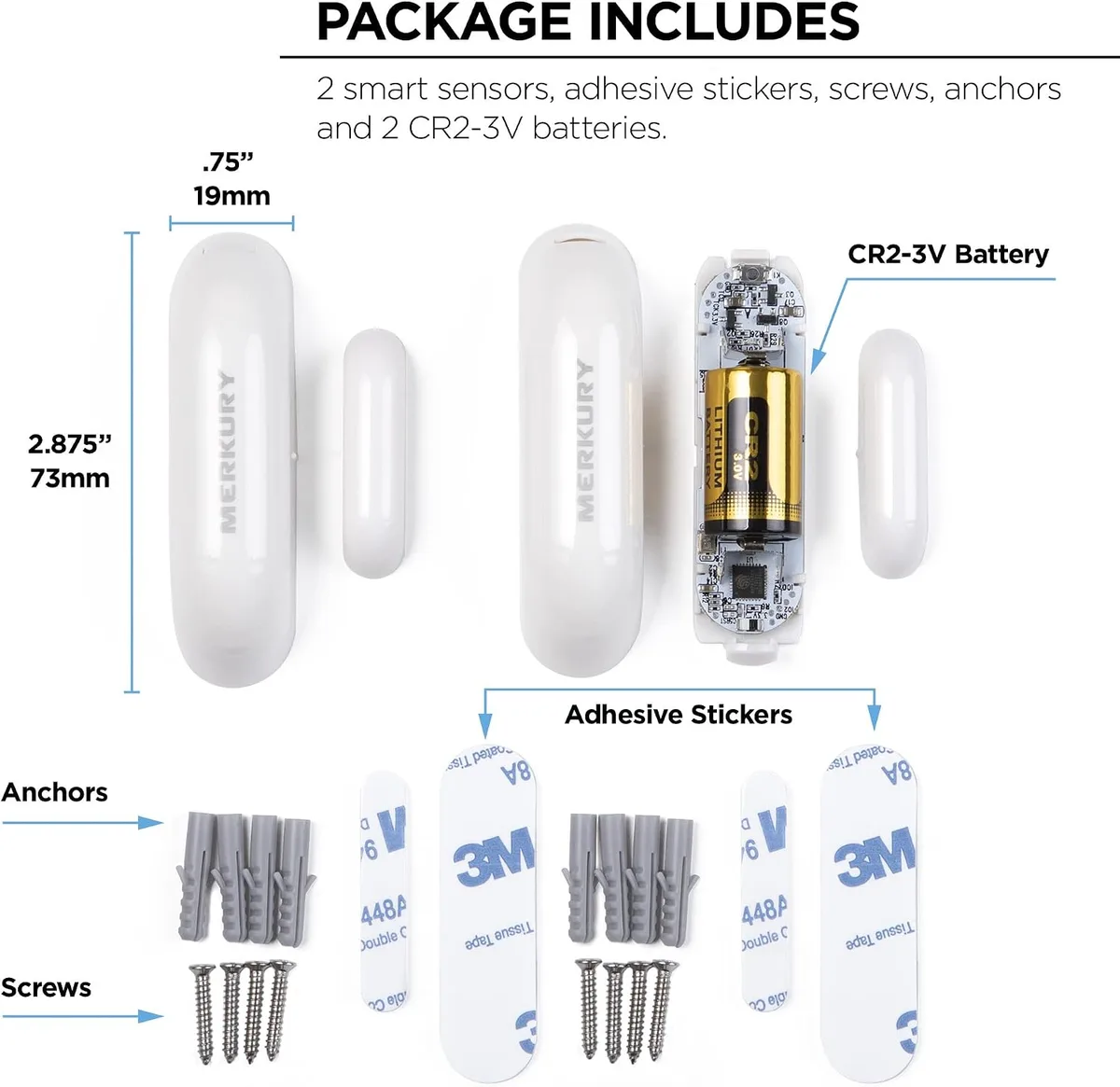
Window sensors work by detecting when a window is opened. The most common type uses two magnetic components: one on the frame and one on the sash. When the window closes, the magnet is near a switch, keeping a circuit complete.
When the window opens, the magnet moves away, breaking the circuit and signaling your security system.
The Magnetic Trick Behind Most Window Sensors
At its heart, how a window sensor works is all about magnetism. It’s not some high-tech radar, but a clever use of a very fundamental physical force to alert you to movement. This setup is designed to be simple, effective, and unobtrusive.
How the Two Parts Communicate
The majority of window sensors you'll encounter use a two-part system. One part, typically the larger piece, contains a reed switch. This switch is sensitive to magnetic fields.
The second part holds a magnet. When you install the sensor, you place one piece on the window frame and the other on the window sash itself. The goal is to align them so that when the window is closed, the magnet is directly next to or very near the reed switch.
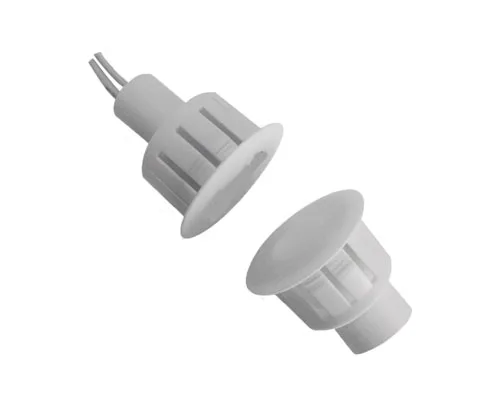
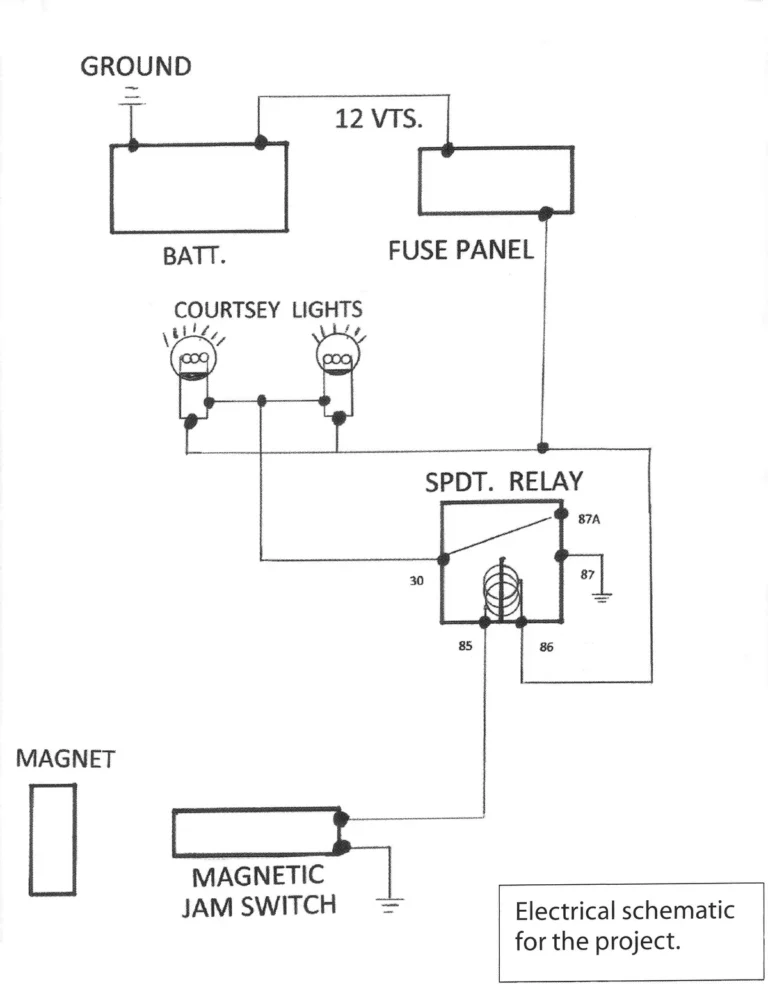
When these two components are in close proximity, the magnetic field from the magnet causes the reed switch to close, completing an electrical circuit. Think of it like closing a gate; the pathway is open. This "closed" state is the normal, secure condition that your security system recognizes as the window being shut.
What Happens When the Window Opens?
The moment you break this magnetic bond is when the sensor does its job. As soon as the window sash is pulled away from the frame, the magnet and the reed switch separate. This physical separation breaks the electrical circuit.
The reed switch, no longer influenced by the magnet's field, opens up.
This open circuit is the signal. It tells the connected security system that something has changed, specifically, that the window has been opened. Your system then interprets this signal according to its programming, which could mean sounding an alarm, sending an alert to your phone, or logging the event.
The speed at which this happens is quite fast, often within milliseconds, ensuring a rapid response.
Key Features and Components to Look For
When you're looking at window sensors, you'll notice a few key differences in their design and how they connect. Understanding these features helps you choose the right ones for your home and security setup. It's not just about the magnet; there are other considerations.
Wired vs. Wireless: What's the Difference?
The biggest distinction you'll find is between wired and wireless window sensors. Both serve the same purpose, but they connect to your security system differently.
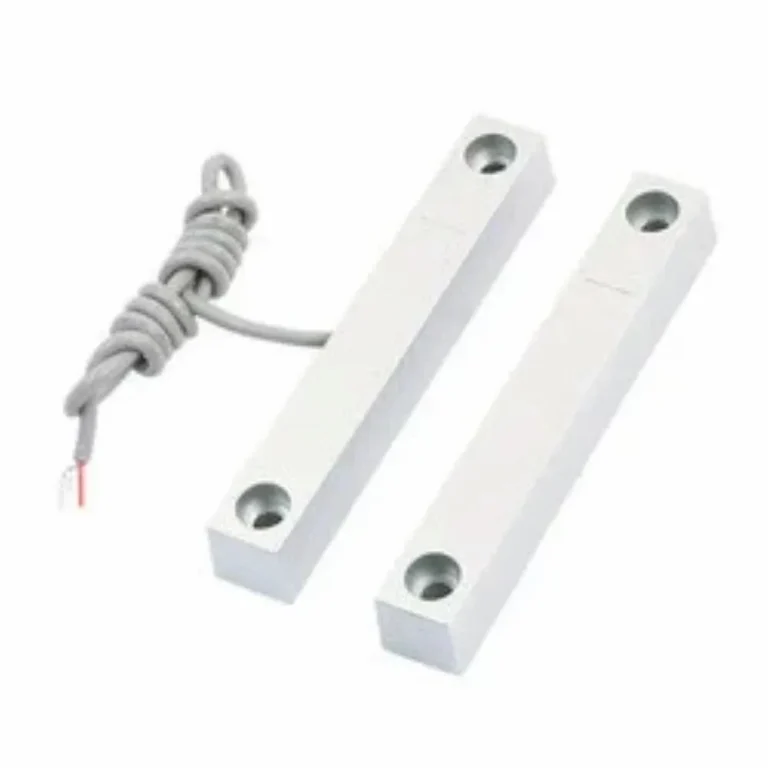
- Wired Sensors: These sensors are physically connected to your security panel using low-voltage wires. This means they require running cables through your walls or along baseboards. The advantage here is reliability; they don't rely on batteries and aren't subject to wireless interference. However, installation can be more complex and might require professional help. Manufacturer documentation often specifies voltage requirements and wire gauge suitable for these systems.
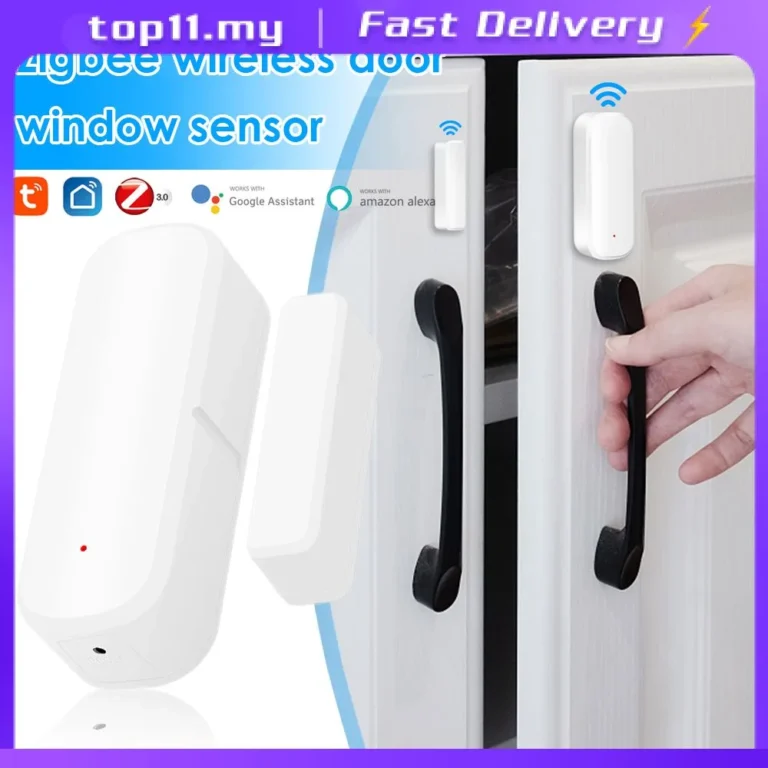
- Wireless Sensors: These are far more common for DIY installations. They communicate with the security panel using radio frequencies (RF), like Wi-Fi, Zigbee, or Z-Wave protocols. They are battery-powered and can be installed quickly and easily. The main consideration with wireless sensors is battery life and potential signal interference.
Aggregate reviews report that wireless sensors typically require battery replacement every 1-5 years, depending on usage and battery type, often using standard coin cell or AA/AAA batteries.
Tamper Detection: An Extra Layer of Security
Some advanced window sensors come with a feature called tamper detection. This is a smart addition that protects the sensor itself. If someone tries to remove, disable, or otherwise mess with the sensor housing, it will trigger an alert to your security system.
This prevents a common method intruders might use to bypass security by simply removing the sensor.
This feature ensures that the sensor remains an active part of your security system even if someone attempts to physically interfere with it. It's a small detail, but it significantly enhances the overall robustness of your home's protection.
Real-World Benefits of Using Window Sensors
So, why go through the trouble of installing window sensors? They offer more than just a basic alarm trigger; they provide a tangible increase in your home's security and your own peace of mind. It’s about creating a more proactive defense.
More Than Just an Alarm Trigger
The primary benefit is, of course, early intrusion detection. When a window is opened without authorization, the sensor immediately signals your security system. This gives you or your monitoring service a crucial head start to respond, whether that's by alerting authorities or deterring the intruder.
Beyond just triggering an alarm, some modern systems allow for integration with other smart home devices. For example, an open window sensor could automatically turn off your smart thermostat to save energy, or trigger smart lights to turn on, acting as a visual deterrent. This level of automation adds convenience and utility.
For many homeowners, the biggest benefit is simply the enhanced sense of security and the knowledge that their home is being monitored, even when they're away.
Common Problems and How to Avoid Them
While window sensors are generally reliable, a few common issues can pop up. Most of these stem from installation or environmental factors, and they're usually straightforward to fix. Understanding these potential hiccups helps you prevent them from happening in the first place.
Installation Errors
The most frequent problem our research points to is improper installation. If the two parts of the magnetic sensor aren't aligned correctly, or if the gap between them is too large when the window is closed, the sensor might not register a secure state, leading to false alarms.
- Misalignment: The magnet needs to be positioned directly opposite the reed switch. If they are offset, the magnetic field might not be strong enough to engage the switch properly.
- Gap Issues: Each sensor has a maximum "activation gap." This is the distance at which the magnet needs to be from the switch to keep the circuit closed. If this gap is exceeded even when the window is shut (perhaps due to a warped frame or faulty installation), the sensor will think the window is open.
Always follow the manufacturer's installation guide carefully, paying close attention to the recommended spacing and alignment.
False Alarms and Troubleshooting
False alarms are frustrating and can sometimes lead to unnecessary calls to emergency services. The most common culprits for window sensors are:
- Strong Winds: If your window is loose or not fully latched, strong gusts of wind can cause it to move slightly, separating the sensor components and triggering a false alarm.
- Pets: Curious pets can sometimes nudge windows open, inadvertently setting off the alarm.
- Battery Issues: Low batteries in wireless sensors can sometimes cause erratic behavior, including false alarms or failure to report an actual opening.
- Environmental Factors: Extreme temperature fluctuations can sometimes affect the performance of electronic components, though this is less common with modern sensors.
To troubleshoot, always check the sensor's battery first, then re-verify the alignment and ensure the window latches securely.
Who Needs Window Sensors and Where They're Best Used
Window sensors aren't just for high-security homes; they're a practical addition for anyone looking to bolster their home's safety. They're particularly effective in certain areas and for specific types of properties, offering a targeted approach to security.
Enhancing Security for Homes and Apartments
Anyone living in a residential property can benefit from window sensors. They are especially valuable for:
- Ground-Floor Windows: These are often the most accessible entry points for burglars. Sensors provide an immediate alert if they are tampered with.
- Basement Windows: Similar to ground-floor windows, these can be easy targets and are often overlooked.
- Apartments: While apartment buildings have communal security, individual units can still be vulnerable. Window sensors add an extra layer of protection for your personal space.
- Homes with Easy Access: Properties with nearby trees, fences, or other structures that could aid in reaching windows are prime candidates for sensor installation.
They serve as a passive deterrent and an active alert system, making your home a less attractive target. For instance, research indicates that visible security measures like sensors can deter up to 80% of potential burglars before they even attempt entry.
Maintaining Your Window Sensors for Long-Term Reliability
Keeping your window sensors in good working order is key to ensuring they'll be there when you need them most. It's not a "set it and forget it" kind of thing, though maintenance is generally pretty minimal.
Battery Life and Replacement
For wireless window sensors, batteries are the most critical maintenance item. While manufacturer specifications often promise battery life of 1 to 5 years, this can vary based on factors like signal strength, how often the sensor is triggered, and the quality of the battery used.
It's a good practice to check your security system's app or panel for battery status notifications. Many systems will alert you when a battery is running low, giving you time to replace it before it fails completely. When it's time for a change, simply open the sensor's housing, swap out the old battery for a new one of the exact same type (commonly CR2032 or similar coin cells), and reassemble.
Ensure you dispose of old batteries responsibly, as they often contain materials that need proper recycling.
Frequently Asked Questions About Window Sensors
How far apart can the two parts of a magnetic window sensor be?
The typical activation gap for most magnetic window sensors is between 0.5 to 1 inch (1.2 to 2.5 cm). This distance can vary slightly between manufacturers and models. Always check the specific product's specifications to confirm the exact range.
Can window sensors be painted to match my decor?
Yes, most plastic sensor housings can be carefully painted. Use a spray primer suitable for plastic, followed by a light coat of your desired paint color. Avoid getting paint on the magnetic surfaces or the internal switch components, as this could interfere with their function.
Do window sensors require a subscription to a monitoring service?
No, window sensors themselves do not require a subscription. They are hardware components. However, to receive alerts or have them trigger a professional monitoring service, you will need a compatible security system that is either self-monitored (via an app) or connected to a third-party monitoring company.
Are window sensors effective against forced entry?
Window sensors are primarily designed to detect when a window is opened. While they won't physically prevent a window from being broken, they will immediately alert your security system to the breach, providing an early warning. They are part of a layered security approach.
Expert Tips for Maximizing Your Window Sensor Security
To get the most out of your window sensors, consider a few expert recommendations that go beyond basic installation. These tips can enhance their effectiveness and ensure they integrate seamlessly with your overall home security strategy.
Ensure that the sensors are placed on windows that are actually used and that you are aware of. Sometimes, forgotten or rarely used windows can be overlooked in security planning, yet they remain potential vulnerabilities. For any window that faces a secluded area or is easily accessible from the ground, a sensor is a smart investment.
Regularly test your sensors at least twice a year by arming your system in test mode and opening each protected window. This confirms they are still communicating properly and that your alarm or notification system is functioning as expected.
Maintaining Your Window Sensors for Long-Term Reliability
Battery Life and Replacement
For wireless window sensors, batteries are the most critical maintenance item. While manufacturer specifications often promise battery life of 1 to 5 years, this can vary based on factors like signal strength, how often the sensor is triggered, and the quality of the battery used.
It's a good practice to check your security system's app or panel for battery status notifications. Many systems will alert you when a battery is running low, giving you time to replace it before it fails completely. When it's time for a change, simply open the sensor's housing, swap out the old battery for a new one of the exact same type (commonly CR2032 or similar coin cells), and reassemble.
Ensure you dispose of old batteries responsibly, as they often contain materials that need proper recycling.
Frequently Asked Questions About Window Sensors
How far apart can the two parts of a magnetic window sensor be?
The typical activation gap for most magnetic window sensors is between 0.5 to 1 inch (1.2 to 2.5 cm). This distance can vary slightly between manufacturers and models. Always check the specific product's specifications to confirm the exact range.
Can window sensors be painted to match my decor?
Yes, most plastic sensor housings can be carefully painted. Use a spray primer suitable for plastic, followed by a light coat of your desired paint color. Avoid getting paint on the magnetic surfaces or the internal switch components, as this could interfere with their function.
Do window sensors require a subscription to a monitoring service?
No, window sensors themselves do not require a subscription. They are hardware components. However, to receive alerts or have them trigger a professional monitoring service, you will need a compatible security system that is either self-monitored (via an app) or connected to a third-party monitoring company.
Are window sensors effective against forced entry?
Window sensors are primarily designed to detect when a window is opened. While they won't physically prevent a window from being broken, they will immediately alert your security system to the breach, providing an early warning. They are part of a layered security approach.
Expert Tips for Maximizing Your Window Sensor Security
To get the most out of your window sensors, consider a few expert recommendations that go beyond basic installation. These tips can enhance their effectiveness and ensure they integrate seamlessly with your overall home security strategy.
Ensure that the sensors are placed on windows that are actually used and that you are aware of. Sometimes, forgotten or rarely used windows can be overlooked in security planning, yet they remain potential vulnerabilities. For any window that faces a secluded area or is easily accessible from the ground, a sensor is a smart investment.
Regularly test your sensors at least twice a year by arming your system in test mode and opening each protected window. This confirms they are still communicating properly and that your alarm or notification system is functioning as expected.