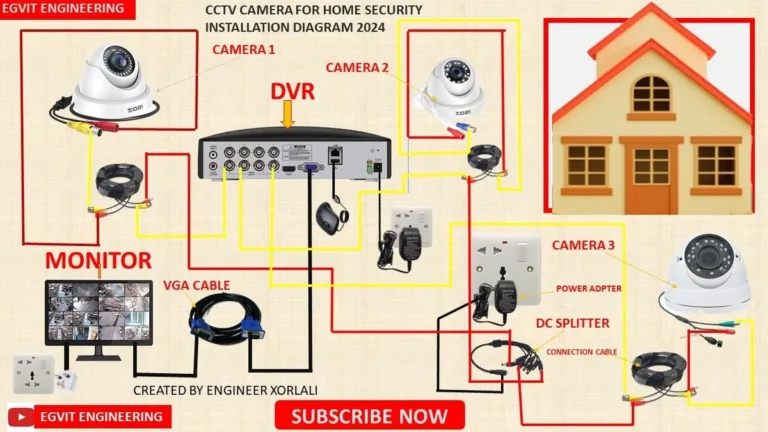
Where Should I Install Outdoor Security Cameras
So, you're wondering, "Where should I install outdoor security cameras?" It's a fantastic question, and getting it right makes all the difference. Strategic placement isn't just about covering a wide area; it's about ensuring you capture what truly matters, deterring unwanted activity, and having clear evidence if something goes wrong.
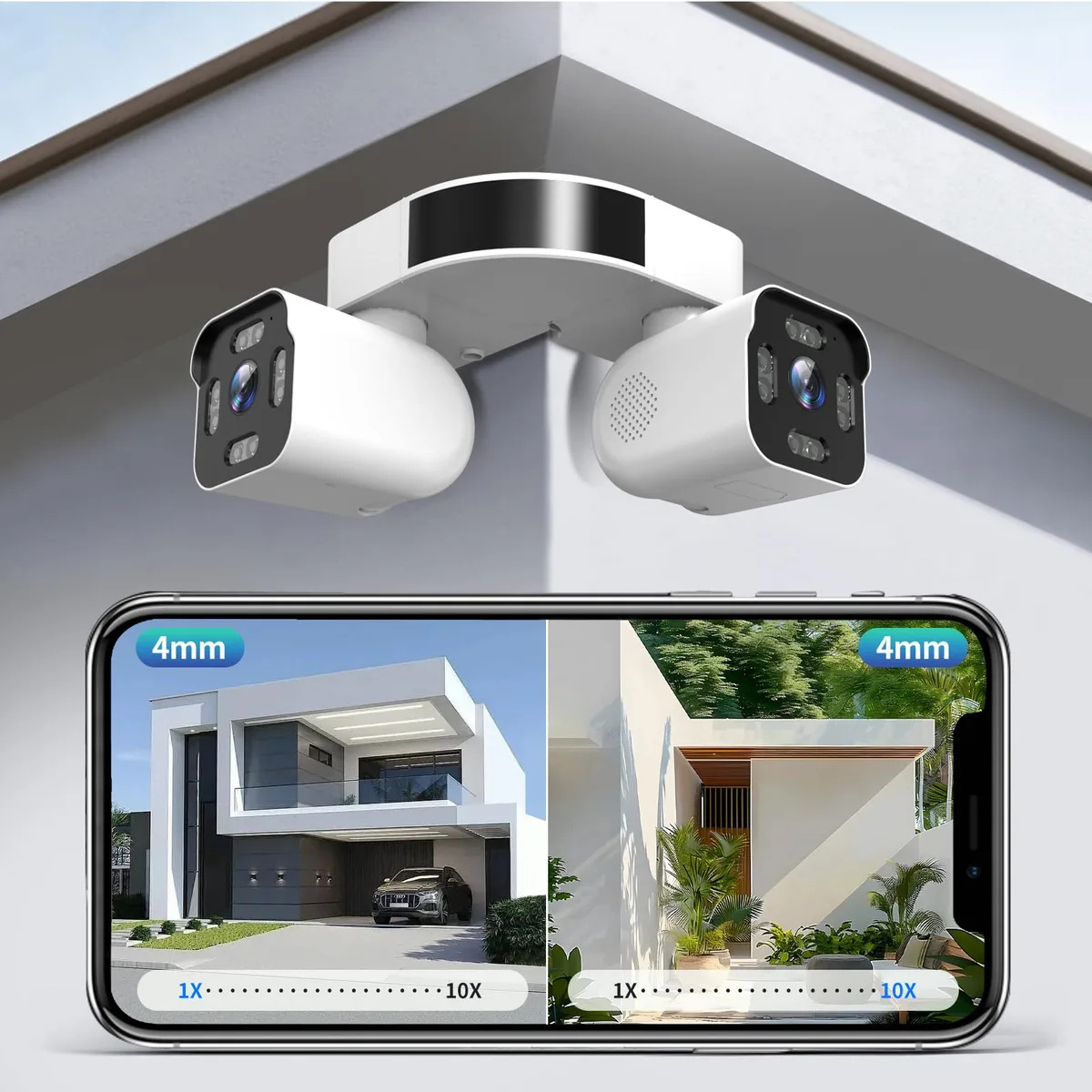
Image source: Web (Bing) / nellisauction.com (Web image (fair-use with source credit))
In our research, we've found that covering the right spots can significantly increase your home's security posture. Manufacturer specifications often highlight that cameras should be mounted at heights of 8 to 10 feet to balance visibility and tamper resistance. Let's break down how to find your home's most effective camera locations.
Quick Answer
Install outdoor security cameras at your front door, back door, and driveway. These are your primary entry points and high-traffic areas. Cover ground-floor windows, gates, and any secluded spots that offer cover to intruders.
Ensure cameras have clear lines of sight, adequate power, and strong Wi-Fi signals. Avoid pointing cameras directly into neighboring properties.
Your Top Security Camera Installation Concerns
Why Placement is Key to Effective Surveillance
Think of your outdoor security cameras as your digital eyes on your property. If those eyes are positioned poorly, they’re practically useless. You might have the most advanced camera with crystal-clear night vision, but if it's pointed at the sky, the neighbor's cat, or blocked by a tree branch, it won't help you spot a package thief or a potential intruder.
The goal is to cover critical angles and deter activity.
Placement impacts everything from what you can see to how well the camera functions. For instance, many modern cameras have a field of view (FOV) that can range from 110° to over 180°. A wider FOV might seem better, but if it’s not angled correctly, it can distort images or miss crucial details at the edges.
Getting the placement right ensures you maximize the technology you’ve invested in.
Common Camera Installation Mistakes to Sidestep
We've all seen those security camera setups that just don't make sense. Maybe the camera is too low and easily tampered with, or it's staring directly into the setting sun, rendering it useless during golden hour. These aren't just minor annoyances; they're actual vulnerabilities.
Common errors include:
- Blind Spots: Failing to cover all entry points or areas that offer concealment.
- Sun Glare: Installing cameras where they face direct sunlight for extended periods.
- Low Mounting: Placing cameras within easy reach of vandals or thieves.
- Wi-Fi Dead Zones: Positioning cameras where the wireless signal is too weak to transmit reliable footage.
- Privacy Infringement: Pointing cameras directly into a neighbor's private spaces.
Avoiding these pitfalls is crucial for effective surveillance.
The "Must-Have" Camera Zones: Protecting Your Entry Points
Front Door: Your First Line of Defense
Your front door is the most obvious entry point, and it's where most visitors, welcome or not, will approach. Installing a camera here is non-negotiable for most homeowners. It's your first line of defense against package theft, solicitors, and potential burglars casing your home.
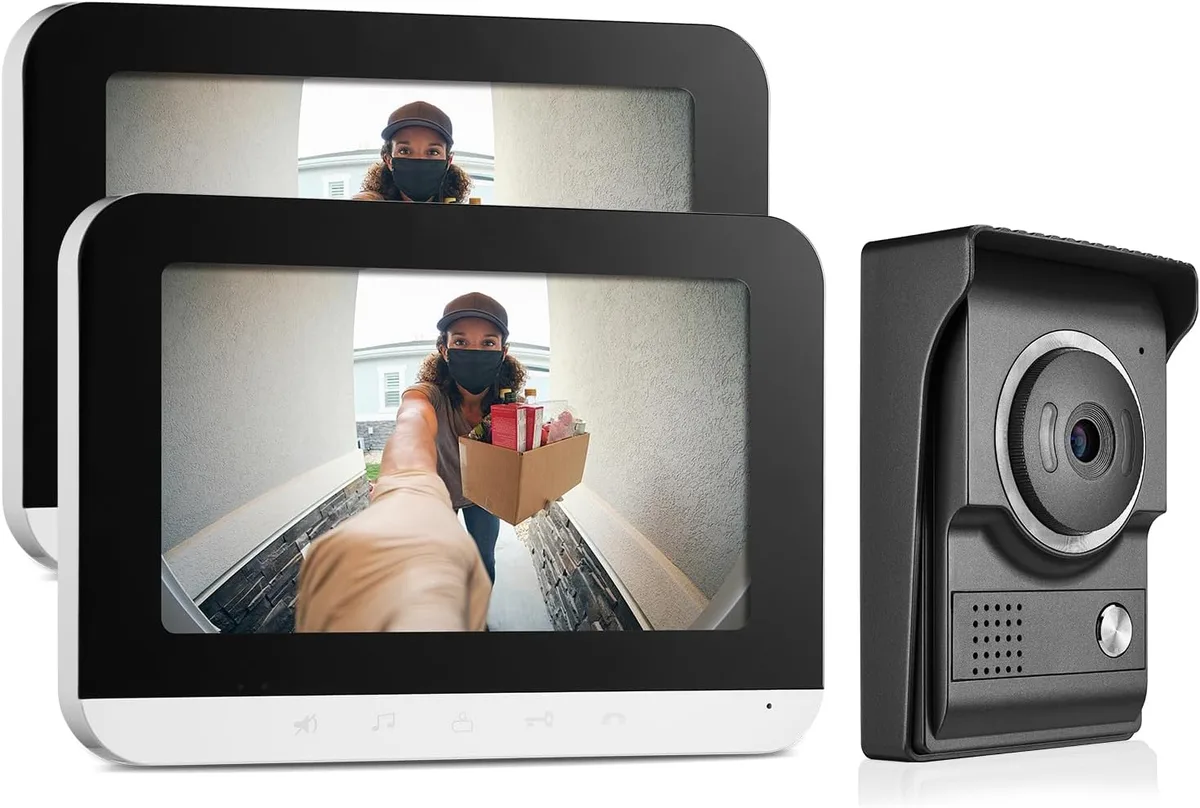
Image source: Web (Bing) / detroinatown.org (Web image (fair-use with source credit))
What you want is a clear, unobstructed view of the door, the walkway leading to it, and any immediate porch area. This allows you to see who is approaching, verify deliveries, and capture clear facial details if necessary. Aggregate reviews report that cameras here provide the highest return on investment for general home security.
Back Door and Rear Access: Covering the Periphery
If your front door is your primary entry, your back door and any other rear access points are often secondary, and sometimes even preferred, targets for intruders precisely because they might be less visible. Think about side gates, patio doors, or basement entrances. These areas deserve the same level of attention as your front entrance.
When positioning a camera for rear access, consider the angles. You want to cover the door itself, but also any paths or yard areas that lead directly to it. This helps identify anyone approaching from less obvious routes.
Ensuring this area is monitored adds a significant layer of security to your entire property.
Driveway and Garage: Securing Vehicles and Access
Your driveway and garage are vulnerable points, especially if you store vehicles, tools, or other valuable items there. A camera positioned to view your driveway can help deter car theft, vandalism, or break-ins. It also provides critical context if someone tries to access your garage.
Ideally, a driveway camera should capture license plates and the general activity in the area. If your garage door is attached to your house, securing this access point is paramount. For detached garages, a camera becomes even more vital for protecting stored assets.
Some systems even offer specific features for detecting vehicles.
Expanding Coverage: Beyond the Obvious Zones
Window and Side Yard Surveillance
While entry doors are primary targets, ground-floor windows are also common points of entry for burglars, especially those less visible from the street or tucked away in the backyard. If you have large or easily accessible windows, particularly those on the first floor, consider covering them.
This doesn't mean you need a camera pointing directly at every single window. Often, a strategically placed camera covering a wider area, like a side yard or a corner of the house, can catch activity near vulnerable windows. The goal is to eliminate shadows and concealed approaches around your home's perimeter.
Secluded Areas and Outbuildings
Many homes have areas that are naturally secluded by landscaping, fences, or the property's layout. These can become prime spots for someone to try and work unnoticed. Think about dense bushes, unlit corners of the yard, or areas behind sheds.
If you have any outbuildings like sheds, workshops, or detached garages where you store equipment, tools, or recreational vehicles, these are also prime targets for theft. Installing a camera specifically on or aimed at these structures adds a robust layer of protection for your stored valuables. This is particularly important if they are out of the main house's camera view.
Practical Camera Setup: Beyond Just Mounting
Power and Wi-Fi: The Unseen Essentials
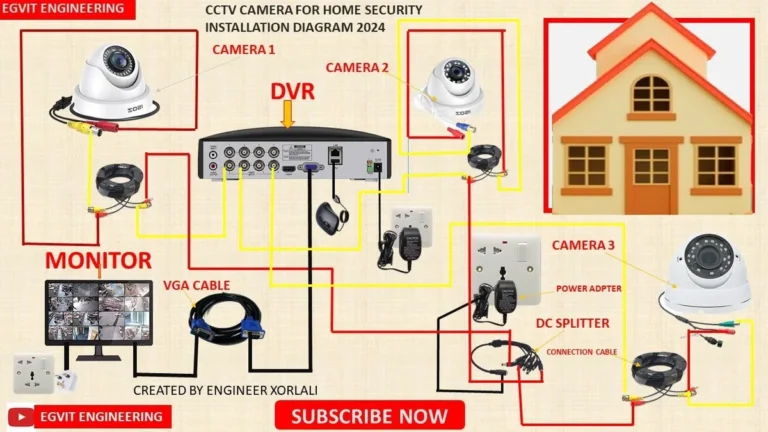
You've picked the perfect spot, but now comes the practical challenge: power and connectivity. Most outdoor security cameras need a stable power source and a reliable Wi-Fi signal to function. For wired cameras, this often means running cables, which can be a significant installation hurdle.
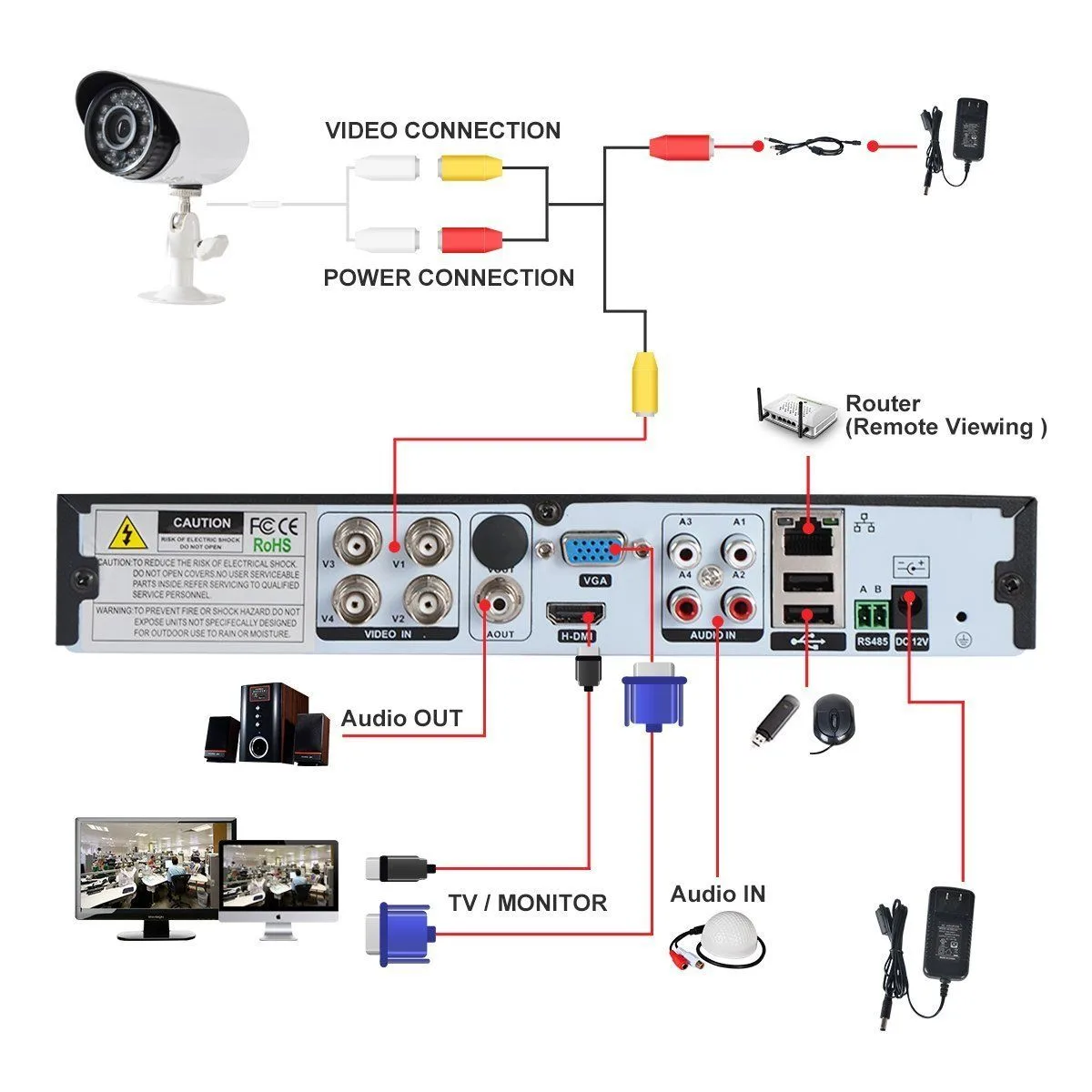
Image source: Web (Bing) / pinterest.com (Web image (fair-use with source credit))
Battery-powered or solar-powered cameras offer more flexibility, eliminating the need for wires. However, they require regular battery charging or sufficient sunlight. Even wireless cameras need a strong Wi-Fi signal.
A weak signal means dropped connections, blurry footage, or delayed alerts, defeating the purpose of surveillance. It's essential to check your Wi-Fi strength in potential camera locations before finalizing your installation plan.
Angle, Height, and Field of View: Capturing the Right Picture
The "how" of mounting is just as critical as the "where." The angle, height, and field of view (FOV) of your camera dictate what you can actually see. Most experts recommend mounting cameras between 8 and 10 feet (2.4 to 3 meters) above the ground. This height is generally high enough to deter casual tampering but low enough to capture useful details like faces and clothing.
Your camera's FOV is its range of vision. A wider FOV (e.g., 130° or 180°) covers more ground, which can be great for large areas like driveways. However, wide-angle lenses can sometimes distort images at the edges.
You need to balance the need for broad coverage with the requirement for clear, identifiable details. A camera angled slightly downward can often provide a better view of approaching individuals than one mounted flat.
Legal and Neighborly Considerations for Camera Placement
Respecting Privacy Boundaries
When you're setting up your outdoor security cameras, a big part of the puzzle is making sure you're not inadvertently spying on your neighbors. Most local ordinances and common courtesy dictate that your cameras should focus on your own property. Pointing cameras directly into a neighbor's windows, their private backyard, or their side of a shared fence is generally a no-go.
If your camera's field of view naturally captures a sliver of a neighbor's property, it's usually okay as long as it's incidental and not the primary focus. However, if a neighbor expresses concern, it's wise to adjust the camera's angle or field of view to alleviate their worries. Maintaining good relationships with your neighbors is just as important as your home's security.
Understanding Local Regulations
Beyond just being neighborly, there are often actual laws governing surveillance systems, especially concerning audio recording. While video recording of public spaces or your own property is usually permissible, many jurisdictions have specific rules about capturing audio, which often requires consent. As of 2026, it's crucial to be aware of these.
Research your local and state laws regarding home security cameras. Some areas may have restrictions on the placement or type of cameras you can use. For instance, some municipalities might have rules about continuous recording of public sidewalks or streets.
Always check with your local government or law enforcement for specific guidelines to ensure you're compliant.
Expert Tips for Optimal Camera Performance
Getting the most out of your outdoor security cameras involves more than just where you stick them. Our research indicates that optimizing their settings and considering environmental factors can make a significant difference in their effectiveness. For example, many motion-detection systems allow you to set specific motion zones, so you can trigger alerts for your driveway but ignore a busy sidewalk.
Another pro tip is to think about the camera's visual range. While cameras with a wide field of view are great for broad coverage, sometimes a narrower, more focused view is better for capturing identifiable details, like a license plate on a car parked across the street. Always consult the manufacturer’s specifications for optimal operating temperatures and humidity ranges, as extreme weather can affect performance.
Frequently Asked Questions About Outdoor Camera Installation
How far away can outdoor security cameras see?
The effective viewing distance for outdoor security cameras varies greatly by model and resolution. Most consumer-grade cameras are designed for short to medium range, typically effective for clear identification of individuals or vehicles within 50 to 100 feet. Higher-resolution cameras, often 4K, can offer clearer details at greater distances, sometimes up to 200 feet or more, especially with good night vision capabilities.
What is the best height to mount an outdoor security camera?
Manufacturer guidelines and security expert recommendations generally suggest mounting outdoor security cameras between 8 and 10 feet (2.4 to 3 meters) above the ground. This height offers a good balance: it's high enough to deter tampering or vandalism but low enough to capture identifiable details of people and vehicles. It also helps achieve a better downward angle for broader coverage without too much distortion at the edges.
Do I need Wi-Fi for outdoor security cameras?
Yes, most modern wireless outdoor security cameras rely on Wi-Fi to transmit footage to your smartphone, cloud storage, or a local recording device. Some older or more specialized systems might use wired Ethernet connections or cellular data, but Wi-Fi is the most common standard for home users. If your Wi-Fi signal is weak in the desired camera location, you may need a Wi-Fi extender or a mesh network to ensure reliable performance.
Can I install outdoor security cameras myself?
Yes, many outdoor security cameras are designed for DIY installation, especially wireless and battery-powered models. These often involve simple mounting procedures and app-based setup. Wired cameras may require more technical skill, including drilling through walls to run cables and connect to your home network or power source.
If you're uncomfortable with electrical wiring or drilling, professional installation is a good option.