Can CCTV Cameras Detect Vehicles?
You're probably wondering if slapping up a CCTV camera is enough to keep an eye on your driveway, a business lot, or even just to know when your package has arrived. It's a fair question, and the answer is… it's not always a straightforward "yes."
Think of it less like a magic eye and more like a tool with specific strengths and weaknesses. We've all seen those grainy security videos, right? Sometimes they catch everything, and other times… well, not so much.
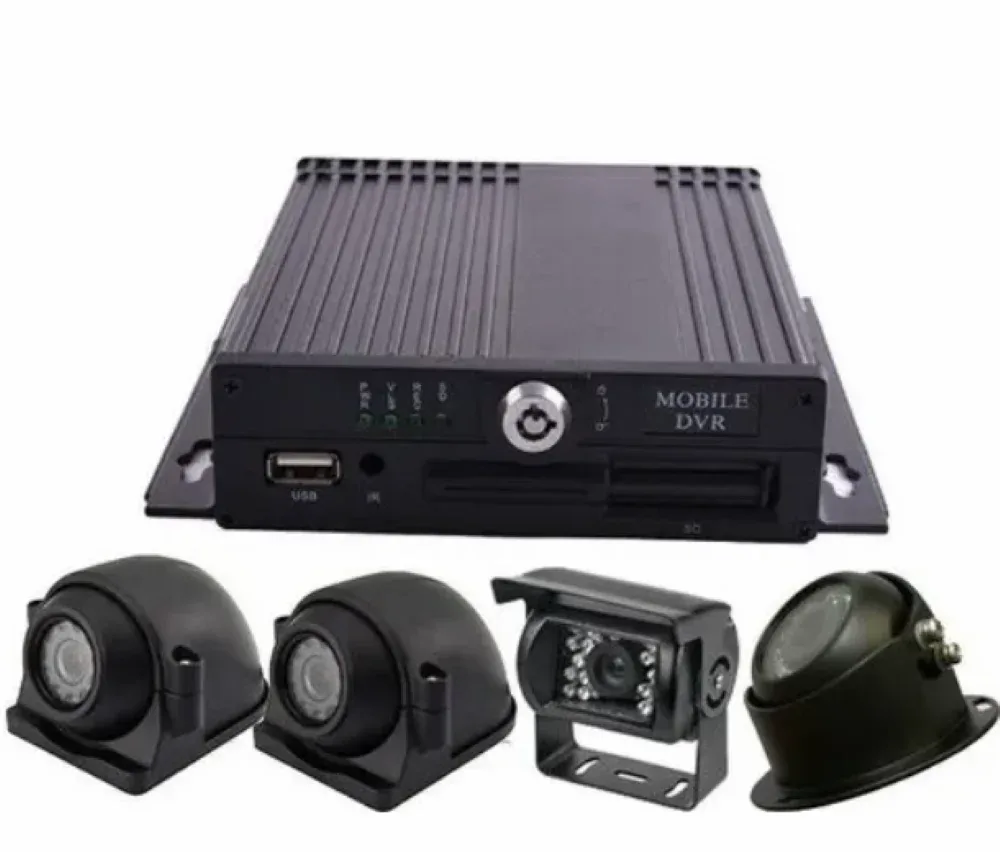
Image source: Web (Bing) / indiamart.com (Web image (fair-use with source credit))
Quick Answer
Yes, CCTV cameras can detect vehicles, but their effectiveness varies greatly. Basic cameras detect general motion, while advanced systems use AI for object recognition or specialized cameras for license plate reading. The specific model, installation, and environmental conditions significantly impact detection accuracy.
How CCTV Cameras "See" Vehicles: The Core Mechanics
CCTV cameras capture visual information, essentially creating a digital image or video stream. What they can "detect" about a vehicle depends entirely on the camera's capabilities and the processing power behind it. At its most basic, a camera records whatever moves in its field of view.
This motion could be a car, a person, or even a fluttering flag.
Manufacturer specifications for many modern cameras will highlight resolution figures, often starting around 1920 x 1080 pixels (1080p). Higher resolutions, like 4K (3840 x 2160 pixels), offer more detail, making it easier to distinguish between different objects and capture finer features, which is crucial for reliable vehicle detection.
What Affects a Camera's Ability to Detect Vehicles?
A camera's success in detecting vehicles isn't a given; it's a conditional outcome, heavily influenced by several factors. If a camera's primary function is just general motion sensing, it will flag any movement. However, if you need it to specifically identify a car, the camera's built-in intelligence or the system it's connected to plays a huge role.
- Environmental Conditions: Think about a very dark night or a heavy rainstorm. These conditions can drastically reduce visibility, making it difficult for even the best cameras to capture clear images. Glare from headlights or sunlight can also blind the lens momentarily.
- Camera Placement: Where you point the camera matters. An angled view might make it harder to identify a vehicle's make or model compared to a direct, head-on shot. Obstructions, like trees or pillars, can also create blind spots where vehicles can go undetected.
- Camera Specifications: As we touched on, the camera's hardware is fundamental. Is it designed for low-light? Does it have a wide enough angle to cover the entire area? These aren't minor details; they directly dictate what the camera can perceive.
AI and Specialized Software: Smarter Detection
This is where things get interesting. While basic CCTV cameras rely on simple motion detection, many modern systems leverage Artificial Intelligence (AI) and sophisticated software to significantly enhance vehicle detection capabilities. These systems go beyond just seeing movement; they analyze the visual data to understand what's happening.
AI algorithms can be trained to recognize the distinct shapes and patterns of vehicles. This allows the system to differentiate between a car, a person, or an animal, leading to more accurate alerts and fewer false positives. This advanced processing is what enables features like object classification and even more complex analytics.
Key Features That Make a Difference
When you're looking to ensure your CCTV setup can reliably detect vehicles, certain features are non-negotiable. These aren't just buzzwords; they translate directly into practical performance, especially in challenging conditions. Choosing a camera with the right attributes can mean the difference between a useful security tool and a frustrating gadget.
Resolution and Image Quality
The resolution of a CCTV camera dictates how much detail it can capture. Think of it like looking through a window: a small, smudged window gives you a blurry, limited view, while a large, clean window provides a clear, expansive picture. For vehicle detection, higher resolution is almost always better.
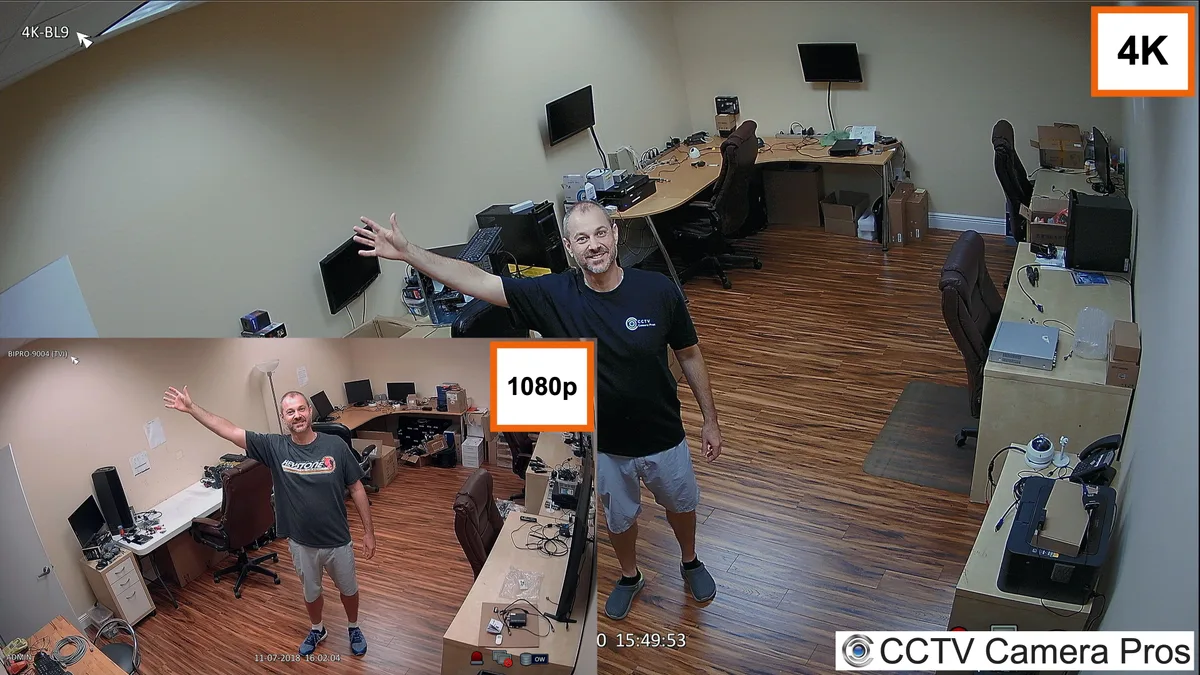
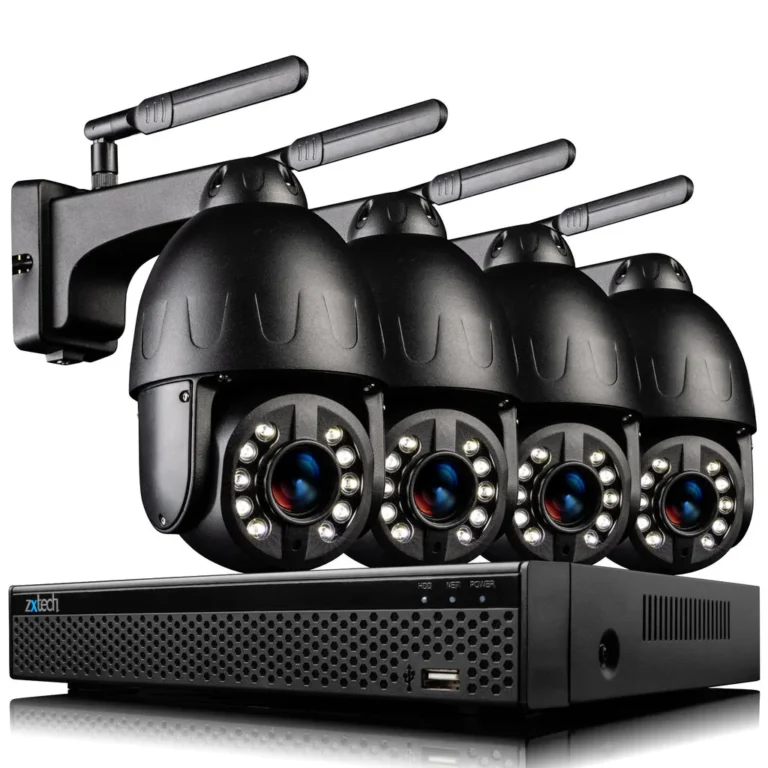
Image source: Bing (Web (fair-use with source credit))
A camera with a resolution of 1920×1080 pixels (commonly known as 1080p or Full HD) is considered standard for good quality. However, for reliably identifying vehicle types or reading license plates, you'll often need resolutions of 2560×1440 (2K) or even 3840×2160 (4K). Higher pixel density means finer details can be resolved, making it easier to distinguish vehicles from other objects and capture important identifiers.
Poor image quality can render a camera useless for anything beyond basic motion detection.
Night Vision and Low-Light Performance
Vehicles don't just travel during daylight hours. Effective vehicle detection requires the camera to perform well in low-light and complete darkness. This is where night vision technology comes in, most commonly through infrared (IR) illuminators.
IR LEDs on the camera emit infrared light, which is invisible to the human eye but can be detected by the camera's sensor. This allows the camera to "see" in the dark, often rendering the scene in black and white. The range and effectiveness of IR illuminators vary significantly between models.
Some cameras also feature advanced low-light sensors that can capture more color information and detail in dim conditions without relying solely on IR. This is crucial for accurately identifying vehicle colors or distinguishing subtle features at night.
Field of View and Angle
The field of view (FOV) refers to the extent of the scene that a camera can capture at a single moment. It's typically measured in degrees, indicating how wide or narrow the camera's "vision" is. A wider FOV means the camera can cover a larger area, increasing the likelihood of spotting a vehicle entering or moving within its frame.
For instance, a camera with a 90-degree FOV will see a much broader sweep than one with a 45-degree FOV. This is particularly important for monitoring large areas like driveways, parking lots, or entrances. Additionally, the angle at which the camera is mounted can impact its effectiveness.
A downward-facing camera might have trouble identifying the make or model of a car compared to a camera positioned more directly to capture its profile or front/rear. Proper angling helps avoid obstructions and ensures the most critical parts of the vehicle are visible.
AI and Specialized Software: Smarter Detection
Beyond basic motion detection, modern CCTV systems are increasingly incorporating Artificial Intelligence (AI) and specialized software to elevate their vehicle detection capabilities. These technologies transform a passive recording device into an active analytical tool. AI algorithms analyze video feeds in real-time, looking for patterns and characteristics unique to vehicles.
This means the system can go beyond simply registering movement. It can be programmed to differentiate between a car, a truck, a motorcycle, or even a bicycle. This advanced object recognition significantly reduces false alarms caused by non-vehicle motion, such as falling leaves or small animals.
It's this level of sophisticated processing that enables more precise tracking and identification.
When Does CCTV Actually Work for Vehicle Detection? (Use Cases)
CCTV's ability to detect vehicles isn't a one-size-fits-all situation; its success hinges on what you actually need to achieve. Understanding these different scenarios helps you choose the right equipment and manage your expectations. Not all detection is created equal, and the technology can excel in some areas while struggling in others.
Basic Motion Detection: Just Knowing Something Moved
This is the most common and fundamental level of detection offered by many CCTV systems. If a camera registers a change in pixels within its frame, it triggers an alert or starts recording. This is useful for knowing if anything entered your monitored area.
For example, you might get an alert if a car pulls into your driveway, but you won't know if it's your spouse, a delivery driver, or someone you don't recognize without further investigation. This type of detection is relatively simple and found on most security cameras, but it can lead to frequent false alarms from non-vehicle sources like windblown debris. For more on this, you can learn about how to fix security camera motion detection issues.
Object Recognition: Identifying the Vehicle Type
Moving up the sophistication scale, object recognition uses AI to analyze the moving object and classify it. Instead of just registering "motion," the system can tell you, "A vehicle has entered the scene." This is far more useful for security purposes. For instance, a business owner might only want alerts when a car enters their lot after hours, ignoring pedestrian traffic during the day.
This feature requires cameras with built-in AI capabilities or integration with an intelligent video analytics (IVA) platform. It significantly narrows down potential issues to actual vehicle presence, streamlining your monitoring efforts.
License Plate Recognition (LPR/ANPR): The High-Tech Challenge
License Plate Recognition (LPR), also known as Automatic Number Plate Recognition (ANPR), is the most advanced form of vehicle detection. It aims to capture and read the unique alphanumeric characters on a vehicle's license plate. This technology is critical for applications like access control in gated communities, toll collection, or law enforcement.
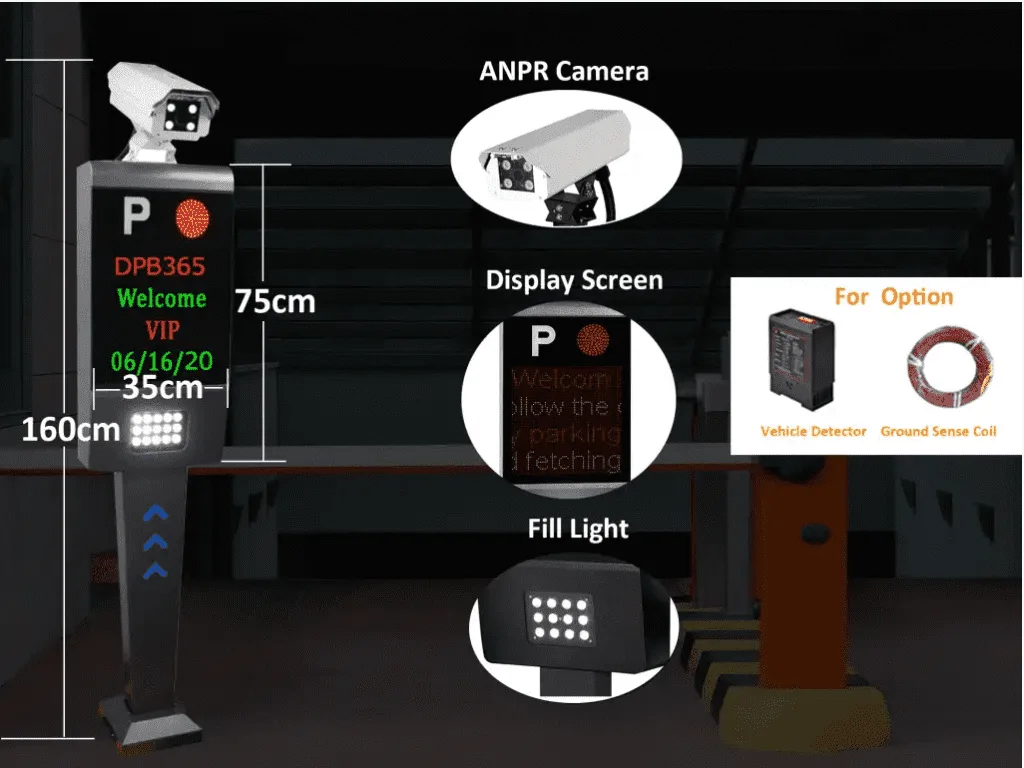
Image source: Bing (Web (fair-use with source credit))
However, achieving reliable LPR is challenging. It demands highly specialized cameras with extremely high resolution (often 4K or higher) and very specific lens types, typically set at a precise distance and angle to the roadway. Optimal lighting conditions, both day and night, are paramount, and sophisticated software algorithms are required to process the captured images.
Achieving a high accuracy rate, often above 95%, depends on meticulous setup and ideal environmental factors. Not all standard CCTV cameras can perform LPR; it typically requires dedicated LPR camera systems. For insights on system performance, understanding how to reduce security camera bandwidth can also be relevant for high-data LPR systems.
Common Problems and How to Avoid Them
Even with the best technology, CCTV cameras can run into snags when trying to detect vehicles. Understanding these common issues is the first step in preventing them. Knowing what to look for and how to mitigate these problems ensures your system works as intended.
Lighting Glare and Shadows
Bright sunlight reflecting off a vehicle's windshield or body can create glare that obscures details or even blinds the camera momentarily. Similarly, harsh shadows cast by buildings, trees, or even other vehicles can make it difficult for the camera to distinguish the object clearly.
- If glare is an issue: Try repositioning the camera to avoid direct sun angles during peak times, or look for cameras with High Dynamic Range (HDR) capabilities, which help balance bright and dark areas in the image.
- For shadow problems: Consider cameras with good wide dynamic range (WDR) or infrared (IR) illumination, as IR can cut through shadows by providing its own light source in black and white.
Weather Woes
Adverse weather conditions are a significant hurdle for any outdoor surveillance. Heavy rain, snow, or fog can significantly reduce visibility, making it incredibly difficult for cameras to capture clear images of anything, let alone a specific object like a vehicle. The water droplets or snowflakes can distort the image, and fog can create a diffused, milky effect.
- What helps: Cameras with robust weatherproofing (e.g., IP66 or IP67 ratings) are essential for outdoor use. Some advanced systems might offer thermal imaging, which detects heat signatures rather than visible light, making them more effective in fog or smoke. However, this is a much more expensive and specialized solution. For most standard CCTV, severe weather will inevitably impact detection accuracy.
Obstructions and Blind Spots
Anything that physically blocks the camera's line of sight will prevent it from detecting a vehicle. This could be anything from overgrown tree branches and parked cars to structural elements like pillars or walls. If a vehicle is hidden behind an obstruction, the camera simply can't see it, regardless of its resolution or detection capabilities.
- Preventing blind spots: Regular physical inspection of the camera's view is key. Trim back any foliage that might obstruct the lens. When installing cameras, carefully plan their placement to ensure they have a clear, unobstructed view of the intended area. If a particular angle is always blocked, you might need to consider installing an additional camera to cover that blind spot. This is crucial for comprehensive coverage, especially in areas with frequent vehicle traffic.
Misinterpreting Movement
A common frustration with basic motion detection systems is the sheer volume of false alerts. A camera might trigger when a small animal crosses its path, a gust of wind blows leaves around, or even when shadows shift. This constant stream of irrelevant notifications can be incredibly annoying and can cause users to eventually ignore all alerts, defeating the purpose of the system.
If you're experiencing this, you might want to look into how to fix security camera motion detection problems.
- If you're getting too many false alerts: The first step is to refine the motion detection zones and sensitivity settings in your camera's software. Many systems allow you to draw specific areas within the frame that you want the camera to monitor and adjust how sensitive it is to movement. For more advanced systems, enabling object recognition to specifically look for vehicles can dramatically cut down on these false positives. If your camera consistently misinterprets common environmental events, you may need to upgrade to a system with smarter analytics.
Choosing the Right CCTV for Vehicle Detection: A Decision Guide
Deciding on the best CCTV camera for vehicle detection isn't just about picking the most expensive model. It's about matching the technology to your specific needs and environment. Think of it like choosing a tool for a job, you wouldn't use a hammer to tighten a screw.
The same principle applies here, and understanding your requirements is the first step.
Understanding Your Needs: What Do You Want to Detect?
First, ask yourself: what exactly do you need the camera to do? Are you simply trying to know if a vehicle has entered your property, or do you need to identify which vehicle it is?
- Basic Presence: If you just need to know that a car has arrived or left, basic motion detection might suffice. This is the most common feature, but as we've discussed, it can generate false alarms.
- Vehicle Identification: If you need to know the type of vehicle (car, truck, motorcycle) or even distinguish between similar vehicles, you'll need a system with AI-powered object recognition. This offers a significant upgrade in accuracy over simple motion sensing.
- License Plate Capture: For highly specific needs like identifying a car by its license plate, you're looking at dedicated License Plate Recognition (LPR) or Automatic Number Plate Recognition (ANPR) systems. These are specialized and require precise setup.
Camera Specifications to Look For
Once you know your needs, you can focus on the specs. For reliable vehicle detection, prioritize:
- High Resolution: Aim for at least 1080p (Full HD), but 2K or 4K resolution cameras are far better for detail.
- Strong Night Vision: Look for cameras with good IR range (e.g., 30-50 meters) or advanced low-light sensors.
- Wide Field of View (FOV): A FOV of 90 degrees or more is beneficial for covering larger areas.
- WDR/HDR: These features help manage challenging lighting conditions like bright sun or deep shadows.
- AI/Object Recognition: If identifying vehicle types is important, ensure the camera or system supports this.
When to Consider a Professional System
For critical applications, especially LPR or large-scale surveillance, a professional-grade system is often necessary. These systems are designed for higher accuracy, better reliability, and can integrate with other security measures. They may include specialized cameras, powerful analytics software, and professional installation support.
If your budget allows and your security requirements are high, investing in a professional solution can save you headaches and provide superior results. You might also need to consider how to transfer security camera footage if you opt for a more complex setup.
Frequently Asked Questions About CCTV and Vehicle Detection
How well do standard CCTV cameras detect vehicles at night?
Standard CCTV cameras with basic infrared night vision can detect the presence of vehicles at night, often appearing as white shapes against a dark background. However, distinguishing specific makes or models, or reading license plates, becomes very difficult due to limited detail in low light and potential glare from headlights.
Can I use a regular home security camera for LPR?
Generally, no. While some high-end home security cameras might capture decent detail during the day, they typically lack the specialized hardware (high-resolution sensors, specific lenses) and advanced software processing required for reliable License Plate Recognition (LPR). Dedicated LPR cameras are designed for this purpose.
How does weather affect CCTV vehicle detection?
Heavy rain, snow, or fog can significantly impair a CCTV camera's ability to detect vehicles. Water droplets or snowflakes can distort images, and fog can create a diffuse effect that obscures details. While weather-proof cameras can withstand the elements, their vision is still compromised by poor visibility.
What is the difference between motion detection and object recognition for vehicles?
Motion detection simply registers any movement within the camera's view. Object recognition, often powered by AI, analyzes the moving object and classifies it as a specific type, such as a vehicle, person, or animal, leading to more accurate and relevant alerts.
How do I ensure my CCTV camera captures clear license plates?
For reliable license plate capture, you need a dedicated LPR camera system. This involves a camera with very high resolution (4K+), a specific lens suited for close-range, high-speed capture, optimal positioning directly facing the license plate, and ideal lighting conditions. Software processing is also critical for this task.
Expert Tips for Maximizing Vehicle Detection with CCTV
To get the most out of your CCTV system for vehicle detection, a few key considerations can make a significant difference. It's about smart setup and understanding the technology's limits.
- Strategic Placement is Crucial: Always position cameras to have a clear, unobstructed view of where vehicles are expected to be. Avoid placing them where trees, buildings, or other permanent structures can block the frame. For LPR, the angle and distance to the license plate are paramount.
- Leverage AI When Possible: If your budget allows, opt for cameras or systems with AI-powered object recognition. This drastically reduces false alarms and ensures you're only alerted to relevant events, like actual vehicle arrivals, rather than windblown leaves. You can learn more about common issues when you learn how to update security camera firmware to ensure AI features are functioning correctly.
- Consider Lighting Conditions: Ensure your cameras have adequate night vision capabilities for the areas you're monitoring. If you're experiencing issues with glare or poor low-light performance, look into cameras with WDR or HDR features. For LPR, ensure adequate lighting is present or supplemented.
- Regular Maintenance: Periodically check your cameras for dirt or debris on the lens, especially after severe weather. Also, ensure your system's software is up to date, as manufacturers often release updates that improve detection algorithms and fix bugs. You might need to know how to reset a security camera if it encounters persistent software glitches affecting detection.