Can CCTV Cameras Run on Batteries?
So, you're looking for a flexible way to monitor your property without the hassle of wiring. The big question on your mind is probably: Can CCTV cameras run on batteries? Absolutely, they can, and it's opening up a world of placement possibilities that were previously impossible.
Many modern security camera systems are designed with battery power in mind, offering a practical solution for many homeowners and businesses. Manufacturer specifications often detail battery capacities, with some units rated for several months of operation on a single charge under typical usage. This flexibility means you can get eyes on areas where running traditional power cables is either too costly or simply not feasible.
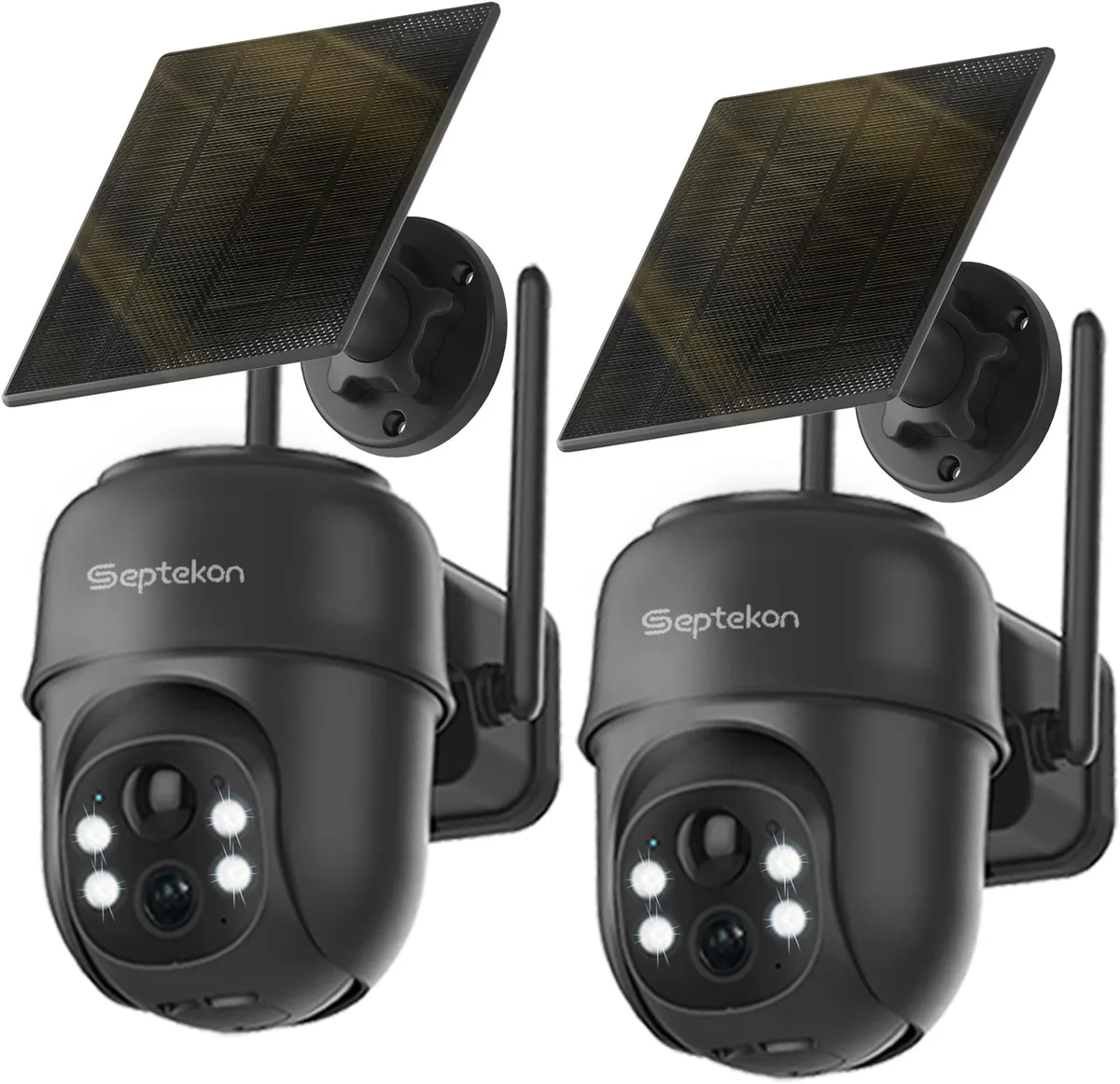
Image source: Web (Bing) / amazon.com (Web image (fair-use with source credit))
Quick Answer
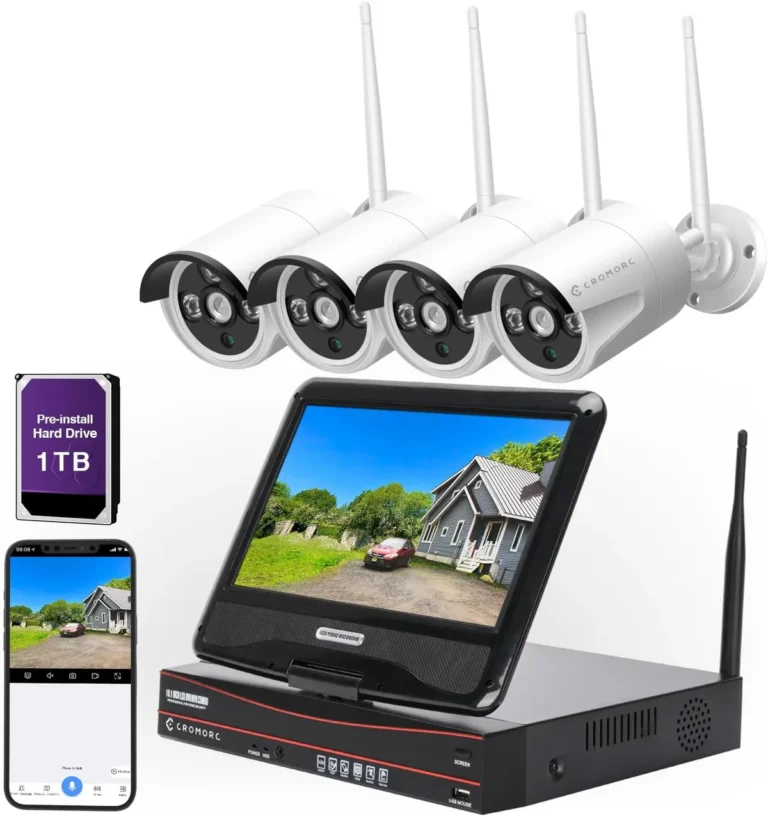
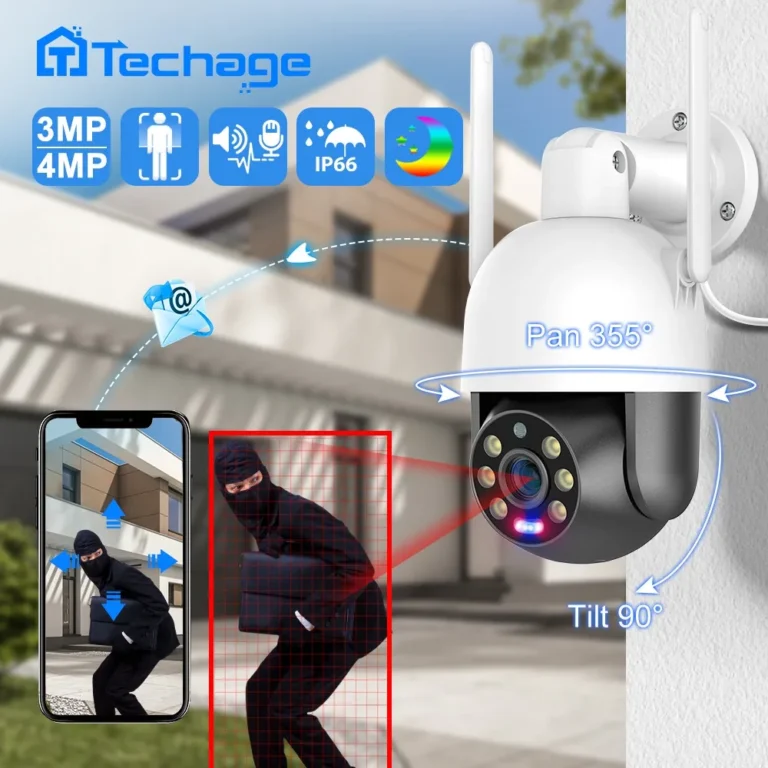
Yes, many CCTV cameras can run on batteries. These are typically wireless security cameras featuring rechargeable batteries, external battery packs, or solar-charging options. Battery power offers installation flexibility but requires managing battery life and charging schedules.
Battery-Powered CCTV: How It Works
Battery-powered CCTV cameras rely on an internal or external power source that isn't connected to your main electrical grid. This makes them incredibly useful for places where running wires is a challenge, like outdoor sheds, detached garages, or even temporary setups. They essentially bring the surveillance capability to locations where traditional power outlets aren't readily available.
The core idea is simple: a battery stores energy, which the camera then uses to operate its recording and connectivity functions. Think of it like your smartphone, it has a battery that needs recharging, and so do these cameras.
Rechargeable Batteries vs. Solar Power
When we talk about battery-powered CCTV, there are usually two main approaches to keeping them juiced up:
- Rechargeable Batteries: These are the most common. Cameras come with built-in batteries that you'll need to remove and charge periodically, or sometimes charge directly via a USB cable while the camera is mounted. The duration a battery lasts depends on usage, detection frequency, and the camera's own power consumption. You might get anywhere from a few weeks to several months between charges, depending on the model and how active the area is.
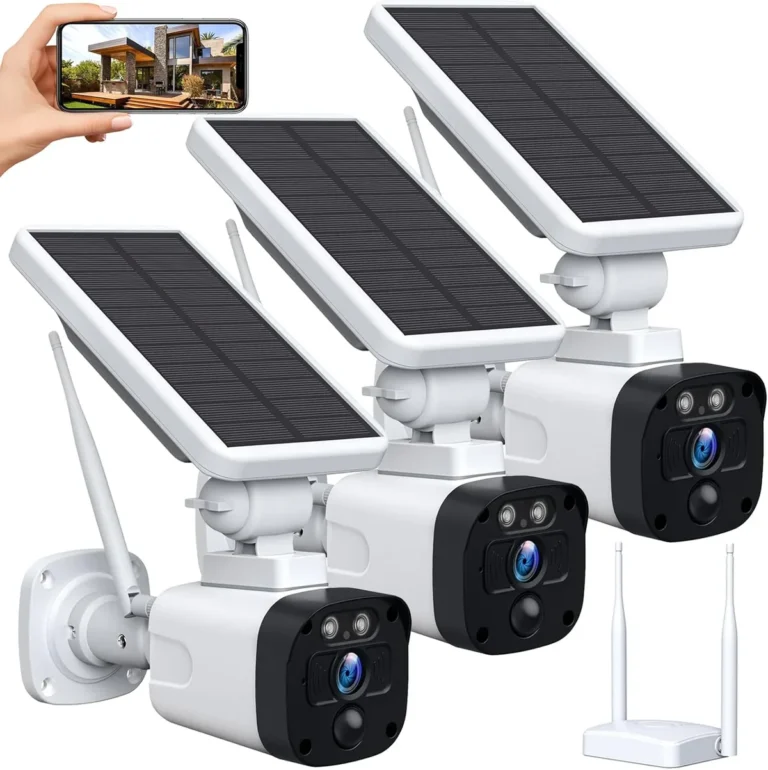
- Solar Power: This is a more hands-off approach. Cameras designed for solar power come with a separate solar panel. During the day, the panel captures sunlight and uses it to recharge the camera's internal battery. This is fantastic for outdoor use, as it can potentially provide continuous power as long as there's adequate sunlight. However, even solar-powered cameras often have a backup battery to ensure they keep running through the night or on cloudy days.
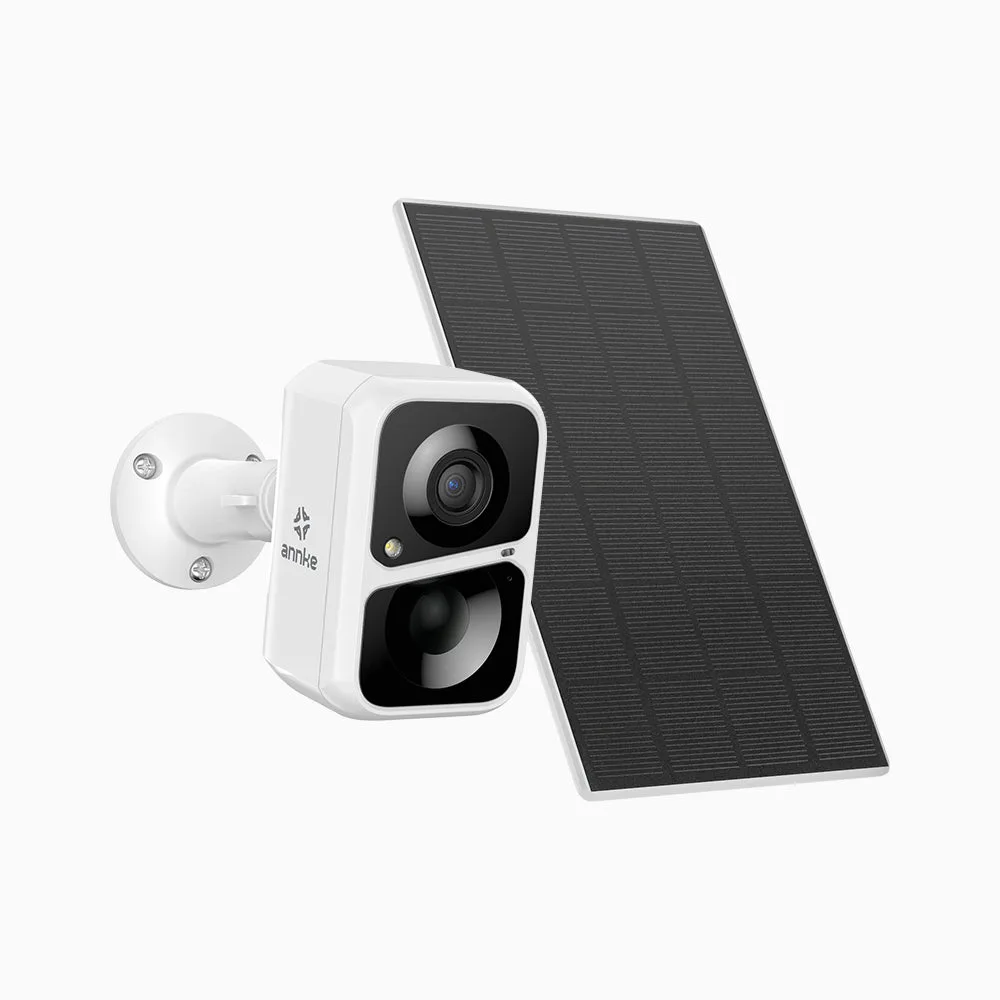
Image source: Bing (Web (fair-use with source credit))
Understanding Battery Life Factors
The advertised battery life for a wireless CCTV camera is often an estimate under ideal conditions. In reality, several factors can significantly impact how long your battery lasts:
- Motion Detection Frequency: Cameras that constantly record will drain batteries much faster than those that only activate when motion is detected. High-traffic areas mean more frequent wake-ups and more power usage.
- Wi-Fi Signal Strength: A weak Wi-Fi signal forces the camera to work harder to maintain a stable connection. This extra effort consumes more battery power. You can learn more about how to improve security camera WiFi signal to combat this.
- Video Quality and Recording Duration: Higher resolution video and longer recording clips require more processing power and thus more battery.
- Environmental Conditions: Extreme temperatures, both hot and cold, can affect battery performance and longevity.
- Firmware Version: Sometimes, updates to a camera's firmware can improve power management. Keeping your firmware up-to-date is a good practice; you can find out how to update security camera firmware on our site.
When Battery Power Makes Sense for Your CCTV
Choosing battery-powered CCTV isn't just about convenience; it's about solving specific placement challenges. If you've ever looked at a spot and thought, "I wish I could put a camera there, but there's no power," then this category of cameras is likely for you. They bridge the gap where traditional wired setups are impractical or prohibitively expensive.
Think about where you need surveillance. Is it an area with no existing power outlets? Perhaps a rental property where you can't make permanent wiring changes?
Or maybe you need a temporary solution for a specific event or period? These are the situations where battery-powered cameras truly shine.
Ideal Scenarios for Wireless Cameras
Battery-powered security cameras are incredibly versatile. Their appeal lies in the freedom of placement they offer.
- Outdoor Sheds or Garages: These structures often lack convenient power outlets, making wireless, battery-operated cameras a perfect fit for monitoring tools or equipment.
- Detached Structures: Similar to sheds, detached garages or workshops can be easily monitored without running long, unsightly cables.
- Rental Properties: When you can't or don't want to make permanent wiring alterations, battery-powered cameras are ideal. You can easily install and remove them without damaging walls.
- Temporary Event Monitoring: Need to keep an eye on a specific area for a limited time? Battery cameras are quick to set up and take down.
- Hard-to-Reach Outdoor Areas: Monitor gates, distant corners of your property, or areas where outdoor power is scarce.
Image source: Web (Bing) / cctvsecuritypros.com (Web image (fair-use with source credit))
Who Benefits Most from Battery CCTV
The primary beneficiaries are individuals and businesses seeking installation ease and placement flexibility. If you're not comfortable with electrical wiring or want to avoid the cost and complexity of hiring an electrician, battery-powered cameras are a game-changer. They empower homeowners to enhance their security without professional installation.
This type of camera also appeals to renters, people in older homes with limited power access, or anyone who prioritizes a clean, wire-free aesthetic. The ability to move cameras easily is a significant advantage for those who might relocate or change their surveillance needs over time.
The Trade-Offs: Battery CCTV Pros and Cons
Like any technology, battery-powered CCTV cameras come with their own set of advantages and disadvantages. Understanding these will help you decide if they're the right fit for your specific needs and expectations. It's rarely a straightforward "better" or "worse" than wired options, but rather a case of "better for this specific situation."
The core trade-off usually boils down to installation simplicity and placement freedom versus battery management and potential recording limitations. Our research indicates that while many users love the ease, a significant portion also grapple with keeping their cameras powered.
Benefits: Freedom and Flexibility
The biggest draw for battery-powered cameras is undoubtedly their installation flexibility. You're not tethered by power outlets, meaning you can mount them almost anywhere you need coverage. This is especially valuable for renters or for covering blind spots in your existing security setup.
- Simple Setup: Installation is typically straightforward, often involving just mounting the camera and connecting it to your Wi-Fi.
- Wire-Free Aesthetic: No visible power cords contribute to a cleaner, more discreet installation.
- Portable: Easy to reposition or take with you if you move.
- Cost-Effective for Remote Spots: Avoids the expense of hiring an electrician to run wires to remote locations.
Drawbacks: Limitations and Maintenance
The primary limitation is the reliance on battery power. Batteries will eventually run out, requiring a recharge or replacement. This means they aren't ideal for situations where continuous, uninterrupted recording is critical, unless you have a robust solar charging solution or a readily available battery swapping system.
- Battery Management: You'll need a plan for recharging or replacing batteries, which can be inconvenient.
- Intermittent Recording: If the battery dies, the camera stops recording, leaving a gap in your surveillance.
- Potential for Performance Degradation: Battery life can decrease over time, and extreme temperatures can affect performance.
- Wi-Fi Dependence: Most battery cameras are wireless, so a stable Wi-Fi connection is crucial, and a weak signal can drain the battery faster.
Key Considerations Before You Buy Battery CCTV
Before you click "buy" on that battery-powered security camera, take a moment to think through a few key details. It's easy to get caught up in the "wire-free" appeal, but understanding these points will save you headaches down the line and ensure you pick a camera that actually meets your needs.
Our analysis of user feedback and manufacturer data shows that expectations around battery life and charging frequency are the most common areas where people encounter surprises. Being prepared for these aspects is crucial for a positive experience.
Installation & Placement Nuances
While installation is generally easy, where you place the camera matters for both its effectiveness and its battery. For solar-powered models, you'll need a spot that gets direct sunlight for a good portion of the day, ideally facing south (in the Northern Hemisphere). For all battery cameras, ensure you have a strong Wi-Fi signal reaching the mounting location; a weak signal can significantly reduce battery life.
Poor connectivity can lead to why is my security camera delayed issues and faster battery drain.
Connectivity & Signal Strength
Most battery-powered cameras rely on Wi-Fi to send footage to your phone or cloud storage. This means a robust and stable Wi-Fi network is essential. If your desired camera location is far from your router, you might experience dropped connections or a weak signal, which, as mentioned, drains the battery faster.
Consider a Wi-Fi extender or mesh network if your signal is weak in key areas. You can learn more about how to improve security camera WiFi signal to ensure optimal performance.
Recharge Methods & Effort
Think about how you'll keep the camera powered.
- USB Charging: Does the battery need to be removed and plugged into a charger, or can you plug a USB cable directly into the camera? The former requires an extra step and potentially downtime.
- Solar Panels: Are they integrated or separate? How much sunlight does your chosen spot receive? While convenient for continuous power, they're less effective in shaded or consistently cloudy environments.
- Battery Swapping: Some systems offer interchangeable batteries. This is great if you buy multiple batteries and keep them charged, allowing for near-instantaneous "recharging" by swapping.
Avoiding Common Pitfalls with Battery CCTV
Even with the best intentions, people sometimes fall into traps when setting up or using battery-powered CCTV. The allure of a quick, wire-free setup can sometimes overshadow practical considerations that are critical for reliable surveillance. Being aware of these common mistakes can save you a lot of frustration.
Based on aggregated user reviews and manufacturer support forums, a few recurring issues pop up. Addressing these proactively will make your battery-powered security camera system far more effective.
Overestimating Battery Life
One of the biggest mistakes is assuming the advertised battery life will hold true for your specific situation. Manufacturers often provide estimates based on minimal activity. If your camera is placed in a busy area with frequent motion detection, or if you're using higher video quality settings, that battery will drain much faster.
It's wise to expect less runtime than the spec sheet suggests and plan your charging schedule accordingly. You might also find that issues like why is my security camera not detecting motion can sometimes be related to power-saving settings that reduce detection sensitivity.
Underestimating Maintenance Needs
Battery cameras aren't set-and-forget devices in the same way a wired camera might be. You will need to manage the batteries. This means establishing a routine for checking battery levels, removing batteries for charging, or swapping them out.
Forgetting this maintenance can lead to unexpected downtime and missed footage. If your camera does stop working, you might need to know how to reset a security camera after it's been powered down.
Ignoring Wi-Fi Signal Issues
As mentioned, battery cameras are heavily reliant on a strong Wi-Fi signal. Placing a camera in a "dead zone" is a common oversight. Not only will this lead to unreliable connectivity and potential video lag, but the camera will also work harder to maintain a connection, draining its battery at an accelerated rate.
Always check your Wi-Fi strength at the exact mounting spot before committing to installation.
Making the Right Choice: Battery CCTV vs. Wired
Deciding between a battery-powered camera and a traditional wired CCTV system comes down to your priorities and the specifics of your installation site. Neither is inherently superior; they serve different needs. If ease of installation and flexible placement are paramount, battery cameras often win.
However, if you need truly uninterrupted, continuous power and don't mind the wiring, a wired system might be the more reliable choice.
Consider the trade-offs in terms of long-term management. A wired camera, once installed, generally requires very little ongoing power-related maintenance. A battery camera, conversely, necessitates regular charging or battery swaps.
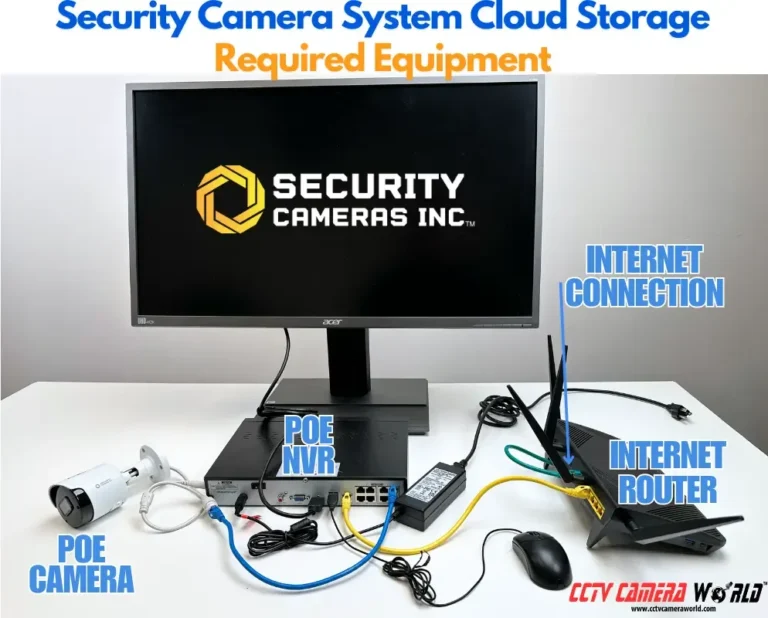
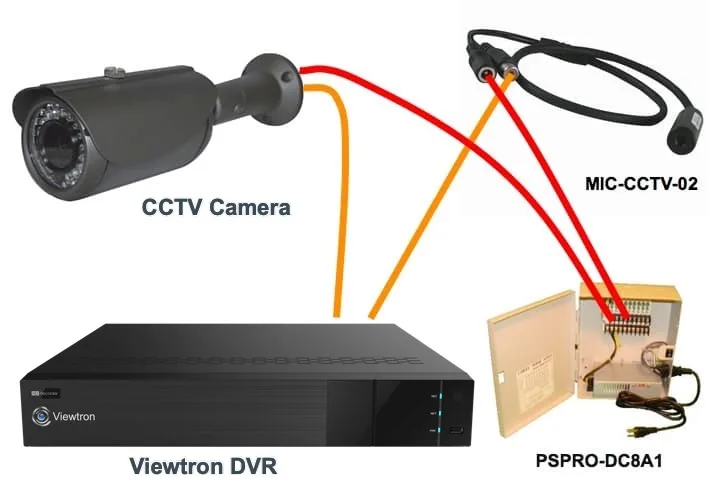
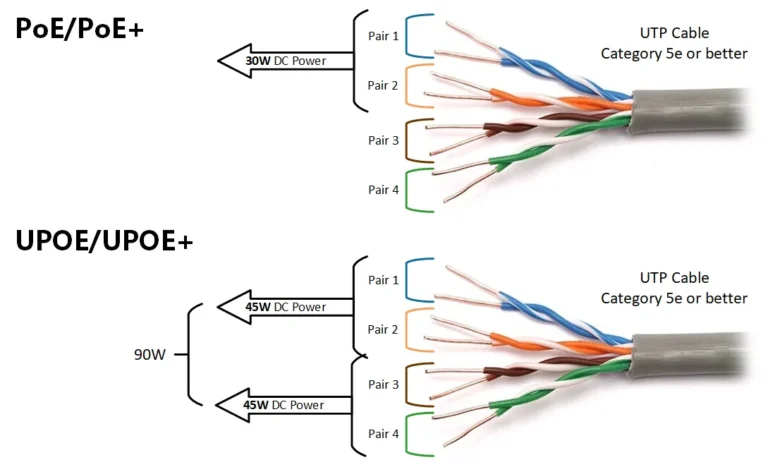
For critical areas where power interruptions are unacceptable, a wired or Power over Ethernet (PoE) setup is typically preferred, as these systems are less susceptible to power loss unless there's a broader electrical outage. You can learn about how to fix security camera video lag, which can sometimes be exacerbated by power fluctuations.
When to Choose Battery Power
Opt for battery-powered CCTV if:
- Placement is Difficult: You need to install a camera where running power cables is impractical, costly, or impossible without significant construction.
- Flexibility is Key: You anticipate needing to move the camera or want a temporary surveillance solution.
- Aesthetics Matter: You prefer a clean, wire-free look and want to avoid visible cables.
- You're a Renter: Permanent wiring is not an option, and you need easily removable security solutions.
When to Stick with Wired or PoE
Consider wired or PoE cameras if:
- Continuous Recording is Essential: You need 24/7 recording without any potential for power interruption.
- Reliability is Paramount: The area being monitored is critical, and any downtime is unacceptable.
- You Have Easy Power Access: Wiring to the location is straightforward and cost-effective.
- You Want Minimal Maintenance: Once installed, wired cameras generally require less ongoing power management than battery units.
PoE systems, in particular, offer the dual benefit of power and data transmission over a single Ethernet cable, simplifying installation compared to separate power and data cables. This makes them a robust choice for comprehensive security coverage.
Frequently Asked Questions About Battery CCTV
How long does a battery-powered security camera typically last on a single charge?
Battery life varies significantly by model and usage. In our research, estimates range from a few weeks to six months or more. However, factors like motion detection frequency, Wi-Fi signal strength, and environmental temperature can reduce this.
Some cameras with efficient power-saving modes in low-activity areas might last longer.
Can I use solar panels to power my battery CCTV camera indefinitely?
Solar power can significantly extend the operational time of battery cameras and, in ideal conditions with sufficient sunlight, can provide near-continuous power. However, "indefinitely" is rarely guaranteed. Cloudy days, shade, or winter months with shorter daylight hours can reduce solar charging efficiency, meaning the camera may eventually rely on its backup battery.
It’s best to consider solar as a way to greatly reduce charging frequency, rather than a truly perpetual power solution without any battery intervention.
What happens if the battery on my security camera dies?
If the battery completely depletes, the camera will stop functioning, meaning it will cease recording and transmitting video. This can lead to a gap in your surveillance footage. Many battery cameras send low-battery notifications to your smartphone, giving you advance warning to recharge or replace the battery, helping to prevent this downtime.
If you do experience a blackout, you might need to learn how to reset a security camera once power is restored.
How much data does a battery-powered security camera use?
Data usage depends on video resolution, frame rate, and how often the camera is recording or streaming. Cameras that only record on motion detection generally use less data than those with continuous recording. On average, a camera streaming at 1080p resolution could use between 5GB to 15GB of data per month, but this can fluctuate.
It's useful to understand how much data does a security camera use to plan your internet data usage or cloud storage needs.
Are battery-powered security cameras less reliable than wired ones?
Battery-powered cameras offer excellent convenience and placement flexibility but can be less reliable for continuous, uninterrupted surveillance due to their dependence on battery charge. Wired cameras, once properly installed, offer a more consistent and stable power supply. However, modern battery cameras with good battery management, motion-triggered recording, and optional solar charging can be highly reliable for many applications.
The key is matching the camera type to your specific monitoring requirements.