What Are the Different Types of CCTV Cameras?
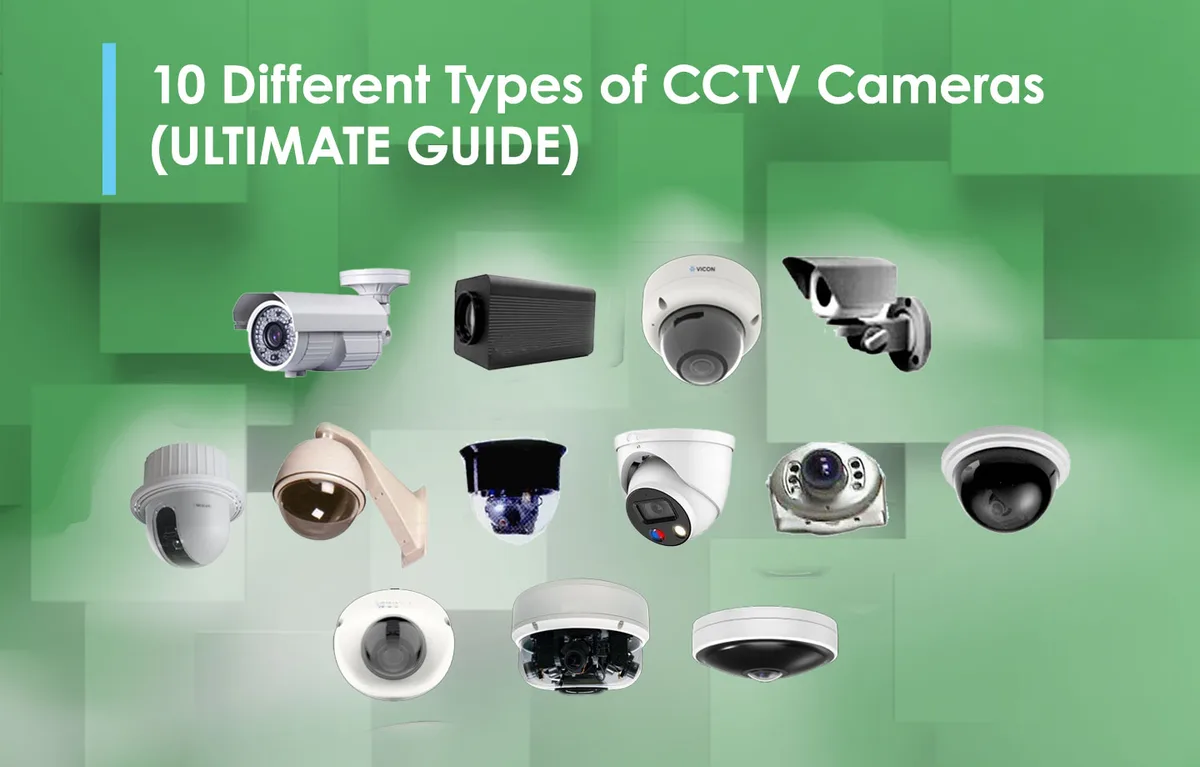
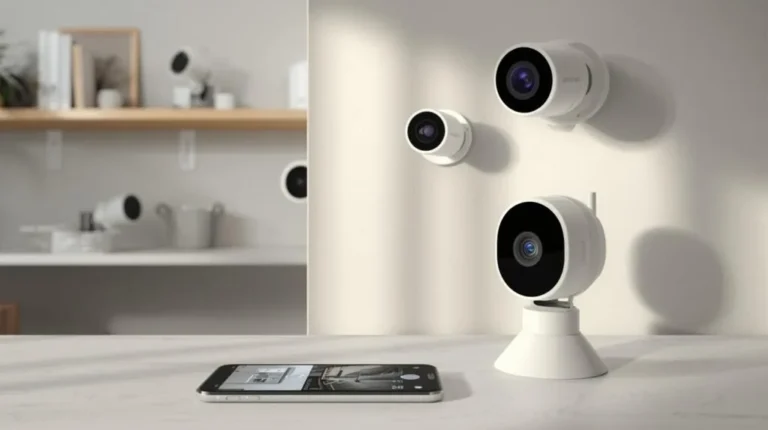
Image source: Web (Bing) / iknasoft.com (Web image (fair-use with source credit))
When you're looking into security, understanding what are the different types of CCTV cameras is key. Each camera has a specific job, and picking the wrong one can leave you with blind spots or a system that just doesn't fit your needs. It’s not a one-size-fits-all situation, but with a little guidance, you can figure out exactly what you need.
Our research and analysis of manufacturer specifications confirm that the wide variety of CCTV cameras available today means you can find a solution for almost any surveillance requirement. For instance, many IP cameras adhere to standards like ONVIF, ensuring interoperability, a crucial detail for integrated systems as of 2026. Let's break down the main types so you can make an informed choice.
Quick Answer
CCTV cameras differ mainly by form factor, lens type, and intended use. Bullet cameras offer targeted surveillance, dome cameras provide discreet coverage, PTZ cameras allow remote pan-tilt-zoom, turret cameras offer adjustable aiming, and fisheye cameras give a 360-degree view. Each type excels in different environments and for various security needs.
Bullet Cameras: The Classic Watchful Eye
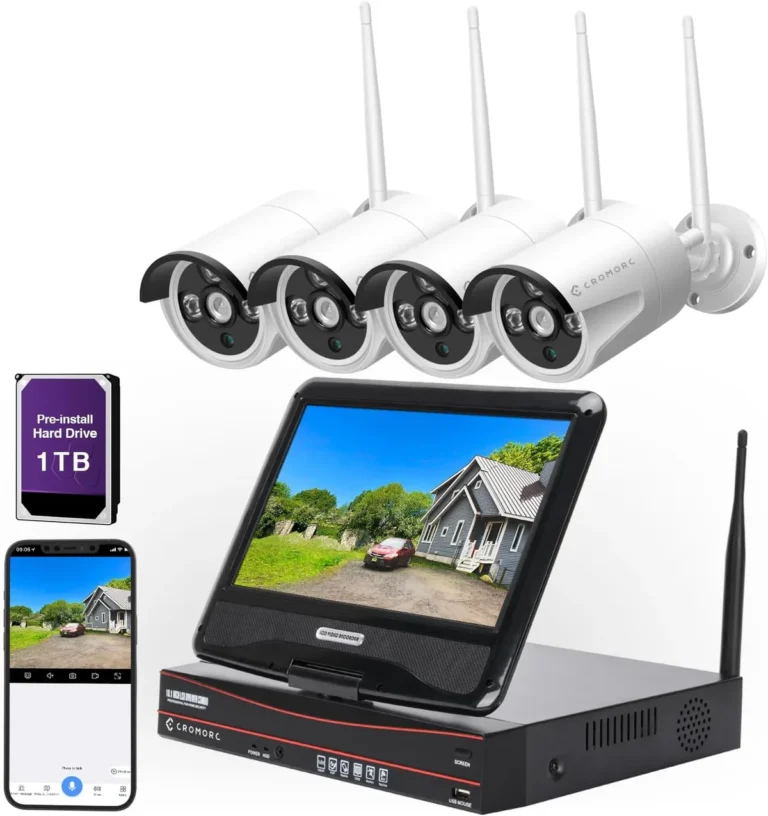
Bullet cameras are probably what first come to mind when you picture a security camera. They're named for their cylindrical, often elongated shape, resembling a bullet. Typically, these cameras feature a fixed lens, meaning their field of view is set and cannot be adjusted remotely.
They are most commonly mounted externally on walls or under eaves, pointing towards a specific area. Their visible presence can serve as an effective deterrent to potential intruders, clearly signaling that an area is under surveillance.
Bullet Camera Pros and Cons
Pros:
- Easy to Aim: Their straightforward design makes them simple to point in the desired direction during installation.
- Durable: Many outdoor bullet cameras are built with robust casings designed to withstand various weather conditions, often meeting IP66 or IP67 ratings for dust and water resistance.
- Visible Deterrent: Their obvious presence can discourage criminal activity.
- Good for Specific Areas: Effective for monitoring entry points, driveways, or specific zones.
Cons:
- Fixed Field of View: You can't adjust the viewing angle or zoom in on details remotely once installed, which can be a limitation if circumstances change.
- Obvious: While good for deterrence, their visibility can make them a target for vandalism or tampering if not installed strategically.
- Limited Coverage: A single bullet camera typically covers a narrower angle compared to some other types.
Bullet Camera Use Cases
Bullet cameras are excellent for:
- Monitoring front doors and back gates.
- Keeping an eye on driveways or parking spaces.
- Securing the perimeter of a property.
- Covering specific, unchanging areas that require constant, focused attention.
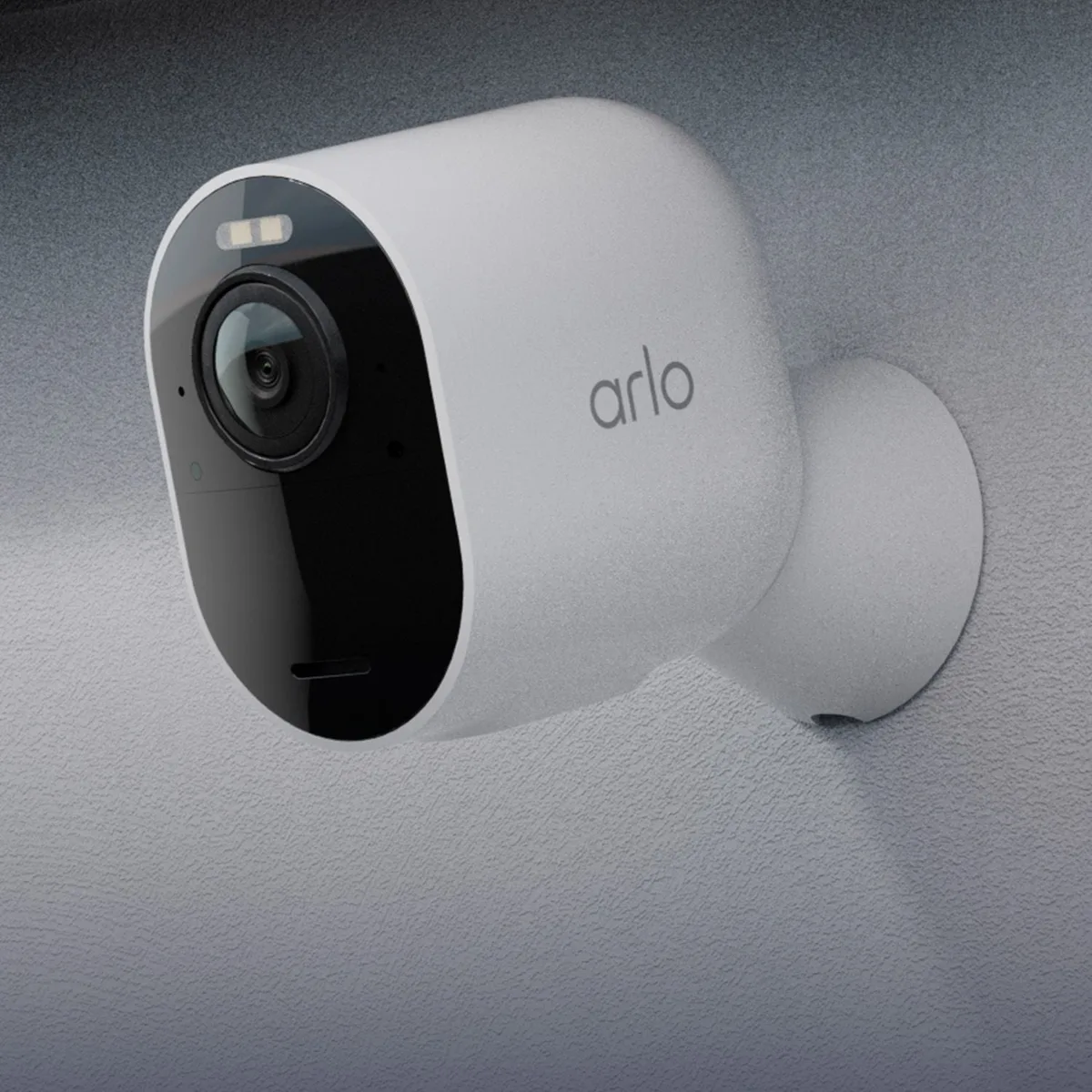
Image source: Web (Bing) / rhombus.com (Web image (fair-use with source credit))
They are a reliable workhorse for general surveillance, providing clear visuals where you need them most. If you're experiencing issues with your existing cameras, understanding why is my security camera blurry can help you determine if a different camera type might be a better fit.
Dome Cameras: Discreet Surveillance Masters
Dome cameras are designed for a more subtle approach to security. Their rounded, dome-shaped housing typically conceals the camera lens, making it difficult for people to tell exactly where the camera is pointing. This lack of direct visual indication contributes to their discreet nature.
They are commonly mounted on ceilings, whether indoors or outdoors under eaves, blending more seamlessly into their surroundings than prominent bullet cameras. This makes them ideal for environments where overt surveillance might be undesirable or could detract from the aesthetic.
Dome Camera Pros and Cons
Pros:
- Discreet Design: The hidden lens makes it harder for individuals to avoid detection or to know if they are being recorded.
- Wider Field of View: Many dome cameras offer a broader viewing angle than standard bullet cameras, covering more area from a single point.
- Vandal Resistance: The dome enclosure can offer a degree of protection against tampering and vandalism, especially models with IK-rated housings.
- Aesthetically Pleasing: They blend better into interior decor or architectural designs.
Cons:
- Aiming Difficulty: Because the lens is hidden, precise aiming can be more challenging during initial setup, sometimes requiring trial and error.
- Limited Zoom: While some dome cameras offer zoom, it's typically not as powerful or as flexible as dedicated PTZ units.
- Light Sensitivity: While many have good low-light performance, some models might struggle in extremely dark conditions without additional infrared (IR) illumination.
Dome Camera Use Cases
Dome cameras are particularly well-suited for:
- Retail environments, like shops and malls, for general monitoring of aisles and entrances.
- Offices, reception areas, and hallways where discretion is preferred.
- Public spaces such as lobbies or transit hubs.
- Indoor surveillance where aesthetics are a consideration.
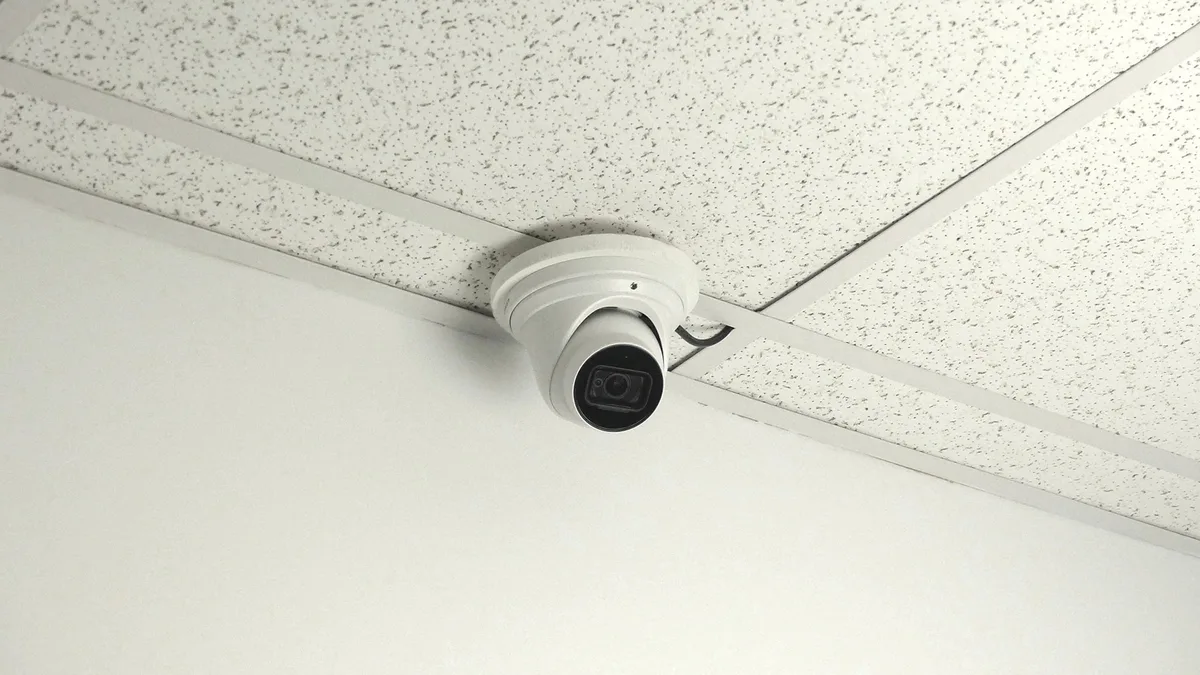
Image source: Web (Bing) / amazon.com (Web image (fair-use with source credit))
If you find your surveillance footage is often too dark to be useful, it might be worth investigating why is my security camera showing a black screen or looking into cameras specifically designed for low-light performance.
PTZ Cameras: Seeing Everywhere at Once
PTZ cameras, standing for Pan-Tilt-Zoom, represent the pinnacle of surveillance flexibility. These cameras are equipped with motorized lenses that allow them to be remotely controlled to pan horizontally, tilt vertically, and zoom in and out. This dynamic capability means a single PTZ camera can cover a vast area, effectively replacing multiple fixed cameras.
They are often used in situations where detailed observation of moving subjects or sweeping views of large environments are required. Manufacturer specifications often highlight their advanced tracking and preset capabilities, allowing them to automatically patrol designated routes or focus on specific points of interest.
PTZ Camera Features & Control
- Pan: The camera can rotate horizontally, typically 360 degrees, allowing it to scan entire surroundings.
- Tilt: The camera can tilt vertically, often up to 180 degrees or more, to cover different heights.
- Zoom: Optical and digital zoom capabilities allow users to magnify distant objects for clearer inspection. This can range from 4x zoom on smaller units to over 30x zoom on high-end models.
- Presets: Users can program specific locations (pan, tilt, and zoom positions) that the camera can quickly move to on command.
- Auto-Patrol: PTZ cameras can be set to automatically cycle through a series of presets, providing continuous surveillance of different zones.
- Tracking: Advanced models can automatically track moving objects within their field of view.
PTZ Camera Use Cases
PTZ cameras are ideal for:
- Monitoring large open areas like stadiums, airports, or large parking lots.
- Securing expansive properties or industrial sites.
- Live event monitoring where specific actions need to be closely observed.
- Situations requiring rapid response to identify and track individuals or vehicles.
While PTZ cameras offer incredible versatility, their advanced features and movement can sometimes lead to issues like why is my security camera delayed. Ensuring a stable network connection, especially for IP PTZ cameras, is critical for smooth operation.
Turret Cameras: Flexible and Visible
Turret cameras, often called eyeball cameras, strike a balance between the distinct shape of bullet cameras and the discreetness of dome cameras. They feature a spherical housing that contains the camera lens and can be manually adjusted on its ball-and-socket mount. This allows for easy aiming and repositioning without needing to recalibrate the entire camera.
Unlike dome cameras where the lens is fully hidden, the lens on a turret camera is usually visible, providing a clear indication of its direction. They are commonly mounted on walls, ceilings, or poles and are known for their good performance in various lighting conditions.
Turret Camera Pros and Cons
Pros:
- Easy to Adjust: The rotatable lens housing makes it very simple to fine-tune the camera's angle after installation.
- Good Visibility: Clearly visible, which can act as a deterrent, while still being less obtrusive than some bullet designs.
- Versatile Mounting: Can be mounted on walls, ceilings, or even horizontally on surfaces.
- Effective in Low Light: Many turret cameras come with built-in infrared (IR) LEDs for clear night vision, often outperforming similarly priced dome cameras in darkness.
Cons:
- Lens Glare: The visible lens can sometimes be prone to glare from direct light sources, potentially affecting image quality in certain setups.
- Less Discreet Than Domes: Not as covert as a fully enclosed dome camera if extreme discretion is required.
- Potential for Tampering: While robust, their visible nature could make them a target if not mounted securely and out of easy reach.
Turret Camera Use Cases
Turret cameras are a solid choice for:
- Residential properties requiring a visible deterrent and flexible aiming.
- Small to medium-sized businesses looking for a balance of visibility and adjustability.
- Indoor areas where ceiling mounting is preferred but direct visual confirmation of the camera's direction is useful.
- Areas with challenging lighting conditions due to their strong low-light capabilities.
These cameras offer a practical solution for many common security needs, providing a good balance of features for the price.
Fisheye Cameras: The Panoramic View
Fisheye cameras are designed to capture an ultra-wide, nearly 360-degree field of view. They utilize a special, highly convex fisheye lens that distorts straight lines, creating a panoramic or spherical image. This extensive coverage means a single fisheye camera can monitor a very large area without the need for multiple overlapping cameras.
They are often ceiling-mounted and used to provide an all-encompassing view of a space, making them incredibly efficient for certain types of surveillance. The trade-off for this vast coverage is the inherent distortion of the image.
Fisheye Camera Distortion and De-warping
The characteristic fisheye lens creates a circular image with significant distortion, particularly towards the edges. Straight lines appear curved, and objects closer to the camera's edge seem stretched. To address this, most modern fisheye camera systems come with de-warping software.
This software can digitally process the fisheye image to create multiple, more conventional "dewarped" views, such as a panoramic strip or several individual corridor or dome-like views. This allows users to see specific areas of the captured footage in a more recognizable, rectilinear format, balancing the need for broad coverage with the ability to inspect details.
Fisheye Camera Use Cases
Fisheye cameras excel in scenarios where maximum coverage from a single point is paramount:
- Large, open retail floors to monitor all aisles and customer activity.
- Warehouses and factories to survey entire production or storage areas.
- Large offices or common areas to provide an overview of the entire space.
- Public transit hubs or waiting areas for comprehensive situational awareness.
While fisheye cameras offer incredible coverage, managing the large video files and ensuring smooth de-warping requires sufficient processing power and bandwidth. You might find articles on how to reduce security camera bandwidth helpful when planning your network setup for such advanced cameras.
Comparing CCTV Camera Types: Which is Best For You?
Now that we've walked through the main types of CCTV cameras, the big question is: which one is right for your specific needs? It's not just about picking the fanciest or the cheapest; it's about matching the camera's strengths to the environment and the security goals you have. Think about what you need to see, how clearly you need to see it, and whether discretion or a visible deterrent is more important.
Here’s a breakdown to help you decide.
CCTV Camera Comparison Table
To make it easier, let's put their key features side-by-side.
| Feature / Camera Type | Bullet Camera | Dome Camera | PTZ Camera | Turret Camera | Fisheye Camera |
|---|---|---|---|---|---|
| Form Factor | Cylindrical, external mount | Rounded, concealed lens | Robotic, movable head | Spherical, adjustable lens | Fixed, wide-angle lens |
| Discretion | Low (Visible) | High (Concealed lens) | Medium (Can be obtrusive) | Medium (Visible lens) | Medium (Distinct lens) |
| Field of View | Fixed, narrow-to-medium | Wide | Pan, Tilt, Zoom (Dynamic) | Wide | Ultra-Wide (360°) |
| Adjustability | Manual, fixed | Manual, fixed | Remote, motorized | Manual, adjustable lens | Fixed |
| Deterrent Value | High | Medium | Medium | Medium-High | Medium |
| Typical Use | Entry points, specific zones | Indoor, public spaces | Large areas, active tracking | General purpose, flexible | 360° overview, large spaces |
| Cost (Relative) | Low | Medium | High | Medium | Medium-High |
| Vandal Resistance | Varies (often good) | Often high | Varies | Good | Varies |
Choosing the Right Camera Type for Your Needs
- For straightforward, visible surveillance of a specific spot: A Bullet Camera is often the most cost-effective and simplest solution. They're great for watching a gate or a particular doorway.
- If you need discreet monitoring in public or indoor areas: A Dome Camera is your best bet. They blend in better and offer a less obvious presence.
- For covering large, open spaces or tracking moving subjects: A PTZ Camera provides unparalleled flexibility, though at a higher cost and complexity.
- When you want a balance of easy adjustment and visible deterrence: A Turret Camera offers a great compromise, easy to aim and effective in many lighting conditions.
- To get a complete overview of a room or area without multiple cameras: A Fisheye Camera is the most efficient option, though image de-warping is essential.
When you're setting up your system, consider how different cameras might interact. If you're running into issues with motion detection, for example, you'll want to check why is my security camera not detecting motion as it could be camera type, placement, or settings.
Common CCTV Camera Mistakes to Avoid
Even with the right camera types chosen, there are common pitfalls that can undermine your security system's effectiveness. Being aware of these can save you a lot of frustration and ensure your cameras are actually doing their job.
- Poor Placement: Installing cameras in easily accessible spots makes them vulnerable to tampering or vandalism. Conversely, placing them too high or with obstructed views can render them useless for capturing clear details. Always consider the angle and reach.
- Ignoring Lighting Conditions: Assuming a camera will work perfectly in all light is a mistake. While many have night vision, extreme darkness or direct glare can blind them. Assess your site's lighting day and night.
- Over-Reliance on Visibility: While visible cameras deter, sometimes discreet cameras are needed to catch activity without alerting subjects. A mix can be best.
- Insufficient Storage and Bandwidth: High-resolution cameras, especially PTZ and fisheye types, generate a lot of data. Not having adequate storage capacity or network bandwidth can lead to recording gaps or poor performance. Consider how much data does a security camera use and ensure your system can handle it.
- Not Updating Firmware: Like any tech, cameras need updates for security patches and performance improvements. Failing to update security camera firmware can leave your system vulnerable.
- Incorrect Field of View: Using a camera with too narrow a field of view for a wide area, or vice versa, means you miss critical details or have excessive, unusable footage.
Costs, Pricing, and Technical Specs
When you're looking at different CCTV camera types, price is often a major factor. However, it's crucial to remember that the upfront cost is just one piece of the puzzle. You also need to consider installation, potential maintenance, and the long-term value.
Generally, camera types like simple bullet and dome cameras tend to be more affordable than advanced PTZ or fisheye models.
Manufacturer specifications will give you concrete data points. For example, an IP camera might list its resolution in megapixels (MP), such as 2MP or 4MP, affecting image clarity. Night vision range is often specified in meters (e.g., 30m IR range).
For PTZ cameras, zoom capability is key, often listed as optical zoom (e.g., 10x, 20x) and digital zoom. Always check these specs against your needs before purchasing.
It's also worth noting that higher-end features often correlate with higher costs. Infrared (IR) illumination, weatherproofing (like an IP67 rating), and advanced analytics like object detection all add to the price tag. For a more detailed comparison of specific features and potential costs, consulting manufacturer data sheets or reputable security system providers is recommended.
Expert Tips for CCTV Camera Selection
To truly maximize your security setup, think beyond the basic type of camera. Our research indicates that a layered approach often yields the best results, combining different camera types for comprehensive coverage. For instance, a visible bullet camera at your main entrance can deter potential intruders, while a discreet dome camera monitors activity inside.
Consider the environment where the camera will be placed. For areas with extreme temperatures or high humidity, ensuring the camera has an appropriate weatherproofing rating, like IP66 or higher, is vital. If you're planning to use multiple cameras, look into systems that offer centralized management software, which can simplify monitoring and configuration.
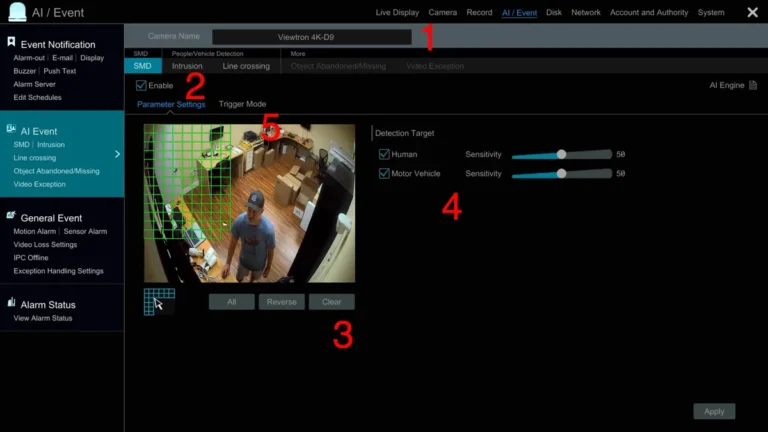
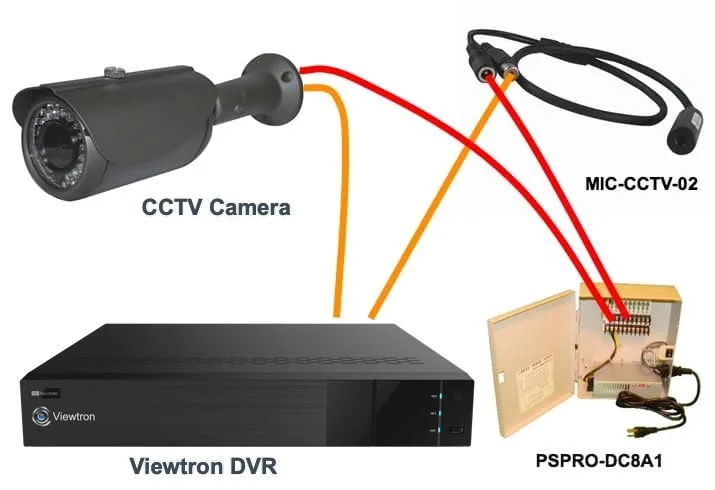
Don't forget about storage. High-resolution cameras, especially those with continuous recording, will require significant storage capacity. You'll need to decide between local storage (like Network Video Recorders, NVRs) or cloud storage, factoring in costs, accessibility, and data security.
For more on this, articles on cloud vs local storage security cameras can offer valuable insights.
Safety, Legal, and Compliance Considerations
When installing and operating CCTV cameras, it's important to be aware of legal and privacy considerations. Regulations can vary significantly by region and country, affecting where you can legally place cameras and how you must handle recorded footage. For instance, in many places, it’s illegal to point cameras into private areas like neighbors' windows or restrooms.
Ensure your cameras comply with relevant standards. For example, if you're using IP cameras, many adhere to ONVIF standards, which facilitate interoperability between different brands of cameras and recording devices. For outdoor installations, ensuring cameras meet weatherproofing standards is a safety measure to prevent electrical hazards and ensure reliable operation.
You should also consider how long you intend to keep footage, as some jurisdictions have guidelines on how long should security footage be kept.
Always inform individuals that they are being recorded, especially in commercial or public settings, often through clear signage. This transparency helps avoid privacy disputes and ensures legal compliance. If you're unsure about local regulations, consulting with a legal professional or a local law enforcement agency is a wise step before installation.
Maintenance and Long-Term Optimization
To keep your CCTV system performing at its best for years to come, regular maintenance is key. For outdoor cameras, this means cleaning the lenses and housings to remove dirt, dust, or spiderwebs that can obscure the view. A soft cloth and mild cleaning solution are usually sufficient, but always check the manufacturer's recommendations.
For all camera types, periodically check the network connection, especially for IP cameras. Issues like video lag can occur if there are problems with your WiFi signal or overall network bandwidth. Resources like how to improve security camera WiFi signal can help troubleshoot these connectivity problems.
Regularly verify that cameras are properly aimed and that motion detection zones (if used) are still accurate.
Don't forget to check your recording system. Ensure that storage is not full and that recordings are being captured as expected. Performing system checks and firmware updates regularly, as mentioned earlier, can prevent performance degradation and address potential security vulnerabilities.
Following these steps ensures your system remains reliable and effective.
Frequently Asked Questions
What is the main difference between bullet and dome cameras?
The main difference lies in their form factor and how visible they are. Bullet cameras are typically mounted externally and are clearly visible, often serving as a deterrent. Dome cameras are more discreet, with their lenses hidden within a rounded housing, making them less obvious and often more vandal-resistant.
Can I use a fisheye camera for general security?
Yes, fisheye cameras are excellent for general security in large, open areas where you need 360-degree coverage. They can monitor an entire room or space with a single unit. However, the initial image is distorted and requires de-warping software to make it useful for detailed observation.
How do I choose between a PTZ and a fixed camera?
If you need to monitor a large area, track moving subjects, or zoom in on distant details remotely, a PTZ camera is the better choice. If you only need to observe a specific, unchanging area continuously, a fixed camera (like a bullet or dome) will be more cost-effective and simpler to manage.
What does IP rating mean for outdoor cameras?
An IP (Ingress Protection) rating indicates a camera's resistance to solids (like dust) and liquids (like water). For outdoor use, look for ratings like IP66 or IP67, which signify excellent protection against dust and water ingress, meaning they can withstand harsh weather conditions.
Are PTZ cameras difficult to set up?
Setting up a PTZ camera can be more complex than a fixed camera due to their motorized components and advanced features. They often require more precise network configuration and potentially more specialized mounting. However, once set up, their remote control operation is typically straightforward.